B-157 Peptide Capsules for Recovery: What Athletes Need to Know
B-157 peptide capsules promise faster recovery from tendonitis and joint strain. But here's what you need to know about safety, legality, and whether proven alternatives are a smarter choice for serious athletes.
7 min readJuly 28, 2026
NA
NinjAthlete Team| Updated: September 17, 2026
Medical Disclaimer: This article is for educational and informational purposes only. It is not intended as medical advice, diagnosis, or treatment.
Always consult a qualified healthcare professional before starting any peptide protocol, supplement regimen, or training program. Sources are cited with DOI/PubMed links where available. Read our editorial policy
You're serious about recovery. You're tracking sleep, optimizing nutrition, and doing the work in training. But when tendonitis flares up or joint strain slows your progress, you start looking at every possible edge—including peptides like B-157.
B-157 peptide capsules have exploded in popularity within competitive sports communities over the past few years. Athletes pursuing HYROX training, endurance work, and high-volume strength programs are curious about this compound. The promise is straightforward: accelerated tissue repair, reduced inflammation, and faster return to peak performance.
But before you add B-157 to your recovery stack, you need the full picture. Here's what the research actually shows, what the risks are, and whether this peptide aligns with evidence-based performance optimization.
B-157—also known as BPC-157—is a synthetic peptide derived from a protective protein naturally found in gastric juice. The name comes from "body protection compound," and the peptide is designed to promote rapid tissue healing and reduce inflammation.
The standard format is a 90-capsule supply intended for post-workout recovery and flexibility support. The mechanism of action centers on supporting connective tissue repair from the inside out, making it theoretically useful for athletes dealing with overuse injuries, tendonitis, or joint strain.
If you've been researching peptide protocols on NinjAthlete, you've probably seen B-157 mentioned alongside other recovery compounds. But it occupies a different regulatory space than many alternatives.
Claimed Benefits of B-157 Peptide Capsules
The reason B-157 has gained traction among high-performance athletes is the specificity of its benefits:
Tendonitis management. Chronic tendon inflammation is a major limiter for competitive athletes. B-157 proponents claim it accelerates healing in damaged tendons.
Joint strain recovery. Overuse injuries in knees, shoulders, and hips respond well to anti-inflammatory compounds. B-157 is marketed as particularly effective here.
Post-workout recovery. Faster tissue repair theoretically means shorter recovery windows between hard training sessions.
Connective tissue support. The peptide may strengthen fascia, ligaments, and cartilage—areas that don't get enough attention in standard supplement stacks.
Inflammation reduction. By targeting inflammatory pathways at the tissue level, B-157 could reduce systemic inflammation and improve overall recovery sensation.
These benefits align perfectly with what competitive athletes need. When you're training 6 days a week and managing chronic joint stress, faster connective tissue healing is genuinely valuable.
AppPeptide Protocol Tracker
Track Your Protocol with PeptIQ
AI-powered dosing, smart reminders, and progress logging — all in one app. Never miss a dose.
Here's where you need to pause and listen: B-157 peptide capsules are not approved for human use by any regulatory agency—not the FDA, EMA, or any other governing body. This is not a minor technicality.
The safety profile remains largely unproven in humans. While animal studies and small case reports suggest potential benefits, robust clinical evidence supporting efficacy claims is limited. Most research on BPC-157 comes from animal models or in vitro studies, not human trials.
This matters because you can't quantify the real-world risks. Potential organ support effects, long-term accumulation concerns, and interactions with other compounds remain unclear from current evidence. Unlike approved medications or supplements with established safety monitoring, B-157 operates in a regulatory gray zone.
If you're looking for evidence-based recovery protocols backed by peer-reviewed research, NinjAthlete's resource library includes alternatives with established safety profiles and regulatory approval.
Market Status and Popularity Among Athletes
Despite regulatory uncertainty, B-157 has experienced explosive popularity in fitness and sports recovery communities. You'll find it discussed heavily in HYROX training forums, longevity-focused biohacker networks, and competitive sports Reddit threads.
The demand has created a supply chain. Multiple vendors now offer B-157 peptide capsules, though quality control and manufacturing standards vary significantly across the market. This variability itself is a risk—you can't guarantee product purity, potency, or safety of manufacture.
The fact that it's popular doesn't make it proven. High-performance athletes often exist at the bleeding edge of optimization, experimenting with compounds years before research catches up. Sometimes that leads to breakthroughs. Sometimes it leads to avoidable risk.
Better Alternatives with Proven Safety Profiles
You don't have to choose between recovery and caution. Evidence-based alternatives actually work.
Collagen peptides. Extensively researched, regulatory-approved, and shown to support joint and connective tissue health. Studies consistently show improvements in joint pain and mobility (see NIH research on collagen supplementation).
NSAIDs and topical anti-inflammatories. Proven for acute tendonitis and joint strain. Work within hours, not weeks.
Physical therapy and movement optimization. Addresses root causes of overuse injuries. Slower than peptides but more durable.
Sleep and nutrition protocols. Recovery happens during rest. Optimizing sleep quality and protein intake delivers measurable results without regulatory risk.
Systemic anti-inflammatory approaches. Omega-3 supplementation, curcumin, and strategic carb/protein timing reduce inflammation systemically without unproven peptides.
These aren't sexy. They won't make you feel like you're on the cutting edge. But they work, they're backed by research, and they won't create compliance or health risks down the line.
Should You Use B-157 Peptide Capsules?
The honest answer: consult with a healthcare provider before considering B-157, and understand that you're taking on unquantified risk.
If you have chronic tendonitis or joint strain that's limiting your training, start with proven alternatives. Collagen supplementation, targeted anti-inflammatories, and physical therapy have decades of safety data behind them. They're not as exciting as experimental peptides, but they deliver results without regulatory ambiguity.
You refuse to settle for average performance. That same standard should apply to recovery protocols. Choose evidence over excitement. When NinjAthlete recommends recovery strategies, we prioritize compounds and methods with established safety profiles and peer-reviewed efficacy data. That's the only way to optimize long-term performance without compromising health.
Building a Recovery Stack That Actually Works
If you're serious about recovery optimization, the foundation matters more than the edge cases.
Start with sleep quality (your number-one recovery lever). Add 20-30g of collagen peptides daily. Layer in targeted mobility work for injured areas. Use NSAIDs strategically for acute flare-ups. Optimize protein timing around workouts.
This stack is unsexy, but it's what competitive athletes use when they're not chasing trends. It's also what you can measure, adjust, and trust long-term.
Experimental peptides like B-157 might belong in your protocol eventually. But only once you've maximized the fundamentals, consulted qualified healthcare providers, and understand the actual risks involved. That's how you refuse to settle for average while staying smart about performance optimization.
Is B-157 peptide legal?
B-157 exists in a regulatory gray zone. It's not approved for human use by the FDA or EMA, but it's not explicitly banned in most countries either. Legality varies by jurisdiction. Before purchasing, verify the legal status in your location and consult a healthcare provider.
How long does it take B-157 to work?
Reported timelines from users range from 2-4 weeks for noticeable effects on joint pain or tendon health. However, robust clinical data on human timelines doesn't exist, making it difficult to set realistic expectations or compare against proven alternatives like collagen peptides.
Can you stack B-157 with other supplements?
Potential interactions between B-157 and other compounds (medications, supplements, peptides) remain largely unknown due to limited human research. This is a significant risk factor. Always consult a healthcare provider before combining B-157 with other recovery compounds or medications.
What's the difference between B-157 and collagen peptides?
Collagen is a naturally occurring protein extensively studied in humans with proven safety and efficacy for joint and connective tissue health. B-157 is a synthetic peptide with limited human research and no regulatory approval. Collagen is the evidence-based choice for most athletes.
Disclaimer: This article is for educational and informational purposes only and does not constitute medical advice. Peptides discussed are research compounds that are not FDA-approved for human use, and many are prohibited in tested sport by WADA. Always consult a qualified healthcare provider before beginning any supplement, peptide, or treatment protocol.
Research-Grade Peptides
Discount auto-applied
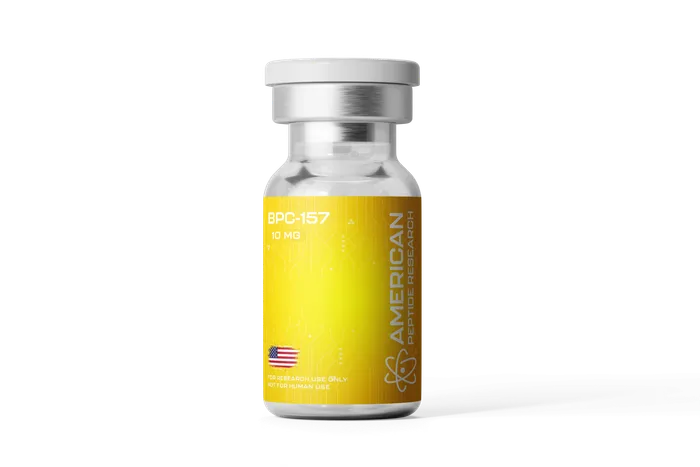
Third-party tested, made in the USA by American Peptide Research. Our link applies your discount automatically.