Best BPC-157 Peptide Science for Athletic Recovery
BPC-157 peptide science delivers measurable recovery acceleration for competitive athletes managing joint stress and soft tissue injuries. Learn the research-backed timeline, who benefits most, and how to evaluate quality protocols for real performance gains.
6 min readJuly 18, 2026
NA
NinjAthlete Team| Updated: September 17, 2026
Medical Disclaimer: This article is for educational and informational purposes only. It is not intended as medical advice, diagnosis, or treatment.
Always consult a qualified healthcare professional before starting any peptide protocol, supplement regimen, or training program. Sources are cited with DOI/PubMed links where available. Read our editorial policy
You're pushing hard in training. Your joints are sore. Your soft tissue injuries won't heal fast enough to keep up with your competition schedule. You've heard peptides mentioned in serious athlete circles, but you need to know if BPC-157 peptide science actually delivers results or if it's hype.
The honest answer: BPC-157 is one of the most researched peptides for tissue repair and recovery, backed by solid preclinical data and growing human interest. But the science matters more than the marketing. Let's break down what the research actually shows, who it works for, and how to evaluate quality protocols.
BPC-157 is a synthetic pentadecapeptide (15 amino acids) derived from a naturally occurring protein found in human gastric juice. Think of it as a signaling molecule that tells your body to prioritize tissue healing and reduce inflammation. Plant-based peptide formulations are available and align with modern performance optimization approaches.
It's not a pharmaceutical drug. It's not a steroid. It's a peptide sequence that mimics a biological process your body already runs. The distinction matters because it positions recovery optimization within a science-backed framework rather than pharmaceutical intervention.
The evidence base is largest in animal models. Studies consistently demonstrate that BPC-157 promotes healing in skin, muscle, bone, ligaments, and tendons. It also shows protective effects against organ damage and accelerates wound healing timelines.
What does this mean for you as an athlete?
Tendon and ligament support: Preclinical data suggests faster adaptation and repair of connective tissue under load.
Muscle recovery: Reduced inflammation markers and accelerated myofibrillar repair within weeks.
Joint health: Protective signaling that may reduce chronic inflammation in high-impact sports.
Gut barrier function: Secondary benefit for athletes managing intestinal permeability under heavy training stress.
Human clinical research is limited compared to animal studies, which is important context. The underlying mechanisms aren't fully clarified in human subjects yet. But the trajectory of the research and athlete testimonials suggest measurable recovery benefits within specific timelines.
Real Timeline: When You'll See Results
You need realistic expectations. Recovery optimization isn't instantaneous.
Weeks 1-2: Reduced inflammation, improved sleep quality, and baseline energy improvements.
Weeks 3-4: Initial improvements in pain levels and mobility, especially in acute soft tissue injuries.
Weeks 4-8: Noticeable changes in joint comfort, tissue responsiveness to training, and recovery speed between sessions.
6+ months: Recommended minimum protocol duration for sustained structural adaptation and prevention benefits.
Soft tissue injuries typically show the fastest response within 2-6 weeks. Chronic joint issues require longer commitment. Your baseline health, injury severity, and protocol quality all impact your personal timeline.
AppPeptide Protocol Tracker
Track Your Protocol with PeptIQ
AI-powered dosing, smart reminders, and progress logging — all in one app. Never miss a dose.
Who Benefits Most: BPC-157 Peptide Science for Competitive Athletes
BPC-157 isn't for everyone. It's specifically valuable if you're managing:
Chronic tendon or ligament stress (common in HYROX, climbing, and endurance sports)
Post-injury recovery timelines you need to accelerate
Joint wear from high-volume training cycles
Gut health issues triggered by heavy training load
Recovery bottlenecks limiting your training frequency
If you're a serious athlete refusing to settle for average recovery, peptide protocols optimized by evidence matter. NinjAthlete's peptide science guides connect preclinical research with practical athlete protocols designed for measurable performance gains.
Critical Context: What You Need to Know Before Starting
The major FDA advisory decision is scheduled for July 23, 2026. This is important. Regulatory status affects sourcing, availability, and product quality standards. Stay informed on that timeline.
Results vary significantly based on:
Injury type and severity: Acute injuries respond faster than chronic conditions.
Overall health status: Better baseline health = faster adaptation.
Protocol quality: Sourcing, dosage, and timing matter as much as the peptide itself.
Combined training approach: BPC-157 supports tissue repair but doesn't replace smart training mechanics.
Honest assessment: If you're not serious about your recovery protocol or your training consistency, peptides aren't the bottleneck. Fix your sleep, nutrition, and training stress first. Then optimize with science-backed peptides.
For competitive athletes who've mastered fundamentals and need measurable recovery acceleration, evidence-based peptide protocols bridge the gap between training volume and tissue adaptation. That's when BPC-157 peptide science delivers.
How to Evaluate Quality and Source Responsibly
Not all BPC-157 products are equal. Source quality directly impacts safety and results.
Third-party testing: Verify purity and peptide sequence through independent labs.
Manufacturing standards: Plant-based formulations and GMP-compliant facilities reduce contamination risk.
Dosage clarity: Reputable protocols specify dosing, frequency, and duration.
Provider credentials: Work with platforms offering peer-reviewed research backing, not just testimonials.
This matters because unregulated peptides or poor manufacturing introduce variables that compromise results and safety. Performance athletes deserve better than guesswork.
BPC-157 Peptide Science: The Bottom Line for Your Recovery
BPC-157 is science-backed recovery support with demonstrated effects on tissue healing, inflammation reduction, and structural adaptation. The timeline is real: expect 3-4 weeks for initial improvements, 6+ weeks for meaningful performance impact, and 6+ months for sustained structural benefits.
It works best when you're managing specific injuries or joint stress, your fundamentals (sleep, nutrition, training) are locked in, and you're committed to consistent protocols. Results vary based on injury type, health status, and protocol quality.
The evidence base is strongest in preclinical models with growing human interest. The regulatory landscape is shifting (watch July 2026), so stay informed on sourcing and availability.
If you're a competitive athlete optimizing recovery as a performance lever, BPC-157 peptide science deserves serious evaluation. Start with NinjAthlete's science-backed peptide protocols designed for measurable results in high-performance athletes, then dial in the approach specific to your sport and injury profile.
Is BPC-157 peptide science legal?
BPC-157 exists in a regulatory gray area. It's not an FDA-approved pharmaceutical, but it's available through research peptide suppliers and wellness protocols. Regulatory status is evolving, with a major FDA decision expected July 23, 2026. Always source from compliant suppliers and verify local regulations before use.
How long until BPC-157 shows results?
Initial improvements (reduced inflammation, better sleep) appear within 1-2 weeks. Noticeable changes in pain and mobility emerge within 3-4 weeks. Meaningful performance gains typically require 6-8 weeks of consistent protocol. Sustained structural benefits require 6+ months minimum.
Can BPC-157 replace physical therapy or training modifications?
No. BPC-157 supports and accelerates tissue healing, but it doesn't replace smart training mechanics, physical therapy, or load management. It's most effective when combined with proper rehab protocols and movement optimization. Use it as a recovery accelerant alongside best practices, not as a standalone solution.
What's the difference between BPC-157 and other recovery peptides?
BPC-157 is specifically researched for tissue repair, inflammation reduction, and structural healing. Other peptides target different pathways (growth hormone secretion, muscle protein synthesis, immune function). Your choice depends on your specific recovery bottleneck. Consult evidence-based protocols to match peptide to need.
Disclaimer: This article is for educational and informational purposes only and does not constitute medical advice. Peptides discussed are research compounds that are not FDA-approved for human use, and many are prohibited in tested sport by WADA. Always consult a qualified healthcare provider before beginning any supplement, peptide, or treatment protocol.
Research-Grade Peptides
Discount auto-applied
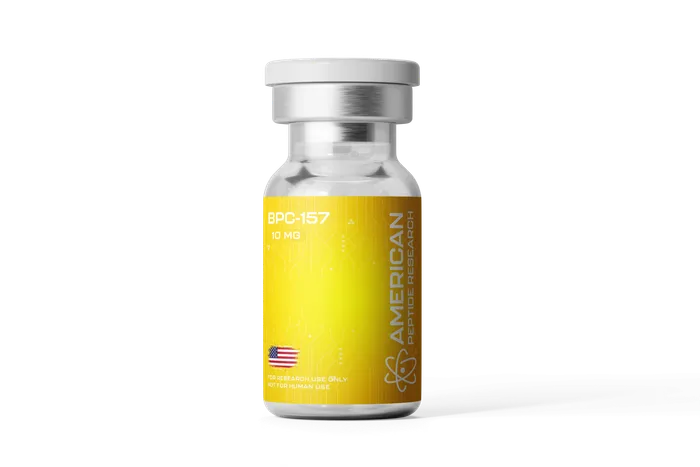
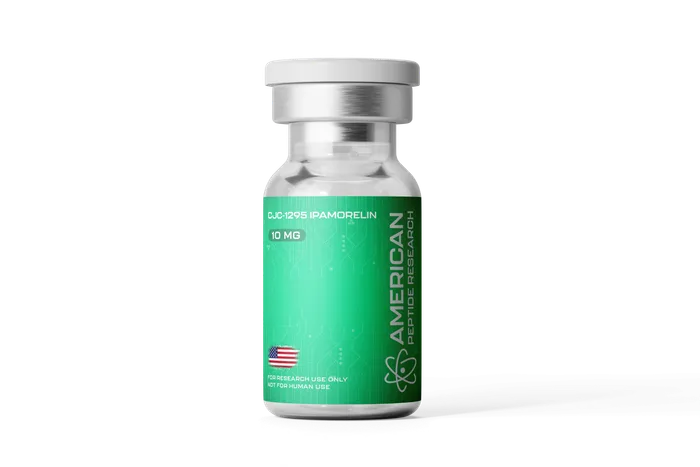
Third-party tested, made in the USA by American Peptide Research. Our link applies your discount automatically.