Best BPC-157 and TB-500 Peptide Blend for Injury Recovery
Accelerate soft-tissue injury recovery with the BPC-157 and TB-500 peptide blend. Learn how these synergistic peptides drive localized repair and systemic regeneration, compress recovery timelines, and help competitive athletes return to sport faster.
7 min readJuly 24, 2026
NA
NinjAthlete Team| Updated: September 17, 2026
Medical Disclaimer: This article is for educational and informational purposes only. It is not intended as medical advice, diagnosis, or treatment.
Always consult a qualified healthcare professional before starting any peptide protocol, supplement regimen, or training program. Sources are cited with DOI/PubMed links where available. Read our editorial policy
You're injured, and conventional recovery timelines aren't cutting it. Whether you've torn a tendon, strained muscle tissue, or aggravated an old soft-tissue injury, you're looking at weeks or months of setbacks that pull you away from peak performance. That's where understanding the BPC-157 and TB-500 peptide blend becomes a game-changer for serious athletes willing to optimize beyond standard protocols.
The synergistic combination of BPC-157 and TB-500 addresses injury recovery from two complementary angles: localized tissue repair at the site of damage, plus systemic regeneration that improves circulation and cellular migration across your entire body. This isn't hype. The mechanism is grounded in how these synthetic peptides trigger your body's natural repair pathways.
If you're committed to evidence-based recovery strategies, NinjAthlete breaks down exactly how this peptide blend works, what results you can realistically expect, and how to structure a protocol that actually accelerates healing without cutting corners.
How BPC-157 and TB-500 Work Together
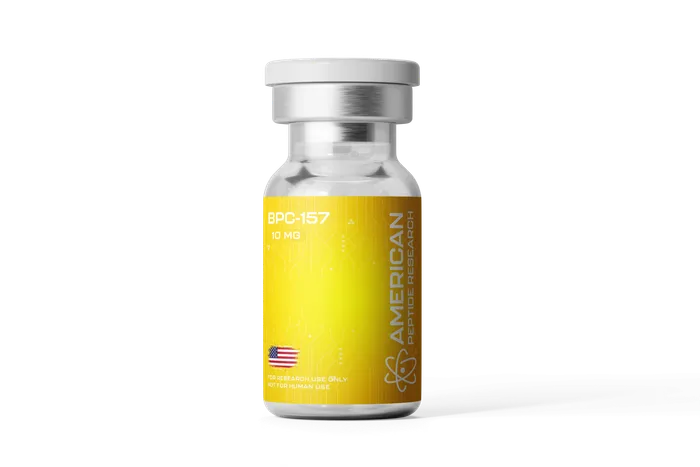
BPC-157 (Body Protection Compound-157) operates at the injury site itself. It drives angiogenesis, which means new blood vessel formation. More blood flow to a damaged tendon or muscle equals faster nutrient delivery and accelerated tissue reconstruction. BPC-157 also modulates inflammation, reducing the inflammatory response that often prolongs recovery.
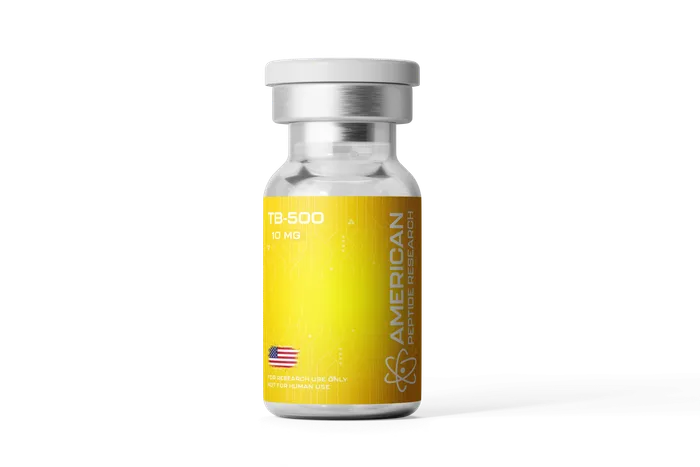
TB-500 (Thymosin Beta-4) takes a different approach. Instead of acting locally, it works systemically. TB-500 promotes cell migration, supports broader soft-tissue regeneration, and enhances flexibility and mobility across multiple tissues. Think of it as the peptide that mobilizes your body's repair crew across the entire system.
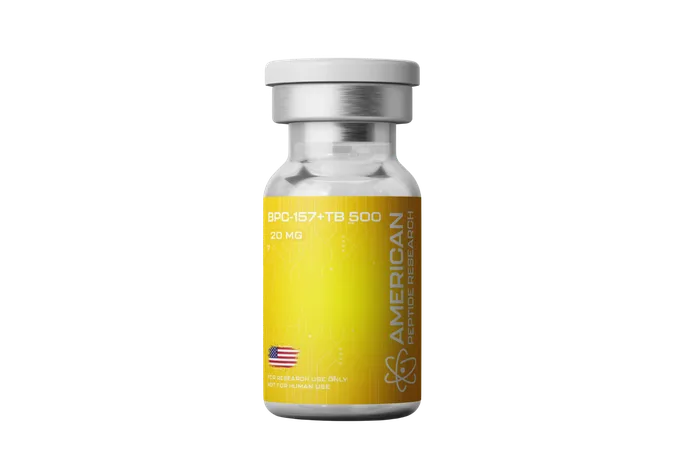
Together, they're complementary. BPC-157 is your precision tool for the specific injury. TB-500 amplifies your body's regenerative capacity across the board. Combined with proper timing and separation (typically administered on different schedules to avoid redundancy), this blend produces faster overall healing than either peptide alone.
Real-World Applications for Competitive Athletes
The primary use cases for the BPC-157 and TB-500 peptide blend cluster around soft-tissue injuries that keep you sidelined:
Inflammation reduction: Chronic soft-tissue inflammation that limits movement quality
Circulation improvement: Poor blood flow to damaged areas that slows natural healing
Mobility enhancement: Flexibility gains and range-of-motion recovery post-injury
HYROX athletes especially benefit from this blend. The sport demands explosive power, full-body endurance, and resilience across multiple movement patterns. When a tendon or muscle tears mid-season, the window to get back to training is narrow. The BPC-157 and TB-500 peptide blend compresses that timeline meaningfully.
Expected Timelines and Measurable Outcomes
You need to know what realistic recovery looks like. With a properly structured BPC-157 and TB-500 peptide protocol, athletes typically report:
Reduced pain and inflammation within 7-14 days of consistent dosing
Visible improvements in tissue quality (measured via ultrasound or MRI) within 4-6 weeks
Return to sport-specific training 2-4 weeks faster than conventional recovery timelines
Improved mobility and flexibility beyond pre-injury baseline
Reduced re-injury risk due to strengthened tissue structure
Individual results vary. Factors like age, injury severity, training load during recovery, and sleep quality all influence outcomes. The point: this isn't magic. It's optimization of your body's natural repair systems using peptide compounds that have been studied in peer-reviewed research for their regenerative properties.
For athletes serious about performance data, NinjAthlete provides detailed recovery protocols including imaging benchmarks so you can track tissue quality improvements week-to-week, not just subjective pain reduction.
AppPeptide Protocol Tracker
Track Your Protocol with PeptIQ
AI-powered dosing, smart reminders, and progress logging — all in one app. Never miss a dose.
You might wonder: why not just use BPC-157 alone, or TB-500 alone? Both work independently. But the research and athlete feedback indicate that combining them produces faster healing than either used in isolation.
The reason is mechanistic complementarity. BPC-157 excels at local repair and protecting existing tissue. TB-500 mobilizes systemic regeneration and promotes new tissue formation. Together, they cover both ends of the healing spectrum: protective repair plus active regeneration.
A National Institutes of Health review of synthetic peptide mechanisms confirms that stacking peptides with different target pathways accelerates outcomes beyond monotherapy. The caveat: proper timing and dosing matter. You need a structured protocol, not just random experimentation.
How to Build Your BPC-157 and TB-500 Peptide Blend Protocol
A functional protocol looks like this:
Dosing separation: Alternate BPC-157 and TB-500 on different days or time slots to prevent redundancy and maximize each peptide's distinct mechanism
Duration: Typical protocols run 8-12 weeks for acute injuries, with flexibility based on tissue response
Administration method: Subcutaneous injection or oral delivery (bioavailability varies; discuss with a knowledgeable practitioner)
Monitoring: Baseline imaging, progress check-ins at 4 weeks, final assessment at 8-12 weeks to verify tissue healing
Training integration: Continue rehab work during protocol; peptides accelerate healing, not replace rehab
Honest take: this requires commitment. You're managing a structured protocol alongside rehabilitation exercises, sleep optimization, and controlled training load. If you're unwilling to show up consistently, peptides won't save you. But if you refuse to settle for average recovery and you're willing to invest in science-backed optimization, the timeline compression is real.
Sourcing Quality and Avoiding Counterfeit Blends
The peptide market is flooded with poorly manufactured and counterfeit products. If you're going to invest in BPC-157 and TB-500, source quality matters enormously. A degraded or misformulated peptide won't work, and worse, it could introduce contaminants that harm you.
Look for suppliers who provide third-party testing, publish Certificate of Analysis (CoA) documentation, and have transparent manufacturing practices. Avoid vendors with vague sourcing claims or suspiciously cheap pricing. Competitive athletes who understand biohacking know that cutting corners on source quality defeats the entire purpose.
When you're evaluating options, NinjAthlete recommends partnering with practitioners or platforms that specialize in peptide therapy protocols and can source verified, pharmaceutical-grade compounds. Your recovery timeline is too valuable to gamble on black-market peptides.
Why Athletes Trust This Approach
The BPC-157 and TB-500 peptide blend has become standard among elite athletes and biohacking communities for one reason: it works when implemented correctly. You get measurable tissue repair, faster return-to-sport timelines, and reduced chronic pain from old injuries.
This isn't a shortcut that bypasses rehab or training discipline. It's a performance tool that optimizes what your body already does naturally. Peptides amplify your inherent repair systems. That's why serious athletes use them.
Common Questions About BPC-157 and TB-500 Peptide Blends
How quickly will I see results from BPC-157 and TB-500?
Pain and inflammation typically decrease within 7-14 days of consistent dosing. Structural tissue improvements (visible on imaging) emerge around 4-6 weeks. Full functional recovery depends on injury severity and rehab adherence, but most athletes notice meaningful progress within 3-4 weeks.
Can I use BPC-157 and TB-500 together immediately, or do I need to separate them?
Separating them (alternating days or different dosing windows) is recommended to maximize each peptide's distinct mechanism and avoid redundancy. A typical protocol staggers dosing so both peptides work synergistically without competing for the same biological pathways.
Are there side effects or contraindications with BPC-157 and TB-500?
Both peptides are well-tolerated in research and athlete feedback. Minor injection site irritation or mild appetite changes are rare. However, if you have active infections, certain hormone-sensitive conditions, or are on specific medications, discuss peptide therapy with a healthcare provider before starting. Always verify practitioner oversight.
How long do I need to run a BPC-157 and TB-500 peptide blend protocol?
Standard protocols run 8-12 weeks depending on injury severity and tissue response. Some athletes extend to 16 weeks for severe tears. Imaging at the 4-week and 8-week marks helps determine if you're tracking toward full recovery or need protocol adjustments. Your practitioner should guide this timeline based on objective tissue quality improvements.
Disclaimer: This article is for educational and informational purposes only and does not constitute medical advice. Peptides discussed are research compounds that are not FDA-approved for human use, and many are prohibited in tested sport by WADA. Always consult a qualified healthcare provider before beginning any supplement, peptide, or treatment protocol.
Research-Grade Peptides
Discount auto-applied
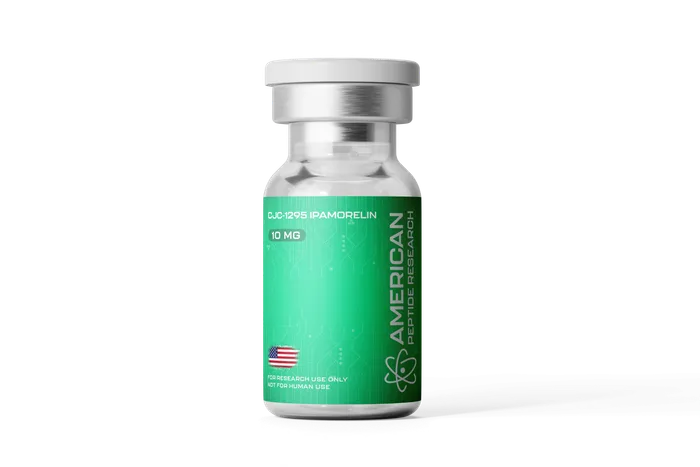
Third-party tested, made in the USA by American Peptide Research. Our link applies your discount automatically.