BPC-157 & TB-500 for Athletes: Recovery Stack Explained
BPC-157 and TB-500 are marketed as a recovery stack, but what does the actual science say? Here's everything competitive athletes need to know about these peptides, how they differ, and why medical supervision is non-negotiable.
8 min readAugust 30, 2026
NA
NinjAthlete Team| Updated: September 17, 2026
Medical Disclaimer: This article is for educational and informational purposes only. It is not intended as medical advice, diagnosis, or treatment.
Always consult a qualified healthcare professional before starting any peptide protocol, supplement regimen, or training program. Sources are cited with DOI/PubMed links where available. Read our editorial policy
BPC-157 and TB-500 are two synthetic peptides that serious athletes are talking about for recovery optimization. BPC-157 targets localized tissue repair and blood flow, while TB-500 (synthetic Thymosin Beta-4) acts as a systemic cell-migration agent with broader whole-body effects. When stacked together, they're marketed as a synergistic recovery protocol—but before you even consider them, you need to understand exactly how they work and what the actual research says.
What is BPC-157?
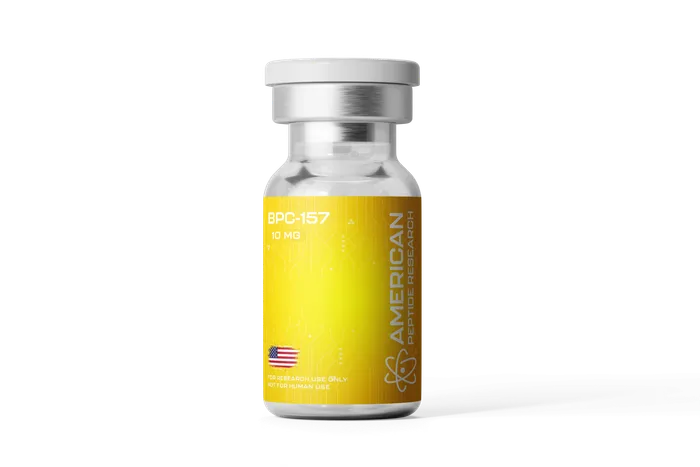
BPC-157 stands for Body Protection Compound-157. It's a synthetic peptide derived from a naturally occurring protein in your stomach acid, and it's designed to promote localized tissue healing.
Here's what the research theorizes BPC-157 does:
Enhances angiogenesis (new blood vessel formation)
Increases blood flow to damaged tissue
Reduces inflammation at the injury site
Accelerates collagen deposition and tissue regeneration
The mechanism sounds compelling for athletes dealing with tendon strains, muscle tears, or joint damage. Most peptide research suggests BPC-157 works locally at the injection or application site, making it useful for targeted recovery when you have a specific area that needs attention.
What is TB-500?
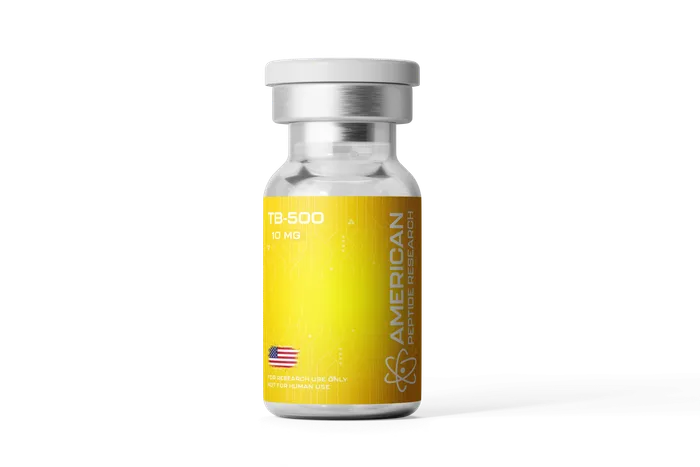
TB-500 is a synthetic version of Thymosin Beta-4, a naturally occurring peptide in your body involved in cell migration and tissue repair. Unlike BPC-157's localized focus, TB-500 operates systemically—meaning it affects your whole body.
TB-500 is theorized to:
Promote cell migration to damaged areas
Reduce systemic inflammation
Support muscle growth and recovery
Enhance tissue regeneration across multiple sites simultaneously
This makes TB-500 appealing for athletes recovering from general fatigue, multiple injury sites, or whole-body performance optimization. If you've overtrained and your entire system needs recovery support, TB-500 targets broader recovery mechanisms than BPC-157.
Best for specific structural damage (tendon, ligament, muscle tear)
Faster localized effect
TB-500
Systemic circulation (full-body distribution)
Focuses on cell migration and broad inflammation reduction
Best for generalized recovery and multi-site fatigue
Slower onset but wider tissue penetration
Think of BPC-157 as a targeted repair tool and TB-500 as a systemic recovery facilitator. Used together, they theoretically address both localized damage and full-body recovery demands—which is why athletes call it the "Wolverine Stack."
How BPC-157 and TB-500 Work Together
The synergy argument goes like this: BPC-157 floods your injured area with new blood vessels and growth factors, while TB-500 simultaneously mobilizes your body's repair cells and reduces system-wide inflammation. You get aggressive local healing plus systemic recovery optimization.
In theory, stacking them accelerates the entire recovery timeline. Most athletes using this protocol report faster return-to-training windows and reduced pain during the recovery phase. However—and this is critical—human clinical data on this combined stack is extremely limited.
If you're serious about evidence-based recovery strategies, NinjAthlete breaks down the actual science behind peptide protocols and what conventional recovery methods still outperform them.
The Science: What Research Actually Shows
Here's where honesty matters. Most BPC-157 and TB-500 research comes from animal models and in-vitro studies. The mechanisms are well-theorized, but human clinical evidence is nascent.
A critical reality: PubMed and NIH databases show robust mechanistic research, but long-term safety data in humans is sparse. The peptides appear to work in controlled lab settings, but translating that to real-world athletic recovery in humans requires caution.
What we do know:
Both peptides show promise in animal tissue repair models
BPC-157 demonstrates angiogenic effects in multiple tissue types
TB-500 mobilizes cell migration in vascular and muscular tissue
Combined use is theoretically synergistic but clinically unvalidated in humans
The gap between "shows promise in mice" and "safe and effective in your shoulder" is enormous. This is why medical supervision is non-negotiable if you're considering peptide therapy.
Legal and Regulatory Status
BPC-157 and TB-500 are not FDA-approved for human use in the United States or most Western countries. They exist in a regulatory gray zone—legal to purchase in some jurisdictions, banned in others, and always unregulated when sourced outside pharmaceutical manufacturing.
This creates real risks:
No quality control on sourced peptides
No standardization of purity or dosing
Unknown contaminants in non-pharmaceutical supply chains
Legal liability if caught with them in your jurisdiction
Before even thinking about sourcing these peptides, verify the laws in your country, state, and any athletic organizations you compete with. Most competitive sports ban peptide therapy entirely.
AppPeptide Protocol Tracker
Track Your Protocol with PeptIQ
AI-powered dosing, smart reminders, and progress logging — all in one app. Never miss a dose.
Long-term safety data in humans is limited. You should know the potential concerns:
Immunogenic reactions (your body attacks the synthetic peptide)
Unknown organ accumulation or toxicity
Injection site infections if sterility protocols aren't followed
Potential interactions with existing medications or supplements
Medical supervision isn't optional here—it's essential. A healthcare provider familiar with peptide therapy can monitor your response, adjust dosing, and catch complications early.
You also need to understand that conventional recovery methods (progressive overload, sleep optimization, nutrition periodization, and active recovery protocols) have decades of human data backing them. Peptides are a frontier—not a replacement for the fundamentals that actually build sustainable athletic performance.
What Should You Do Instead?
If you're obsessed with recovery optimization—which you should be—start with what's evidence-backed and legal everywhere:
Sleep quality. 7-9 hours nightly rebuilds your nervous system and hormonal recovery window.
Nutrition periodization.Protein intake (0.8-1g per lb bodyweight), carb timing around training, and micronutrient density drive tissue repair.
Active recovery. Light movement, mobility work, and contrast therapy (hot/cold exposure) accelerate blood flow without stimulating further damage.
Strength training programming. Properly structured deload weeks and volume cycling prevent overtraining and systemic fatigue.
These foundations alone will outperform most peptide protocols. Build them first. Master them. Then, if you still want to explore peptide therapy, you'll have a solid baseline to measure against and a healthcare provider who understands your recovery profile.
For a detailed breakdown of evidence-based recovery optimization for competitive athletes, NinjAthlete's recovery guides break down every protocol with peer-reviewed citations and real-world application data.
Who Actually Uses BPC-157 and TB-500?
These peptides are popular in specific athletic communities:
Biohackers. Performance obsessives willing to experiment with frontier protocols.
Combat athletes. Wrestlers, boxers, and MMA fighters managing chronic joint stress and soft tissue damage.
Endurance athletes. Ultra runners and distance cyclists dealing with overuse injuries.
Strength athletes. Powerlifters and bodybuilders managing tendon fatigue and recovery between heavy training blocks.
The common thread? Athletes with specific recovery bottlenecks who've exhausted conventional options and are willing to accept regulatory and safety uncertainty for potential performance gains.
If that describes you, understand what you're actually choosing: frontier science, limited human data, regulatory risk, and the responsibility to work with qualified medical professionals. Don't let marketing or anecdotal success stories override actual evidence and due diligence.
Key Takeaways Before You Decide
BPC-157 and TB-500 are theoretically synergistic for tissue repair and recovery acceleration. BPC-157 targets localized healing through angiogenesis and blood flow, while TB-500 operates systemically to mobilize repair cells and reduce inflammation. Used together, they address both structural damage and whole-body recovery demands.
But here's the non-negotiable part: human clinical data is limited, long-term safety is unknown, legal status varies by jurisdiction, and medical supervision is mandatory if you proceed. These aren't supplements—they're research chemicals with frontier applications.
Refuse to settle for average recovery protocols, but don't confuse frontier science with proven performance gains. Master the fundamentals first. Build sleep, nutrition, and training structure that actually works. Then, if you still want to explore peptide therapy with medical guidance, you'll do it from a position of strength and evidence-based decision making.
Are BPC-157 and TB-500 legal?
No, not universally. Both peptides are not FDA-approved for human use in the US and are banned in most competitive sports. Legal status varies by country and jurisdiction. Always verify local regulations and check your sport's anti-doping policy before considering these peptides. If you're competing at any serious level, they're almost certainly prohibited.
What's the difference between BPC-157 and TB-500?
BPC-157 is locally focused—you inject it at the injury site to enhance blood vessel formation and localized tissue repair. TB-500 is systemic—it circulates through your bloodstream to promote cell migration and reduce whole-body inflammation. Together they address targeted damage plus general recovery, which is why they're stacked together. For isolated injuries, BPC-157 is more relevant. For generalized fatigue or multiple injury sites, TB-500 fills that gap.
How long does it take to see results from BPC-157 and TB-500?
Theoretical onset is 2-4 weeks for localized BPC-157 effects and 3-6 weeks for TB-500's systemic benefits, though human data is extremely limited. Individual response varies dramatically based on injury severity, dosing, protocol length, and your baseline recovery capacity. Most athletes combining them report subjective improvements in pain and mobility within this window, but clinical outcome data from randomized trials doesn't exist yet. Don't expect overnight transformation—these are recovery accelerators, not magic.
Can I use BPC-157 and TB-500 with other supplements?
Potentially, but you need medical supervision. Unknown drug and supplement interactions exist because human studies are incomplete. Your healthcare provider needs to review your entire supplementation stack, any medications you're on, and your individual health profile before you add peptides. Never self-experiment with peptide combinations without professional oversight—the risks outweigh the theoretical benefits of going rogue.
Disclaimer: This article is for educational and informational purposes only and does not constitute medical advice. Peptides discussed are research compounds that are not FDA-approved for human use, and many are prohibited in tested sport by WADA. Always consult a qualified healthcare provider before beginning any supplement, peptide, or treatment protocol.
Research-Grade Peptides
Discount auto-applied
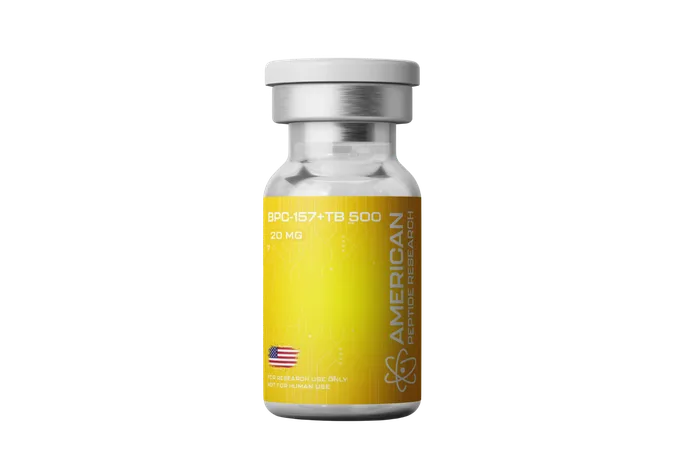
Third-party tested, made in the USA by American Peptide Research. Our link applies your discount automatically.