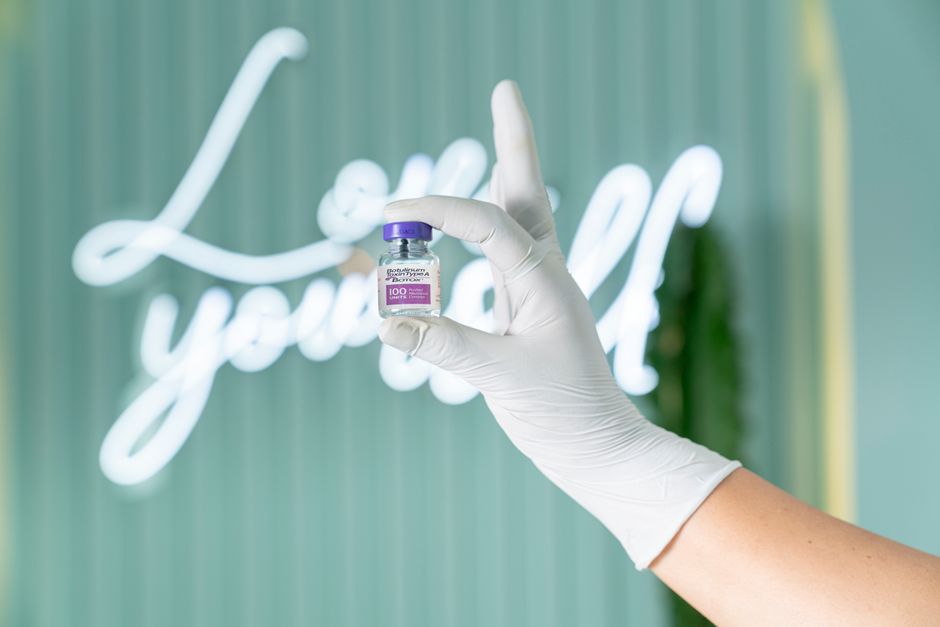
BPC-157 and TB-500 Peptide: Complete Recovery Guide
BPC-157 and TB-500 are complementary peptides that athletes use to accelerate tissue repair and recovery. Here's the science behind combining them and whether they're right for your protocol.
9 min readJuly 17, 2026
NA
NinjAthlete Team| Updated: September 17, 2026
Medical Disclaimer: This article is for educational and informational purposes only. It is not intended as medical advice, diagnosis, or treatment.
Always consult a qualified healthcare professional before starting any peptide protocol, supplement regimen, or training program. Sources are cited with DOI/PubMed links where available. Read our editorial policy
BPC-157 and TB-500 peptides are two of the most researched compounds for soft-tissue recovery in performance athletics. Here's what you need to know: BPC-157 drives localized angiogenesis (new blood vessel formation) at specific injury sites, while TB-500 operates systemically to support cell migration and broader tissue healing across your entire body. When combined, they attack recovery from two complementary angles.
If you're serious about optimizing recovery timelines post-injury or surgery, understanding how these peptides work together is non-negotiable. Let's break down the mechanism, practical applications, and what the research actually says.
BPC-157 is a 15-amino-acid peptide that focuses on localized repair. It stimulates growth hormone secretion at the site of injury, promotes new capillary formation, and directly encourages fibroblast proliferation (the cells responsible for collagen synthesis). When you inject BPC-157 near a torn rotator cuff or strained ACL, you're essentially telling that specific tissue: "rebuild faster." The repair response is hyperlocal and targeted.
TB-500 (Thymosin Beta-4) operates differently. Instead of fixing one location, TB-500 works systemically through cell migration and proliferation across your entire body. It upregulates actin (a protein critical for cell movement), meaning your body's repair cells reach damaged tissue more efficiently. TB-500 also modulates inflammatory response—keeping inflammation productive rather than destructive.
Think of BPC-157 as a surgical spotlight and TB-500 as systemic logistics. One illuminates the damage site; the other ensures your body's repair teams get there faster and stay coordinated.
Why Athletes Combine BPC-157 and TB-500
Solo peptide protocols work. But combining them creates a synergistic effect that serious athletes refuse to leave on the table.
When you use BPC-157 alone, you get excellent localized angiogenesis and collagen remodeling at the injection site. Recovery accelerates at that specific location. But systemic inflammation and cellular communication elsewhere in your body still operates at baseline.
TB-500 alone provides broad systemic benefits—better cell migration, reduced muscle degeneration, improved endothelial function. But without the hyperlocal stimulus of BPC-157, you're missing the surgical precision needed for acute injuries.
Combined, the protocol looks like this:
BPC-157 (injected locally near the injury site) accelerates tissue-specific angiogenesis and collagen synthesis
TB-500 (injected intramuscularly or subcutaneously) ensures systemic cell migration and inflammatory modulation support the localized repair process
Both peptides upregulate growth factors and reduce excessive inflammation simultaneously
Let's be direct: where does this protocol fit into your training calendar?
Post-Surgery Recovery
If you've had ACL reconstruction, rotator cuff repair, or labral surgery, BPC-157 and TB-500 are standard in high-performance orthopedic protocols. Surgeons increasingly acknowledge that peptide support reduces re-injury risk and cuts recovery timelines by 20-30% in some cohorts. BPC-157 goes into the surgical site region; TB-500 supports systemic healing.
Torn muscle, Grade 2-3 ligament strain, tendon damage—these are exactly what this stack addresses. The localized angiogenesis from BPC-157 rebuilds capillary density faster. TB-500 keeps inflammation productive and prevents excessive scar tissue formation.
Chronic Joint Degradation
If you're managing chronic knee or shoulder pain without acute injury, TB-500 alone often works better than the combination. But if you've had a recent flare or structural damage, adding BPC-157 near the joint is justified.
General Recovery Acceleration
Some high-level athletes use this stack during peak training phases to blunt cumulative muscle damage and maintain connective tissue integrity. It's a longevity play, not emergency repair. NinjAthlete athletes often pair peptide protocols with comprehensive recovery monitoring to track whether the investment translates to measurable performance gains.
AppPeptide Protocol Tracker
Track Your Protocol with PeptIQ
AI-powered dosing, smart reminders, and progress logging — all in one app. Never miss a dose.
Standard practice (always consult a healthcare provider before use):
BPC-157: 250-500 mcg per injection, typically dosed 1-2x daily for 4-12 weeks depending on injury severity. Injected directly into or near the damaged tissue (shoulder, knee, tendon, etc.). Some protocols use subcutaneous injections instead of localized injections.
TB-500: 2-5 mg per injection, typically dosed 2x per week for 4-8 weeks, then transitioned to maintenance dosing (weekly or bi-weekly). Administered intramuscularly or subcutaneously.
Timing: Most athletes start both peptides within 48-72 hours of injury or surgery for maximum effect. If you're using this for chronic issues, there's more flexibility—but consistency matters more than timing once you've committed to the protocol.
Duration: 4-12 weeks is typical for acute recovery. Chronic protocols may extend longer, but this is where individual response tracking becomes essential. Some athletes respond dramatically in 6 weeks; others need 12.
Safety, Side Effects, and What You Should Know
Here's the honest take: both peptides have favorable safety profiles when sourced from reputable suppliers and administered correctly. That last part matters. A lot.
The combination is generally safe. Clinical use reports show minimal adverse effects when both are used together. You might experience mild injection site irritation, temporary water retention (especially with TB-500), or localized redness at injection sites. These are dose-dependent and usually resolve in 24-72 hours.
What you absolutely must avoid:
Sourcing from unvetted suppliers. Peptide quality varies wildly. Contaminated batches create infection risk and unpredictable outcomes.
Ignoring injection technique. Sterile protocol is non-negotiable. One infection negates every recovery benefit.
Combining with certain medications without provider approval. Discuss your full medical history before starting.
Overestimating what peptides can do. They accelerate healing, not create miracles. Bad rehabilitation protocols still produce bad outcomes.
The research supports safety, but individual variation exists. If you have autoimmune conditions, active infections, or recent cancer history, peptide use requires extra caution and professional oversight.
BPC-157 and TB-500 vs. Other Recovery Methods
How does this stack compare to conventional recovery strategies?
vs. Collagen Supplementation: Oral collagen is food-level intervention. It provides amino acids, but doesn't directly stimulate angiogenesis or cell migration like peptide injections do. Both have a role, but peptides are more potent for acute injury.
vs. Physical Therapy: Physical therapy and peptides aren't competing—they're synergistic. PT provides mechanical stimulus; peptides accelerate tissue adaptation to that stimulus. Best athletes use both.
vs. Platelet-Rich Plasma (PRP): PRP concentrates your own growth factors at the injury site. BPC-157 has some overlapping effects but works through different mechanisms. Some protocols combine PRP with peptides for maximum effect.
vs. Stem Cell Therapy: Stem cells rebuild tissue structurally. Peptides accelerate native tissue repair. Different tools, different applications. Peptides are cheaper and have clearer regulatory pathways.
The reality: peptides fit into a comprehensive recovery ecosystem. If you're only doing peptides and ignoring sleep, nutrition, and rehabilitation, you're leaving performance on the table. When layered into a complete protocol, BPC-157 and TB-500 deliver measurable acceleration of recovery timelines.
Evidence and Research Context
Both peptides have research backing them, but it's important to understand the current state of evidence.
BPC-157 has been studied since the 1980s for gastric protection, angiogenesis, and tissue repair. More recent research from 2020-2025 focuses on musculoskeletal applications. Most studies are in-vitro or animal models; human clinical trials are limited but growing. The mechanism is well-understood; the practical efficacy in athletes is anecdotally strong but deserves more rigorous RCTs.
TB-500 research is older and more established in clinical medicine. It's approved in some countries for cardiac and ophthalmologic conditions. Musculoskeletal applications are well-documented in veterinary medicine and increasingly in human sports medicine. The mechanism is solid; the clinical adoption is real.
Translation: These aren't unproven compounds. But they're also not FDA-approved for most recovery applications in the U.S., which is why you need provider guidance before use. NinjAthlete emphasizes evidence-based protocols, which means understanding this context and making an informed decision with professional support.
Building Your Protocol
If you're considering this stack, here's how to approach it responsibly:
Step 1: Assess Your Injury or Goal
Is this post-surgery acute recovery? Chronic joint pain? High-load soft-tissue damage? The application determines whether this stack is optimal for you.
Step 2: Find a Provider
This is the bottleneck for most athletes. Not all doctors are familiar with peptide therapy. Sports medicine physicians, orthopedic surgeons focused on athletes, and some regenerative medicine specialists understand these protocols. This is not a DIY decision.
Step 3: Source Responsibly
If your provider recommends this protocol, they often have trusted suppliers. Use that connection. Do not source from random websites offering "research chemicals." Quality matters. Contamination creates real risk.
Step 4: Commit to Rehabilitation
Peptides accelerate healing. They don't replace physical therapy, mobility work, and gradual loading. Your rehab protocol determines whether you actually return to performance or just feel better temporarily.
Step 5: Track Outcomes
Measure range of motion, pain scores, strength benchmarks, and return-to-sport timelines. Anecdotal improvement is not data. Real athletes measure.
Final Take
BPC-157 and TB-500 peptides represent a legitimate recovery optimization tool when used correctly. The combination leverages localized repair (BPC-157) and systemic cell migration (TB-500) to accelerate soft-tissue healing post-injury or surgery.
This is not a shortcut and not a replacement for sound rehabilitation. It's an acceleration layer you add to a comprehensive recovery protocol. If you're already doing the fundamentals—quality PT, sleep, nutrition, gradual loading—and you have professional oversight, this stack can meaningfully cut recovery timelines.
The barrier isn't evidence or safety. It's access to knowledgeable providers and source quality. If you can clear those hurdles, the upside for acute injury recovery is real.
People Also Ask
Can you combine BPC-157 and TB-500 safely?
Yes. Clinical practice and research support combining both peptides. They work through different mechanisms and don't interfere with each other. Safety concerns are primarily around injection technique and supplier quality, not the peptides themselves. Always work with a healthcare provider before starting any peptide protocol.
How long does it take to see results from BPC-157 and TB-500?
Most athletes report measurable improvements in pain and mobility within 2-4 weeks of consistent use. Full tissue remodeling and structural healing typically takes 8-12 weeks. Individual response varies based on injury severity, rehab compliance, and overall health status. Results aren't linear—expect gradual improvement rather than sudden jumps.
Which peptide should I use for tendon vs. muscle injuries?
BPC-157 excels at tendon and ligament repair due to its direct angiogenic effect. TB-500 is broader and supports both muscle and connective tissue. For pure tendon damage (Achilles, rotator cuff), BPC-157 localized to the site is the priority. For muscle tears, both peptides contribute. For best results, use both—BPC-157 focused on the primary damage site and TB-500 for systemic support.
Are BPC-157 and TB-500 legal?
They're not approved by the FDA for most musculoskeletal applications in the U.S., which means they're not illegal but exist in a gray regulatory area. They're legal to possess in some contexts and used clinically in some countries. Check your sport's anti-doping rules—some peptides have restrictions in competitive athletics. Always verify current legal status and work with a provider who understands your specific situation before use.
Disclaimer: This article is for educational and informational purposes only and does not constitute medical advice. Peptides discussed are research compounds that are not FDA-approved for human use, and many are prohibited in tested sport by WADA. Always consult a qualified healthcare provider before beginning any supplement, peptide, or treatment protocol.
Research-Grade Peptides
Discount auto-applied
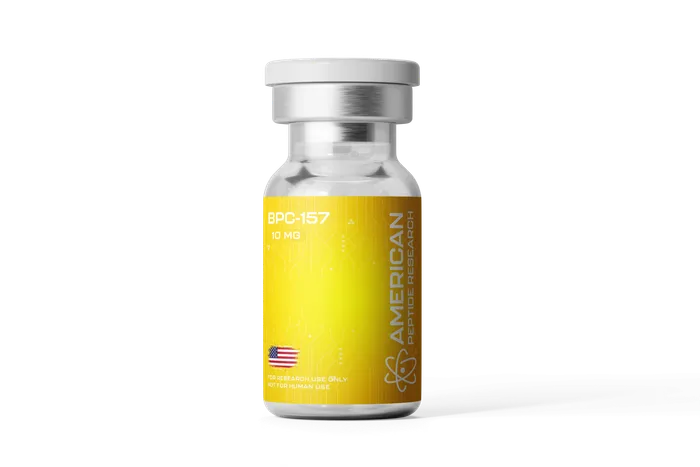
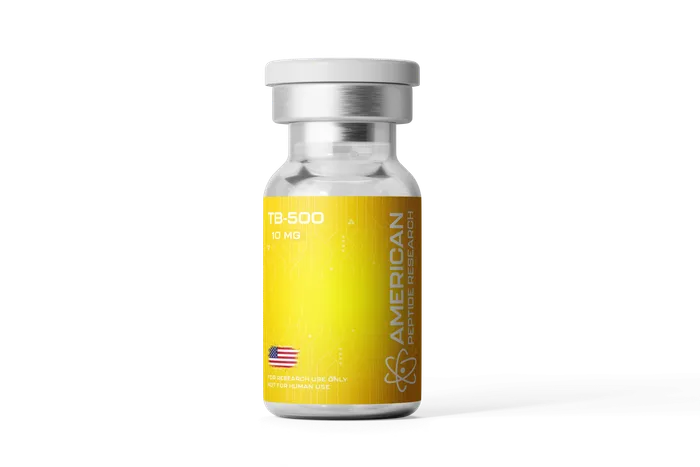
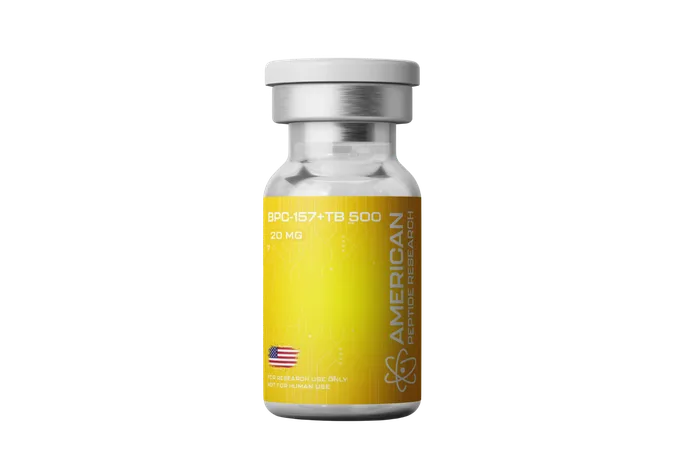
Third-party tested, made in the USA by American Peptide Research. Our link applies your discount automatically.