PDA Peptide vs BPC-157: Which Recovery Peptide Wins?
PDA peptide and BPC-157 are functionally identical, but PDA's arginate salt formulation offers 1,000x better stability. Here's what serious athletes need to know about choosing between them for recovery and tissue healing.
7 min readAugust 17, 2026
NA
NinjAthlete Team| Updated: September 17, 2026
Medical Disclaimer: This article is for educational and informational purposes only. It is not intended as medical advice, diagnosis, or treatment.
Always consult a qualified healthcare professional before starting any peptide protocol, supplement regimen, or training program. Sources are cited with DOI/PubMed links where available. Read our editorial policy
Here's the direct answer: PDA peptide and BPC-157 are chemically almost identical, but PDA is a rebranded arginate salt formulation with significantly superior stability. For athletes prioritizing recovery and tissue healing, this stability difference could mean the real deal when it comes to consistent results and shelf life.
If you're chasing measurable performance gains and tissue integrity matters to your training, understanding the difference between these two recovery peptides isn't optional. Let's break down what makes them similar, what sets them apart, and which one actually makes sense for your recovery protocol.
Not exactly, but they're close enough that most athletes treat them as functionally equivalent. Both peptides share the same core pentadecapeptide sequence, meaning they trigger similar healing cascades in your body. You'll get comparable benefits for accelerated tissue repair, reduced inflammation, and improved mobility.
The key distinction? PDA is formulated as an arginate salt version of BPC-157, which changes how stable and bioavailable it is. Think of it like the difference between a generic medication and a patented formulation—same active ingredient, better delivery.
Research supports therapeutic potential for both compounds in tissue repair and recovery, with peer-reviewed studies documenting 31+ citations on BPC-157's mechanisms. When you're evaluating recovery protocols at NinjAthlete, this evidence base matters.
The Stability Game-Changer: Why PDA Wins on Paper
Here's where the two diverge meaningfully. PDA demonstrates roughly 1,000x greater stability compared to BPC-157 acetate at pH 3.0 conditions. That's not hype—that's a massive practical advantage.
Why does stability matter? Simple. If your peptide degrades in storage or in your system before it reaches target tissues, you're wasting money and missing recovery gains. Better stability means:
Longer shelf life without refrigeration complexity
More predictable dosing over time
Potentially improved bioavailability once absorbed
Cost efficiency if you're buying in bulk
For serious athletes managing multiple recovery modalities, this translates to fewer variables in your protocol. You need consistency, and PDA's formulation delivers it.
Shared Benefits: Where They Converge
Both PDA and BPC-157 support the same core recovery outcomes. You're looking at:
Accelerated healing of damaged connective tissue
Reduced systemic inflammation post-training
Enhanced joint function and mobility
Improved tissue integrity in high-stress areas (elbows, shoulders, knees)
Athletes report particular effectiveness for nagging joint pain—especially in the elbows and shoulders, which take constant punishment in compound movements. The mechanism isn't magic; both peptides appear to promote cellular repair pathways that tissue actually responds to.
The practical reality: if you've seen results from BPC-157, PDA will likely deliver the same outcomes with better stability. If you're starting fresh, the superior formulation of PDA gives you an edge.
Which One Should You Actually Use?
Here's the honest take. If stability, shelf life, and consistent dosing matter to your protocol—and they should—PDA is the smarter choice. The arginate salt formulation represents genuine optimization, not rebranding for the sake of marketing.
That said, both peptides are functional for recovery. Your decision depends on:
Your storage and handling preferences
The source quality (this matters more than the peptide choice)
Your budget (check pricing—sometimes BPC-157 is cheaper upfront)
Your recovery timeline (faster tissue response may favor PDA's bioavailability)
If you're designing a recovery protocol that integrates peptides with HYROX training, mobility work, and nutritional optimization, NinjAthlete offers science-backed guides on peptide timing and stacking that walk through these variables in detail.
Dosing and Protocol Considerations
Both peptides follow similar dosing patterns, typically 250-500 mcg daily, though individual response varies. The stability advantage of PDA might mean you can dose less frequently with consistent results, but that's individual.
Real talk: protocol consistency matters more than peptide choice. Whether you're using PDA or BPC-157, you need:
Consistent timing (usually post-training or before bed)
Sustained use over 8-12 weeks minimum for measurable tissue changes
Complementary recovery work (mobility, sleep, protein intake)
Blood work tracking if you're stacking multiple compounds
Athletes who refuse to settle for average track their results. Document your baseline tissue function, run your protocol, then reassess at 8 and 12 weeks. That's how you know if PDA or BPC-157 (or any recovery tool) actually works for your specific situation.
AppPeptide Protocol Tracker
Track Your Protocol with PeptIQ
AI-powered dosing, smart reminders, and progress logging — all in one app. Never miss a dose.
Myth 1: One is "stronger" than the other. No. Same pentadecapeptide sequence means identical potency at the receptor level. PDA's advantage is stability, not strength.
Myth 2: You need to refrigerate PDA. Not necessarily. The stability advantage means room temperature storage is typically fine, depending on your formulation source.
Myth 3: BPC-157 is cheaper so it's inferior. Wrong logic. Pricing depends on supply chain and formulation, not efficacy. Cheaper doesn't mean worse if the source is quality.
Myth 4: One peptide replaces physical recovery. Both fail if you're skipping sleep, eating garbage, or training recklessly. Peptides enhance recovery—they don't fix fundamentals.
What Athletes Actually Report Using
In the community, you'll see both peptides used successfully. PDA is gaining traction among biohackers who prioritize formulation quality and stability. BPC-157 remains popular because it's been researched longer and pricing is sometimes competitive.
The real differentiator isn't the peptide—it's your source quality. A sketchy PDA batch will underperform versus legitimate BPC-157. Source matters more than the compound name.
That's why evaluating peptide protocols at NinjAthlete includes vetting your supplier, understanding formulation specs, and tracking outcomes. Data beats assumptions every time.
Integration With Your Training Program
Peptides don't exist in isolation. They're one lever in a recovery system that includes training programming, nutrition, sleep, and mobility work. Whether you choose PDA or BPC-157, integrate it thoughtfully:
Time peptide administration around your hardest training days
Pair with collagen supplementation for synergistic connective tissue support
Maintain disciplined sleep (7-9 hours minimum) so recovery pathways activate
Track mobility improvements in problem areas (shoulders, elbows, knees)
For HYROX athletes specifically, this matters because the sport punishes movement quality. If peptides help you maintain tissue integrity across 8+ obstacle stations, the investment pays dividends in consistency and longevity.
The Bottom Line for Performance Athletes
PDA peptide wins on formulation optimization. The 1,000x stability advantage is real, and it translates to better shelf life and potentially more consistent dosing. If you value predictability and long-term protocol reliability, PDA is worth the consideration.
But—and this matters—BPC-157 is still effective. Your choice comes down to source quality, pricing, and whether stability is a priority in your recovery system. Both peptides are functionally capable of supporting tissue healing and accelerated recovery.
What you can't skip is consistency, tracking, and integration with legitimate training and nutrition. If you're ready to design a recovery protocol that actually sticks and delivers measurable outcomes, start with NinjAthlete's science-backed guides on peptide optimization and performance recovery. We walk through timing, dosing, stacking, and outcome tracking so you know exactly what's working.
What's the main difference between PDA and BPC-157?
PDA is a chemically optimized arginate salt formulation of BPC-157. They share the same core pentadecapeptide sequence, so they're functionally identical for tissue repair and healing. The key difference is stability: PDA is reportedly 1,000x more stable than BPC-157 acetate, meaning better shelf life and potentially more consistent dosing for athletes.
Is PDA better than BPC-157 for athletic recovery?
Not necessarily "better"—just optimized differently. Both support accelerated tissue healing, reduced inflammation, and improved mobility. PDA's superiority lies in formulation stability and consistency, not raw efficacy. If you source high-quality PDA, you get the same recovery benefits with better shelf life. Real talk: source quality matters more than the peptide name.
How long does it take to see recovery benefits from either peptide?
Most athletes report measurable improvements in mobility and tissue function within 6-8 weeks of consistent use. Some notice reduced joint pain within 2-3 weeks. Results vary based on the severity of your injury, training intensity, sleep quality, and nutrition. Tracking your baseline mobility before starting is essential to prove protocol effectiveness.
Can you stack PDA and BPC-157 together?
Technically possible, but unnecessary. Since they're functionally identical, stacking them wastes money without additive benefit. Instead, stack peptides with different mechanisms—like combining BPC-157 or PDA with collagen peptides or other tissue-support compounds. That creates complementary recovery pathways rather than redundant ones.
Disclaimer: This article is for educational and informational purposes only and does not constitute medical advice. Peptides discussed are research compounds that are not FDA-approved for human use, and many are prohibited in tested sport by WADA. Always consult a qualified healthcare provider before beginning any supplement, peptide, or treatment protocol.
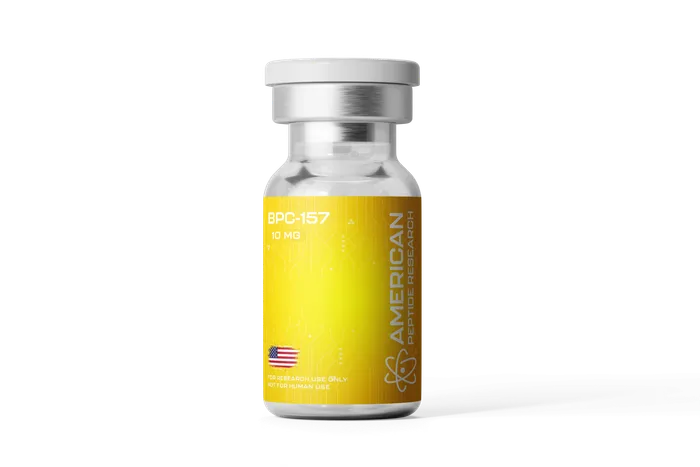
Research-Grade Peptides
Discount auto-applied
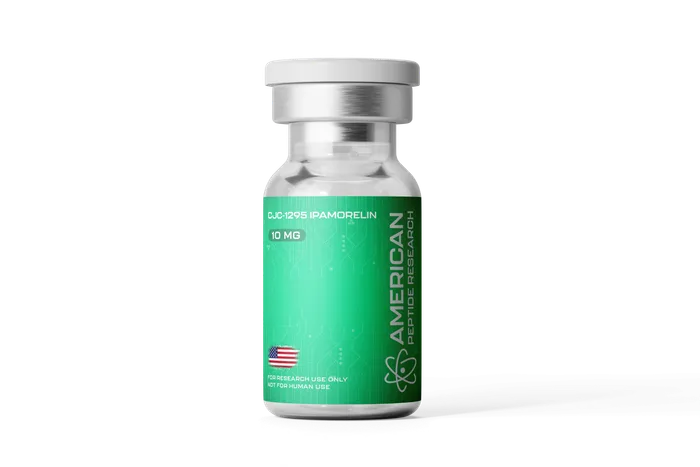
Third-party tested, made in the USA by American Peptide Research. Our link applies your discount automatically.