Blood Tests Before Peptides: The Complete Pre-Protocol Lab Guide
Which biomarkers to check before BPC-157, Retatrutide, or MK-677 — plus where to order labs without a doctor.
Key Takeaways
Before starting any peptide protocol—whether it's BPC-157 for healing, Retatrutide for fat loss, or MK-677 for growth hormone—baseline bloodwork is non-negotiable.
- Essential markers for everyone: CMP, CBC, lipid panel, liver enzymes, fasting insulin, HbA1c
- GH peptide users add: IGF-1, fasting glucose (critical for MK-677, Ipamorelin, CJC-1295)
- Metabolic peptide users add: Full thyroid panel, ApoB, inflammatory markers
- Cost: $75–400 depending on panel comprehensiveness
- No doctor required: Direct-to-consumer services let you order your own labs
You wouldn't start a road trip without checking your fuel gauge. So why would you start injecting peptides without knowing your baseline health markers?
Blood testing before peptide use isn't just about safety—it's about optimization. Without baseline data, you can't measure whether your protocol is actually working. You can't identify potential issues before they become problems. And you can't make informed adjustments to dosing or timing.
New to peptides? Start with our Complete Peptide Guide 2026 for a comprehensive overview of every compound, or check out Are Peptides Steroids? to understand the critical differences.
Why Blood Testing Matters Before Peptides
Peptides interact with your body's existing biochemistry. Their effects—and potential side effects—depend heavily on your current metabolic state.
Consider MK-677 (Ibutamoren): it raises growth hormone and IGF-1, but it also elevates fasting glucose. If your blood sugar is already borderline high, this could push you into pre-diabetic territory. Without baseline testing, you'd never know until symptoms appeared. Read our complete MK-677 guide for dosing protocols.
Or take Retatrutide: it's a triple agonist affecting GLP-1, GIP, and glucagon receptors. Understanding your baseline insulin sensitivity, thyroid function, and lipid markers helps you track the profound metabolic changes this peptide induces. Learn more in our Retatrutide longevity guide.
Even "safe" peptides like BPC-157 warrant baseline testing. Not because BPC-157 is dangerous—it has an excellent safety profile—but because healing peptides can mask underlying issues. See our BPC-157 dosage guide for protocol details.
The Essential Baseline Panel (Everyone)
Regardless of which peptide you're using, these markers form your foundation:
Metabolic Health
- Fasting Glucose: Blood sugar control baseline. Critical for GH peptides.
- Fasting Insulin: Reveals insulin resistance before glucose goes high.
- HbA1c: 3-month average blood sugar. More stable than single glucose readings.
- HOMA-IR: Calculated from glucose and insulin. Best single marker for insulin sensitivity.
Liver Function
- ALT (Alanine Aminotransferase): Most specific liver enzyme. Should be under 30 U/L for optimal health.
- AST (Aspartate Aminotransferase): Liver and muscle marker. Elevated with intense training or liver stress.
- GGT (Gamma-Glutamyl Transferase): Sensitive to liver inflammation and alcohol. Often the first to rise.
Kidney Function
- BUN (Blood Urea Nitrogen): Protein metabolism and kidney filtration.
- Creatinine: Kidney filtration rate. Can be elevated in muscular individuals.
- eGFR: Estimated glomerular filtration rate. Best overall kidney function marker.
Lipid Panel
- Total Cholesterol: Less important than the breakdown below.
- LDL-C: "Bad" cholesterol. Context matters—particle size is more important.
- HDL-C: "Good" cholesterol. Higher is generally better.
- Triglycerides: Carb/sugar metabolism marker. Should be under 100 mg/dL.
- ApoB: The most important cardiovascular marker. Measures actual atherogenic particles.
Complete Blood Count (CBC)
- Red Blood Cells, Hemoglobin, Hematocrit: Oxygen-carrying capacity.
- White Blood Cells: Immune function baseline.
- Platelets: Clotting function.
Inflammatory Markers
- hs-CRP (High-Sensitivity C-Reactive Protein): Systemic inflammation. Should be under 1.0 mg/L.
- ESR (Erythrocyte Sedimentation Rate): Non-specific inflammation marker.
Peptide-Specific Testing
Healing Peptides: BPC-157 + TB-500
The Wolverine Complex (BPC-157 + TB-500 stack) has a favorable safety profile, but baseline testing still matters. Read our full Wolverine Complex guide for stacking protocols.
Additional markers to add:
- Iron Panel (Ferritin, TIBC, Serum Iron): TB-500 may affect blood vessel formation. Baseline iron status helps monitor this.
- VEGF (if available): Both peptides affect angiogenesis. Useful for tracking but not essential.
GH Secretagogues: MK-677, Ipamorelin, CJC-1295, Sermorelin
Growth hormone-releasing peptides require more comprehensive monitoring because they affect glucose metabolism, IGF-1 levels, and can influence tumor growth markers.
Critical additions for MK-677, Ipamorelin, and CJC-1295:
- IGF-1: Primary marker for GH activity. This is non-negotiable. Track before and during use.
- Fasting Glucose (repeated): MK-677 particularly can raise glucose. Test baseline and at 4-week intervals.
- Fasting Insulin: Pair with glucose to calculate HOMA-IR.
- Prolactin: Some GH peptides can affect prolactin. Get a baseline.
- Cortisol (AM): GH secretagogues interact with the HPA axis.
Why IGF-1 matters: If your IGF-1 doesn't increase on a GH secretagogue, either your peptide is underdosed, degraded, or your pituitary isn't responding. Our CJC-1295 + Ipamorelin guide covers expected IGF-1 responses.
Metabolic Peptides: Retatrutide, Tirzepatide, Semaglutide
Retatrutide and similar GLP-1 agonists cause profound metabolic changes. Comprehensive baseline testing is essential. Our Retatrutide cancer prevention research article covers the science behind its tumor-suppressive effects.
Critical additions:
- Full Thyroid Panel: TSH, Free T3, Free T4, Reverse T3. These peptides affect thyroid function.
- Leptin: Satiety hormone. Tracks metabolic adaptation.
- Adiponectin (if available): Insulin sensitivity marker from fat tissue.
- Uric Acid: Rapid weight loss can elevate uric acid. Baseline helps monitor gout risk.
- Vitamin B12: GLP-1 agonists can reduce B12 absorption over time.
- Electrolytes (Sodium, Potassium, Magnesium): Important with reduced food intake.
Anti-Aging & Longevity: MOTS-C, Epitalon, GHK-Cu
For longevity-focused peptides, broader biomarker panels help track systemic effects. See our guides on MOTS-C benefits and Epitalon & telomeres.
Consider adding:
- Homocysteine: Cardiovascular and methylation marker.
- Vitamin D (25-OH): Foundational health marker.
- Omega-3 Index: Inflammation and cell membrane health.
- Complete Hormone Panel: Testosterone, estradiol, DHEA-S, cortisol.
Where to Get Tested: Best Direct-to-Consumer Options
You don't need a doctor's appointment or insurance to get comprehensive blood testing. These services let you order labs directly:
Best for: Peptide users & serious biohackers
1. Marek Diagnostics
Founded by people in the optimization community. Offers panels specifically designed for hormone optimization and peptide monitoring. 85–100+ marker panels available.
$200–500
Quest Diagnostics
3–7 days
Best for: Budget-conscious with max coverage
2. Ulta Lab Tests
Up to 90% off retail pricing. Huge selection of individual tests and panels. Great for building custom panels.
$50–300
Quest Diagnostics
2–5 days
Best for: Longevity + supplement guidance
3. Life Extension
Established company with 40+ years in longevity research. Includes free consultations with Wellness Specialists to interpret results.
$75–400
LabCorp
3–5 days
Best for: Athletes wanting ongoing tracking
4. InsideTracker
AI-powered analysis with personalized recommendations. Tracks biological age. Best interface for monitoring trends over time.
$200–600
Quest Diagnostics
5–7 days
State Restrictions
Direct-to-consumer lab testing is restricted in New York, New Jersey, and Rhode Island. Residents of these states may need to use mobile phlebotomy services, order through a physician, or travel to a neighboring state for testing.
Step-by-Step: How to Order Your Labs
Interpreting Your Results: Optimal vs. "Normal"
Lab reference ranges are based on population averages—including sick people. "Normal" doesn't mean optimal.
| Marker | Lab "Normal" | Optimal Range |
|---|---|---|
| Fasting Glucose | 65–99 mg/dL | 75–90 mg/dL |
| Fasting Insulin | 2.6–24.9 μIU/mL | 2–6 μIU/mL |
| HbA1c | 4.0–5.6% | 4.5–5.2% |
| ALT | 7–56 U/L | Under 25 U/L |
| Triglycerides | Under 150 mg/dL | Under 80 mg/dL |
| HDL-C | Over 40 mg/dL (men) | Over 55 mg/dL |
| hs-CRP | Under 3.0 mg/L | Under 1.0 mg/L |
| IGF-1 | Age-dependent | 150–250 ng/mL (adults) |
When to Retest
- Baseline: Before starting any peptide protocol
- Week 4–6: First follow-up. Check for early changes, especially glucose and liver enzymes.
- Week 12: Comprehensive retest. Compare all markers to baseline.
- Quarterly: Ongoing monitoring during extended protocols.
- Post-protocol: 4–6 weeks after stopping to confirm return to baseline.
For GH secretagogues like MK-677, monitor glucose and IGF-1 more frequently—every 4 weeks initially. Women should also review our Peptides for Women guide for gender-specific timing considerations.
Red Flags: When to Stop and Reassess
Stop your peptide protocol and consult a healthcare provider if you see:
- Liver enzymes (ALT/AST) rising above 2x upper limit
- Fasting glucose consistently above 100 mg/dL
- IGF-1 above 350 ng/mL (potential long-term risks)
- Significant kidney function decline (eGFR dropping)
- New or worsening symptoms that correlate with lab changes
For more on peptide safety, see Why Mixing Peptides Sabotages Results and our guide to reconstituting peptides properly.
Frequently Asked Questions
What blood tests should I get before starting peptides?
Do I need a doctor to order blood tests for peptides?
How much does pre-peptide blood testing cost?
Should I get blood work before taking BPC-157?
What blood tests are needed before Retatrutide?
How often should I retest blood markers while on peptides?
What is the best direct-to-consumer blood testing service?
Do I need to fast before peptide blood tests?
The Bottom Line
Blood testing before peptides isn't optional—it's the difference between informed biohacking and guesswork.
At minimum, every peptide user should have:
- Complete metabolic panel (CMP)
- Complete blood count (CBC)
- Lipid panel with ApoB
- Fasting insulin and HbA1c
- Liver enzymes (ALT, AST, GGT)
Add IGF-1 for GH peptides, thyroid panel for metabolic peptides, and inflammatory markers if budget allows.
Total cost for comprehensive baseline testing: $150–400 through direct-to-consumer services. That's a small investment for the peace of mind and optimization data you'll get in return.
Once you have your baseline, you're ready to start your protocol. Check out our guides on the Wolverine Complex (BPC-157 + TB-500), Retatrutide, or how to properly reconstitute your peptides.
Ready to Start Your Protocol?
Get research-grade peptides from a trusted source. Use code NINJA for 25% off at American Peptide Research.
Popular stacks:
- Recovery & Repair Stack (BPC-157 + TB-500)
- Growth Stack
- Fat Loss Stack
- Biohacker's Favorite Stack
Related Guides
BASELINE TESTING: WHERE TO START
Before starting any peptide protocol, baseline bloodwork and genetic testing aren't optional — they're essential. These are the tools we recommend for a data-driven approach.
10X Health Blood Test
RecommendedThe gateway to functional medicine. A full-panel blood test covering hormones, metabolic markers, and inflammation — with a 1:1 provider consult and personalized protocols.
Why This Matters for Peptide Users
Before starting any peptide protocol, you need baseline labs for IGF-1, testosterone, thyroid, metabolic panel, and inflammatory markers. This test covers all of them — plus you get a licensed provider to review your results.
10X Health Genetic Test
44% of the population has a genetic mutation affecting the 5-MTHFR gene. This at-home swab test analyzes your major actionable genes to reveal nutrient deficiencies, methylation issues, and why supplements may not be working.
Why This Matters for Peptide Users
Genetic mutations can affect how your body methylates and processes peptides. If your MTHFR gene is mutated, you may not be converting nutrients properly — impacting peptide efficacy and recovery.
10X Precision Genetics
Your body is different from anyone else's. Precision genetics maps your unique nutritional needs — showing exactly which macro ratios, vitamins, and supplements your genes respond to best. Includes a 300-page personalized report.
Why This Matters for Peptide Users
Peptide protocols work best when your nutrition is dialed in. If you're eating the wrong macros for your genetics, your body can't fully support the repair and growth signals peptides trigger.
Superhuman Protocol
A 3-step biohacking system using magnetism (PEMF), oxygen (EWOT), and light (photobiomodulation). Designed to restore cellular function, boost circulation by up to 900%, and accelerate recovery.
Why This Matters for Peptide Users
Enhanced circulation from PEMF and oxygen therapy means peptides reach target tissues faster and more efficiently. Light therapy synergizes with BPC-157 and TB-500's tissue repair mechanisms.
Affiliate links — NinjAthlete may earn a commission at no extra cost to you.
Research-Grade Peptides
Discount auto-appliedThird-party tested, made in the USA by American Peptide Research. Our link applies your discount automatically.
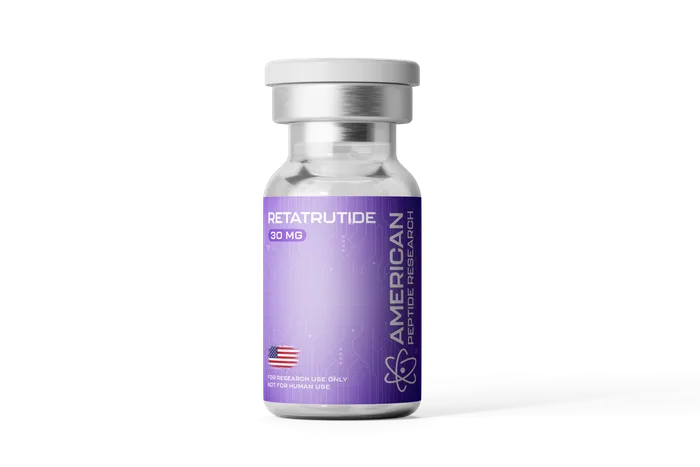
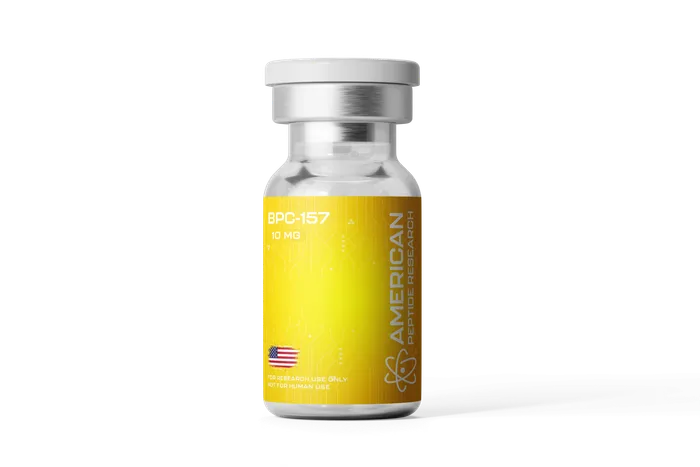
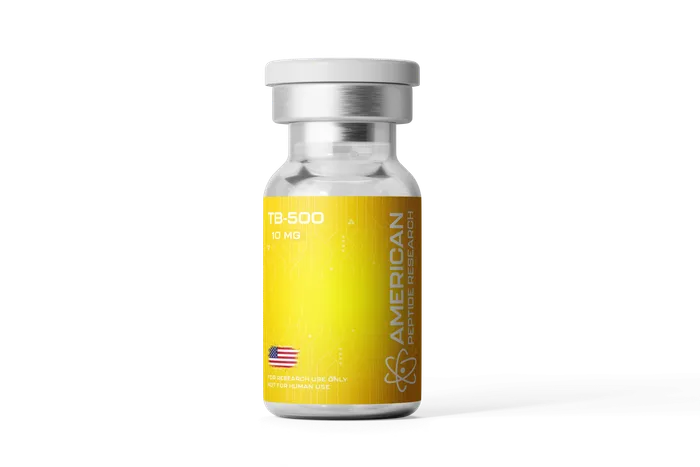
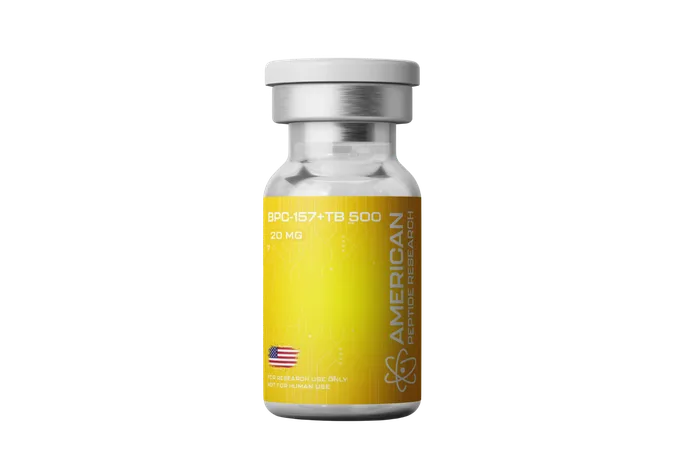
Affiliate links. For research use only — not for human consumption.
Track Your Protocol with PeptIQ
AI-powered dosing, smart reminders, and progress logging — all in one app. Never miss a dose.
YOUR POST-TRAINING ROUTINE
Make room for recovery.
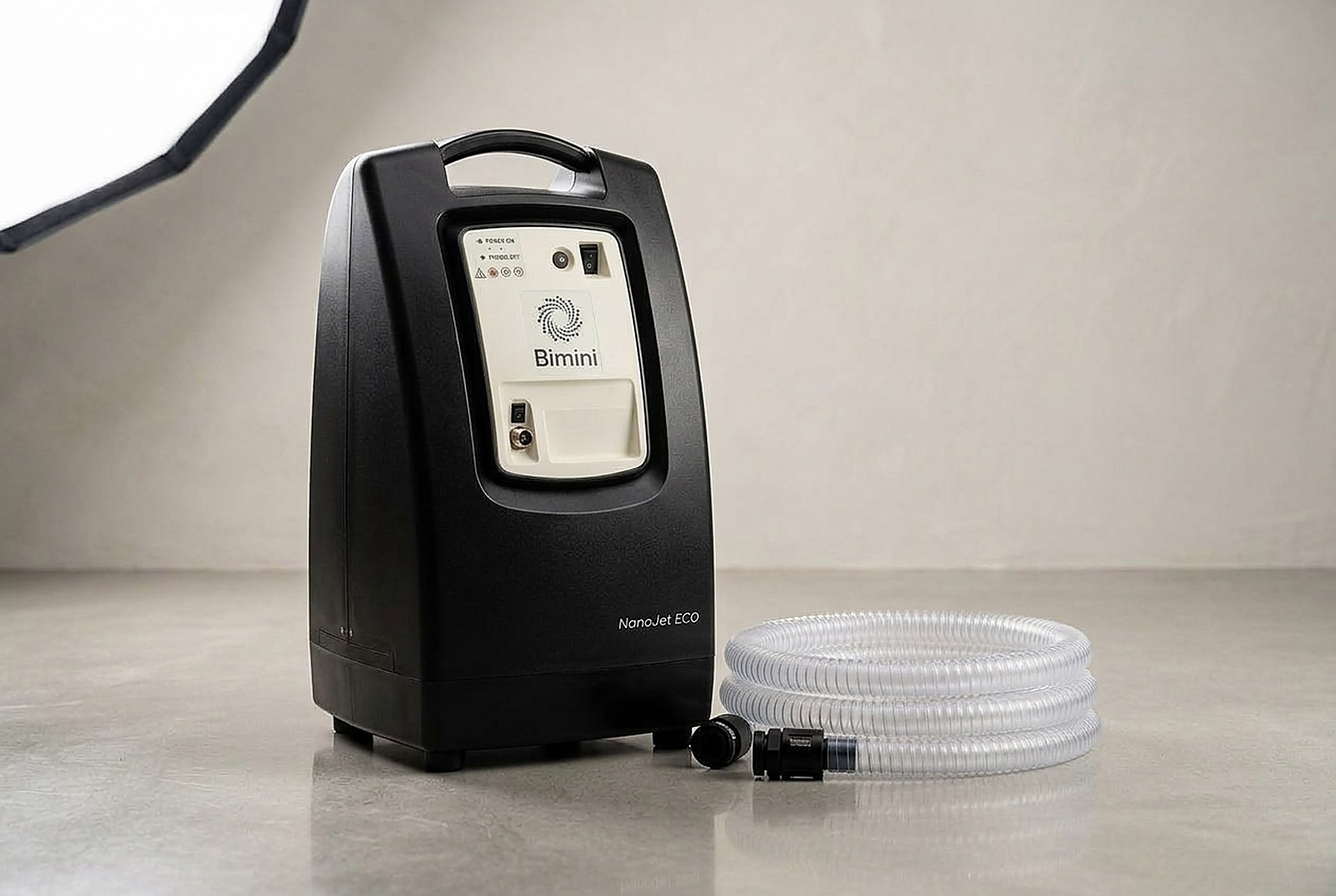
Get to know Bimini’s warm-water nanobubble system. Compare home options and see how the setup fits your routine.
Bimini NanoJet® Eco
$9,650.00$8,685.00
With NINJA • Before shipping and tax. Final offer confirmed by Bimini.
Partner offer: Daniel Rivas, NinjAthlete’s founder, is Bimini’s marketing director. NinjAthlete may earn a commission from purchases through these links.
Was this article helpful?
AI Picks For You
AI Curated
The Complete Peptide Guide 2026: Protocols for Recovery, Fat Loss, Performance & Longevity
Peptide Side Effects: What the Research Actually Says (BPC-157, TB-500, GHK-Cu & More)

MK-677 (Ibutamoren): Dosage, Benefits, Cycle & Side Effects

BPC-157: The Athlete's Recovery Peptide That's Changing the Game
Recommended Reading
 LongevityTop Match
The Longevity Blueprint: 8 Science-Backed Habits + Biohacking Stack
A landmark study of 719,147 veterans found that 8 specific habits can add up to 24 years to your lifespan. Here is the science, the habits, and the biohacking stack.
PeptidesTop MatchThe Complete Peptide Guide 2026: Protocols for Recovery, Fat Loss, Performance & Longevity
Science-backed peptide protocols for recovery, fat loss, performance & longevity. BPC-157, TB-500, MK-677, Retatrutide & more.
PeptidesTop MatchMK-677 (Ibutamoren): Dosage, Benefits, Cycle & Side Effects
MK-677 dosage (10-25 mg/day), how and when to take ibutamoren, benefits, cycle length, side effects, and whether it's a SARM. Commonly reported protocols, sourced.
PeptidesTop MatchBPC-157: The Athlete's Recovery Peptide That's Changing the Game
From torn tendons to gut healing, BPC-157 is the most researched recovery peptide in biohacking. Here's what the science says and how athletes are using it.
 PeptidesTop Match
Retatrutide Is a Longevity Weapon: Epigenetic Reversal, Cancer Defense & The Science
Retatrutide reverses epigenetic age by 2.3 years, activates autophagy in brain and liver cells, and disrupts cancer metabolism. Evidence-based breakdown of the triple-agonist longevity science.
 PeptidesTop Match
BPC-157 Dosage Guide: Chart by Goal & Body Weight
How much BPC-157 to take: full dosage chart by goal and body weight, oral vs injectable, cycle length, timing, side effects and legal status. Commonly reported, sourced.