The Complete
Peptide Guide 2026
Science-backed protocols for recovery, fat loss, performance, and longevity. Everything you need to start, stack, and optimize your peptide therapy — from someone who actually uses them.
Quick Summary
- Peptides are short amino acid chains that signal your body to heal, rebuild, or optimize
- BPC-157 + TB-500 = best recovery stack (the Wolverine Complex)
- GH peptides work best pre-sleep on an empty stomach
- Never mix peptides in the same syringe — different pH = denaturation
- Always get baseline bloodwork before starting any protocol
- Retatrutide Phase 3: 28.7% weight loss at 68 weeks (highest ever recorded)
- Quality source matters — use third-party tested peptides with CoA
- WADA bans BPC-157, TB-500 — competitive athletes take note
What Are Peptides?
Peptides are short chains of amino acids — the same building blocks as proteins, but smaller and more targeted. While proteins like collagen contain hundreds of amino acids, peptides typically contain 2 to 50. This compact structure lets them act as precise biological messengers, crossing cell membranes and triggering specific physiological responses that larger proteins can't.
Unlike anabolic steroids, peptides don't override your body's natural hormonal systems. They work with your biology — stimulating growth hormone release, accelerating tissue repair, enhancing fat metabolism, or modulating inflammation through your body's own signaling pathways.
- Signal GH release from pituitary (natural pulse)
- Accelerate localized tissue repair
- Enhance fat oxidation via lipolysis pathways
- Stimulate collagen synthesis
- Modulate inflammation (up or down)
- Support mitochondrial biogenesis
- Improve insulin sensitivity
- Replace testosterone or suppress HPTA
- Work without proper training & nutrition
- Produce steroid-like muscle mass overnight
- Eliminate the need for bloodwork monitoring
- Work if improperly reconstituted/stored
- All work the same — peptides are highly specific
Browse Peptides by Goal
Select your primary objective to see the most relevant peptides.
The most researched healing peptide. 15 amino acids extracted from human gastric juice. Works by upregulating VEGF and accelerating angiogenesis at injury sites.
Systemic healing peptide derived from Thymosin Beta-4. Promotes cell migration to injury sites, reduces inflammation, and improves flexibility. Pairs perfectly with BPC-157.
Oral GH secretagogue that mimics ghrelin. Stimulates pulsatile GH release, raises IGF-1, and promotes deep sleep. One of the most convenient performance peptides.
The most powerful fat loss peptide in clinical trials. Triple receptor agonist (GLP-1, GIP, glucagon). Phase 3 TRIUMPH-4 trial: 28.7% average weight loss at 68 weeks.
Mitochondria-encoded peptide that activates AMPK. Increases ATP production by 40%, doubles running capacity in studies. An "exercise mimetic" for metabolic health and longevity.
HGH fragment targeting fat metabolism without GH's blood sugar side effects. 925 patients studied in 6 clinical trials. Stimulates lipolysis, inhibits lipogenesis.
The gold standard GH optimization stack. CJC-1295 (GHRH analog) + Ipamorelin (ghrelin mimetic) mimic the body's natural pulsatile GH sequence for clean, controlled elevation.
Naturally occurring copper-binding tripeptide that activates over 4,000 genes. Stimulates collagen, elastin, and VEGF. The cornerstone of evidence-based longevity peptide therapy.
Get the Complete Peptide Protocol PDF
Dosing charts, timing schedules, reconstitution guide, and stack protocols — all in one printable PDF. Free for NinjAthlete readers.
No spam. Unsubscribe anytime. Your info is never sold.
Peptide Deep Dives
BPC-157 — The Wolverine Peptide
BPC-157 is a synthetic 15-amino acid peptide derived from human gastric juice protein. What makes it uniquely powerful for athletes is its chemical stability — unlike most peptides, BPC-157 remains active even in gastric acid, meaning it can be taken orally. But subcutaneous injection near the injury site produces superior localized repair effects.
Mechanism of Action
BPC-157 significantly increases the expression of Vascular Endothelial Growth Factor (VEGF), triggering the formation of new capillaries in damaged tissue. This enhanced blood flow is the core driver of its healing effects across muscle, tendon, ligament, bone, and gut tissue.
Unlike anabolic compounds, BPC-157 doesn't override your body's natural systems — it enhances and supports them. This means faster recovery without suppression, hormonal disruption, or toxicity.
Dosing Protocol
| Method | Dose | Frequency | Best For |
|---|---|---|---|
| SubQ (localized) | 250–500mcg | Once daily | Acute injury repair |
| SubQ (systemic) | 250mcg | Once daily | General recovery |
| Oral (capsule) | 500–1000mcg | Once daily | Gut health / systemic |
| IM (near injury) | 250–500mcg | Once daily | Deep tissue/muscle |
- BPC-157 + TB-500 (different pH, causes precipitation — use separate injections 4+ hours apart)
- BPC-157 + Ipamorelin/CJC-1295 (different pH stability, different signaling purposes)
TB-500 — Systemic Healing
TB-500 is a synthetic version of Thymosin Beta-4, a naturally occurring peptide that plays a crucial role in protection, regeneration, and remodeling of injured or damaged tissues. While BPC-157 excels at localized repair, TB-500's power is its systemic reach — it promotes healing throughout the entire body from a single injection site.
Key Benefits
TB-500 promotes cell migration to injury sites (critical for tissue repair), modulates inflammatory cytokines, improves muscle and connective tissue flexibility, and has demonstrated cardiac protective effects in research models.
The Wolverine Complex: BPC-157 + TB-500
The combination of BPC-157 and TB-500 — known as the Wolverine Complex — is the most popular recovery stack in peptide therapy. BPC-157 handles localized, targeted repair while TB-500 covers systemic healing. They complement each other through entirely different mechanisms, which is exactly why you should never mix them in the same syringe.
Maintenance (Weeks 3–6): BPC-157 250mcg daily + TB-500 2mg 2x/week
Taper (Weeks 7–8): BPC-157 250mcg EOD + TB-500 2mg 1x/week
MK-677 — Oral GH Secretagogue
MK-677 is unique: it's technically not a peptide, but a non-peptide growth hormone secretagogue that mimics ghrelin and binds to ghrelin receptors in the brain. The result is a sustained, pulsatile increase in GH and IGF-1 levels — orally, without injections. For athletes looking to optimize recovery, body composition, and sleep quality, MK-677 delivers a compelling combination of benefits.
Critical Monitoring: Blood Glucose
Retatrutide — The Fat Loss Revolution
Retatrutide is in a class of its own. As a triple agonist targeting GLP-1, GIP, and glucagon receptors simultaneously, it produces fat loss results that dwarf every other compound ever studied in clinical trials.
TRIUMPH-4 Phase 3 Trial (December 2025)
The December 2025 TRIUMPH-4 results confirmed 28.7% average weight loss at 68 weeks on the 12mg dose — the highest ever recorded in obesity trials. Pain relief was also significant, with 76% improvement in knee osteoarthritis. Seven more Phase 3 readouts are expected in 2026, with potential FDA approval targeted for mid-2026.
MOTS-c — The Mitochondrial Peptide
MOTS-c is one of the most scientifically fascinating peptides discovered in the last decade. It's encoded in the mitochondrial genome — not the nuclear DNA — and acts as a direct messenger from your mitochondria to the nucleus, regulating gene expression for energy, aging, and metabolic health. Studies published in Cell Metabolism and Nature Communications show MOTS-c expression increases nearly 12-fold in skeletal muscle during exercise.
AOD-9604 — Targeted Fat Burning
AOD-9604 is a fragment of human growth hormone (amino acids 176–191) that was specifically engineered to capture HGH's fat-burning properties without its metabolic side effects. It stimulates lipolysis (fat breakdown) and inhibits lipogenesis (fat storage) without affecting blood glucose or IGF-1 levels — a clean metabolic tool.
CJC-1295 + Ipamorelin
CJC-1295 (a GHRH analog) and Ipamorelin (a ghrelin mimetic) work through two complementary mechanisms to produce a clean, amplified GH pulse. CJC-1295 signals the pituitary to produce more GH; Ipamorelin mimics the ghrelin signal that triggers its release. Together they create a synergistic effect that neither can achieve alone — mimicking the body's natural pulsatile GH release pattern.
GHK-Cu — The Longevity Peptide
GHK-Cu (glycyl-l-histidyl-l-lysine copper) is a naturally occurring copper-binding tripeptide found in human plasma, saliva, and urine. Its concentration declines with age — at 20, plasma levels are around 200ng/mL; by 60, they've dropped to 80ng/mL. Research by Dr. Loren Pickart shows GHK-Cu activates over 4,000 human genes, stimulates collagen and elastin synthesis, upregulates antioxidant defenses, and promotes VEGF-driven tissue remodeling.
How to Start a Peptide Protocol
The most common mistake in peptide therapy is skipping the foundation. Before you inject anything, these steps aren't optional — they're the difference between optimizing your biology and flying blind.
Get Baseline Bloodwork
Order comprehensive labs before starting. Check IGF-1, fasting glucose, HbA1c, liver enzymes, and a full hormone panel. See our complete blood test guide
Define Your Primary Goal
Recovery, fat loss, performance, or longevity? Pick one primary goal and start with 1–2 peptides max. Resist the urge to stack everything at once.
Source Third-Party Tested Peptides
Quality is everything. A low-purity peptide isn't just ineffective — it can be dangerous. American Peptide Research provides 99%+ purity with a Certificate of Analysis for every batch.
Reconstitute Correctly
Use bacteriostatic water (or 0.6% acetic acid for IGF-1 LR3). Add solvent slowly down the vial wall — never directly onto the powder. Swirl gently, never shake. Full reconstitution guide
Administer Correctly
Use separate syringes for each peptide. Respect timing windows. Never mix in the same syringe. See the complete timing guide
Monitor & Retest at Week 4–6
Retest key biomarkers. Compare to baseline. If glucose is creeping up on MK-677, adjust the dose. If IGF-1 hasn't moved on CJC-1295, troubleshoot administration or timing.
Stacking Protocols
Stacking peptides can amplify results through complementary mechanisms — but only when done correctly. The wrong combinations waste money, reduce effectiveness, or create unpredictable interactions. Here are the proven evidence-based stacks.
The Wolverine Complex (Best Recovery Stack)
| Phase | BPC-157 | TB-500 | Duration |
|---|---|---|---|
| Loading | 500mcg/day SubQ | 2.5mg 2x/week | Weeks 1–2 |
| Maintenance | 250mcg/day SubQ | 2mg 2x/week | Weeks 3–6 |
| Taper | 250mcg EOD | 2mg 1x/week | Weeks 7–8 |
GH Optimization Stack
| Peptide | Dose | Timing | Goal |
|---|---|---|---|
| CJC-1295 | 100mcg | Pre-sleep (fasted) | GHRH stimulation |
| Ipamorelin | 100mcg | Pre-sleep (same time) | GH pulse amplification |
| MK-677 (optional add) | 10–15mg | Pre-sleep (oral) | Sustained GH elevation |
Fat Loss Stack
| Peptide | Dose | Timing | Mechanism |
|---|---|---|---|
| Retatrutide | 2–12mg | Once weekly SubQ | GLP-1/GIP/Glucagon agonist |
| AOD-9604 | 250–300mcg | Morning fasted | Direct lipolysis stimulation |
| MOTS-c | 5–10mg/week | Morning fasted | AMPK / metabolic regulation |
- BPC-157 + TB-500 in same syringe (different pH — causes precipitation)
- BPC-157/TB-500 with Ipamorelin/CJC-1295 (different pH, different targets)
- Semax/Selank/Dihexa together (complex neurotrophic mix — administer alone)
- Any two peptides with different pH stability requirements
Peptide Timing Guide
Timing isn't a minor detail — it can be the difference between optimal results and wasted peptides. Each peptide has an ideal administration window tied to your body's natural hormonal rhythms.
| Peptide | Optimal Timing | Why | With Food? |
|---|---|---|---|
| BPC-157 | Morning or near injury | Local healing signal; food-independent | Yes |
| TB-500 | Any time, consistent day | Systemic; weekly dosing | Yes |
| CJC-1295 + Ipa | 30–60 min pre-sleep | Nocturnal GH pulse amplification | Fasted (2–3hr) |
| MK-677 | Pre-sleep (oral) | Maximal GH pulse alignment | Fasted preferred |
| MOTS-c | Morning fasted | Circadian metabolic rhythm alignment | Fasted |
| AOD-9604 | Morning fasted | Lipolysis peaks in fasted state | Fasted |
| Retatrutide | Consistent weekly day | Long half-life — day consistency matters | Yes |
| GHK-Cu | Evening or split doses | Collagen synthesis peaks overnight | Yes |
Safety, Side Effects & WADA
Most research peptides show favorable safety profiles compared to traditional PEDs. Side effects are generally mild and dose-dependent. But "research grade" doesn't mean "risk free" — here's what you need to know.
| Peptide | Common Side Effects | Serious Concerns | WADA Status |
|---|---|---|---|
| BPC-157 | Injection site reactions | None known in humans | Banned |
| TB-500 | Fatigue, nausea (rare) | None known in humans | Banned |
| MK-677 | Increased appetite, water retention, lethargy | Elevated glucose, cardiac risk | Banned |
| Retatrutide | Nausea, GI issues | Pancreatitis risk (monitor) | Banned |
| CJC-1295 + Ipa | Tingling, flushing | Elevated IGF-1 long-term | Banned |
| AOD-9604 | Injection site redness | Minimal — 6 clinical trials | Check sport |
| MOTS-c | None reported | Limited human data | Not listed |
| GHK-Cu | Skin irritation (topical) | None known | Not listed |
Frequently Asked Questions
Download the Peptide Protocol PDF
Printable dosing charts, timing schedules, reconstitution cheat sheet, and stack protocols. Used by 10,000+ athletes.
Join 10,000+ athletes. Unsubscribe anytime.
Related Reading
Research-Grade Peptides
Discount auto-appliedThird-party tested, made in the USA by American Peptide Research. Our link applies your discount automatically.
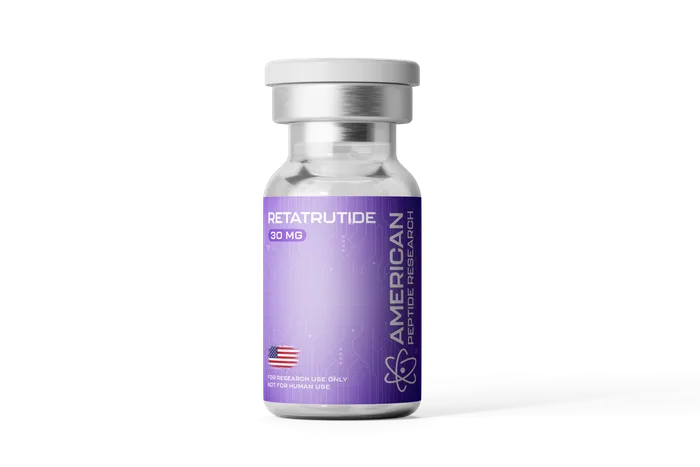
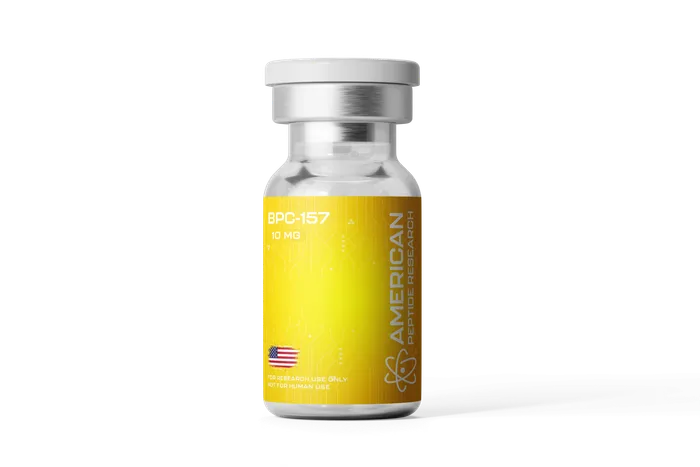
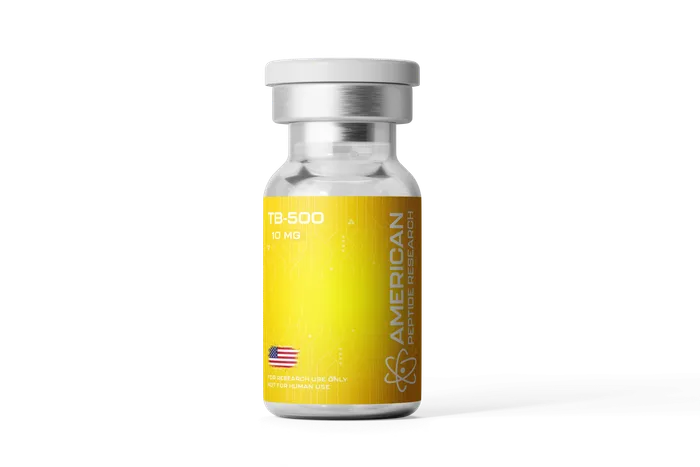
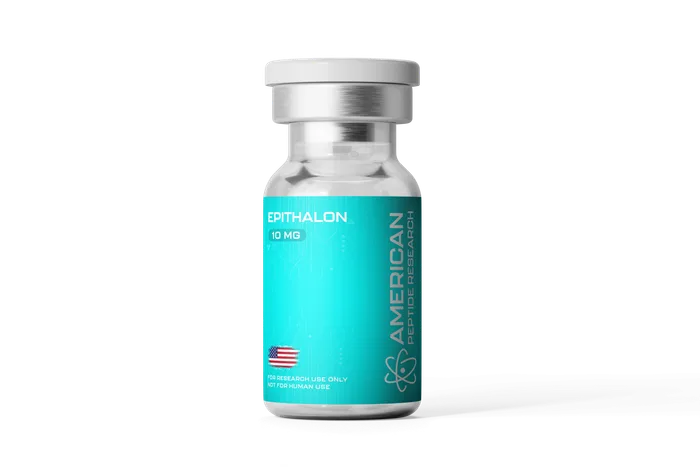
Affiliate links. For research use only — not for human consumption.
Track Your Protocol with PeptIQ
AI-powered dosing, smart reminders, and progress logging — all in one app. Never miss a dose.
YOUR POST-TRAINING ROUTINE
Make room for recovery.
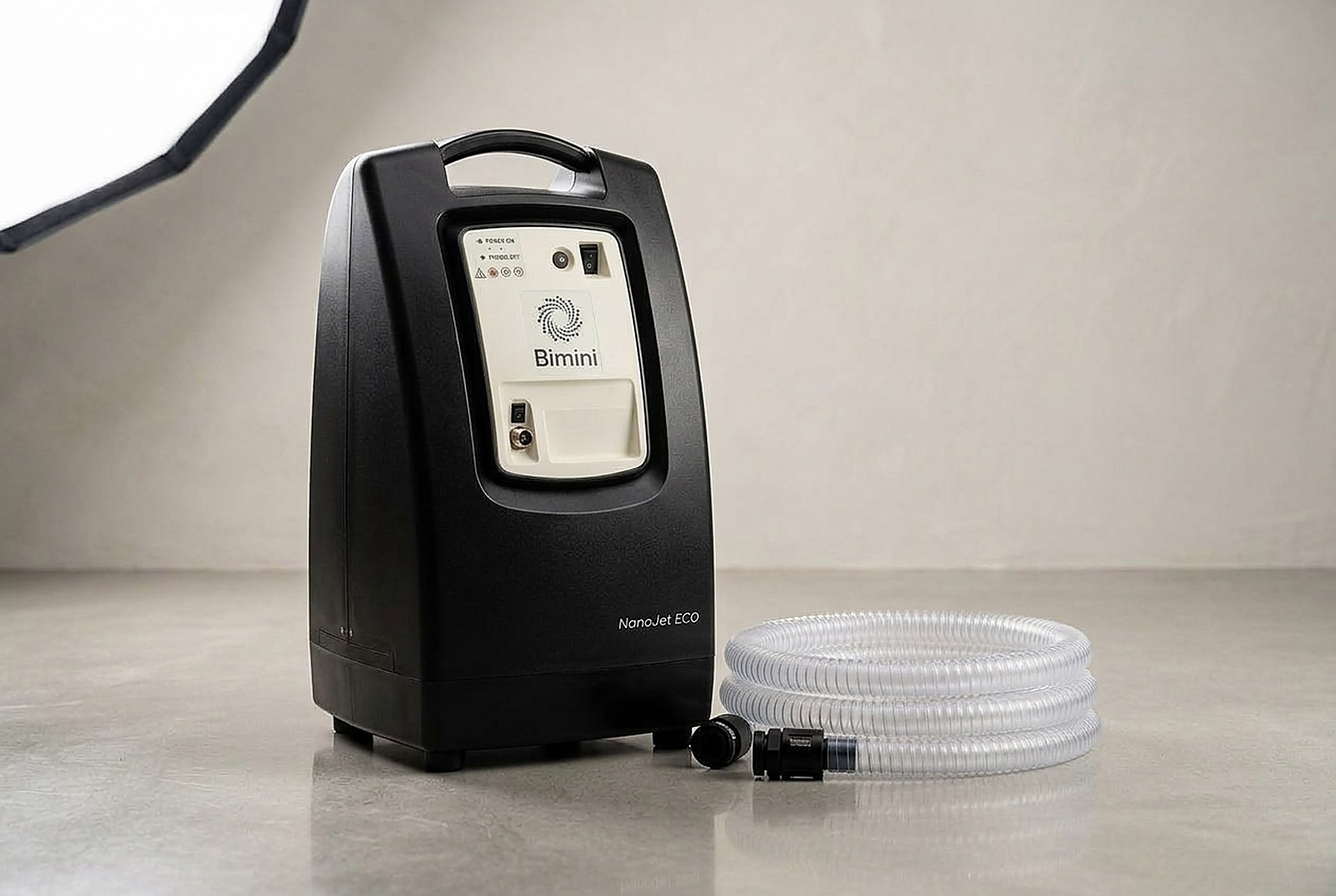
Get to know Bimini’s warm-water nanobubble system. Compare home options and see how the setup fits your routine.
Bimini NanoJet® Eco
$9,650.00$8,685.00
With NINJA • Before shipping and tax. Final offer confirmed by Bimini.
Partner offer: Daniel Rivas, NinjAthlete’s founder, is Bimini’s marketing director. NinjAthlete may earn a commission from purchases through these links.
Was this article helpful?
Peptide Fundamentals
Start here. The essential knowledge for anyone beginning their peptide journey.
AI Picks For You
AI Curated
Blood Tests Before Peptides: The Complete Pre-Protocol Lab Guide
Peptide Side Effects: What the Research Actually Says (BPC-157, TB-500, GHK-Cu & More)

The Best Time to Take Peptides: A Timing Guide by Compound
The Complete Guide to Peptide Therapy for Athletes
Recommended Reading
 LongevityTop Match
The Longevity Blueprint: 8 Science-Backed Habits + Biohacking Stack
A landmark study of 719,147 veterans found that 8 specific habits can add up to 24 years to your lifespan. Here is the science, the habits, and the biohacking stack.
 PeptidesTop Match
TB-500 and Heart Health: How This Peptide Reverses Cardiac Damage
Dr. Bachmeyer breaks down how TB-500 reverses heart fibrosis, stops arrhythmias, and heals the heart-kidney connection. Deep dive with peer-reviewed studies.
 PeptidesTop Match
The Wolverine Complex: The Ultimate Peptide Stack for Rapid Recovery
BPC-157 + TB-500 — the 'Wolverine Complex.' How these two peptides work synergistically for accelerated tissue repair, reduced inflammation, and faster recovery.
 PeptidesTop Match
Peptide Blends Exposed: Why GLOW & KLOW Are Dead on Arrival
GLOW and KLOW peptide blends violate basic chemistry. GHK-Cu needs pH 5.5-6.5, BPC-157 needs 7.4. The result? 60%+ potency loss, degradation, and wasted money.
PeptidesTop MatchBlood Tests Before Peptides: The Complete Pre-Protocol Lab Guide
Complete guide to pre-peptide blood testing. Learn which biomarkers to check before BPC-157, Retatrutide, or MK-677—plus where to order labs without a doctor.
PeptidesTop MatchPeptide Side Effects: What the Research Actually Says (BPC-157, TB-500, GHK-Cu & More)
Evidence-based guide to peptide side effects for BPC-157, TB-500, GHK-Cu, CJC-1295 + Ipamorelin, and AOD-9604. What's normal, what's a red flag, and what the science actually says.