PEPTIDE SIDE EFFECTS:
WHAT THE RESEARCH ACTUALLY SAYS
BPC-157, TB-500, GHK-Cu, CJC-1295 + Ipamorelin, AOD-9604, and Retatrutide — not a fear piece, not a sales pitch. Just what the science documents, what's normal, and when you should actually be concerned.
Every peptide has a list of "possible side effects." Most are copied from forums or glossed over by vendors. This guide is different: we went to the actual clinical research and built a clear picture of what these compounds actually do to the body during adaptation.
The six peptides covered here represent the most commonly used research peptides in the performance, longevity, recovery, and body composition space. Each one has a distinct mechanism of action, and each one has a distinct side effect profile.
6
Peptides Covered
Each reviewed against clinical literature
1,200+
Clinical Trial Subjects
AOD-9604 (893) + Retatrutide (338)
90%
Reactions Are Mild
Dose-related and transient
≠
Not All "Side Effects" Are Bad
Many signal the peptide is working
Before diving in: none of these compounds are FDA-approved for human therapeutic use. This article is educational. If you're considering any peptide protocol, get baseline bloodwork first — read our pre-protocol lab guide.
BPC-157
Body Protection Compound-157 is a pentadecapeptide (15 amino acids) derived from a protective protein found in human gastric juice. It has over three decades of preclinical study behind it and is one of the most-researched healing peptides in the space.
Reported Reactions
Mild headaches — often dose-related, resolve within a few days
Temporary nausea, particularly early in use or with oral forms
Increased appetite during healing phases
Injection site redness or minor irritation
Dizziness or flushing — particularly after injection
Sleep disturbances — if dosed late in the day
A 2025 PMC-indexed narrative review of three available human trials found no reported side effects in an intravesicular BPC-157 pilot study (Lee et al., 2024), with participants specifically screened for fevers, skin rash, nausea, vomiting, and worsening symptoms.
Source: PMC12446177 — Regeneration or Risk? A Narrative Review of BPC-157 (2025)A 2025 review in Pharmaceuticals (MDPI) confirmed that BPC-157 has undergone hundreds of preclinical experiments over 30+ years with no organ toxicity, carcinogenic effects, or established lethal dose.
Source: MDPI Pharmaceuticals 18(2):185 — Multifunctionality of BPC-157 (2025)What's Normal vs. What Isn't
Normal: Mild headache during week 1, slight nausea with oral forms, minor injection site redness. These typically resolve within days. Not Normal: Headaches persisting beyond 2 weeks, severe nausea, significant swelling or infection at injection sites. If these occur, reduce dose or stop and consult a provider.
The purity problem: A significant percentage of BPC-157 "side effects" in community reports are likely attributable to product contamination rather than the peptide itself.
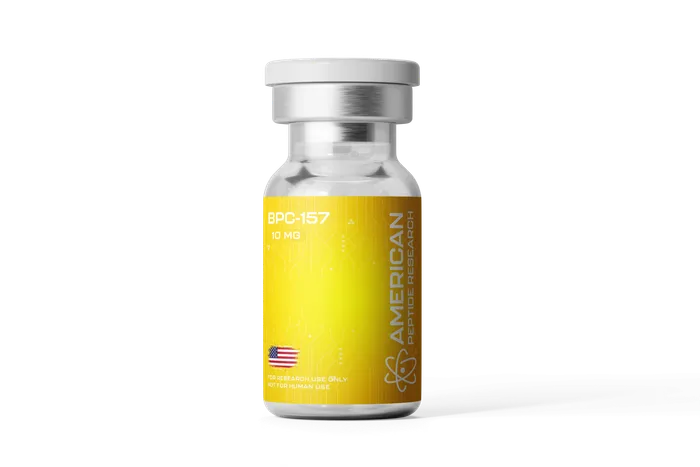
Research-Grade BPC-157 via APR
American Peptide Research — third-party tested, COA available.
TB-500
TB-500 is a synthetic analog of Thymosin Beta-4, specifically the active actin-binding domain of the naturally occurring 43-amino acid protein. It travels throughout the body rather than acting locally, making it effective for widespread soft tissue injury recovery.
Reported Reactions
Fatigue or lethargy — particularly in week 1, as the body prioritizes tissue repair
Mild lethargy after dosing — linked to systemic immune modulation
Increased thirst during the loading phase
Injection site redness or mild discomfort
Muscle tightness or light cramping — at higher loading doses
Transient headache — resolves within hours of administration
PeptideDeck's 2026 clinical review notes that fatigue during TB-500's loading phase is linked to systemic immune modulation — not toxicity. Nausea is rare and observed primarily at loading doses ≥6 mg/week.
Source: PeptideDeck TB-500 Dosage Guide (2026)Thymosin Beta-4 downregulates pro-inflammatory cytokines including IL-6 and TNF-α. Fatigue during early use is consistent with the body undergoing genuine tissue repair.
Source: Smart et al., Circulation Research; Philp et al., JOID; Maar et al., Cells (2021)Severity Overview
* Approximate frequency based on available data. Not representative of all users.
The Adaptation Phase — Why This Is a Good Sign
TB-500's fatigue and increased thirst during the loading phase aren't random side effects — they reflect the compound doing exactly what it's supposed to do. Most users find energy levels normalize or improve by week 3.
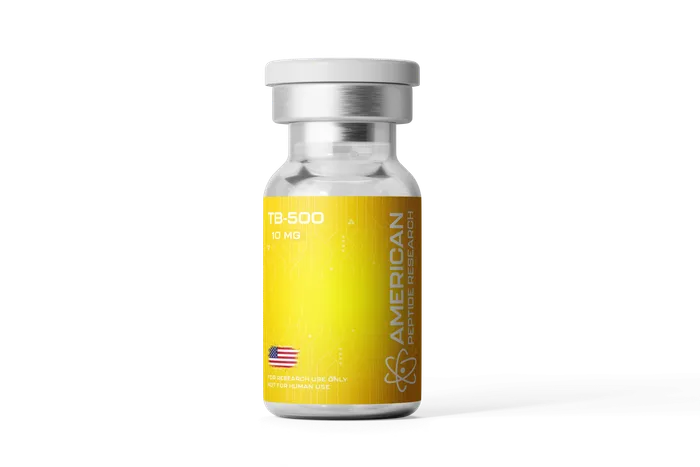
Research-Grade TB-500 via APR
Third-party tested, COA available.
GHK-Cu
GHK-Cu is a naturally occurring tripeptide found in human plasma. Unlike most research peptides, it has a confirmed human endogenous origin. Plasma levels decline from ~200 ng/mL at age 20 to ~80 ng/mL by age 60, correlating with decreased regenerative capacity.
Reported Reactions
Redness or tingling at application site — especially sensitive skin types
Temporary skin dryness during collagen turnover
Mild irritation at injection site — resolve with site rotation
Mild headaches, typically injectable only, resolves within hours
Histamine response: mild flushing or itching — indicates dose reduction needed
A 2016 Scientific Reports study tested GHK-Cu's skin irritation potential: GHK-Cu did not show any signs of irritation in contrast to free copper compounds.
Source: Scientific Reports 37664 — Selected Biomarkers Revealed Potential Skin Toxicity (2016)Pickart et al. established that the peptide modulates over 4,000 genes. In a 12-week clinical trial of 71 women, GHK-Cu cream improved collagen production in 70% of participants — outperforming both vitamin C cream and retinoic acid.
Source: PMC6073405 — Regenerative Actions of GHK-Cu (2018)The Skin Dryness Paradox
Users sometimes report temporary skin dryness when starting topical GHK-Cu. In most cases, it reflects active collagen turnover. Applying GHK-Cu to slightly damp skin and following with a hydrating serum eliminates this.
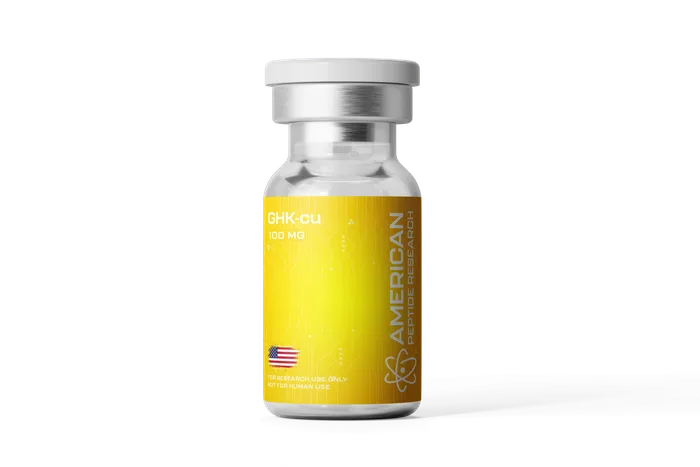
Research-Grade GHK-Cu via APR
Verified purity, COA documentation available.
CJC-1295 + Ipamorelin
The most commonly prescribed growth hormone peptide stack in clinical longevity medicine. CJC-1295 provides sustained GH/IGF-1 elevation, while Ipamorelin delivers a clean, selective GH pulse. The side effect profile is more systemic than repair peptides.
Reported Reactions
Water retention — mild puffiness in hands, feet, or face during first 2–4 weeks
Tingling or warmth in the face or scalp — GH pulse response
Temporary hunger increase — from ghrelin receptor stimulation
Mild tiredness after dosing — aligns with GH pulse timing
Finger numbness on waking — GH-induced fluid compressing peripheral nerves
Mild flushing or warmth post-injection — vasodilatory effect
The landmark 2006 RCT found subcutaneous CJC-1295 produced dose-dependent GH increases of 2–10× for 6+ days and IGF-1 increases of 1.5–3× for 9–11 days. No serious adverse reactions were reported across any dose group.
Source: PubMed 16352683 — Prolonged stimulation of GH/IGF-I by CJC-1295 (2006)Aggregated data: injection site reactions 20–30%, water retention 15–25%, tingling/numbness 10–20%, increased hunger 10–15%, fatigue 10–15%, headache 5–10%. All dose-dependent, subside within 1–2 weeks.
Source: FormBlends — CJC-1295/Ipamorelin Side Effects Guide (2026)Timing Trick That Reduces Side Effects
Administering CJC-1295 + Ipamorelin 60–90 minutes after your last meal, before bed aligns with the body's natural nocturnal GH pulse. You sleep through the tingling and hunger spike — and the GH pulse aligns with deep sleep stages.
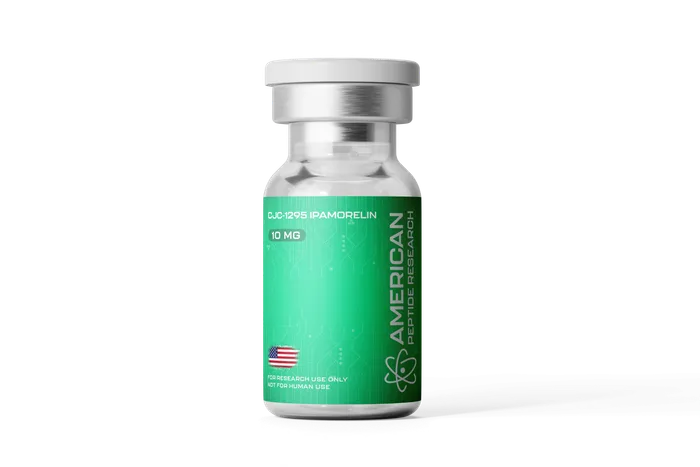
CJC-1295 + Ipamorelin via APR
Research-grade, COA available.
AOD-9604
AOD-9604 has the most extensive human clinical safety data of any peptide on this list — six randomized, double-blind, placebo-controlled trials involving over 893 participants. Its safety profile is remarkably clean and well-documented.
Reported Reactions
Mild nausea when taken on an empty stomach — transient
Increased thirst — metabolic shifts increase cellular hydration demands
Hunger increases — though AOD-9604 does not significantly affect ghrelin
Restlessness or mild agitation during early metabolic adjustment
Localized tissue reaction at administration site
Mild transient headache — typically week 1–2 only
Stier et al. (2013) summarized all six human RCTs: AOD9604 displayed a tolerability profile indistinguishable from placebo. No anti-AOD9604 antibodies were detected. No effect on IGF-1, insulin resistance, or glucose metabolism.
Source: J Endocrinology & Metabolism — Safety of AOD9604 in Humans (2013)Moré et al. (2014): chronic toxicology in rats (6 months) and monkeys (9 months) showed no genotoxic activity. AOD9604 was designated Generally Recognized As Safe (GRAS).
Source: J Endocrinology & Metabolism — Safety and Metabolism of AOD9604 (2014)Short-Term Metabolic Responses — Expected, Not Alarming
Nausea and thirst in weeks 1–2 are short-term metabolic responses — the body adjusting to enhanced lipolytic activity. Taking AOD-9604 with a small amount of food eliminates most nausea.
AOD-9604 via APR
Research-grade, third-party tested.
Retatrutide
Retatrutide (LY3437943) is a first-in-class triple hormone receptor agonist — simultaneously activating GLP-1, GIP, and glucagon receptors. Its Phase 2 clinical trial (2023) produced the most dramatic weight loss results ever documented for an incretin-based therapy: up to 24.2% body weight reduction at 48 weeks. It represents a fundamentally different mechanism than single-agonist GLP-1 drugs like semaglutide.
Reported Reactions
Nausea — the most frequent side effect, peaks during dose escalation and typically diminishes over 4–8 weeks
Diarrhea — more prevalent than with semaglutide, likely due to glucagon receptor activation affecting gut motility
Vomiting — dose-dependent, most common during titration phases
Decreased appetite — expected pharmacological effect, not a true adverse reaction
Constipation — GLP-1 mediated gastric slowing, alternates with diarrhea in some users
Injection site reactions — erythema, pruritus at administration site
Increased heart rate — small mean increases of 2–4 bpm observed at higher doses
Elevated lipase/amylase — pancreatic enzyme elevations without clinical pancreatitis
Jastreboff et al. (2023, NEJM): The Phase 2 trial enrolled 338 adults with obesity. At the highest dose (12 mg), participants lost a mean of 24.2% body weight at 48 weeks vs. 2.1% with placebo. GI side effects were the most common, with nausea affecting ~45% of participants during dose escalation, but most events were mild to moderate.
Source: NEJM 389;6 — Triple-Hormone-Receptor Agonist Retatrutide for Obesity (2023)The glucagon receptor component drives increased hepatic lipid oxidation and energy expenditure — a mechanism absent in GLP-1-only drugs. This may explain both the superior efficacy and the distinct GI side effect profile (particularly diarrhea). Dose titration over 12–16 weeks significantly reduced discontinuation rates.
Source: Lancet 402 — Retatrutide Phase 2 Safety & Efficacy Analysis (2023)Separate Phase 2 data in Type 2 Diabetes (Rosenstock et al., 2023): Retatrutide improved HbA1c by up to 2.16% and reduced body weight by 16.9% at 36 weeks. The safety profile was consistent with the obesity trial — predominantly GI adverse events during titration.
Source: Lancet — Efficacy and safety of retatrutide in T2D (2023)Severity Overview
* Approximate frequency based on available data. Not representative of all users.
The Titration Window — Why Slow Escalation Is Non-Negotiable
The majority of GI side effects occur during dose escalation. In the Phase 2 trial, participants who titrated slowly over 12–16 weeks had significantly fewer discontinuations than rapid-escalation groups. Starting at 0.5 mg/week and increasing by 0.5–1 mg every 4 weeks is the approach most consistent with manageable side effects. Important: Retatrutide's glucagon component means it has a different GI profile than semaglutide. Diarrhea is more common (vs. constipation with GLP-1-only drugs), and the appetite suppression is more pronounced. These are pharmacological effects, not toxicity.
Not yet FDA-approved: Retatrutide is in Phase 3 clinical trials as of 2026. All data referenced is from Phase 2 trials. Its side effect profile may be further refined as larger trial populations are studied.
Learn More About Retatrutide
Research compound — Phase 3 trials ongoing.
COMPARE PEPTIDES
Select 2-3 peptides to see their side effect profiles side by side.
PEPTIDE DECISION HELPER
5 questions to find your ideal starting peptide based on goals, experience, and preferences.
What's your primary goal?
WHY SIDE EFFECTS HAPPEN
Most peptide reactions aren't random — they trace back to one of five identifiable root causes.
01
Dosing Too High
The majority of headaches, nausea, and water retention are dose-dependent. Most protocols recommend starting at 50% of target dose.
02
Low Purity Products
Bacterial endotoxins and synthesis byproducts from low-quality peptides cause inflammatory reactions incorrectly attributed to the compound.
03
Individual Sensitivity
Copper sensitivity (GHK-Cu), histamine reactivity, and immune sensitivity vary by individual.
04
Delivery Irritation
Injection technique matters — blunt needles, same-site repeats, and improper reconstitution cause local reactions.
05
Normal Biological Adaptation
Fatigue during TB-500 loading, skin dryness during GHK-Cu collagen turnover, and hunger with GH peptides are adaptation signals.
Peptides are signaling molecules — not drugs in the traditional sense. The adaptation window for most research peptides is 1–3 weeks. After that, most mild initial reactions resolve.
Continue Your Research
FREQUENTLY ASKED QUESTIONS
Most peptide side effects are mild, dose-related, and temporary. Serious adverse events are rare across clinical literature. AOD-9604 had zero serious adverse events across 6 RCTs with 893+ participants.
AOD-9604 has the most robust human clinical safety data — tolerability indistinguishable from placebo. BPC-157 and GHK-Cu also show very favorable profiles.
Fatigue during early use reflects the body redirecting energy toward tissue repair. TB-500's fatigue is specifically linked to systemic immune modulation. Most users normalize by week 2–3.
Yes, mild water retention affects roughly 15–25% of users. It typically resolves after 2–4 weeks. Staying hydrated and timing administration before bed helps minimize it.
Mixing peptides in the same syringe can increase risk. Each should be administered in a dedicated syringe. TB-500 + BPC-157 can be stacked but injected separately.
Rotate sites every dose. Use fresh needles. Ensure proper reconstitution with bacteriostatic water. Inject slowly at 45° for subcutaneous.
Stop use for: severe allergic reactions, significant joint swelling, persistent numbness beyond 3 weeks, heart palpitations, or injection site infection signs.
Yes — baseline bloodwork is strongly recommended, especially for GH-axis peptides. At minimum: IGF-1, metabolic panel, CBC, and relevant hormones.
Retatrutide has a higher rate of GI side effects during dose escalation (nausea ~45% vs ~30% for semaglutide). The glucagon receptor component causes more diarrhea. However, slow titration over 12–16 weeks significantly reduces severity. The tradeoff is substantially greater weight loss (24.2% vs ~15%).
Long-term safety data is still being gathered in Phase 3 trials (as of 2026). Phase 2 data (48 weeks) showed no unexpected serious adverse events. Pancreatic enzyme elevations were observed but without clinical pancreatitis. Cardiovascular outcomes trials are ongoing.
Continue Reading
The Ammortal Chamber
Stack PEMF, red light, hydrogen therapy & 7 more modalities in one session.
The Wolverine Complex
The synergistic peptide stack for tissue repair and accelerated recovery.
HYROX Training Guide
Station breakdowns, weekly plans, pacing strategy & race-day nutrition.
Research-Grade Peptides
Discount auto-appliedThird-party tested, made in the USA by American Peptide Research. Our link applies your discount automatically.
Affiliate links. For research use only — not for human consumption.
Track Your Protocol with PeptIQ
AI-powered dosing, smart reminders, and progress logging — all in one app. Never miss a dose.
YOUR POST-TRAINING ROUTINE
Make room for recovery.
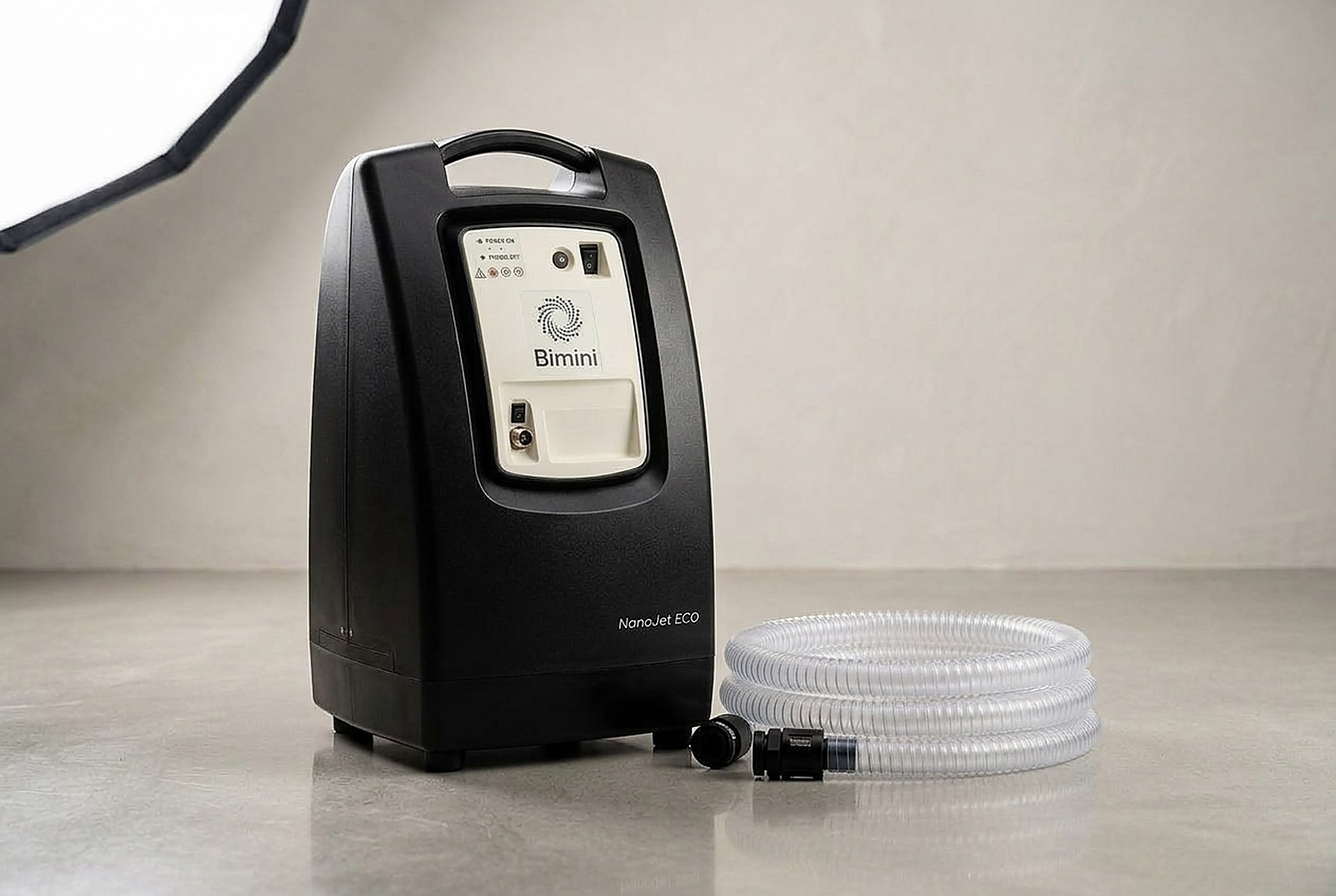
Get to know Bimini’s warm-water nanobubble system. Compare home options and see how the setup fits your routine.
Bimini NanoJet® Eco
$9,650.00$8,685.00
With NINJA • Before shipping and tax. Final offer confirmed by Bimini.
Partner offer: Daniel Rivas, NinjAthlete’s founder, is Bimini’s marketing director. NinjAthlete may earn a commission from purchases through these links.
AI Picks For You
AI Curated
Do Peptides Grow Cancer? What the Research Actually Says (BPC-157, TB-500, MOTS-c, GHK-Cu)
Blood Tests Before Peptides: The Complete Pre-Protocol Lab Guide

The Best Time to Take Peptides: A Timing Guide by Compound
The Complete Peptide Guide 2026: Protocols for Recovery, Fat Loss, Performance & Longevity
Recommended Reading
PeptidesTop MatchDo Peptides Grow Cancer? What the Research Actually Says (BPC-157, TB-500, MOTS-c, GHK-Cu)
Do peptides grow cancer? An honest, citation-by-citation evidence review of BPC-157, TB-500, MOTS-c and GHK-Cu. No in-vivo proof they cause cancer in a healthy body — but no long-term human safety data either.
 PeptidesTop Match
CJC-1295 with DAC + Ipamorelin: How These 2 Peptides Rebuild Your Body
The complete guide to the CJC-1295/Ipamorelin stack — the most popular GH secretagogue combination for recovery, body composition, and anti-aging.
 PeptidesTop Match
The Wolverine Complex: The Ultimate Peptide Stack for Rapid Recovery
BPC-157 + TB-500 — the 'Wolverine Complex.' How these two peptides work synergistically for accelerated tissue repair, reduced inflammation, and faster recovery.
PeptidesTop MatchBlood Tests Before Peptides: The Complete Pre-Protocol Lab Guide
Complete guide to pre-peptide blood testing. Learn which biomarkers to check before BPC-157, Retatrutide, or MK-677—plus where to order labs without a doctor.
PeptidesTop MatchGHK-Cu Copper Peptide: The Complete Master Class Guide [2026]
GHK-Cu isn't just a skin peptide. Discover how this copper peptide resets 4,000+ genes, boosts cellular energy, and addresses the 3 biological failures behind chronic disease.
 PeptidesTop Match
Peptide Blends Exposed: Why GLOW & KLOW Are Dead on Arrival
GLOW and KLOW peptide blends violate basic chemistry. GHK-Cu needs pH 5.5-6.5, BPC-157 needs 7.4. The result? 60%+ potency loss, degradation, and wasted money.