Partner offer: Daniel Rivas, NinjAthlete’s founder, is Bimini’s marketing director. NinjAthlete may earn a commission from purchases through these links.
Medical Disclaimer: This article is for educational and informational purposes only. It is not intended as medical advice, diagnosis, or treatment.
Always consult a qualified healthcare professional before starting any peptide protocol, supplement regimen, or training program. Sources are cited with DOI/PubMed links where available. Read our editorial policy
⚠️ Controversial Content
This article challenges popular peptide blend products with peer-reviewed science. The chemistry doesn't lie — but your peptide company might.
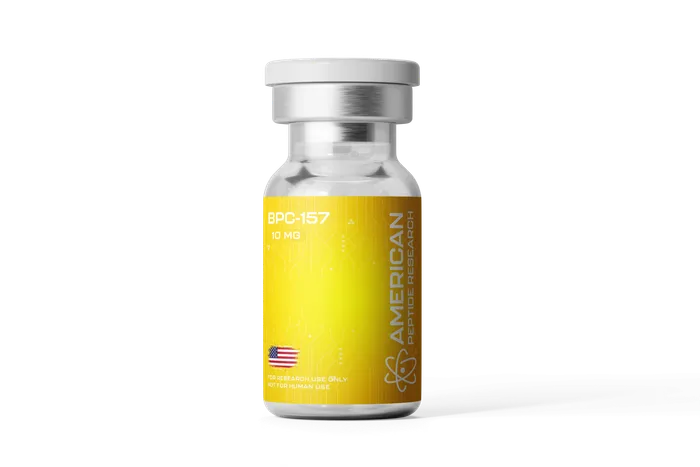
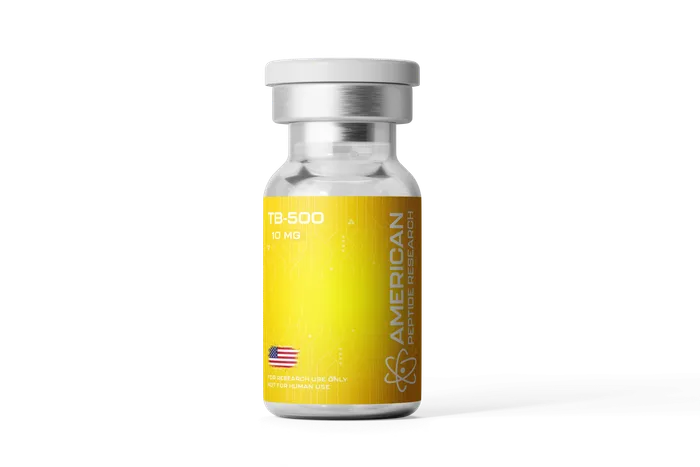
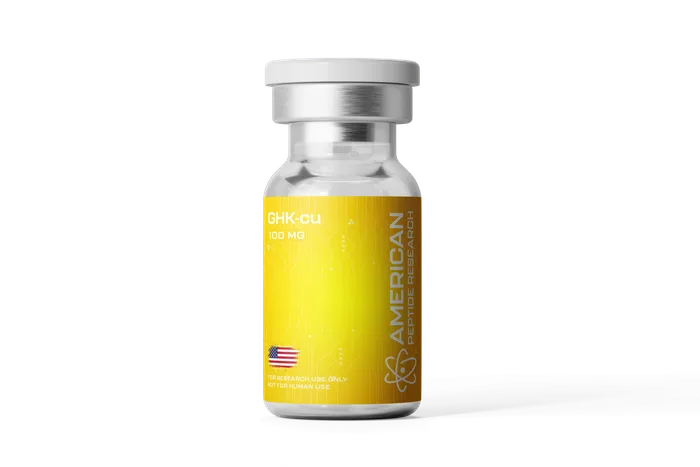
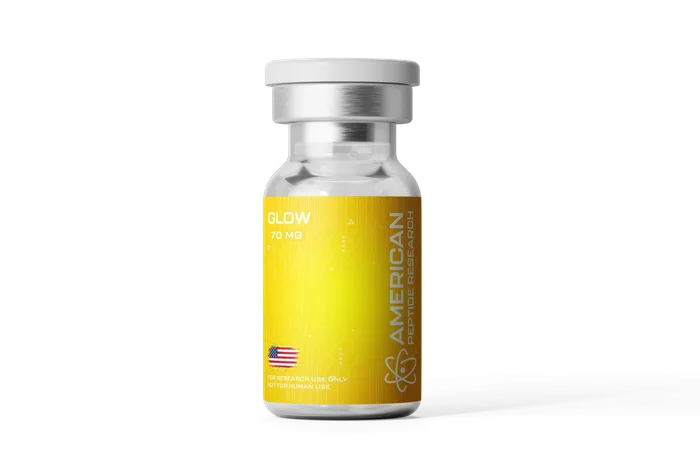
If you've been in the peptide space, you've probably seen GLOW (GHK-Cu + BPC-157 + TB-500) and KLOW (GHK-Cu + BPC-157 + TB-500 + KPV) blends marketed as convenient "all-in-one" solutions. The reality? It's pharmacological suicide.
85% Copper Displacement
90% TB-500 Degradation Risk
60% Potency Loss in 24hrs
The pH Problem: You Can't Serve Two Masters
GHK-Cu (glycyl-L-histidyl-L-lysine copper complex) is most stable in the pH range of 5.0-7.0, with optimal stability at pH 5.5-6.5.
BPC-157 is freely soluble at normal pH (~7.0). TB-500 performs optimally at physiological pH (~7.4).
Peptide
Optimal pH
Stability Range
Compatible?
GHK-Cu
5.5-6.5
5.0-7.0
Acidic required
BPC-157
~7.0
Neutral
Neutral required
TB-500
~7.4
Neutral
Neutral required
KPV
~7.0+
Degrades <6.5
Neutral required
You cannot optimize for all of these in one vial.
AppPeptide Protocol Tracker
Track Your Protocol with PeptIQ
AI-powered dosing, smart reminders, and progress logging — all in one app. Never miss a dose.
When you shift pH outside the optimal range, copper dissociates from the GHK complex. Laboratory stability assays on GHK-Cu blends have demonstrated 85% copper displacement in mixed vials within hours. Free copper ions then become oxidative agents that damage other peptides.
Translation
The GHK-Cu you paid for is now just GHK (inactive) plus free copper ions floating around causing havoc.
TB-500's Methionine Problem: 90% Degradation Risk
TB-500 contains methionine residues that are highly susceptible to oxidation. Free copper ions from displaced GHK-Cu act as oxidative catalysts, accelerating methionine oxidation — leading to 90% degradation risk.
The Aggregation Cascade: 60% Potency Loss
When you mix peptides with conflicting pH requirements:
PMC4508379 — "GHK Peptide as a Natural Modulator of Multiple Cellular Pathways"
PMC5333585 — "Brain-gut Axis and Pentadecapeptide BPC 157"
PMC5665799 — "Factors affecting the physical stability of peptide therapeutics"
PMC10711991 — "Stabilization challenges and aggregation in protein-based therapeutics"
PMC2095288 — "α-MSH related peptides: anti-inflammatory drugs"
Disclaimer: This content is for educational purposes only. Peptides discussed are research compounds not approved by the FDA for human use. Consult a healthcare provider before beginning any peptide protocol.
Research-Grade Peptides
Discount auto-applied
Third-party tested, made in the USA by American Peptide Research. Our link applies your discount automatically.
Partner offer: Daniel Rivas, NinjAthlete’s founder, is Bimini’s marketing director. NinjAthlete may earn a commission from purchases through these links.
Sources & References
Peer-reviewed research this article draws on, attributed to the original study authors and verified against PubMed.