Do Peptides Grow Cancer? What the Research Actually Says
The claim that peptides "feed cancer cells" is everywhere — treated as either gospel or garbage. Both takes are wrong. Here's the honest, citation-by-citation version for BPC-157, TB-500, MOTS-c and GHK-Cu.
Not proven. Not disproven. Mostly unstudied long-term.
There is no published in-vivo study showing that BPC-157, TB-500, MOTS-c or GHK-Cu causes or grows a tumor in an otherwise healthy body — so the viral "peptides grow cancer" claim is not supported by direct evidence. But "disproven" is wrong too: several act on angiogenesis and cell migration (biology tumors also exploit), and none have long-term human carcinogenicity trials. The accurate position is caution where the mechanism warrants it, and honesty about what we don't know.
The Verdict at a Glance
The honest answer is different for every compound — which is exactly why "peptides cause cancer" as a blanket statement fails. Here's where each one sits on the cancer-evidence spectrum:
Where the Cancer Fear Actually Comes From
The fear isn't internet hysteria. It's rooted in real cell biology. Healing and regenerative peptides work by switching on processes like angiogenesis (new blood-vessel growth) and cell migration and proliferation. Those same processes sit among the classic "hallmarks of cancer" — the toolkit tumors use to build a blood supply and spread [16].
So "If this peptide builds blood vessels and tells cells to grow, couldn't it feed a tumor?" is a mechanistically legitimate question — not a conspiracy. The problem: the internet stops there, lumps every peptide together, and jumps from "plausible mechanism" to "proven risk." That leap is where the rhetoric breaks.
A Signal in a Dish Isn't a Tumor in a Body
Almost every alarming peptide-and-cancer headline traces back to one of two study types — and neither means what people think:
The two study types behind the headlines
- Petri-dish (in vitro) studies drop a peptide onto isolated cells. Useful for mechanism, but flask cells have no immune system, no tissue context, and no tumor-suppressor feedback.
- Gene-overexpression studies genetically force a cell to mass-produce a peptide internally, often at supraphysiologic levels via a virus. That is not the same as injecting a measured dose of a synthetic fragment.
Both are valid science. Neither establishes that taking the peptide gives a healthy person cancer. For that you'd need in-vivo tumor studies and, ultimately, long-term human data — and on these four, that evidence is thin to nonexistent.
Compound-by-Compound: What the Studies Actually Show
Body Protection Compound · "the healing peptide"
BPC-157
The strongest knock is real: BPC-157 is pro-angiogenic. Controlled studies show it upregulates and activates VEGFR2 (the master blood-vessel-growth receptor) via the VEGFR2–Akt–eNOS pathway [1][2]. Because tumors need new vessels, that mechanism is the entire basis for the worry.
⚠ The Concern
Pro-angiogenic via VEGFR2. In theory, new vessel growth could support an existing, undiagnosed tumor. No long-term human safety data exists, and the FDA has flagged BPC-157 as not approved for therapeutic use.
✓ The Other Side / Context
A human melanoma cell-line study found BPC-157 inhibited growth and VEGF signaling, and animal work suggests it counters cancer-related muscle wasting. In a 2025 scientific exchange, independent reviewers stated no published in-vivo data show BPC-157 either growing or shrinking tumors — while calling the pro-angiogenic signaling a "plausible tumor-promoting hazard" worth studying [3][4][5].
Unknown, not "disproven." The mechanism is a fair concern; evidence for actual tumor growth in a body doesn't exist — and neither does evidence clearing it long-term. See the full BPC-157 dosage guide for protocol context.
Synthetic fragment of Thymosin β4
TB-500
The one to take most seriously. TB-500 derives from Thymosin β4 (Tβ4), which has a genuinely worrying oncology footprint: it is over-expressed across many human tumors, and overexpression studies link it to invasion and metastasis.
⚠ The Concern
Forced Tβ4 overexpression increased invasion of colon-carcinoma cells and tracked with distant metastasis in human colorectal cancer [6][7]. In a melanoma model it raised cell migration and tumor blood-vessel counts [8], and it drives colon-cancer migration via the ILK/IQGAP1/Rac1 pathway [9].
✓ The Other Side / Context
Those are gene-overexpression studies, not injected-fragment studies — and the effect is cancer-type-dependent: in multiple myeloma, higher Tβ4 was actually protective, with low levels predicting worse survival [10]. No study shows injected TB-500 initiating cancer in a healthy subject.
The most legitimate concern of the set. Real metastasis links in tumor biology; no proof of causation from exogenous use; context-dependent. Highest-caution compound, especially with any personal or family cancer history. Often stacked with BPC-157 — see the Wolverine Complex.
Mitochondrial-derived peptide
MOTS-c
Here the data flips the narrative. MOTS-c is an AMPK activator — the same metabolic switch the drug metformin pulls, a pathway broadly associated with suppressing cancer metabolism, not feeding it.
⚠ The Concern
Still early and mostly preclinical, with no long-term human safety trials. "Looks anti-tumor in mice and cells" is encouraging, not a guarantee.
✓ The Other Side / Context
A 2024 study found exogenous MOTS-c suppressed ovarian cancer proliferation, migration and invasion, with a marked anti-tumor effect in vivo and no systemic toxicity; low MOTS-c levels correlated with worse prognosis [11]. Other work shows it protecting against cancer-induced bone destruction [12] and inhibiting liver-tumor formation [13].
The "grows cancer" fear is not supported here. Multiple studies show tumor suppression. Still preclinical and unproven long-term in humans. Compare its metabolic action in MOTS-c vs Metformin.
Copper-binding tripeptide (glycyl-L-histidyl-L-lysine)
GHK-Cu
GHK-Cu activates tissue remodeling and growth, so the theoretical "could it feed a tumor?" question applies — but its gene-expression résumé runs the other way.
⚠ The Concern
It is pro-angiogenic, and the evidence below is gene-expression-level (which genes are switched on), not demonstrated tumor shrinkage in people. Copper itself must be respected — avoid with Wilson's disease or copper-overload conditions.
✓ The Other Side / Context
Using the Broad Institute's Connectivity Map screen of 1,309 molecules, GHK was one of only two agents able to reverse the gene signature of metastasis-prone colon cancer [14]. Reviews report it suppressing RNA in ~70% of 54 cancer-overexpressed genes and up-regulating tumor-suppressor genes [15].
Evidence skews anti-cancer at the gene-expression level. Not proof of treatment benefit, and not a green light for anyone with active cancer or copper-metabolism disorders. Read the full GHK-Cu master class.
What the Science Genuinely Does NOT Say
The part nobody wants to say
- There are no long-term human carcinogenicity trials on any of these four peptides. The "safe" verdicts you see are extrapolated from short-term and animal data.
- Mechanism is not outcome. "Pro-angiogenic in a cell assay" does not equal "causes cancer in a person." It's a hypothesis to test, not a verdict.
- These compounds are not interchangeable. MOTS-c and TB-500 sit at opposite ends of the cancer-evidence spectrum. Any post treating "peptides" as one risk is wrong by construction.
- Most are not FDA-approved and are sold for research purposes. Purity, dose accuracy and contamination vary by source — a separate risk from the molecule itself.
"Peptides grow cancer" is too strong. "Peptides are proven cancer-safe" is also too strong. The truth: a couple warrant real caution on mechanism, none have been shown to cause cancer in a body, and none have the long-term human data for a confident safety claim either way.
Who Should Be Especially Cautious
Not medical advice, but if any of these describe you, the angiogenesis question stops being theoretical — talk to a qualified clinician first:
- You have an active or suspected cancer, or are in treatment or remission.
- You have a strong family history of cancer, or known high-risk genetics.
- You haven't had age-appropriate cancer screening (the concern is feeding something already present but undetected).
- You're considering TB-500 specifically, given it carries the most substantive tumor-biology literature.
Before starting any protocol, get baseline blood work and review the complete peptide guide for context on each compound.
Researching These Peptides? Source Matters.
Purity, dose accuracy and third-party testing are a separate risk from the molecule itself. NinjAthlete researchers use American Peptide Research.
Shop Research-Grade Peptides at APRUse code NINJA for 25% off — for research purposes only
FAQ — Straight Answers
There is no published in-vivo evidence that BPC-157, TB-500, MOTS-c or GHK-Cu causes cancer in an otherwise healthy body. The concern is mechanistic — some peptides promote angiogenesis and cell proliferation, which tumors also use. That makes the question legitimate, but "causes cancer" overstates the data. Equally, the absence of long-term human carcinogenicity trials means no one can call them proven cancer-safe.
Because controlled studies show BPC-157 is pro-angiogenic — it activates and upregulates VEGFR2. Since tumors need new vessels, that mechanism is the basis for the worry. However, a human melanoma cell-line study showed it inhibiting growth, and independent reviewers note there are no in-vivo data showing it grows tumors. The honest status is theoretical concern, not demonstrated effect.
Of these four, yes — it has the most substantive tumor-biology literature. Its parent peptide, Thymosin β4, is over-expressed in many human cancers, with overexpression linked to invasion and metastasis in colon cancer and melanoma. Caveats: those are gene-overexpression experiments, the effect is cancer-type-dependent, and in multiple myeloma it was protective. No study proves injected TB-500 causes cancer — but it warrants the most caution.
The evidence points the opposite way. MOTS-c is an AMPK activator (same pathway as metformin), and 2024 research showed it suppressing ovarian cancer in vivo without systemic toxicity, with low MOTS-c levels linked to worse outcomes. Still preclinical, but the "grows cancer" fear is not supported for MOTS-c.
GHK-Cu's most-documented cancer effect is anti-cancer at the gene-expression level: a Broad Institute screen flagged it as a top agent for reversing the metastatic colon-cancer gene signature, and it upregulates tumor-suppressor genes. The caveat is that gene-expression changes aren't the same as proven tumor shrinkage in people, and copper should be avoided by those with Wilson's disease or copper-overload conditions.
Not proven, not disproven, and largely unstudied long-term in humans. A couple warrant real caution on mechanism (TB-500 most of all), none have been shown to cause cancer in a body, and a few even show anti-tumor signals. If you have active, suspected, or a family history of cancer, talk to a clinician before using any of them.
Sources & References
All citations are real, peer-reviewed sources verifiable on PubMed or the publishing journal.
- Hsieh MJ, Liu HT, Wang CN, et al. Therapeutic potential of pro-angiogenic BPC157 is associated with VEGFR2 activation and up-regulation. J Mol Med. 2017;95(3):323–333. doi:10.1007/s00109-016-1488-y
- Hsieh MJ, Lee CH, Chueh HY, et al. Modulatory effects of BPC 157 on vasomotor tone and the Src-Caveolin-1-eNOS pathway. Sci Rep. 2020;10:17078. doi:10.1038/s41598-020-74022-y
- Tkalčević VI, et al. BPC 157 inhibits cell growth and VEGF signalling via the MAPK kinase pathway in the human melanoma cell line (2004) — as discussed within the Pharmaceuticals 2025 exchange [4][5].
- Józwiak M, et al. Multifunctionality and Possible Medical Application of the BPC 157 Peptide — Literature and Patent Review. Pharmaceuticals (Basel). 2025;18(2):185.
- Reply to Sikiric et al. BPC 157 Therapy: Targeting Angiogenesis and Nitric Oxide's Actions. Pharmaceuticals (Basel). 2025;18(10).
- Wang WS, Chen PM, Hsiao HL, Wang HS, Liang WY, Su Y. Overexpression of the thymosin beta-4 gene is associated with increased invasion of SW480 colon carcinoma cells and the distant metastasis of human colorectal carcinoma. Oncogene. 2004;23(39):6666–6671. PMID:15235586.
- Wang WS, Chen PM, Hsiao HL, Ju SY, Su Y. Overexpression of the thymosin beta-4 gene is associated with malignant progression of SW480 colon cancer cells. Oncogene. 2003;22(21):3297–3306.
- Cha HJ, Jeong MJ, Kleinman HK. Role of thymosin beta4 in tumor metastasis and angiogenesis. J Natl Cancer Inst. 2003;95(22):1674–1680.
- Tang MC, et al. Thymosin beta 4 induces colon cancer cell migration and clinical metastasis via the ILK/IQGAP1/Rac1 pathway. Cancer Lett. 2011. PMID:21621326.
- Caers J, et al. Thymosin β4 has tumor suppressive effects and its decreased expression results in poor prognosis and decreased survival in multiple myeloma. Haematologica. 2010;95(1):163–167.
- Yin Y, et al. Mitochondrial-Derived Peptide MOTS-c Suppresses Ovarian Cancer Progression by Attenuating USP7-Mediated LARS1 Deubiquitination. Adv Sci (Weinh). 2024. doi:10.1002/advs.202405620
- MOTS-c is an effective target for treating cancer-induced bone pain through AMPK-mediated mitochondrial biogenesis. 2024. PMID:38716540.
- MOTS-c relieves hepatocellular carcinoma resistance to TRAIL-induced apoptosis by activating MEF2A. Exp Cell Res.
- Hong Y, Downey T, Eu KW, et al. A 'metastasis-prone' signature for early-stage mismatch-repair proficient sporadic colorectal cancer and its implications for possible therapeutics. Clin Exp Metastasis. 2010;27(2):83–90.
- Pickart L, Margolina A. Regenerative and Protective Actions of the GHK-Cu Peptide in the Light of the New Gene Data. Int J Mol Sci. 2018;19(7):1987.
- Hanahan D, Weinberg RA. Hallmarks of cancer: the next generation. Cell. 2011;144(5):646–674.
Stay relentless — and stay honest about the data.
— NinjAthlete
Research-Grade Peptides
Discount auto-appliedThird-party tested, made in the USA by American Peptide Research. Our link applies your discount automatically.
Affiliate links. For research use only — not for human consumption.
Track Your Protocol with PeptIQ
AI-powered dosing, smart reminders, and progress logging — all in one app. Never miss a dose.
YOUR POST-TRAINING ROUTINE
Make room for recovery.
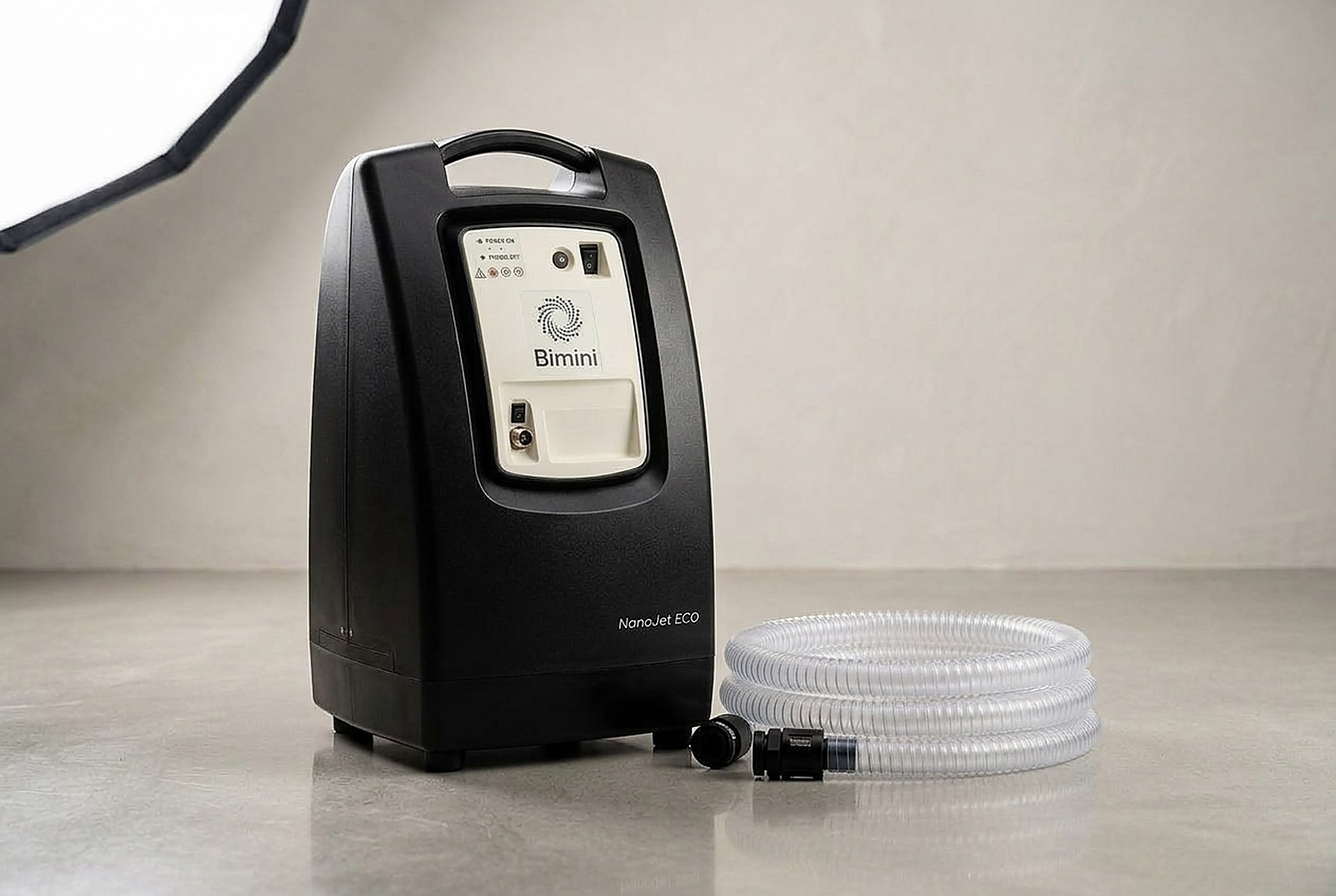
Get to know Bimini’s warm-water nanobubble system. Compare home options and see how the setup fits your routine.
Bimini NanoJet® Eco
$9,650.00$8,685.00
With NINJA • Before shipping and tax. Final offer confirmed by Bimini.
Partner offer: Daniel Rivas, NinjAthlete’s founder, is Bimini’s marketing director. NinjAthlete may earn a commission from purchases through these links.
Was this article helpful?
AI Picks For You
AI Curated
Peptide Side Effects: What the Research Actually Says (BPC-157, TB-500, GHK-Cu & More)
Blood Tests Before Peptides: The Complete Pre-Protocol Lab Guide
The Complete Peptide Guide 2026: Protocols for Recovery, Fat Loss, Performance & Longevity
![GHK-Cu Copper Peptide: The Complete Master Class Guide [2026]](https://images.unsplash.com/photo-1532187863486-abf9dbad1b69?w=1200)
GHK-Cu Copper Peptide: The Complete Master Class Guide [2026]
Recommended Reading
PeptidesTop MatchPeptide Side Effects: What the Research Actually Says (BPC-157, TB-500, GHK-Cu & More)
Evidence-based guide to peptide side effects for BPC-157, TB-500, GHK-Cu, CJC-1295 + Ipamorelin, and AOD-9604. What's normal, what's a red flag, and what the science actually says.
PeptidesTop MatchThe Complete Peptide Guide 2026: Protocols for Recovery, Fat Loss, Performance & Longevity
Science-backed peptide protocols for recovery, fat loss, performance & longevity. BPC-157, TB-500, MK-677, Retatrutide & more.
 PeptidesTop Match
The Wolverine Complex: The Ultimate Peptide Stack for Rapid Recovery
BPC-157 + TB-500 — the 'Wolverine Complex.' How these two peptides work synergistically for accelerated tissue repair, reduced inflammation, and faster recovery.
PeptidesTop MatchBlood Tests Before Peptides: The Complete Pre-Protocol Lab Guide
Complete guide to pre-peptide blood testing. Learn which biomarkers to check before BPC-157, Retatrutide, or MK-677—plus where to order labs without a doctor.
 PeptidesTop Match
Peptide Blends Exposed: Why GLOW & KLOW Are Dead on Arrival
GLOW and KLOW peptide blends violate basic chemistry. GHK-Cu needs pH 5.5-6.5, BPC-157 needs 7.4. The result? 60%+ potency loss, degradation, and wasted money.
 PeptidesTop Match
MOTS-C Benefits: The Exercise Mimetic Peptide That Changes Everything
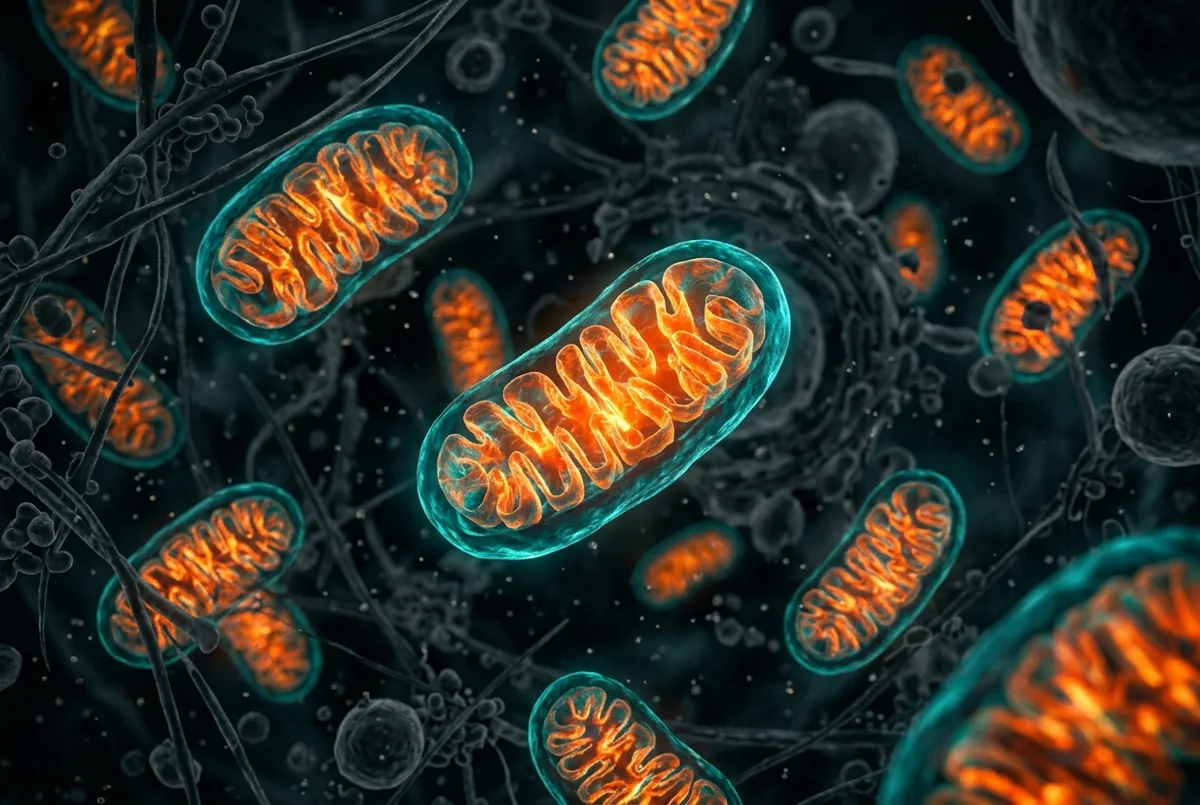
MOTS-C activates AMPK, the same pathway triggered by exercise. Discover why researchers call it 'exercise in a bottle' and how it optimizes metabolic health.