How much BPC-157 to take: full dosage chart by goal and body weight, oral vs injectable, cycle length, timing, side effects and legal status. Commonly reported, sourced.
9 min readFebruary 1, 2025
NA
NinjAthlete Team| Updated: October 21, 2026
YOUR POST-TRAINING ROUTINE
Make room for recovery.
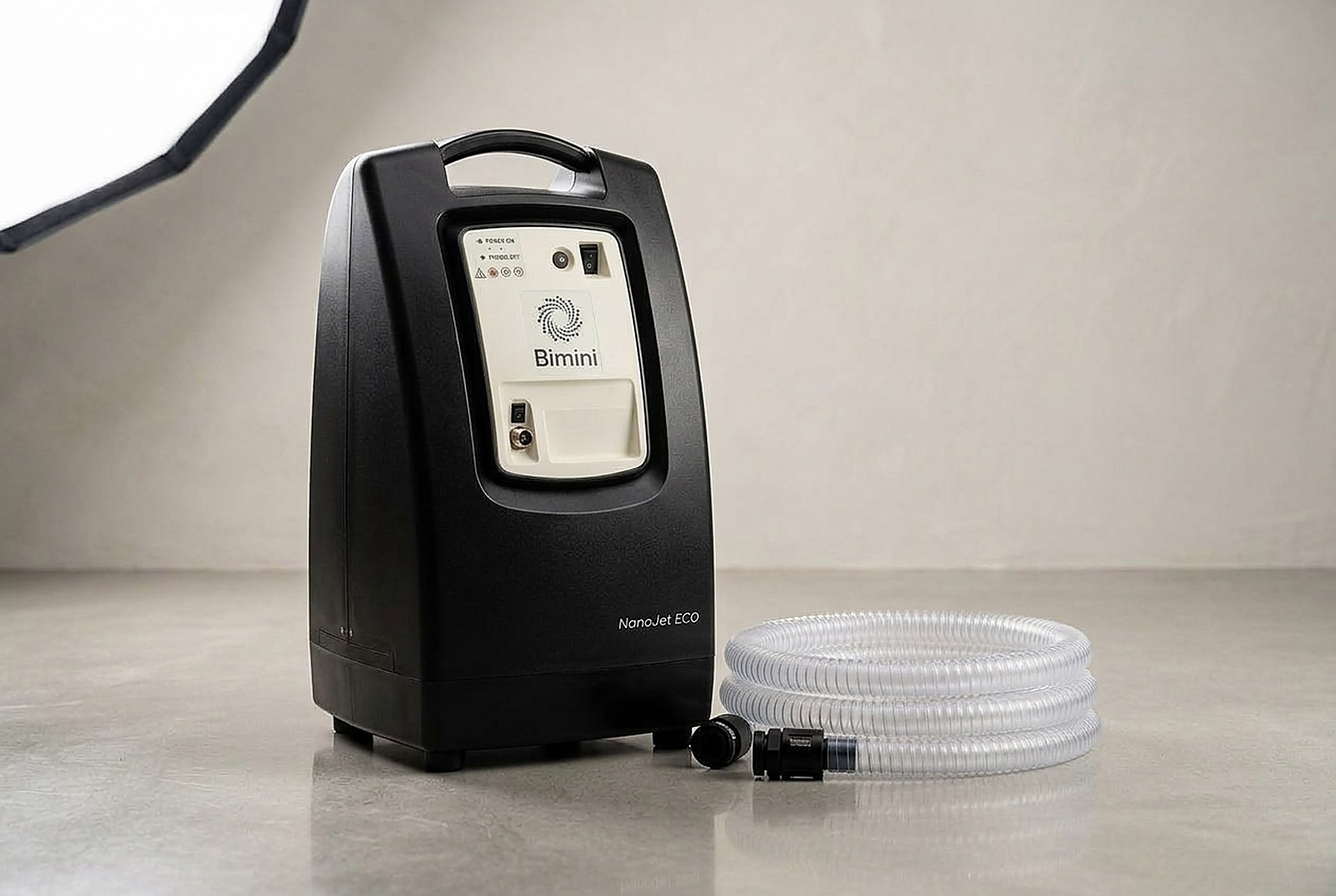
Get to know Bimini’s warm-water nanobubble system. Compare home options and see how the setup fits your routine.
Bimini NanoJet® Eco
$9,650.00$8,685.00
With NINJA • Before shipping and tax. Final offer confirmed by Bimini.
Partner offer: Daniel Rivas, NinjAthlete’s founder, is Bimini’s marketing director. NinjAthlete may earn a commission from purchases through these links.
Medical Disclaimer: This article is for educational and informational purposes only. It is not intended as medical advice, diagnosis, or treatment.
Always consult a qualified healthcare professional before starting any peptide protocol, supplement regimen, or training program. Sources are cited with DOI/PubMed links where available. Read our editorial policy
The short answer
BPC-157 is dosed at roughly 250–500 mcg per day for most recovery and injury goals — commonly split into one or two subcutaneous injections placed near the injury site, run in 4–6 week cycles. Higher-end protocols reach ~500–750 mcg/day for acute soft-tissue injuries; oral BPC-157 (250–500 mcg, 1–2× daily) is used mainly for gut health. BPC-157 is not FDA-approved, is sold as a research compound, and is banned by WADA for tested athletes. Full chart, body-weight math, injection how-to and safety below.
Key takeaways
Standard dose: 250–500 mcg/day subcutaneously; ~500 mcg/day is the most commonly cited effective dose.
By body weight: community protocols land near ~2–5 mcg per kg per day (≈180–450 mcg for a 90 kg / 200 lb person).
Route matters: inject near the injury for tendon/ligament/joint work; use oral for gut and digestive goals.
Cycle: 4–6 weeks is typical (2–4 for minor issues, up to 8 for severe), then a break.
Not medical advice: BPC-157 is unregulated — confirm any protocol with a licensed provider.
What is BPC-157?
BPC-157 (Body Protection Compound-157) is a synthetic peptide made up of 15 amino acids, derived from a protective protein naturally found in human gastric juice. It's studied for its role in tissue repair — tendons, ligaments, muscle, bone and the gut lining — which is why it's become one of the most popular "healing" peptides in the recovery community.
Its repair effects are attributed to a few mechanisms seen mostly in animal and lab research: it promotes angiogenesis (new blood-vessel growth to injured tissue, via VEGFR2 signaling), increases fibroblast activity and collagen expression for tendon and ligament remodeling, and provides cytoprotection to the stomach and intestinal lining. It's important to be clear-eyed here: the bulk of BPC-157 evidence is preclinical, and robust human clinical data is still limited.
BPC-157 dosage: the general range
Across research summaries and clinical peptide practice, injectable BPC-157 is most often dosed in the 200–500 mcg per day range, with 500 mcg/day cited as a common effective dose. Some acute-injury protocols push toward 750–1,000 mcg/day short-term, but more isn't automatically better — most users start low and adjust. Doses are frequently split into two (morning and evening) to keep levels steadier through the day.
BPC-157 dosage chart by goal
Goal
Common daily dose
Split
Route
Typical cycle
General recovery / maintenance
200–300 mcg
1–2× day
SubQ
4–6 weeks
Tendon / ligament / joint injury
250–500 mcg
2× day
SubQ near site
4–6 weeks
Muscle recovery
250–750 mcg
2× day
SubQ
2–4 weeks
Gut / digestive support
250–500 mcg
1–2× day
Oral or SubQ
4–6 weeks
Nerve / neurological support
200–500 mcg
1× day
SubQ
4–8 weeks
Ranges reported in peptide research literature and clinical peptide practice. BPC-157 is not FDA-approved; this is educational, not medical advice.
BPC-157 dosage by body weight
BPC-157 isn't strictly weighted to body size the way some drugs are, but many users scale it loosely. A common community convention is roughly 2–5 mcg per kilogram of body weight per day:
Body weight
Low end (~2 mcg/kg)
High end (~5 mcg/kg)
Common split
60 kg (132 lb)
120 mcg/day
300 mcg/day
2× day
75 kg (165 lb)
150 mcg/day
375 mcg/day
2× day
90 kg (200 lb)
180 mcg/day
450 mcg/day
2× day
110 kg (243 lb)
220 mcg/day
550 mcg/day
2× day
Loose body-weight scaling used in community protocols — not an official dosing standard.
AppPeptide Protocol Tracker
Track Your Protocol with PeptIQ
AI-powered dosing, smart reminders, and progress logging — all in one app. Never miss a dose.
For a 200 lb (≈90 kg) person, body-weight scaling lands around 180–450 mcg per day, which overlaps neatly with the standard 250–500 mcg/day range. A typical starting point would be 250 mcg once or twice daily, adjusting toward 500 mcg/day for a stubborn injury. Most people don't need to exceed 500 mcg/day.
How to take BPC-157: oral vs injectable
The right route depends on your goal:
Injectable (subcutaneous) has the most supporting research and better bioavailability for systemic and musculoskeletal healing. For localized injuries, injecting near the site is commonly reported to outperform systemic delivery.
Oral (capsule) acts locally in the digestive tract, so it's favored for gut-related goals — ulcers, IBS-type symptoms, "leaky gut." It's considered less effective for muscle, tendon and ligament repair.
Injection technique & sites
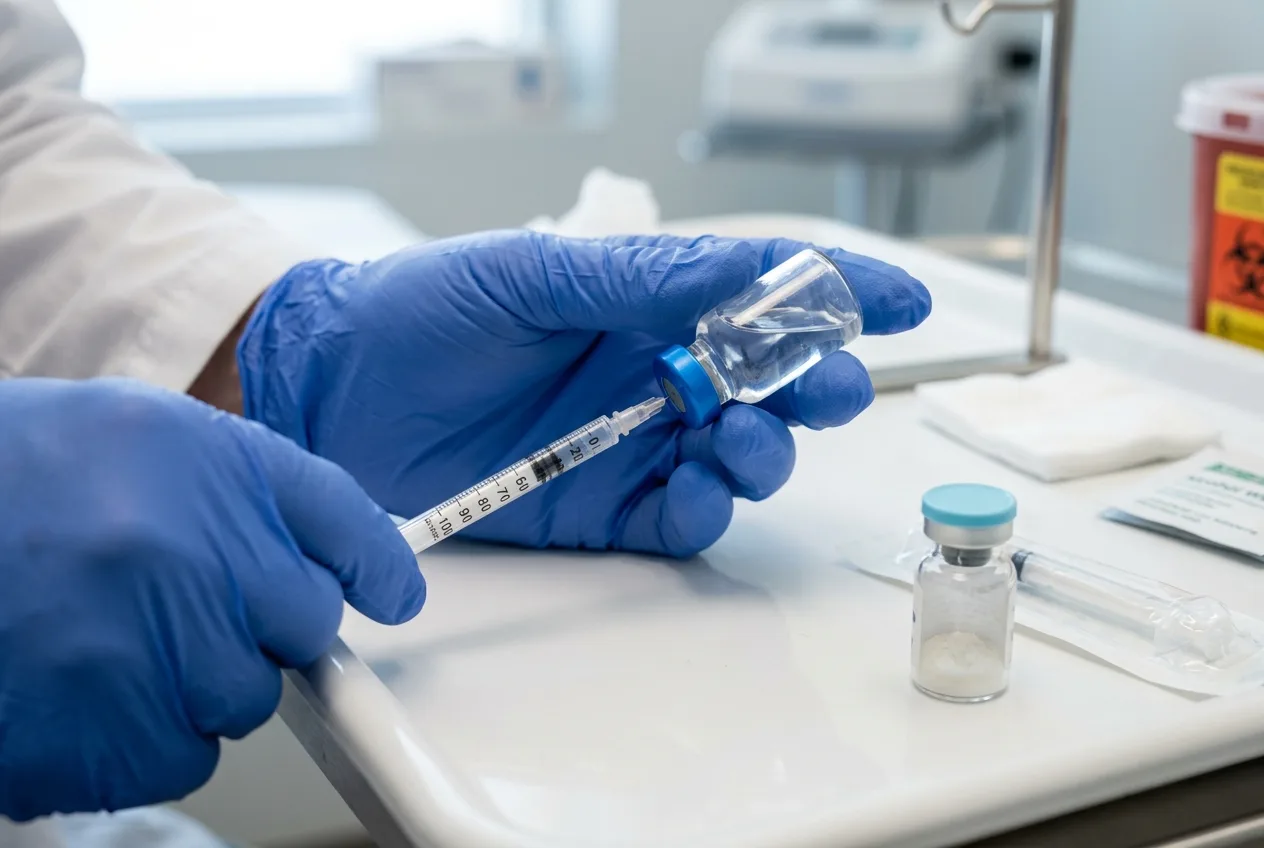
Subcutaneous: 29–31 gauge insulin syringe, ¼–½ inch, at a 45–90° angle into the abdomen or near the injury.
Intramuscular (for deep joint/tendon targeting): 27–30 gauge, ~1 inch, near the affected tissue.
Swab the vial top and skin with alcohol, use a new sterile needle every time, and rotate sites.
BPC-157 isn't strongly food- or time-dependent, so consistency matters more than the exact clock time. Many users split the dose morning and evening; for a specific injury, timing one dose around your training or rehab session is common. If you're stacking it with TB-500, aligning both to a morning and/or pre-bed routine keeps things simple. More detail in our peptide timing guide.
BPC-157 cycle length
Typical cycles run 4–6 weeks, adjusted by severity:
Minor / moderate issues: 2–4 weeks
Severe or post-surgical: 4–6 weeks, sometimes up to 8
Gut protocols: 4–6 weeks
Users often report early signs of soft-tissue or gut improvement within 7–10 days. There's no required taper physiologically, though some prefer to ramp down. Long, continuous, back-to-back use is common in the community but isn't well studied for long-term safety.
Stacking BPC-157: the Wolverine Stack
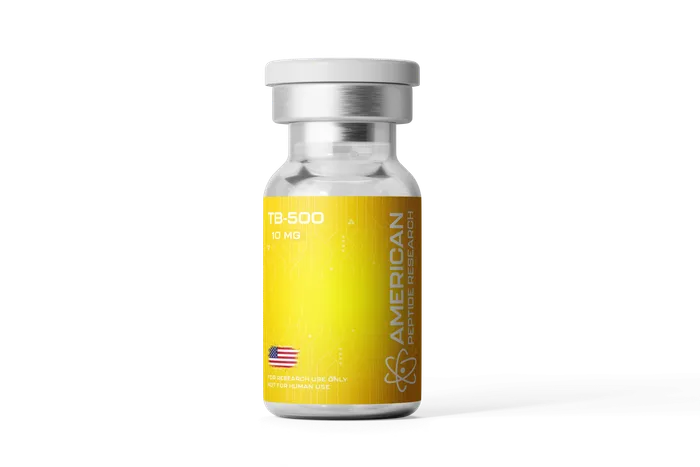
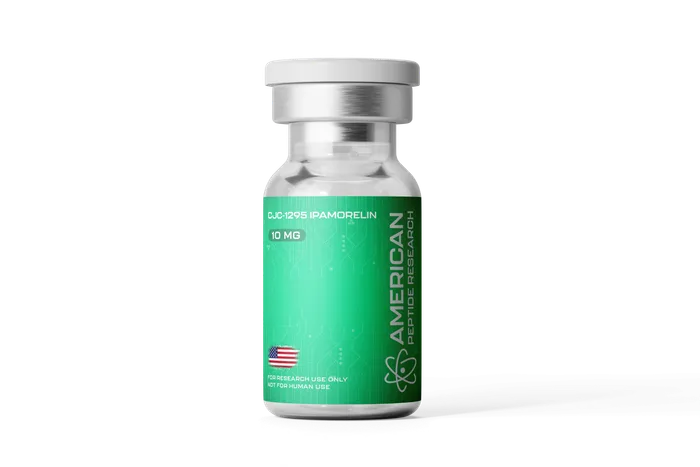
BPC-157 is most famously paired with TB-500 in the so-called Wolverine Stack — BPC-157 drives localized repair while TB-500 supports systemic healing, flexibility and cell migration. Other common additions are the CJC-1295 / ipamorelin growth-hormone pairing for overall recovery. If you're weighing the two healing peptides against each other, see our BPC-157 vs TB-500 breakdown.
BPC-157 side effects
BPC-157 is generally reported as well-tolerated in the short term. Most commonly noted effects are mild and include:
Injection-site irritation, redness or bruising
Occasional nausea, fatigue or a brief head-rush / lightheaded feeling
Rarely, headache or changes in appetite
The bigger caveat is what we don't know: long-term human safety data is limited, and because it's sold as an unregulated research chemical, product purity varies. The FDA has flagged concerns including possible immunogenicity risk and peptide-related impurities.
Is BPC-157 legal?
BPC-157 is not approved by the FDA as a drug or supplement and is sold "for research purposes only." In 2023 the FDA moved to restrict compounding pharmacies from using it, citing insufficient safety data. It's also on the WADA prohibited list, meaning it's banned for athletes subject to drug testing. Legality of possession and personal use varies by country and jurisdiction. This is a compound to approach carefully, with medical guidance and awareness of the rules that apply to you.
Medical disclaimer. This article is for educational purposes only and is not medical advice. BPC-157 is not FDA-approved for human use; the dosages described are ranges reported in research and community practice, not recommendations. Do not start, stop, or change any protocol without consulting a licensed healthcare provider. Athletes should note BPC-157 is prohibited by WADA.
Frequently asked questions
How much BPC-157 should I take per day?
Most protocols use 250–500 mcg per day, with ~500 mcg cited as a common effective dose, usually split into two subcutaneous injections. Start at the lower end and adjust based on response.
What is the BPC-157 dosage for a 200 lb male?
Body-weight scaling (~2–5 mcg/kg) puts a 200 lb / 90 kg person around 180–450 mcg/day. A practical starting point is 250 mcg once or twice daily, moving toward 500 mcg/day for a stubborn injury.
Is oral or injectable BPC-157 better?
Injectable subcutaneous BPC-157 has the strongest research support and is preferred for injury and systemic healing. Oral is favored for gut goals because it acts locally in the digestive tract.
How long should a BPC-157 cycle be?
Typically 4–6 weeks (2–4 for minor issues, up to 8 for severe), followed by a break. Early improvements are often reported within 7–10 days.
What are the side effects of BPC-157?
Reported effects are generally mild — injection-site irritation, occasional nausea, fatigue or lightheadedness. The main concern is limited long-term human safety data and variable product purity.
Is BPC-157 legal and is it banned in sports?
It's not FDA-approved and is sold for research only; the FDA has restricted its use in compounding. It is also banned by WADA, so it's prohibited for tested athletes.
Can you stack BPC-157 with TB-500?
Yes — that combination is the popular "Wolverine Stack," used to accelerate recovery. BPC-157 handles localized repair while TB-500 supports systemic healing.
Research-Grade Peptides
Discount auto-applied
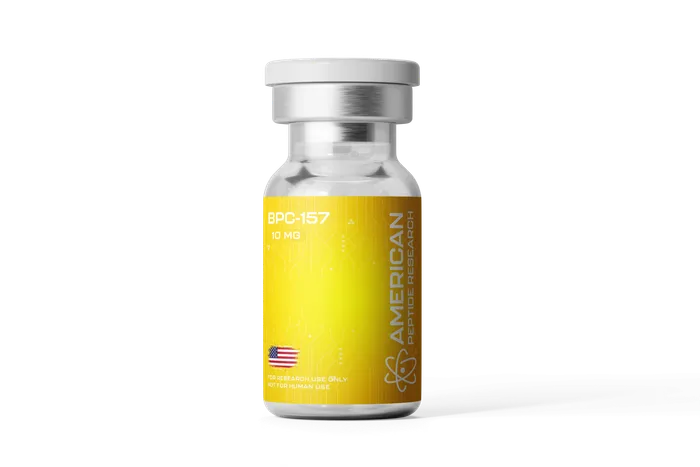
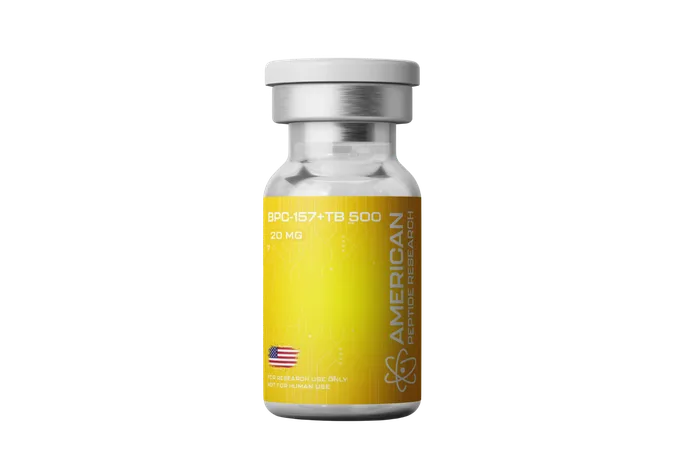
Third-party tested, made in the USA by American Peptide Research. Our link applies your discount automatically.
Partner offer: Daniel Rivas, NinjAthlete’s founder, is Bimini’s marketing director. NinjAthlete may earn a commission from purchases through these links.
Sources & References
Peer-reviewed research this article draws on, attributed to the original study authors and verified against PubMed.