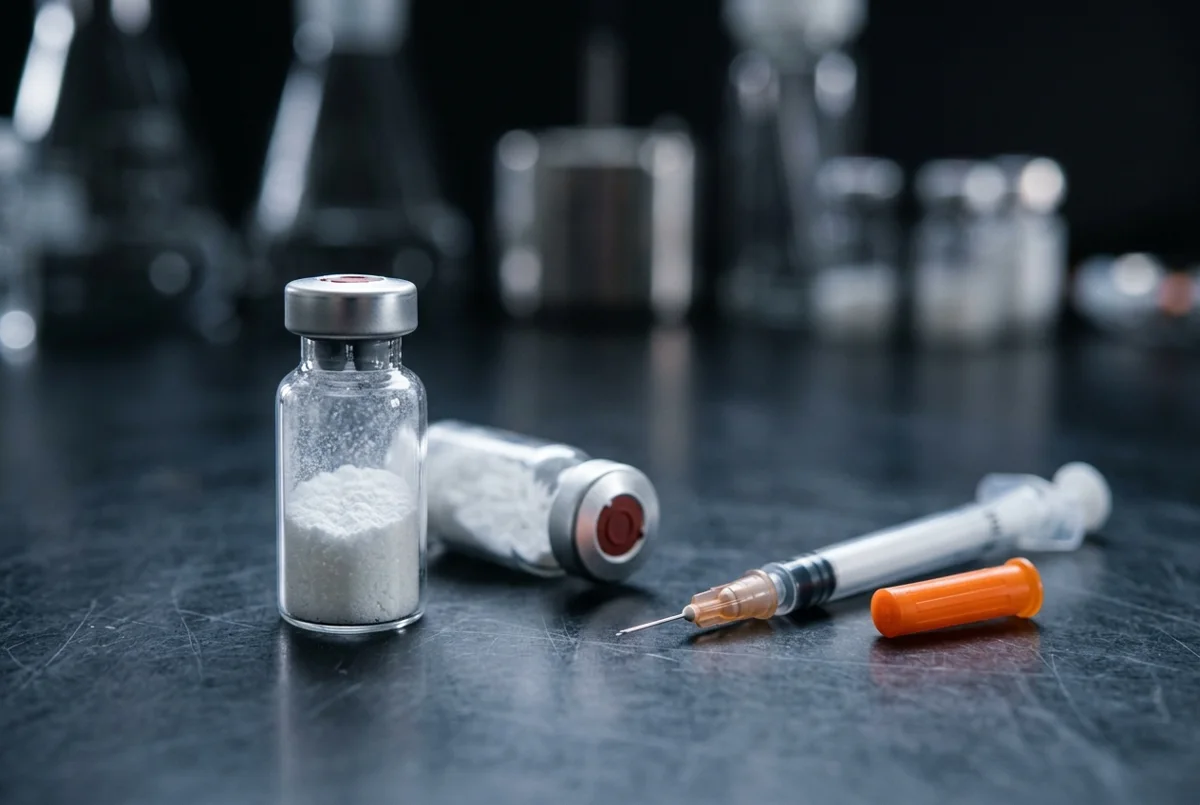
Women's peptide protocols require specific adjustments. Hormonal fluctuations, body composition differences, and unique health goals all influence optimal dosing, timing, and compound selection.
Key Differences for Women
- Lower starting doses: Women typically need 60-75% of male dosing
- Cycle timing matters: Some peptides work better in specific menstrual phases
- Hormonal interactions: GH peptides interact with estrogen and progesterone
- Body composition: Higher body fat % affects peptide distribution
Best Peptides for Women
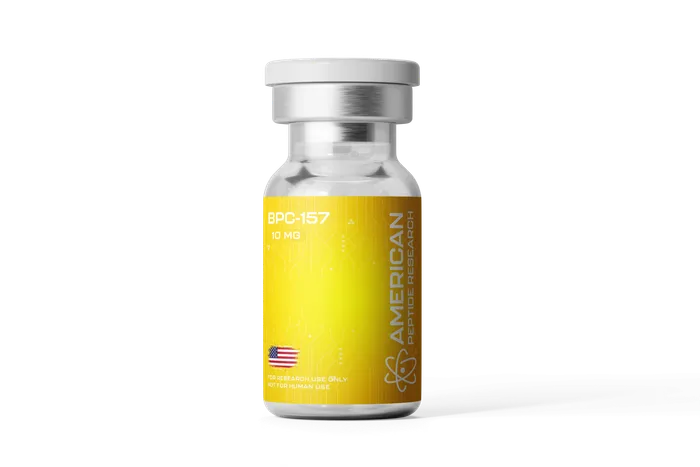
BPC-157 — Recovery & Gut Health
Women's dose: 200-250mcg 2x/day. No hormonal interactions. Safe throughout menstrual cycle. Excellent for gut issues, which are more prevalent in women.
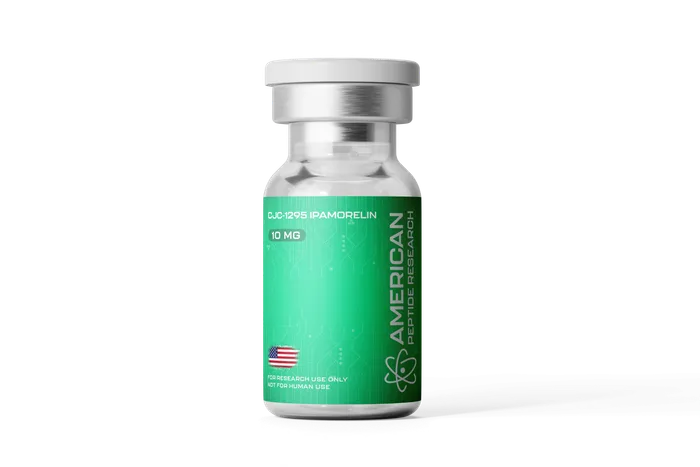
CJC-1295/Ipamorelin — Anti-Aging & Body Composition
Women's dose: Start at 50-100mcg Ipamorelin. GH peptides are particularly effective for women over 35 as natural GH decline accelerates. Time doses around sleep for maximum benefit.
PT-141 — Sexual Health
Women's dose: 0.5-1mg as needed. PT-141 is FDA-approved for women (Vyleesi®) for hypoactive sexual desire disorder. Works through brain mechanisms, not blood flow.
MOTS-C — Metabolic Optimization
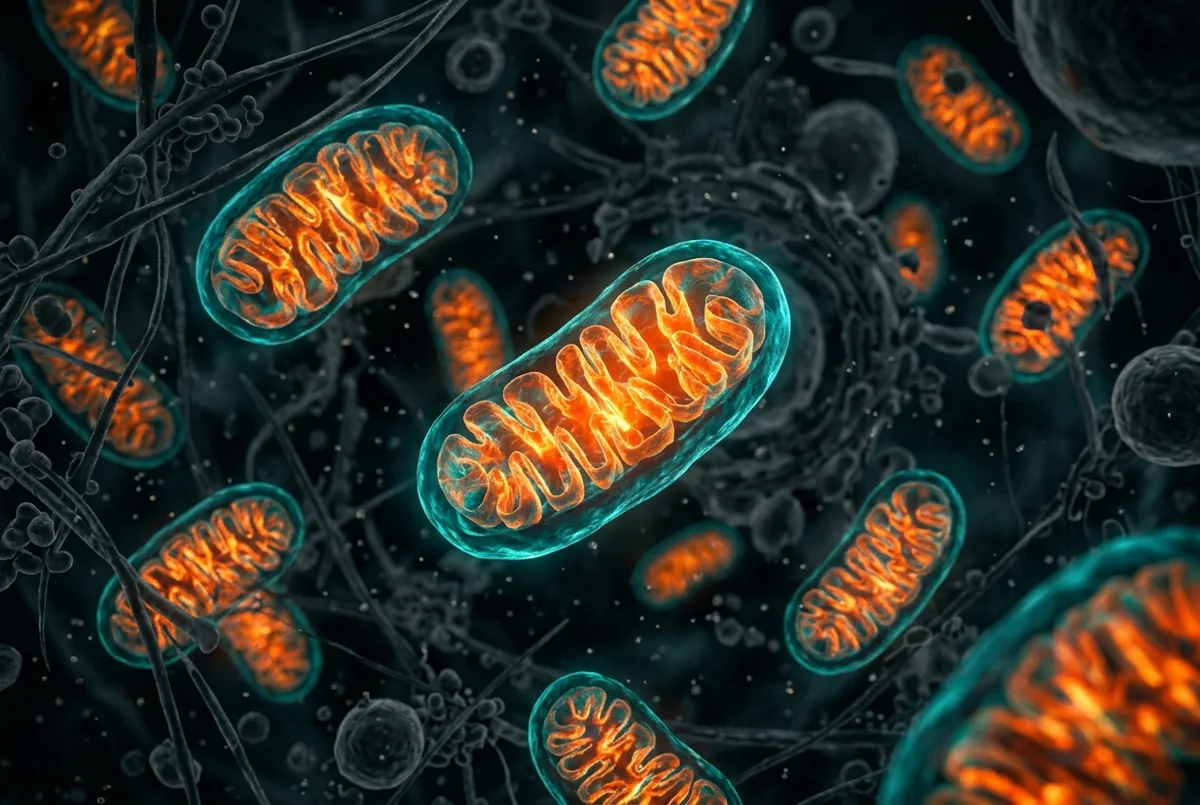
Women's dose: 5-10mg/week. Particularly beneficial for perimenopausal women experiencing metabolic shifts. AMPK activation helps counteract age-related insulin resistance.
Cycle Timing: For GH peptides, the follicular phase (days 1-14) is optimal for maximizing growth hormone response. Avoid starting new peptide protocols during the luteal phase when progesterone is elevated.
Safety Considerations
- Get baseline hormonal bloodwork before starting any protocol
- Monitor thyroid function — GH peptides can affect T3/T4 conversion
- Avoid peptides during pregnancy and breastfeeding
- Track menstrual cycle changes as an early indicator of hormonal impact