The short answer
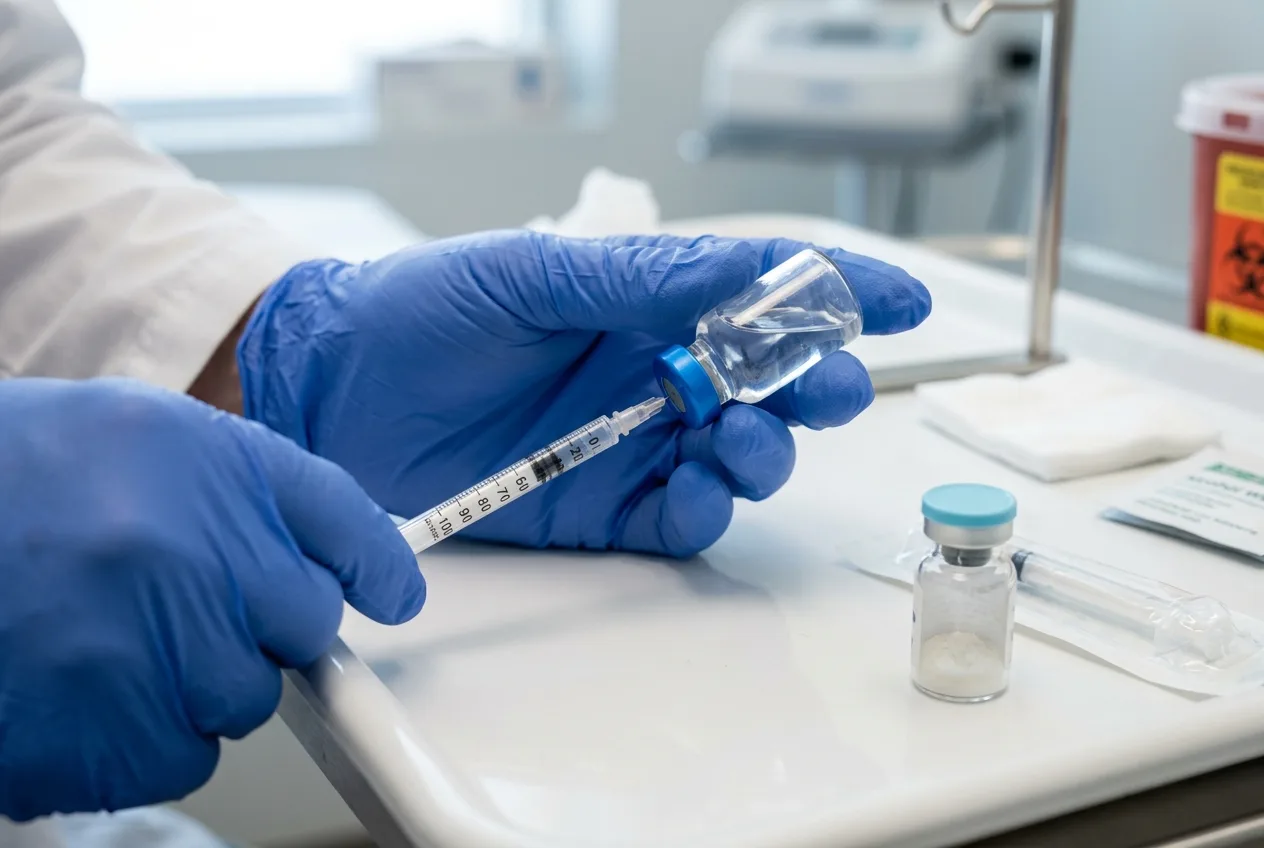
To reconstitute a peptide, slowly add a measured volume of bacteriostatic water to the freeze-dried powder — aim it down the inside wall of the vial, don't blast the powder — then swirl gently (never shake) until clear and store it refrigerated. The amount of water you add sets your concentration, not your dose: more water just means more syringe units per microgram. A common setup is a 5 mg vial + 2 mL bacteriostatic water = 2,500 mcg/mL, so a 250 mcg dose is 10 units on a U-100 insulin syringe.
Key takeaways
- Use bacteriostatic water (not sterile or tap) so the vial keeps for multiple uses.
- Water volume = concentration only. It never changes the total amount of peptide.
- Swirl, don't shake — shaking can degrade the peptide.
- Store reconstituted vials refrigerated at 2–8 °C.
- Not medical advice — this is a handling guide for research compounds.
What "reconstituting" a peptide means
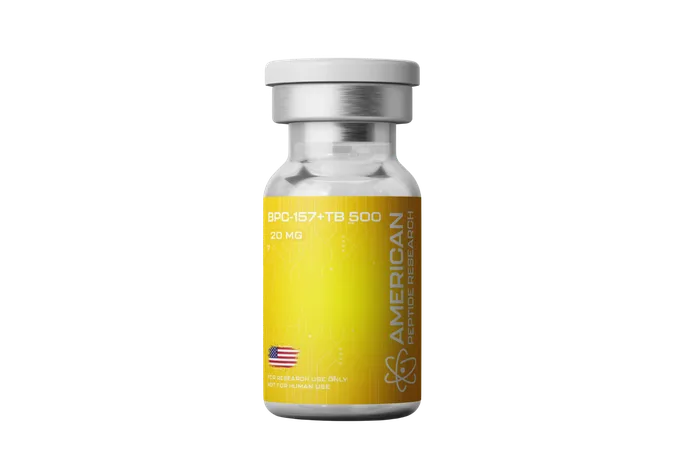
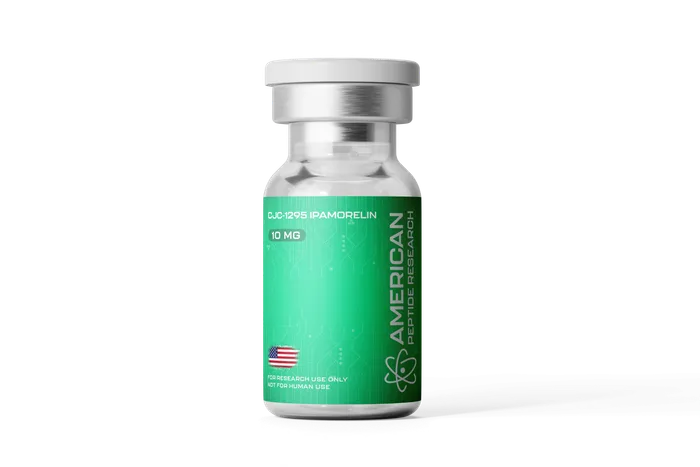
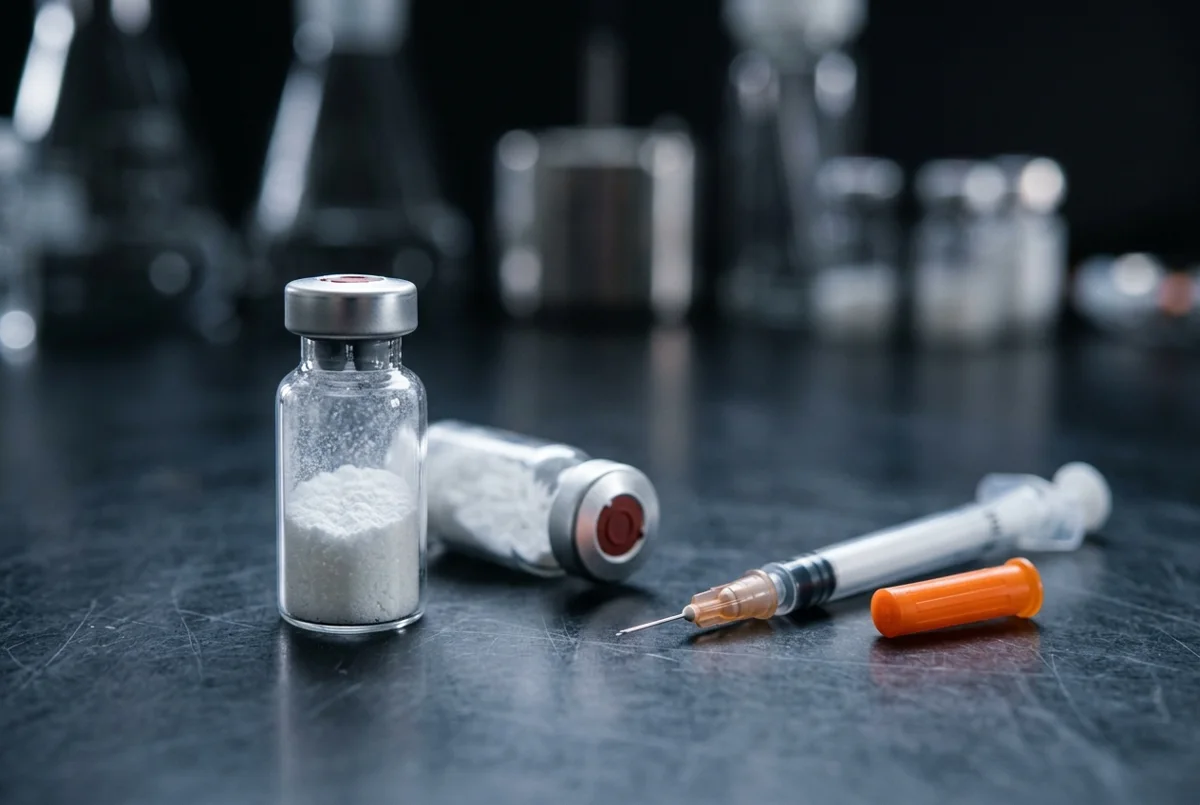
Most research peptides ship as a lyophilized (freeze-dried) powder because they're more stable dry. Before you can measure and inject a dose, you have to dissolve that powder into a liquid — that's reconstitution. The liquid you use is bacteriostatic water: sterile water with 0.9% benzyl alcohol, a preservative that stops bacterial growth so the vial stays usable over several days to weeks in the fridge.
What you'll need
- Your peptide vial (lyophilized powder)
- Bacteriostatic water
- Alcohol swabs
- A sterile syringe for mixing, and U-100 insulin syringes for dosing
How to reconstitute peptides: step by step
- Sanitize. Swab the rubber stoppers of both the peptide vial and the bacteriostatic water vial with alcohol; let them dry.
- Draw your water. Pull your chosen volume of bacteriostatic water into the syringe — e.g., 2 mL for a 5 mg vial.
- Add slowly, down the side. Insert the needle and let the water run down the inside wall of the vial rather than jetting directly onto the powder.
- Dissolve gently. Swirl or roll the vial. Do not shake. Wait until the solution is completely clear (a minute or two).
- Store it. Refrigerate at 2–8 °C and use within the window recommended for your product.
How much bacteriostatic water do you mix with a peptide?
There's no single "correct" amount — it's a trade-off. More water makes each unit on the syringe easier to measure (good for small doses); less water means a smaller injection volume. A common, easy-to-math choice for a 5 mg vial is 2 mL. Use this chart:
| Vial size | Bac water added | Concentration | Draw for 250 mcg | Draw for 500 mcg |
|---|
| 5 mg | 2 mL | 2,500 mcg/mL | 0.10 mL (10 units) | 0.20 mL (20 units) |
| 5 mg | 1 mL | 5,000 mcg/mL | 0.05 mL (5 units) | 0.10 mL (10 units) |
| 10 mg | 2 mL | 5,000 mcg/mL | 0.05 mL (5 units) | 0.10 mL (10 units) |
| 2 mg | 1 mL | 2,000 mcg/mL | 0.125 mL (12.5 units) | 0.25 mL (25 units) |
"Units" = marks on a standard U-100 insulin syringe (100 units = 1 mL). Educational only — not medical advice.
Storage & handling
- Before mixing: keep lyophilized powder cool and dark; many are stable at room temp short-term but fridge/freezer is safest long-term.
- After mixing: refrigerate; don't freeze reconstituted peptides.
- Keep it out of direct light and always re-swab the stopper before each draw.
Medical disclaimer. This is a handling and preparation guide for research compounds, not medical advice, and not an endorsement of use. Many peptides are not approved by the FDA for human use. Consult a licensed healthcare provider before using any peptide.
Frequently asked questions
How much bacteriostatic water do I mix with a 5 mg peptide vial?
1–2 mL is standard. 2 mL gives an easy 2,500 mcg/mL, so a 250 mcg dose is 10 units on a U-100 syringe. The amount only changes concentration, not the total peptide.
Can I use regular or sterile water instead of bacteriostatic water?
Bacteriostatic water is preferred because its preservative lets you store and reuse the vial over days. Sterile water has no preservative and is generally only for single-use, same-day dosing.
Why shouldn't you shake a reconstituted peptide?
Peptides are fragile chains; vigorous shaking can degrade them. Gentle swirling dissolves the powder without breaking down the molecule.
How long does reconstituted peptide last?
Refrigerated, many reconstituted peptides stay stable for several weeks, though it varies by peptide and product. Follow your specific product's guidance.
How much water do I use for a 10 mg vial?
2 mL gives 5,000 mcg/mL, so 250 mcg is 5 units. Use more water if you want easier measurement of small doses.