Can You Mix Peptides in the Same Syringe? The Combos That Work
Yes - some peptides (BPC-157 + TB-500, CJC-1295 + ipamorelin) can share a syringe; others shouldn't. Which combos work, which sabotage results, and why.
6 min readJune 1, 2025
NA
NinjAthlete Team| Updated: October 21, 2026
YOUR POST-TRAINING ROUTINE
Make room for recovery.
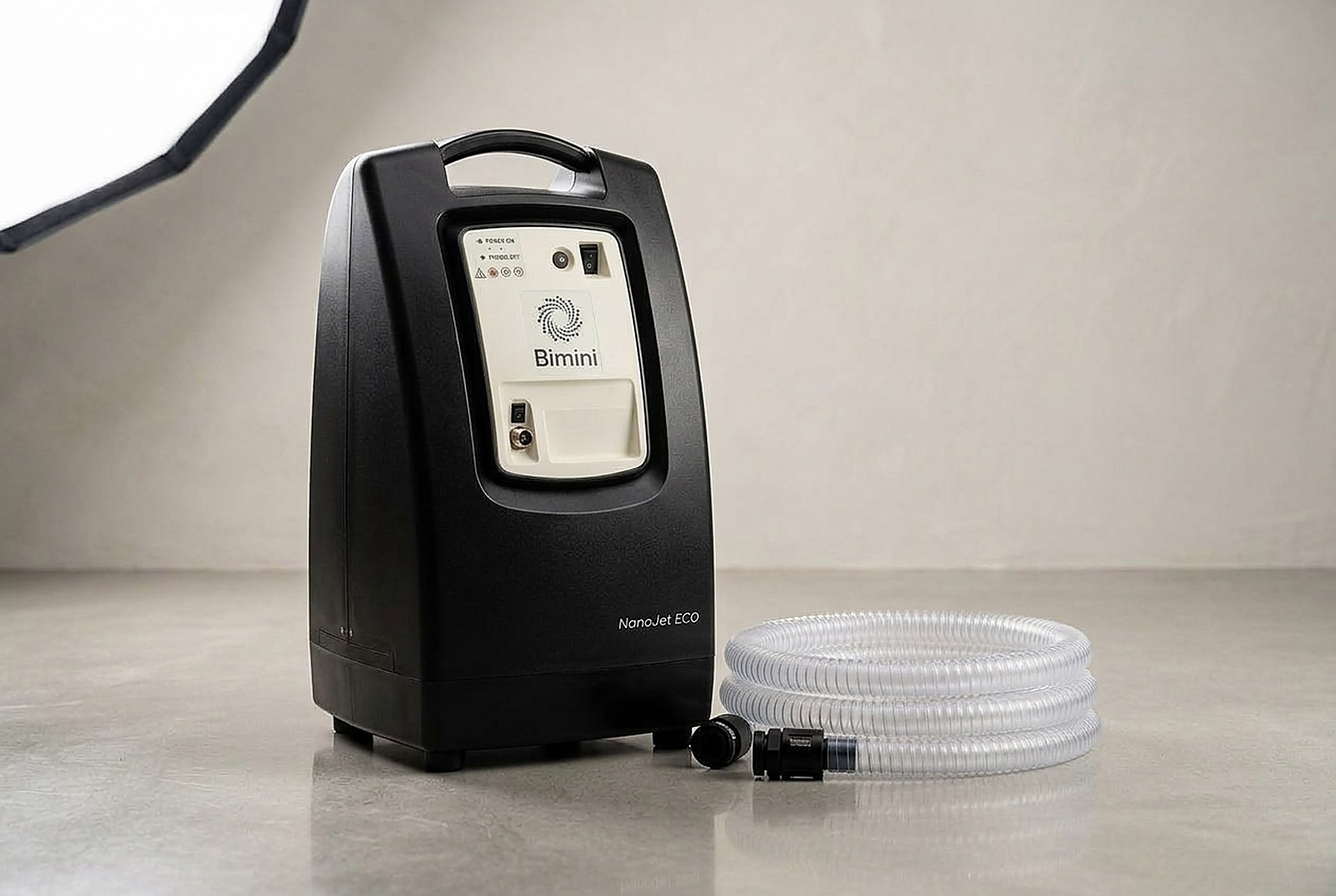
Get to know Bimini’s warm-water nanobubble system. Compare home options and see how the setup fits your routine.
Bimini NanoJet® Eco
$9,650.00$8,685.00
With NINJA • Before shipping and tax. Final offer confirmed by Bimini.
Partner offer: Daniel Rivas, NinjAthlete’s founder, is Bimini’s marketing director. NinjAthlete may earn a commission from purchases through these links.
Medical Disclaimer: This article is for educational and informational purposes only. It is not intended as medical advice, diagnosis, or treatment.
Always consult a qualified healthcare professional before starting any peptide protocol, supplement regimen, or training program. Sources are cited with DOI/PubMed links where available. Read our editorial policy
The short answer
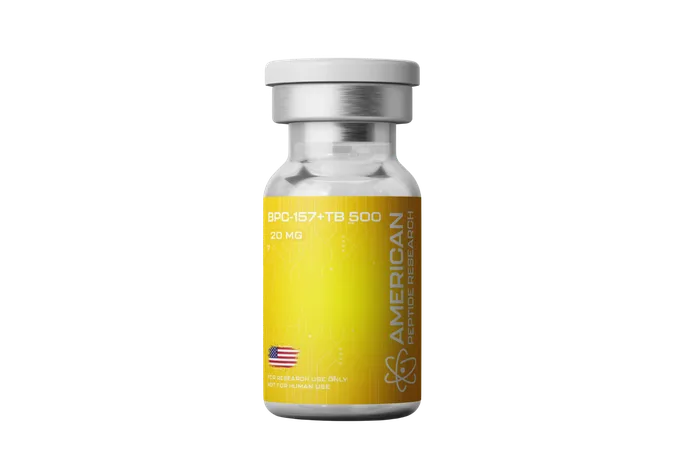
Yes — you can physically mix some compatible peptides in the same syringe (for example BPC-157 + TB-500, or CJC-1295 + ipamorelin) to cut down on injections. But not all combinations are safe to co-mix: some degrade each other's potency or aren't pH-compatible, and mixing makes it harder to adjust one dose on its own. When accuracy or stability matters, draw and inject them separately. Below: which peptides are commonly combined, which aren't, and why "mixing" can sabotage your results.
Key takeaways
Combining in one syringe ≠ combining in one vial — co-drawing right before injecting is safer than pre-mixing for storage.
Keep separate when you need to titrate a dose independently or stability is uncertain.
Never mix a peptide with something it's not meant to share solution with (e.g., certain GLP-1s).
Not medical advice.
Can you mix peptides in the same syringe?
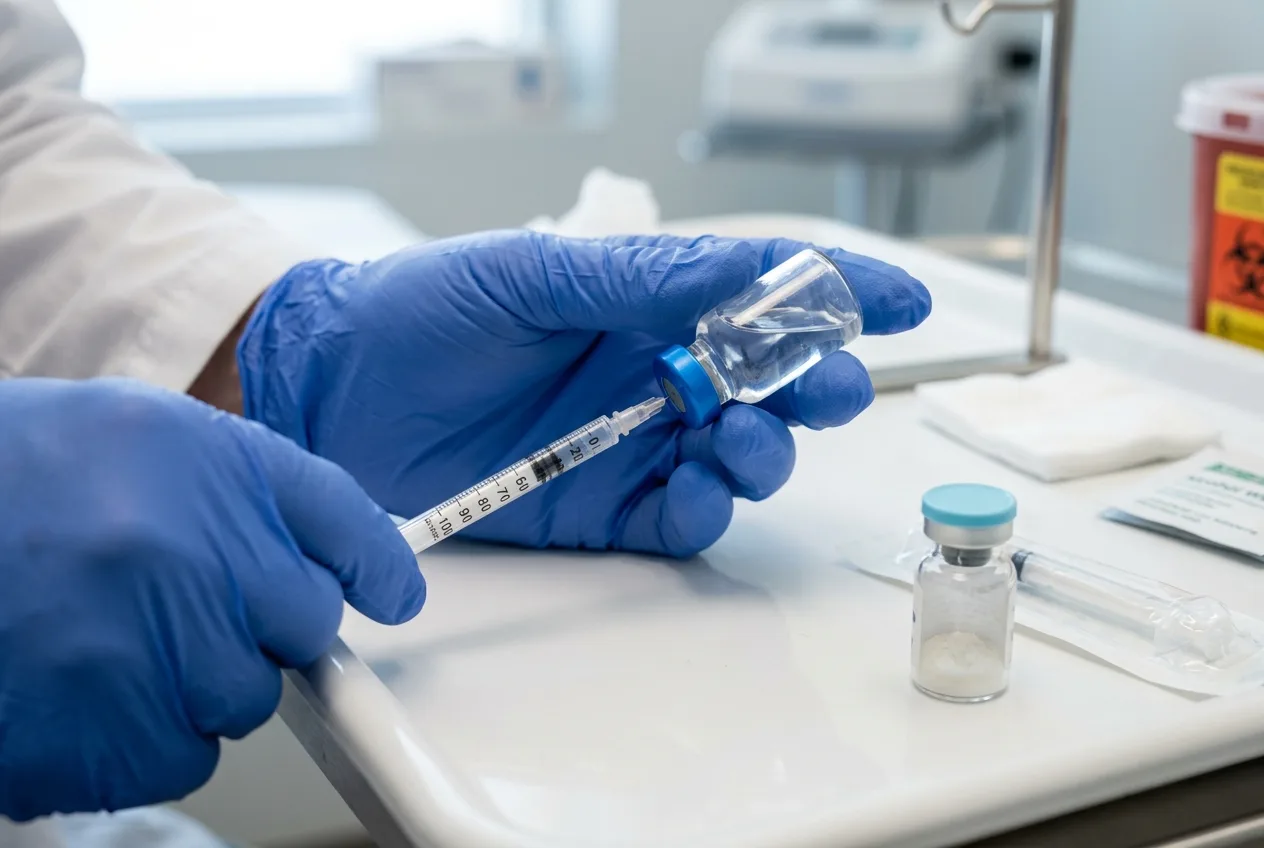
In many cases, yes. If two peptides are compatible, drawing both into one insulin syringe and injecting together is a common way to reduce the number of pins per day. The key distinction: mixing in the syringe right before you inject is different from pre-combining peptides in a single vial for storage. The first is generally fine for compatible compounds; the second raises stability questions, because two peptides sitting together in solution for days can degrade faster than they would alone.
AppPeptide Protocol Tracker
Track Your Protocol with PeptIQ
AI-powered dosing, smart reminders, and progress logging — all in one app. Never miss a dose.
Sometimes combined; watch for solution compatibility.
GH secretagogues + GLP-1s
Keep separate
Titrate GLP-1s independently; different dosing cadence and goals.
Anything you're still dialing in
Keep separate
You can't adjust one dose if they share a syringe.
General community/clinical conventions — verify specific compatibility for your exact products. Not medical advice.
Why mixing peptides can sabotage your results
Three ways a careless mix backfires:
You lose dose control. Once two peptides share a syringe (or vial), you can't raise one and lower the other — you're locked to the ratio you drew.
Stability & pH. Some peptides sit best at different pH; combining them in storage can accelerate degradation, so you inject less active peptide than you think.
Troubleshooting gets impossible. If you start two peptides at once, or blend them, and something changes — good or bad — you have no idea which compound did it.
The safest default: reconstitute and store peptides separately, co-draw only compatible pairs immediately before injecting, and introduce one new peptide at a time.
Medical disclaimer. Educational only, not medical advice. Most peptides discussed are not FDA-approved for human use. Consult a licensed healthcare provider before combining or using any peptide.
Frequently asked questions
Can you mix peptides in the same syringe?
Yes, for compatible peptides like BPC-157 + TB-500 or CJC-1295 + ipamorelin — drawn together right before injecting. It reduces injections but means you can't adjust one dose independently.
Can you mix peptides in one vial for storage?
It's riskier than co-drawing. Two peptides stored together can degrade faster and may have different pH needs. Storing separately and combining in the syringe is safer.
What peptides should not be mixed?
Keep GLP-1s and anything you're still titrating separate, and don't blend peptides whose compatibility you can't confirm. When in doubt, inject separately.
Does mixing peptides reduce their effectiveness?
It can — through degradation or pH incompatibility in storage, and by removing your ability to fine-tune each dose. Compatible co-draws done fresh are generally fine.
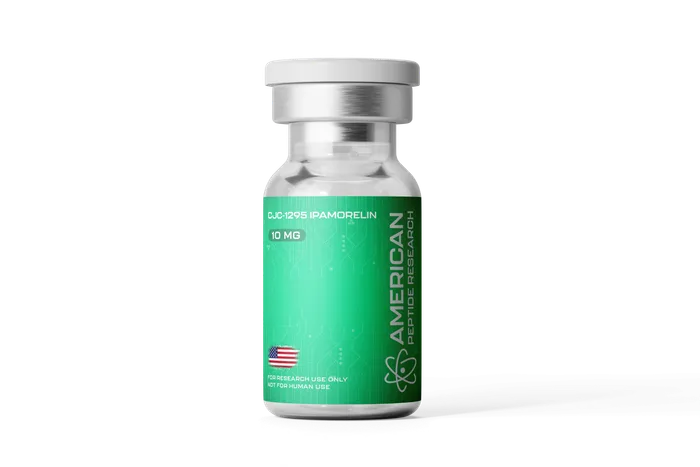
Research-Grade Peptides
Discount auto-applied
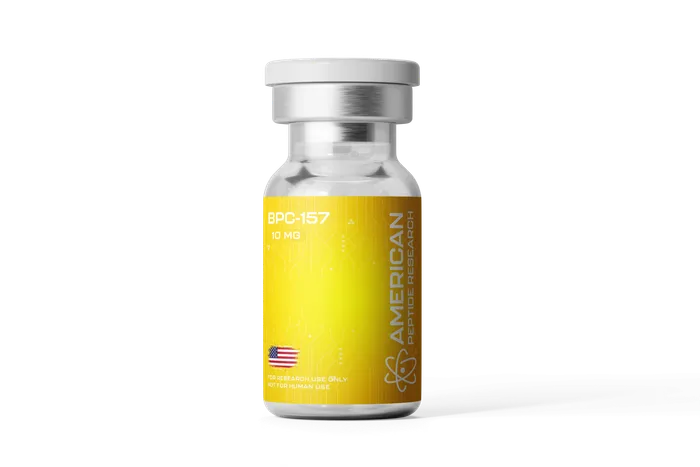
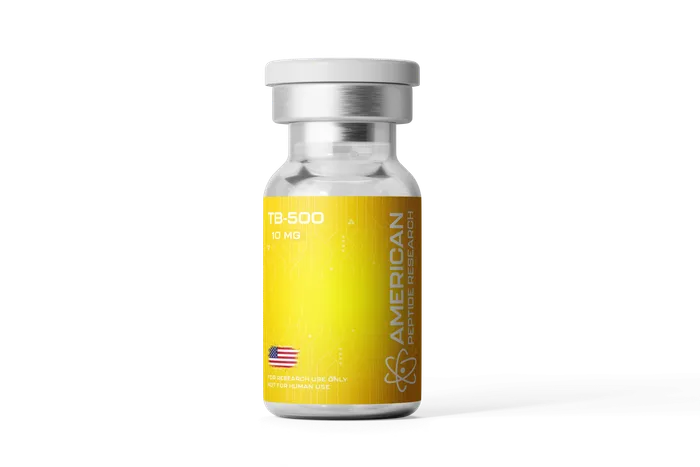
Third-party tested, made in the USA by American Peptide Research. Our link applies your discount automatically.
Partner offer: Daniel Rivas, NinjAthlete’s founder, is Bimini’s marketing director. NinjAthlete may earn a commission from purchases through these links.
Sources & References
Peer-reviewed research this article draws on, attributed to the original study authors and verified against PubMed.