
MOTS-C Benefits: The Mitochondrial Peptide for ATP, Longevity & Performance
Discover the research-backed benefits of MOTS-c peptide: 40% more ATP, doubled running capacity, improved insulin sensitivity & healthspan. Complete guide with mechanism, studies & protocols.
Your mitochondria have their own DNA. And they're using it to communicate directly with your nucleus in ways that most people — including most doctors — don't understand.
Enter MOTS-c: a 16-amino acid peptide encoded in the mitochondrial genome that's rewriting everything we thought we knew about cellular energy, aging, and metabolic health.
This isn't another overhyped supplement. This is peer-reviewed, replicated science published in journals like Cell Metabolism, Nature Communications, and Diabetologia.
If you've been exploring peptide therapy for performance optimization, MOTS-c represents one of the most fascinating frontiers in the field — a direct messenger from your mitochondria that controls how you age, recover, and perform.
Let me break down exactly what MOTS-c does, why it matters, and what the research actually shows.
🔬 MOTS-C BY THE NUMBERS
40%Increase in ATP ProductionCell Metabolism, 2015
2XRunning Capacity in Aged MiceNature Communications, 2021
12XMuscle MOTS-c Increase After ExerciseNature Communications, 2021
MOTS-c (Mitochondrial Open Reading Frame of the 12S rRNA type-c) is a mitochondrial-derived peptide discovered in 2015 by researchers at the University of Southern California. Unlike most peptides that are encoded in your nuclear DNA, MOTS-c is produced directly by your mitochondria.
This distinction matters. Your mitochondria aren't just passive energy factories — they're active communicators that send signals to your nucleus regulating everything from stress response to gene expression.
MOTS-c is one of those signals. And it's arguably the most important one we've discovered.
💡
Key Insight
Under normal conditions, MOTS-c is colocalized to mitochondria in various tissues and found circulating in plasma. But when metabolic stress hits, something remarkable happens: MOTS-c translocates to the nucleus where it regulates a broad range of genes involved in stress adaptation and metabolic function.
This is similar to the concept of Kaizen — continuous improvement at the cellular level. Your mitochondria are constantly signaling for optimization, and MOTS-c is the messenger.
How MOTS-C Works: The Mechanism
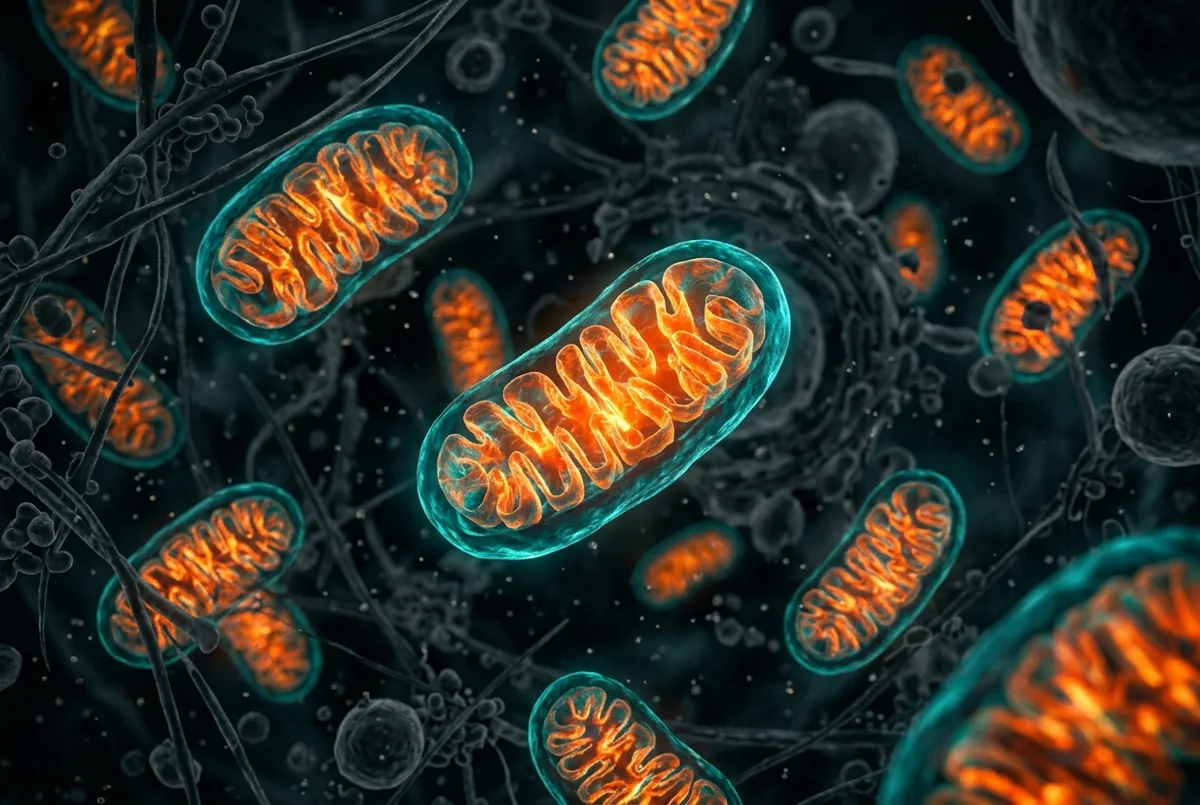
Understanding MOTS-c requires understanding the electron transport chain (ETC) — the system your mitochondria use to produce ATP.
Your ETC consists of five protein complexes embedded in the inner mitochondrial membrane. Electrons flow through these complexes, pumping protons across the membrane to create an electrochemical gradient. This gradient drives ATP synthase — essentially a molecular turbine that produces ATP, the energy currency of your cells.
Here's where it gets problematic: Complex I is the most vulnerable component of this system.
⚠️
The Vicious Cycle of Mitochondrial Dysfunction
When Complex I fails — due to aging, metabolic dysfunction, or injury — electrons leak and react with oxygen to form reactive oxygen species (ROS). These ROS damage the very proteins that leaked them, creating a vicious cycle of mitochondrial dysfunction. This is the common denominator in virtually every chronic disease.
⚡ MOTS-C ACTIVATION PATHWAY
1
Metabolic Stress Detected
Mitochondria detect stress (exercise, fasting, caloric restriction) and upregulate MOTS-c production
2
Nuclear Translocation
MOTS-c translocates from mitochondria to the nucleus in an AMPK-dependent manner
3
AMPK Activation
MOTS-c activates AMP-activated protein kinase — your body's master metabolic switch
4
PGC-1α Upregulation
Activated AMPK phosphorylates PGC-1α, the master regulator of mitochondrial biogenesis
5
Mitochondrial Biogenesis
New mitochondria are created while damaged ones are cleared through autophagy/mitophagy
6
Enhanced ATP Production
Healthier mitochondrial population increases ATP production by up to 40%
This is why I compare MOTS-c to metformin in my article on MOTS-c vs Metformin for longevity. Both activate AMPK, but through completely different mechanisms — and MOTS-c has some distinct advantages.
The Research: What MOTS-C Actually Does
Let's get into the peer-reviewed evidence. No speculation — just what the studies show.
ATP Production & Mitochondrial Function
40% increase in mitochondrial ATP content in HEK293 cells (Cell Metabolism, 2015)
Protected against inflammation and oxidative stress in cardiac cells (H9C2)
Increased ATP content in doxorubicin-induced senescent human fibroblasts
Restored mitochondrial respiration in type 2 diabetic heart tissue (Frontiers in Physiology, 2025)
Enhanced mitochondrial biogenesis through AMPK → PGC-1α pathway
"MOTS-c administration increased mitochondrial ATP content and protected against inflammation and oxidative stress." — Lee et al., Cell Metabolism, 2015
Physical Performance & Exercise Capacity
Mice of all ages (young, middle-aged, old) performed significantly better on treadmill tests
Old mice (22+ months) doubled their running capacity — outperforming untreated middle-aged mice
Exercise increased endogenous MOTS-c in skeletal muscle by nearly 12-fold
Circulation MOTS-c increased by approximately 50% during exercise
Late-life treatment improved grip strength, gait, and physical performance
This connects directly to athletic performance optimization. If you're training for events like HYROX, understanding mitochondrial function is crucial.
"The older mice were the human equivalent of 65+ and once treated, they doubled their running capacity on the treadmill." — Reynolds et al., Nature Communications, 2021
Metabolic Health & Insulin Sensitivity
Prevented age-dependent and high-fat diet-induced insulin resistance
Reversed diet-induced obesity in mice
Improved glucose tolerance significantly
MOTS-c levels significantly lower in type 2 diabetes patients vs healthy controls
Reduced sphingolipid metabolism, monoacylglycerol metabolism, and dicarboxylate metabolism — all elevated in obesity/T2D
For those optimizing metabolic health, this pairs well with strategies like water fasting protocols that also activate AMPK.
"MOTS-c treatment in mice prevented age-dependent and high-fat diet-induced insulin resistance, as well as diet-induced obesity." — Lee et al., Cell Metabolism, 2015
Reduced fat mass while preserving lean mass in aged mice
Trended toward increased median (6.4%) and maximum (7.0%) lifespan
Compressed morbidity profile — healthier years at end of life
Japanese population with MOTS-c variant associated with exceptional longevity
MOTS-c levels naturally decline with age — correlating with health decline
The longevity implications connect to the broader conversation about the anterior midcingulate cortex and willpower — optimizing both your brain and cellular energy systems.
"An exceptionally long-lived Japanese population harbors a mitochondrial DNA SNP that yields a functional variant of MOTS-c." — Fuku et al., Aging Cell, 2015
Neuroprotection & Cognitive Function
Enhanced formation of object and location recognition memories via AMPK activation
Significantly downregulated pro-inflammatory cytokines (IL-6, IL-1β, TNF-α) in hippocampus
Ameliorated memory deficits induced by Aβ1-42 (Alzheimer's-related amyloid) or LPS
Can cross blood-brain barrier when fused with cell-penetrating peptide
Protects neurons from oxidative stress — central to neurodegenerative disease
"MOTS-c treatment significantly downregulated the expression of pro-inflammatory cytokines in the hippocampus." — Journal of Translational Medicine, 2023
MOTS-C vs. Other Metabolic Interventions
How does MOTS-c stack up against other interventions that target similar pathways?
Here's the critical point: MOTS-c levels naturally decline as you age.
This decline correlates with:
Decreased mitochondrial function
Reduced physical capacity
Increased insulin resistance
Higher inflammatory markers
Greater susceptibility to age-related diseases
🧬
The Longevity Connection
Researchers noted that an exceptionally long-lived Japanese population harbors a mitochondrial DNA variant (m.1382A>C) that yields a functional variant of MOTS-c. This suggests a potential genetic link between MOTS-c function and human longevity.
The decline in MOTS-c appears to be both a marker and a contributor to the aging process. This is why researchers are investigating MOTS-c supplementation as a potential intervention for age-related decline.
MOTS-C in the Context of Peptide Protocols
If you're already using peptides for recovery or performance, understanding where MOTS-c fits is essential.
And unlike growth hormone secretagogues like MK-677/Ibutamoren, MOTS-c doesn't affect GH/IGF-1 pathways — it works through AMPK activation.
⚠️
Important: Peptide Protocol Considerations
Before combining peptides, understand how they interact. My article on why mixing peptides can sabotage results covers the key principles. MOTS-c has a different mechanism than most peptides, but proper protocol design still matters.
For those looking for structured guidance, the PeptiQ app can help design evidence-based protocols.
Where to Get MOTS-C
If you're interested in exploring MOTS-c as part of your optimization protocol, quality matters enormously. You need a source that provides pharmaceutical-grade peptides with verified purity.
🔬 Source Matters
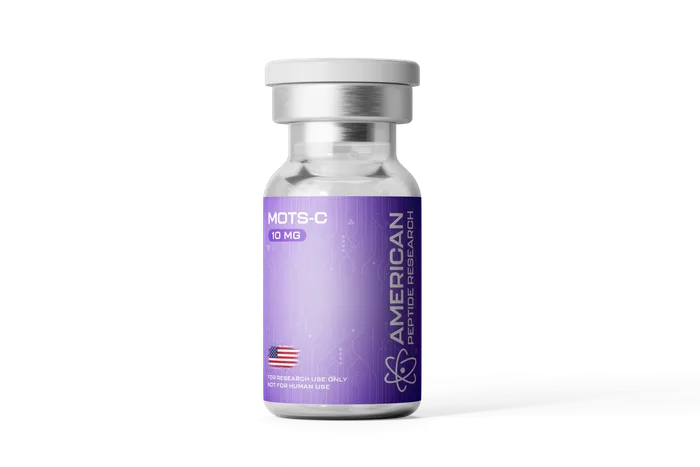
I recommend American Peptide Research for MOTS-c. They provide third-party tested, research-grade peptides with verified purity — exactly what you need when working with compounds at this level.
MOTS-c represents a paradigm shift in how we understand cellular energy, aging, and metabolic health.
It's not about optimizing a broken system — it's about building new cellular power plants while upgrading the old ones and clearing out the damaged ones through autophagy.
It improves insulin sensitivity and glucose metabolism
It enhances physical performance across all age groups
It shows potential for extending healthspan and compressing morbidity
It provides neuroprotective and cardioprotective effects
Its levels decline with age — correlating with declining health
This is peer-reviewed, replicated science published in top-tier journals. Not speculation. Not broscience.
What you do with this information is up to you. But now you know what's actually happening at the cellular level — and that knowledge is power.
Stay educated. Stay optimized.
Frequently Asked Questions About MOTS-C
MOTS-c (Mitochondrial Open Reading Frame of the 12S rRNA type-c) is a 16-amino acid peptide encoded in the mitochondrial genome. Unlike most peptides encoded in nuclear DNA, MOTS-c is produced directly by mitochondria. It works primarily by activating AMPK (AMP-activated protein kinase), which triggers mitochondrial biogenesis through PGC-1α upregulation. Under metabolic stress, MOTS-c translocates to the nucleus where it regulates genes involved in stress adaptation and metabolic function.
Research shows MOTS-c provides multiple benefits: 40% increase in ATP production, doubled running capacity in aged mice, improved insulin sensitivity, prevention of diet-induced obesity, enhanced glucose metabolism, reduced inflammatory markers (IL-6, IL-1β, TNF-α), neuroprotective effects, cardioprotection, and extended healthspan. These benefits stem from MOTS-c's ability to trigger mitochondrial biogenesis — building new, healthy mitochondria while clearing damaged ones.
Both MOTS-c and Metformin activate AMPK, but through different mechanisms. Metformin inhibits Complex I of the electron transport chain, while MOTS-c is a direct signaling peptide that translocates to the nucleus to regulate gene expression. MOTS-c also triggers mitochondrial biogenesis through PGC-1α, creating new mitochondria rather than just optimizing existing ones. Research suggests MOTS-c may have broader metabolic benefits without some of Metformin's potential side effects on muscle tissue.
MOTS-c is considered an "exercise mimetic" because it produces many of the same metabolic benefits as physical exercise. Human studies show that exercise increases endogenous MOTS-c levels in skeletal muscle (nearly 12-fold) and circulation (approximately 50%). MOTS-c treatment and exercise training have additive effects, meaning combining both may provide enhanced benefits for metabolic health and physical performance.
Yes, MOTS-c levels naturally decline with age. This decline correlates with decreased mitochondrial function, reduced physical capacity, increased insulin resistance, higher inflammatory markers, and greater susceptibility to age-related diseases. Interestingly, an exceptionally long-lived Japanese population harbors a mitochondrial DNA variant that produces a functional variant of MOTS-c, suggesting a genetic link between MOTS-c function and human longevity.
MOTS-c activates AMPK, which then upregulates PGC-1α (the master regulator of mitochondrial biogenesis). PGC-1α controls all steps of the mitochondrial life cycle: fusion, fission, biogenesis, and mitophagy. This means MOTS-c doesn't just improve existing mitochondria — it triggers the creation of new, healthy mitochondria while facilitating the removal of damaged ones through autophagy.
Research strongly supports MOTS-c's benefits for metabolic health. Studies show MOTS-c prevents age-dependent and high-fat diet-induced insulin resistance, reverses diet-induced obesity, improves glucose tolerance, and enhances insulin sensitivity. Clinical studies also show that circulating MOTS-c levels are significantly lower in type 2 diabetes patients compared to healthy controls. A 2025 study demonstrated MOTS-c prevents pancreatic islet cell senescence, helping preserve beta-cell function.
Current research has not identified significant adverse effects from MOTS-c treatment in animal studies. However, human clinical data is still limited. The analog CB4211 was tested in a Phase 1a/1b trial and met its primary safety endpoint, though injection site reactions were common. As with any peptide therapy, working with a qualified healthcare provider is essential. MOTS-c remains primarily a research compound without FDA approval for therapeutic use.
Complex I is the most vulnerable component of the electron transport chain. When it fails, electrons leak and react with oxygen to form reactive oxygen species (ROS), which damage mitochondrial proteins in a vicious cycle. MOTS-c addresses this by activating AMPK and triggering mitochondrial biogenesis — essentially building new, functional mitochondria to replace damaged ones rather than just trying to repair the broken system.
Key studies include: Lee et al. (2015) in Cell Metabolism showing MOTS-c promotes metabolic homeostasis and reduces obesity; Reynolds et al. (2021) in Nature Communications demonstrating MOTS-c improves physical performance and healthspan in mice; Kim et al. (2018) in Cell Metabolism showing nuclear translocation and gene regulation; and multiple studies in Diabetologia, Frontiers in Endocrinology, and Experimental & Molecular Medicine confirming metabolic and anti-aging benefits.
Lee C, Zeng J, Drew BG, et al. The mitochondrial-derived peptide MOTS-c promotes metabolic homeostasis and reduces obesity and insulin resistance. Cell Metabolism. 2015;21(3):443-454.
Reynolds JC, Lai RW, Woodhead JST, et al. MOTS-c is an exercise-induced mitochondrial-encoded regulator of age-dependent physical decline and muscle homeostasis. Nature Communications. 2021;12(1):470.
Kim KH, Son JM, Benayoun BA, Lee C. The mitochondrial-encoded peptide MOTS-c translocates to the nucleus to regulate nuclear gene expression in response to metabolic stress. Cell Metabolism. 2018;28(3):516-524.e7.
Zheng Y, Wei Z, Wang T. MOTS-c: A promising mitochondrial-derived peptide for therapeutic exploitation. Frontiers in Endocrinology. 2023;14:1120533.
Zong H, Ren JM, Young LH, et al. The role of AMP-activated protein kinase in mitochondrial biogenesis. The Journal of Physiology. 2002;574(1):33-39.
Cantó C, Auwerx J. PGC-1alpha, SIRT1 and AMPK, an energy sensing network that controls energy expenditure. Current Opinion in Lipidology. 2009;20(2):98-105.
Lu H, Wei M, Zhai Y, et al. MOTS-c peptide regulates adipose homeostasis to prevent ovariectomy-induced metabolic dysfunction. Journal of Molecular Medicine. 2019;97:473-485.
Ramanjaneya M, Jerobin J, Bettahi I, et al. Mitochondrial-derived peptides are down regulated in diabetes subjects. Frontiers in Endocrinology. 2019;10:331.
Fuku N, Pareja-Galeano H, Zempo H, et al. The mitochondrial-derived peptide MOTS-c: a player in exceptional longevity? Aging Cell. 2015;14(6):921-923.
Mitochondria-derived peptide MOTS-c restores mitochondrial respiration in type 2 diabetic heart. Frontiers in Physiology. 2025.
Yang B, Yu Q, Chang B, et al. MOTS-c interacts synergistically with exercise intervention to regulate PGC-1α expression. Biochimica et Biophysica Acta. 2021;1867:166126.
Disclaimer: This article is for educational purposes only and is not medical advice. Always consult with a qualified healthcare provider before starting any new supplement or treatment protocol. MOTS-c is a research compound and not approved by the FDA for therapeutic use.