The Best Wellness & Biohacking Trends for Men and Women
Three markets inside a $9.8 trillion economy — and why, for once, you're early to all of them.
Heads up: some links below are affiliate/partner links. If you buy through them, NinjAthlete may earn a commission at no extra cost to you. We only point to tools we actually use. This is education, not medical advice.
Key takeaways
- 01The wellness economy hit $6.8 trillion in 2024 and is forecast to reach $9.8 trillion by 2029 — growing faster than global GDP.Global Wellness Institute, Wellness Economy Monitor 2025
- 02Most of the industry still sells stress, sleep and step counts. The real growth is concentrated in three markets athletes and biohackers already live in.
- 03Neurowellness: mental wellness is now $268B, growing 12.4%/yr — the #2 fastest sector. Nervous-system regulation is the trend.GWI 2025 · Global Wellness Summit, Future of Wellness 2026
- 04Longevity & biohacking: personalized medicine is a $147B market, +9.3%/yr; cold, light, peptides and diagnostics are the fastest-spreading tools.GWI Wellness Economy Monitor 2025
- 05Recovery real estate: the wellness-real-estate market is $876B, heading to $1.8T by 2030 — the single fastest-growing sector.GWI Wellness Real Estate Market, May 2026
Here is the number that should reframe how you think about your training, your recovery, and your career: the global wellness economy reached $6.8 trillion in 2024 and is projected to hit $9.8 trillion by 2029. That makes it bigger than sports, bigger than IT, and almost four times the size of the entire pharmaceutical industry.
And yet most of what gets sold under the word "wellness" is still the same three things: stress, sleep, and step counts. Useful — but commoditized. The interesting money, and the interesting science, is moving somewhere else.
According to the Global Wellness Institute, growth over the next five years isn't spread evenly. It clusters in a handful of sectors — and three of them happen to be the exact things athletes, lifters, and biohackers have been doing for years. If you've been tracking HRV, taking cold plunges, or thinking in terms of healthspan, you're not late to a fad. You're early to a market.
For years, "stress reduction" was the soft corner of wellness. That's over. The new framing is nervous-system regulation — and it's been named one of the biggest wellness trends of 2026 by the Global Wellness Summit.
The insight athletes already understand: the bottleneck usually isn't willpower. It's an autonomic nervous system stuck in low-grade fight-or-flight, which shows up as fragmented sleep, blunted recovery, brain fog and stalled progress. Your sleep score and HRV are simply that state made visible.
So the skill that's becoming valuable isn't "relax more." It's the ability to train regulation on purpose — breathwork, HRV biofeedback, parasympathetic down-shifts after hard sessions, light and temperature inputs. If you can speak regulation instead of relaxation, you're ahead of the market that's about to chase it.
The GWI calls out personalized medicine as a $147 billion market growing 9.3% a year, driven by "longevity-seeking consumers rushing to diagnostics and health optimization." Right next to it, traditional & complementary medicine is projected as the #2 fastest-growing sector — explicitly because it now absorbs the biohacking toolkit: infrared, cold, light therapy, IV, and peptides.
Translation: the market is shifting from treat-when-sick to optimize-while-healthy. That's not a new idea to you — it's the entire premise of how athletes already operate. The edge now is doing it from data instead of vibes.
"Optimize-while-healthy" only works if you measure first. A DEXA scan gives you real body-composition and bone-density numbers to track against — far more useful than the bathroom scale.
Get a DEXA baseline with BodySpec →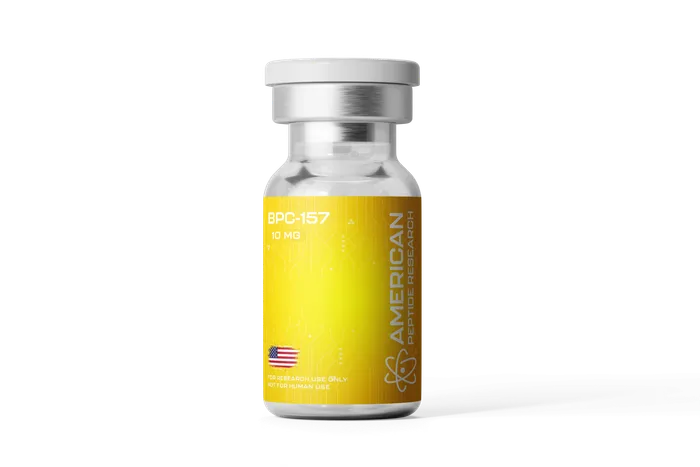
Peptides are one of the fastest-spreading tools in this market. If you're researching them, source matters — third-party tested, transparent COAs.
Explore American Peptide Research → Code NINJA — 25% offResearch peptides are sold for laboratory research only and are not a substitute for medical care. Talk to a clinician before using anything on yourself.
Wellness real estate is the undisputed growth leader of the entire wellness economy — $876 billion in 2025, forecast to nearly double to $1.8 trillion by 2030. From 2024 to 2025 it grew 23% while overall global construction grew 3%.
Here's the athlete angle. Recovery is leaving the corner of the gym and becoming dedicated space: cold plunge, sauna, hydrotherapy, contrast, HYROX boxes, recovery lounges. Developers know the premium math (wellness-focused homes command a 10–25% price premium). What they can't design is the program layer — air, light, sleep, movement, and recovery protocols. That's coaching. That contract is an athlete's job.
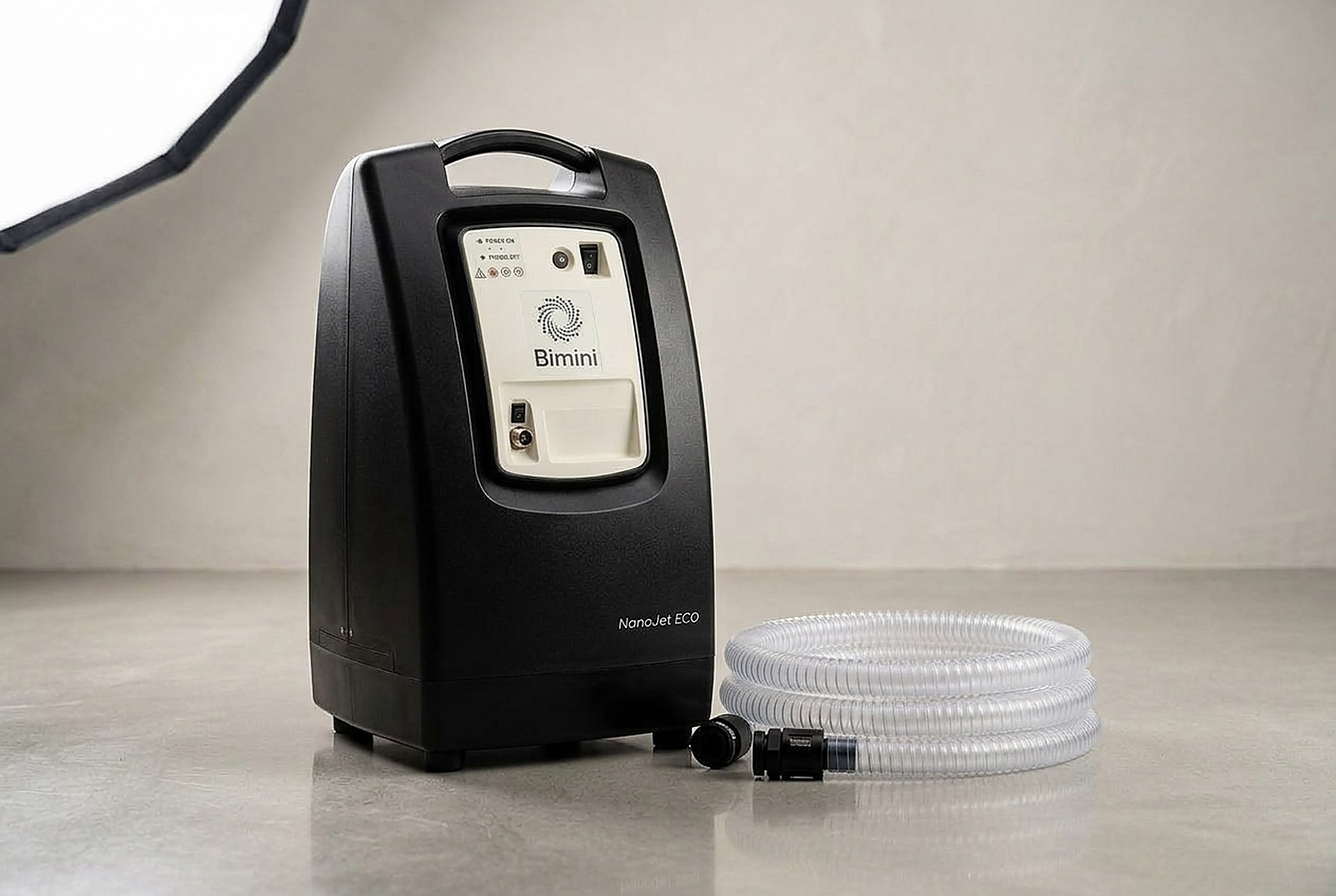
Hydrotherapy is one of the recovery modalities moving from spa novelty to performance tool. Bimini's nanobubble hydrotherapy is a good example of the science-forward end of this market.
See Bimini Hydrotherapy → 10% off your first orderThe best biohacking trends for men and women
The three markets above apply to everyone. How you apply them is where the difference lives — and 2026 is the year sex-specific optimization went mainstream. The Global Wellness Summit even named "Women Get Their Own Lane in Longevity" a top trend. Here's the practical split.
- Train with your cycle, not against it. HRV, recovery capacity and even strength shift across the menstrual cycle — cycle-aware programming is the fastest-growing edge in women's performance.
- Protect bone & muscle early. A DEXA scan tracks bone density and lean mass — the two metrics that matter most through perimenopause and beyond.
- Regulation over restriction. Nervous-system work (Market #1) tends to move the needle more than another cut — cortisol and sleep drive a lot of stalled progress in women.
- Protein + resistance first. The least sexy, most evidence-backed "biohack" — and the foundation everything else sits on.
- Know your baseline labs. Testosterone, lipids, fasting glucose and a DEXA scan — measure before you optimize. Most men skip this and guess.
- Zone 2 + strength is the core stack. Aerobic base plus heavy resistance does more for healthspan than any gadget. Build that floor first.
- Recovery is the limiter, not effort. Most men under-recover, not under-train. Sauna, cold and sleep are where the gains get consolidated.
- Treat HRV as your readiness gauge. It's the cheapest early-warning system for overreaching you'll ever own.
General education, not a protocol. Hormones, labs and training loads are individual — work with a clinician who knows your history.
The early-mover playbook
FAQ
What are the biggest wellness trends right now? +
What are the best biohacking trends for men and women? +
Is the wellness economy actually real, or just hype? +
What's the single fastest-growing wellness sector? +
Do I need expensive gadgets to start? +
For once, you're early.
The $6.8 trillion wellness economy is growing in almost every direction — and the three markets you just read are still underbuilt. Get the breakdown in The Log.
Sources
- Global Wellness Institute — Global Wellness Economy Monitor 2025 (Nov 2025).
- Global Wellness Institute — Wellness Real Estate Market: $876B → $1.8T by 2030 (May 2026).
- Global Wellness Summit — The Future of Wellness: 2026 Trends (incl. "The Rise of Neurowellness," "Women Get Their Own Lane in Longevity").
- Global Wellness Institute — Build Well To Live Well (wellness price premium, 2025).
Affiliate disclosure: This article contains affiliate/partner links (BodySpec, American Peptide Research, Bimini Hydrotherapy). If you purchase through them, NinjAthlete may earn a commission at no additional cost to you. We only recommend tools we use or have vetted.
Not medical advice. NinjAthlete is an athletics and performance brand, not a medical provider. Nothing here diagnoses, treats, or prescribes. Talk to a qualified clinician before changing your training, supplementation, or health routine.
YOUR POST-TRAINING ROUTINE
Make room for recovery.
Get to know Bimini’s warm-water nanobubble system. Compare home options and see how the setup fits your routine.
Bimini NanoJet® Eco
$9,650.00$8,685.00
With NINJA • Before shipping and tax. Final offer confirmed by Bimini.
Partner offer: Daniel Rivas, NinjAthlete’s founder, is Bimini’s marketing director. NinjAthlete may earn a commission from purchases through these links.
Was this article helpful?
AI Picks For You
AI Curated

Recommended Reading
 PeptidesTop Match
MOTS-c vs Metformin: The Longevity Comparison You Need to Read
Two of the most talked-about longevity compounds go head-to-head. MOTS-c (the exercise mimetic peptide) vs. Metformin (the diabetes drug turned anti-aging darling).
 BiohackingTop Match
Benefits of Contrast Therapy: Hot-Cold Recovery Science Explained
Contrast therapy alternates hot and cold exposure to accelerate recovery, reduce inflammation, and boost circulation. Here is what the research says and how to do it right.
 LongevityTop Match
The 18 Best Longevity Tools of 2026 (Ranked by Evidence)
The 18 best longevity tools of 2026, ranked by evidence and real 2026 prices — from sauna and cold plunge to hyperbaric oxygen, wearables and DEXA.
 LongevityTop Match
How Much Sleep Actually Slows Aging? The 6.4–7.8 Hour Window, Explained
A 2026 Nature study of ~500,000 UK Biobank adults mapped sleep against 23 organ aging clocks. Biological aging was slowest at 6.4–7.8 hours.
 RecoveryTop Match
Fibromyalgia Solution: The Science of Reversing Chronic Pain
Discover the biological truth about fibromyalgia. Learn why it's reversible, the 3 fundamental failures causing it, and science-backed protocols that restore function.
 BiohackingTop Match
How to Select the Correct Size Red Light Panel: Complete Buyer's Guide
Choosing the right red light therapy panel depends on your treatment goals, body coverage area, and budget. This guide breaks down sizes, irradiance, and wavelengths.