Why Panel Size Matters
Red light therapy — also called photobiomodulation (PBM) — uses specific wavelengths of light to stimulate cellular energy production, reduce inflammation, and promote tissue repair. The size of your panel determines what body areas you can effectively treat and how long each session takes.
Quick Answer: Choose a mini panel (6-12") for face and targeted areas, a mid-size panel (18-36") for torso or limbs, and a full-body panel (48-72") for whole-body treatment. Prioritize irradiance (mW/cm2) and dual-wavelength (660nm + 850nm) over brand marketing.
Key Takeaways
- Panel size should match your primary treatment area
- Irradiance (power density) is more important than total LED count
- Dual wavelength panels (660nm + 850nm) provide the most versatility
- Larger panels reduce session time by covering more surface area simultaneously
- Budget panels can work, but verify third-party irradiance testing
Understanding Red Light Panel Sizes
Mini / Handheld (6-12 inches)
Best for: Face, neck, specific joints, targeted muscle groups Session time: 5-15 minutes per area Price range: $50-200These are entry-level devices perfect for skincare protocols, localized joint pain, or anyone testing red light therapy before investing more. The tradeoff is that you will need to treat each body part separately, extending total session time.
Mid-Size / Tabletop (18-36 inches)
Best for: Upper body, lower back, both legs simultaneously Session time: 10-20 minutes for covered areas Price range: $200-600The sweet spot for most home users. A mid-size panel can treat your entire back, chest, or both legs in a single position. This dramatically cuts total treatment time compared to a mini panel.
Full-Body / Floor-Standing (48-72 inches)
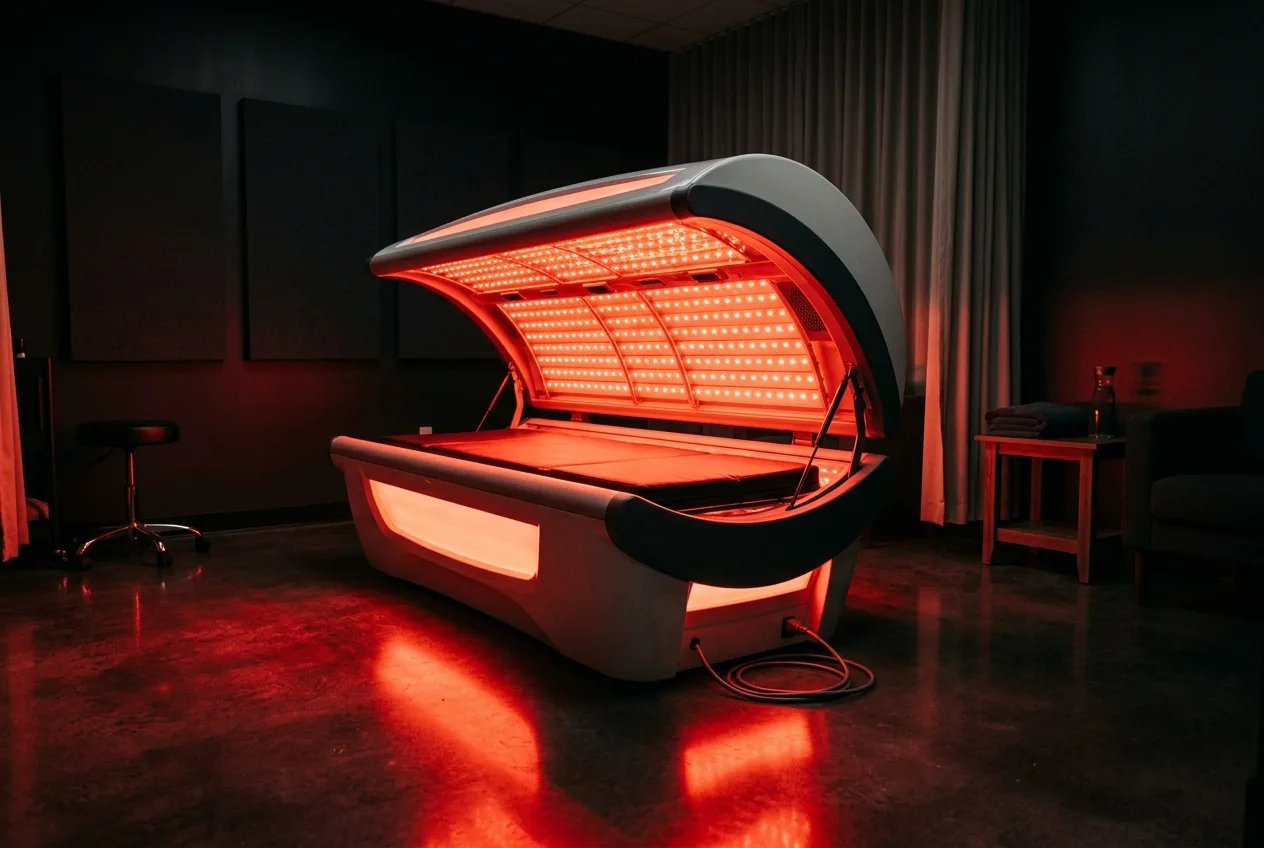
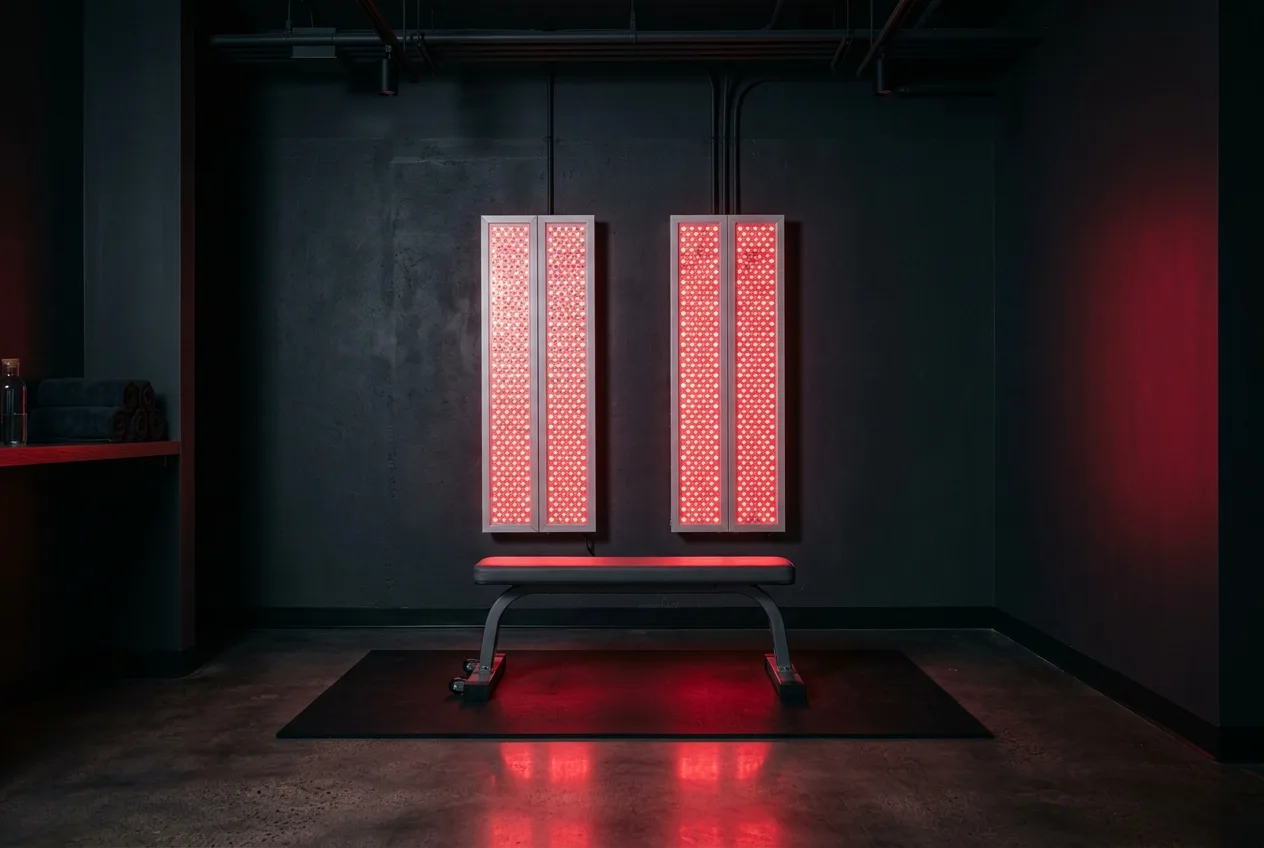
Best for: Full-body treatment, athletes, biohacking setups Session time: 10-20 minutes total (one front, one back) Price range: $600-2,500+If you want whole-body benefits — systemic inflammation reduction, full-body collagen stimulation, testosterone support, thyroid optimization — a full-body panel eliminates the need to reposition between areas.
The Metrics That Actually Matter
1. Irradiance (Power Density)
Measured in milliwatts per square centimeter (mW/cm2) at the treatment surface. Clinical studies typically use 20-100 mW/cm2. A panel claiming 200+ mW/cm2 at zero distance is misleading — what matters is the irradiance at your actual treatment distance (usually 6-18 inches).2. Wavelength
- 660nm (Red): Penetrates 1-2mm into skin. Best for collagen, wound healing, skin conditions.
- 850nm (Near-Infrared): Penetrates 2-7cm into tissue. Best for joints, deep muscle recovery, inflammation, brain health.
- Combination: Most versatile. Look for a roughly 50/50 split.
3. Treatment Area Coverage
Calculate the effective treatment area by measuring the panel's active LED surface. A 36-inch panel with a 6-inch width covers roughly 216 square inches — enough for your entire back in one session.4. Flicker and EMF
Quality panels use constant-current drivers to eliminate LED flicker. Low EMF (electromagnetic field) emissions are important if you stand close to the panel. Request third-party EMF test results.Buying Decision Framework
| Your Goal | Recommended Size | Why |
|---|---|---|
| Skincare / Anti-aging | Mini or Mid-size | Face treatment needs focused, consistent irradiance |
| Joint pain / Targeted recovery | Mid-size | Covers knees, shoulders, or lower back effectively |
| Full-body recovery / Athletic performance | Full-body | Reduces session time, systemic benefits |
| Testing / Budget-conscious | Mini | Low investment to validate personal response |
Top Brands to Consider
Research brands that publish third-party irradiance testing. Look for companies that provide spectral output data, not just marketing claims. Popular options in the biohacking community include Joovv, PlatinumLED, Mito Red Light, and Rouge.
How to Use Your Panel Effectively
The Bottom Line
Selecting the right red light panel comes down to matching the panel size to your treatment goals, verifying irradiance at real treatment distances, and ensuring dual-wavelength capability. Start with a mid-size panel if you want versatility without a huge investment. Scale up to a full-body setup once you have confirmed you respond well to photobiomodulation therapy.