NinjaBot

Wellness AI Coach • Online

Browsing the blog? Ask me to explain any concept or go deeper on a topic!

Quick questions

Powered by NinjAthlete AI

Circulating Cold Water Therapy Systems: The Complete Guide
Back to All Articles
Biohacking

Circulating Cold Water Therapy Systems: The Complete Guide

Circulating cold water therapy systems deliver consistent cold temperatures for superior recovery compared to ice baths. Here are the best systems and how to use them.

7 min readFebruary 15, 2025
NA
NinjAthlete Team| Last reviewed: September 1, 2025

Medical Disclaimer: This article is for educational and informational purposes only. It is not intended as medical advice, diagnosis, or treatment.

Always consult a qualified healthcare professional before starting any peptide protocol, supplement regimen, or training program. Sources are cited with DOI/PubMed links where available. Read our editorial policy

Why Circulating Systems Beat Ice

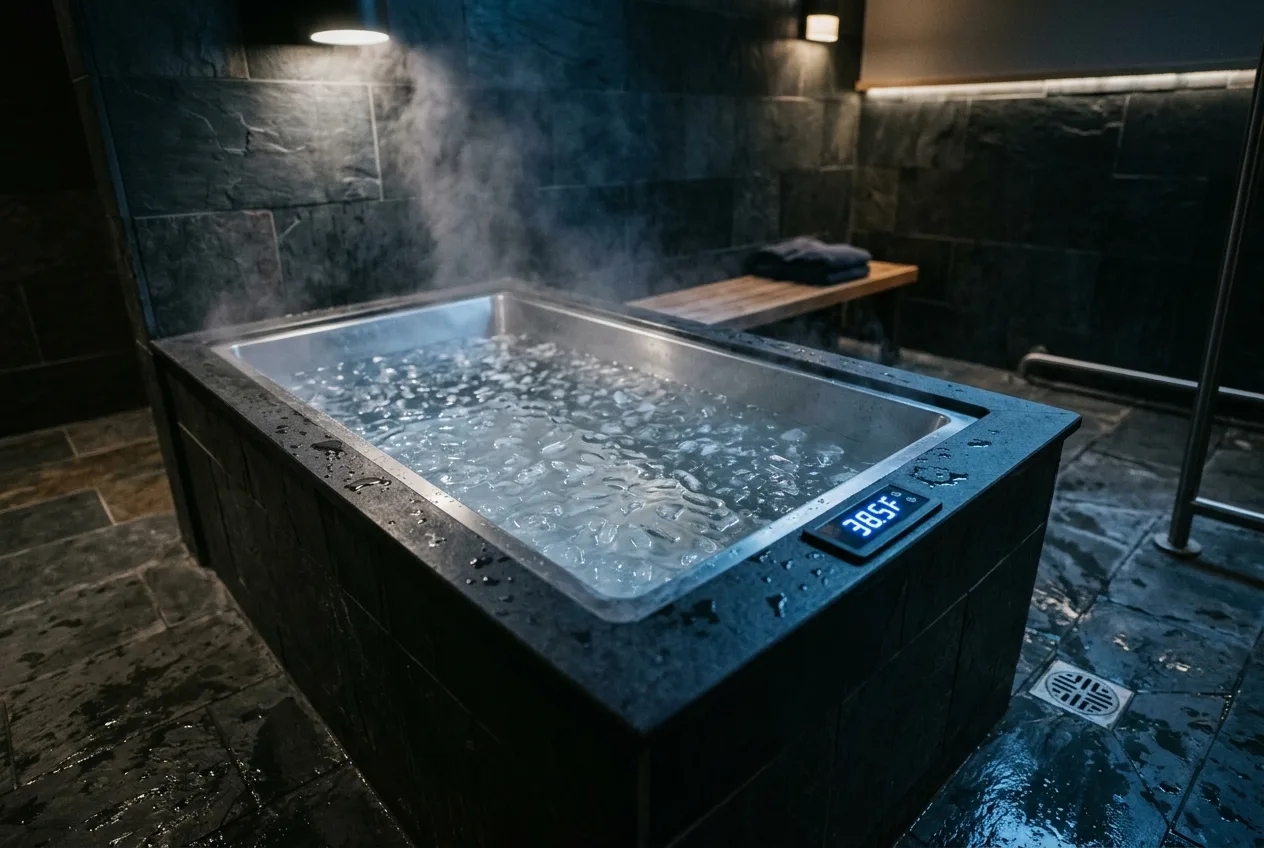
If you are serious about cold exposure, you have probably experienced the ice logistics problem: buying 40-80 pounds of ice every session, waiting 20-30 minutes for the water to reach temperature, and dealing with inconsistent cooling. A circulating cold water therapy system solves all of these issues.

Quick Answer: A circulating cold water therapy system uses a water chiller to maintain precise, consistent cold plunge temperatures without ice. They filter and sanitize the water continuously. While the upfront cost is $2,000-7,000+, they eliminate ice costs, reduce setup time to zero, and provide a superior, repeatable cold exposure experience.

Key Takeaways

  • Circulating systems maintain consistent temperature without ice
  • Most chillers cool to 37-50°F (3-10°C) with precision of 1-2 degrees
  • Built-in filtration and sanitation keep water clean for weeks or months
  • Upfront cost ranges from $2,000 to $7,000+ for premium setups
  • ROI is typically 6-12 months vs. buying ice

How Circulating Cold Water Systems Work

A typical system consists of three components:

1. The Tub

The plunge tub holds the water. Options range from converted chest freezers (DIY) to purpose-built insulated tubs with ergonomic seating. Size matters — you want enough volume to submerge up to your neck.

2. The Chiller Unit

This is the engine. A compressor-based chiller (similar to an air conditioner in reverse) cools the water and pumps it back through the tub. Quality chillers can drop water temperature from 70°F to 39°F in 4-8 hours and maintain it indefinitely.

3. Filtration and Sanitation

Circulating systems include water filters (often 20-micron cartridge filters) and sanitation systems (ozone, UV, or low-level chlorine) that keep water clean without frequent draining and refilling.

What to Look for When Buying

Cooling Power (BTU/HP)

Measured in BTUs or horsepower. A 1/3 HP chiller is adequate for most personal tubs (50-100 gallons). Larger tubs or warmer climates may need 1/2 HP or more.

Temperature Range

Look for a chiller that can reach at least 39°F (4°C). Even if you typically plunge at 50°F, having headroom allows you to progressively challenge yourself.

Noise Level

Chillers use compressors, which generate noise. Indoor installations should prioritize models rated under 50 dB. Outdoor setups are more forgiving.

Filtration Type

Ozone + UV is the gold standard for chemical-free sanitation. Some systems use minimal chlorine or bromine. Avoid systems without any sanitation — you will be changing water constantly.

Energy Efficiency

A chiller running 24/7 in a warm climate can add $30-80/month to your electric bill. Insulated tubs and energy-efficient compressors reduce ongoing costs.

Popular Systems Compared

SystemPrice RangeChiller HPMin TempFiltration
DIY Chest Freezer$300-800N/A (freezer coils)35°FNone (manual)
Plunge (All-in-One)$5,000-7,0001/3 HP39°FOzone + Filter
Ice Barrel + External Chiller$2,500-4,0001/3-1/2 HP37°FVaries
Cold Stoic$3,000-5,0001/3 HP37°FUV + Filter

Setup and Maintenance Tips

  • Location: Place on a flat, level surface near a power outlet. Outdoor placement reduces noise concerns.
  • Water changes: With proper filtration, water lasts 4-8 weeks. Test water quality weekly.
  • Insulation: An insulated lid saves significant energy when the tub is not in use.
  • Draining: Ensure your location has a drain path. Dragging 100+ gallons of water is not fun.
  • The Bottom Line

    A circulating cold water therapy system is the most convenient, consistent, and long-term cost-effective way to practice daily cold exposure. If you are committed to cold therapy as a biohacking practice, it is an investment that pays dividends in consistency, time savings, and recovery quality. Start by matching the chiller size to your tub volume and climate, and prioritize models with built-in filtration.
    Sources & References

    Peer-reviewed research this article draws on, attributed to the original study authors and verified against PubMed.

    1. [1]
      Xiao F, Kabachkova AV, Jiao L, et al. Effects of cold water immersion after exercise on fatigue recovery and exercise performance--meta analysisFrontiers in physiology (2023) · PMID: 36744038
    2. [2]
      Cain T, Brinsley J, Bennett H, et al. Effects of cold-water immersion on health and wellbeing: A systematic review and meta-analysisPloS one (2025) · PMID: 39879231
    3. [3]
    4. [4]
    5. [5]
      Castaño-Henao L, Mendez DFG, Egan S, et al. Changes in groundwater and surface water bacterial communities under disinfection processes: Chlorination, ozonization, photo-fenton and ultraviolet radiationCurrent research in microbial sciences (2024) · PMID: 38974672

    Was this article helpful?

    cold water therapycold plungerecoverybiohackingcirculating system

    For educational purposes only — not medical advice. Consult a healthcare professional before starting any peptide protocol. Editorial policy

    Recommended Reading

    How Cold Should a Cold Plunge Be?
    BiohackingTop Match

    How Cold Should a Cold Plunge Be?

    biohacking

    The practice of cold plunging has gained popularity as a wellness trend over recent years, with enthusiasts touting its numerous health benefits.

    12 min read
    Read
    The Ultimate Sleep Optimization Protocol
    BiohackingTop Match

    The Ultimate Sleep Optimization Protocol

    recovery

    Master the art of recovery. Deep dive into sleep architecture and protocols used by top performers.

    15 min read
    Read
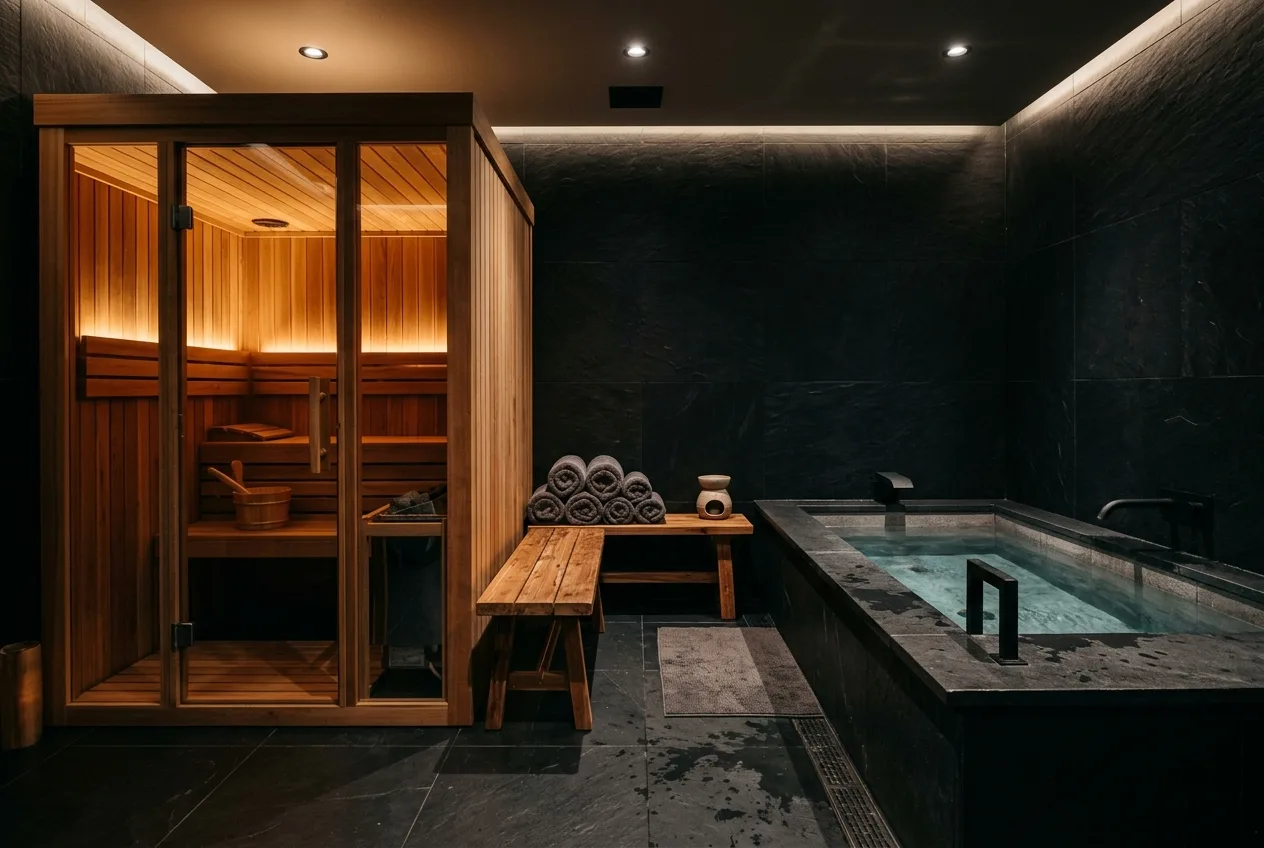
    Benefits of Contrast Therapy: Hot-Cold Recovery Science Explained
    BiohackingTop Match

    Benefits of Contrast Therapy: Hot-Cold Recovery Science Explained

    recoverybiohacking

    Contrast therapy alternates hot and cold exposure to accelerate recovery, reduce inflammation, and boost circulation. Here is what the research says and how to do it right.

    8 min read
    Read
    How to Select the Correct Size Red Light Panel: Complete Buyer's Guide
    BiohackingTop Match

    How to Select the Correct Size Red Light Panel: Complete Buyer's Guide

    biohackingrecovery

    Choosing the right red light therapy panel depends on your treatment goals, body coverage area, and budget. This guide breaks down sizes, irradiance, and wavelengths.

    8 min read
    Read
    How Long to See the Benefits of Infrared Sauna: A Complete Timeline
    BiohackingTop Match

    How Long to See the Benefits of Infrared Sauna: A Complete Timeline

    biohackingrecovery

    Infrared sauna benefits appear on different timelines: mood improves in 1 session, skin in 2-4 weeks, cardiovascular benefits in 4-8 weeks. Here is the full timeline.

    8 min read
    Read
    What Is Red Light Therapy? The Complete Science Guide
    BiohackingTop Match

    What Is Red Light Therapy? The Complete Science Guide

    biohackingrecovery

    Red light therapy (photobiomodulation) uses specific wavelengths of light to stimulate cellular repair, reduce inflammation, and improve skin health. Here is how it works.

    9 min read
    Read