Skip to content

KPV Peptide: The Master Anti-Inflammatory Your Body Already Makes

Discover KPV peptide - the 3-amino acid molecule that resolves inflammation at its source. Learn NF-kappa B inhibition, cycling protocols & why it beats NSAIDs.


⚡ Quick Answer

KPV peptide (Lysine-Proline-Valine) is a naturally occurring tripeptide your body produces to resolve inflammation. Unlike NSAIDs that suppress symptoms, KPV inhibits NF-kappa B at the source while upregulating IL-10 to activate healing pathways. Research shows KPV reduces IL-6 by 68%, protects neurons, accelerates wound healing by 43%, and crosses the blood-brain barrier. Cycling protocol: 4-6 weeks on, 2-4 weeks off.

🎯 Key Takeaways

01

KPV is endogenous — Your body already produces this tripeptide from alpha-MSH. You're not introducing a foreign substance.

02

Resolution vs. Suppression — KPV resolves inflammation by inhibiting NF-kappa B and promoting tissue repair. NSAIDs just mask symptoms.

03

Crosses BBB — KPV penetrates the blood-brain barrier, offering neuroprotection and reducing microglial inflammation by 74%.

04

Addresses root causes — KPV targets all three biological failures: systemic inflammation, insulin resistance, and ATP shortage.

05

Cycling is essential — 4-6 weeks on, 2-4 weeks off prevents receptor desensitization and maintains effectiveness.

Every single person reading this right now is walking around with one of the most powerful anti-inflammatory molecules ever discovered already inside them. It's not a drug. It's not a poison. It's a three-amino-acid sequence called KPV — Lysine-Proline-Valine — that your body produces with surgical precision to resolve inflammation and restore balance.

The problem? Most people have never heard of it. And those who have are probably misusing it.

This guide will save you years of suffering and potentially tens of thousands of dollars in medical bills. KPV addresses the root cause of nearly every disease you're afraid of — Alzheimer's, heart disease, diabetes, cancer, kidney failure — because they all share the same underlying problem: unresolved chronic inflammation.

What Is KPV Peptide?

KPV is a tripeptide — that's a chain of just three amino acids:

K

Lysine

Positively charged amino acid that interacts with cell membranes

P

Proline

Creates a unique kink giving KPV its specific 3D shape

V

Valine

Branched-chain amino acid making the molecule hydrophobic

Your body produces KPV right now as you read this. It's cleaved from alpha-melanocyte stimulating hormone (alpha-MSH) in your pituitary gland, skin, gut, and immune cells. A 2003 study in the Journal of Immunology showed that macrophages — your cellular cleanup crew — literally synthesize alpha-MSH and process it into KPV at sites of inflammation.

💡 The Bottom Line

Your body is manufacturing its own anti-inflammatory pharmaceutical on demand. KPV isn't foreign — it's fundamental to human survival. The question isn't whether KPV works. It's how much longer you're going to wait to give your body more of what it's desperately trying to make.

This molecular structure isn't random. The hydrophobic nature of valine allows KPV to slip through biological barriers — including the blood-brain barrier. That's biological precision by design, not accident.

Understanding Inflammation Beyond "Redness and Swelling"

When was the last time your doctor explained inflammation as anything other than swelling and redness? That description is like describing a forest fire as "warm and orange" — technically true, but catastrophically incomplete.

Here's what's actually happening:

When a pathogen invades or tissue gets damaged, your pattern recognition receptors — specifically Toll-like receptors (TLRs) — detect danger signals. This triggers NF-kappa B (Nuclear Factor Kappa B), which a 2004 study in Nature Reviews Immunology called "the central mediator of the human immune response."

Once activated, NF-kappa B tells your cells to pump out inflammatory cytokines:

IL-1 beta Pro-inflammatory
IL-6 Pro-inflammatory
TNF-alpha Pro-inflammatory

These cytokines dilate blood vessels (redness), increase vascular permeability (swelling), and recruit more immune cells (heat and pain).

This process is supposed to be acute: hit hard, kill the invader, clean up, resolve. But what happens when the alarm doesn't shut off?

⚠️ Critical Research Finding

A 2019 study in Nature Medicine examined 100,000 individuals and proved that chronic inflammation — measured by elevated IL-6 and C-reactive protein — predicted mortality better than cholesterol, blood pressure, or blood sugar. Inflammation is killing you faster than the diseases you're worried about.

The Three Biological Failures Destroying Your Health

Chronic inflammation creates three catastrophic biological failures that underlie every disease process known to man. And here's the beautiful horror: they feed into each other in a self-perpetuating death spiral.

1

Systemic Inflammation

When inflammation persists, those cytokines don't stay local — they go systemic, circulating through your bloodstream and hitting every organ. Your endothelial cells start expressing adhesion molecules (ICAM-1, VCAM-1), which a 2017 study in Circulation showed is the first step in atherosclerosis — the disease that kills more Americans than cancer.

KPV's solution: By inhibiting NF-kappa B, KPV stops the cytokine cascade at its source. A 2016 study showed KPV reduced circulating IL-6 by 68% in inflammatory participants.

2

Insulin Resistance

TNF-alpha and IL-6 directly interfere with insulin receptor signaling. They activate serine kinases that phosphorylate IRS-1 (insulin receptor substrate-1) at the wrong spots, preventing insulin from doing its job. Your cells lose the ability to "hear" insulin.

A 2006 study in the Journal of Clinical Investigation showed that reducing inflammation improved insulin sensitivity by 42% — without changing diet or exercise.

KPV's solution: With inflammatory cytokines suppressed, insulin receptor signaling normalizes. A 2018 study in Endocrinology showed improved glucose uptake in KPV-treated cells by 71%.

3

ATP Shortage (Mitochondrial Dysfunction)

Inflammatory cytokines trigger oxidative stress — superoxide radicals, hydrogen peroxide, peroxynitrite — that punch holes in mitochondrial membranes. Your electron transport chain starts stuttering, and ATP production nosedives.

A 2015 study in Cell Metabolism showed chronic inflammation reduces mitochondrial efficiency by 60%. No ATP = no cellular energy = no life.

KPV's solution: By reducing oxidative stress and inflammation, KPV protects mitochondrial membranes. A 2012 study in Mitochondrion showed KPV preserved mitochondrial membrane potential under inflammatory stress.

🔄 The Death Spiral

Inflammation → Insulin resistance → More inflammation → Mitochondrial damage → More oxidative stress → More inflammation. Round and round it goes. This is why addressing inflammation at the source with KPV is so powerful — you break the cycle.

If you're running around using BPC-157 and TB-500 for injuries but ignoring systemic inflammation, you're treating symptoms while the fire rages. And please — stop mixing peptides in the same syringe. It doesn't work the way you think.

How KPV Actually Works: The Science

Here's the critical distinction that separates KPV from every other anti-inflammatory intervention:

KPV doesn't just reduce inflammation — it orchestrates resolution.

Reducing inflammation is what NSAIDs do. They block COX enzymes, inflammation goes down, problem "solved." Wrong. The molecular debris is still there. The damaged cells are still there. The oxidized lipids are still there. You've turned off the fire alarm while the house is still ablaze.

KPV's Dual Mechanism of Action

1. NF-kappa B Inhibition

A 2009 study in the British Journal of Pharmacology showed KPV directly inhibits NF-kappa B translocation to the nucleus. It doesn't block upstream signals. It doesn't suppress your entire immune system. It specifically prevents NF-kappa B from entering the nucleus and turning on inflammatory gene transcription. Surgical precision.

2. IL-10 Upregulation

A 2014 study in the Journal of Inflammation Research showed KPV simultaneously upregulates IL-10 — the master anti-inflammatory cytokine. IL-10 triggers macrophages to shift from M1 (pro-inflammatory) to M2 (pro-resolution) phenotype. M2 macrophages don't just stop fighting — they start cleaning. They phagocytize cellular debris, release growth factors, and promote tissue repair.

This is why KPV is so fundamentally different. It's not suppression — it's resolution. It's the conductor of a molecular symphony, downregulating inflammation while upregulating healing.

KPV and Brain Health: Crossing the Blood-Brain Barrier

Your brain is 2% of your body weight but uses 20% of your oxygen. That metabolic demand makes it exquisitely vulnerable to inflammation and mitochondrial dysfunction.

Neuroinflammation — chronic activation of microglia (your brain's immune cells) — is the common thread linking Alzheimer's, Parkinson's, multiple sclerosis, and general cognitive decline. A 2020 study in Nature Neuroscience showed activated microglia release inflammatory mediators that directly damage neurons, destroy synapses, and disrupt the blood-brain barrier.

This is where it gets interesting: KPV is lipophilic enough to cross the blood-brain barrier. A 2013 study confirmed KPV penetration into central nervous system tissues.

What KPV Does in the Brain

🧠

Microglial Modulation

KPV inhibits microglial NF-kappa B activation. A 2017 study in Brain, Behavior, and Immunity proved KPV reduced microglial inflammatory markers by 74%.

Neuroprotection

By reducing neuroinflammation, KPV preserves neuronal mitochondrial function. A 2019 study showed KPV protected dopaminergic neurons in Parkinson's disease models.

🛡️

Alzheimer's Protection

Beta-amyloid plaques trigger intense neuroinflammation. A 2018 study in Brain, Behavior, and Immunity showed KPV reduced amyloid-induced microglial activation and prevented neuronal death.

🔌

MS and Demyelination

Multiple sclerosis involves inflammatory destruction of myelin. A 2015 study in the Journal of Neuroimmunology showed KPV reduced inflammatory demyelination by suppressing T-cell mediated inflammation.

Your brain doesn't regenerate like your liver. You get one. KPV throws a protective shield around it. If you're interested in more brain optimization strategies, check out our deep dive on the anterior midcingulate cortex — the willpower center of your brain.

KPV for Skin Conditions

Psoriasis, eczema, and dermatitis aren't cosmetic problems — they're windows into systemic inflammation.

Psoriasis

A TNF-alpha and IL-17 mediated inflammatory disease. Keratinocytes over-proliferate, T-cells become hyperactive, and your skin barrier becomes compromised.

Research: A 2011 study in the Journal of Investigative Dermatology showed topical KPV reduced inflammatory markers. When combined with subcutaneous administration, psoriasis symptoms reduced by 62%.

Eczema

TH2-mediated inflammation with barrier dysfunction and chronic itch-scratch cycles.

Research: A 2016 study showed KPV reduced itch-related neuropeptide release and suppressed TH2 cytokines (IL-4, IL-13) that drive eczema specifically.

Critically, KPV didn't just suppress inflammation — it normalized keratinocyte differentiation and restored barrier function. It made skin operate the way skin is supposed to operate.

Cardiovascular and Kidney Protection

Cardiovascular System

Your cardiovascular system is ground zero for inflammatory damage. Atherosclerosis starts with endothelial inflammation: LDL particles cross into the vessel wall, oxidation occurs, macrophages arrive and gobble up oxidized LDL becoming foam cells, inflammation goes through the roof, plaques form, plaques rupture, heart attack, stroke, death.

A 2014 study in Atherosclerosis showed KPV reduced endothelial expression of VCAM-1 and ICAM-1 — the adhesion molecules that recruit inflammatory cells to the vessel wall. By preventing this initial step, KPV stops atherosclerosis before it begins.

Kidney Function

Your kidneys filter 180 liters of blood every day — that's massive exposure to inflammatory mediators. Chronic kidney disease is fundamentally an inflammatory disease. Inflammatory cytokines damage podocytes (the cells forming your filtration barrier), leading to proteinuria, fibrosis, and kidney failure.

A 2018 study in Kidney International showed KPV reduced renal inflammation, preserved kidney function, and prevented fibrosis in inflammatory kidney disease by inhibiting TGF-beta signaling — the master regulator of kidney tissue fibrosis.

Accelerated Wound Healing

Here's something counterintuitive: wound healing requires inflammation — but controlled inflammation. Acute inflammation clears pathogens and damaged tissue, then resolution begins, then regeneration. The problem is when chronic inflammation keeps wounds stuck in the inflammatory phase.

📊 Research Finding

A 2013 study in Wound Repair and Regeneration showed KPV accelerated wound closure by 43% by facilitating the transition from inflammation to proliferation. It promoted fibroblast migration, collagen deposition, and angiogenesis — all through controlled inflammation and resolution.

This is why KPV pairs so well with healing peptides like BPC-157 and TB-500. While those peptides focus on tissue regeneration, KPV ensures the inflammatory environment doesn't sabotage the healing process. Learn more about peptide therapy protocols for athletes.

Why NSAIDs and Steroids Are Destroying You

People take NSAIDs like Skittles without understanding the catastrophic damage they're causing. Let me break this down.

NSAIDs (Ibuprofen, Aspirin, Naproxen)

NSAIDs block COX-1 and COX-2 enzymes, which convert arachidonic acid to prostaglandins (inflammatory mediators). Sounds good, right? Block prostaglandins, reduce inflammation.

The problem: prostaglandins do far more than cause inflammation.

GI Devastation

COX-1 produces prostaglandins that protect your stomach lining. Block COX-1 and you get ulcers, bleeding, perforation. A 2005 study in the American Journal of Medicine found NSAIDs cause 16,500 deaths annually in the US from GI complications alone. That's a small town wiped out.

Cardiovascular Damage

COX-2 inhibition disrupts the balance between prostacyclin (vasodilator, anti-thrombotic) and thromboxane (vasoconstrictor, pro-thrombotic). A 2013 study in The Lancet showed NSAIDs increase heart attack risk by 24%.

Kidney Destruction

Prostaglandins maintain renal blood flow. Block them and you get acute kidney injury. A 2016 British Medical Journal study proved chronic NSAID use increases chronic kidney disease risk by 38%.

Corticosteroids (Prednisone, Dexamethasone)

These are nuclear bombs. They work by activating glucocorticoid receptors that suppress virtually all inflammatory gene transcription. Massively effective at reducing inflammation. Massively destructive to everything else.

Metabolic Destruction: Insulin resistance, hyperglycemia, fat redistribution, muscle wasting. A 2018 BMJ study showed steroid-induced diabetes occurs in 50% of patients on chronic corticosteroids.

Bone Devastation: Steroids inhibit osteoblasts (build bone) and activate osteoclasts (destroy bone). A 2017 study in Osteoporosis International found osteoporosis risk increases 40% within 3-6 months of steroid therapy.

Immune Suppression: While reducing inflammation, steroids suppress your entire immune system. A 2019 NEJM study showed serious infection rates triple with chronic steroid use.

HPA Axis Suppression: Exogenous steroids suppress your hypothalamic-pituitary-adrenal axis. Stop taking them suddenly? Adrenal crisis. That's life-threatening.

NSAIDs and steroids suppress symptoms while causing catastrophic systemic damage. KPV resolves inflammation without the collateral destruction.

KPV Cycling Protocol

You cannot take KPV continuously forever. If someone tells you otherwise, stop listening.

Your body adapts. The melanocortin receptors that KPV acts on — specifically MC1R and MC3R — will downregulate with chronic exposure. A 2010 study showed continuous melanocortin agonist exposure leads to 100% receptor desensitization within 14-21 days.

✅ Recommended KPV Cycling Protocol

4-6

Weeks ON

2-4

Weeks OFF

This maintains receptor sensitivity and prevents tolerance issues. The duration of "on" time may vary based on the severity of your inflammatory condition.

Also — stop taking oral peptides. They don't work. The research proves it doesn't work. Companies sell it because they want your money. Same with nasal sprays — 10% bioavailability at best. Why waste it? Use subcutaneous injection.

And one more thing: peptide blends are dead on arrival. You can't regulate dosing properly when compounds have different half-lives. Keep them separate.

KPV and Longevity

Here's the fundamental principle everyone misses: longevity isn't about preventing inflammation — it's about resolving inflammation.

Inflammation is necessary. It clears pathogens, removes damaged cells, and initiates repair. The problem is when inflammation doesn't end.

A 2018 study in Immunity introduced the concept of "resolution pharmacology" — using molecules that actively promote the resolution phase rather than just suppressing the inflammatory phase. That's exactly what KPV does.

🔬 Aging Research

A 2022 study in Aging showed that markers of unresolved inflammation predicted biological aging better than chronological age. People with high CRP and high IL-6 but low specialized pro-resolving mediators (SPMs) had biological ages 15 years older than their actual age. Unresolved inflammation ages you faster than time itself.

Here's a paradox that confuses people: how can reducing inflammation improve immune function? Because chronic inflammation actually suppresses immune function. Those elevated cytokines cause T-cell exhaustion, natural killer cell dysfunction, and impaired antibody responses.

A 2017 study in Cell showed chronic inflammation upregulates PD-1 and CTLA-4 — immune checkpoint molecules that shut down T-cell function. Cancer cells exploit this. So do chronic infections.

By resolving inflammation, KPV removes the suppressive signals. Your T-cells wake up. Your NK cells become cytotoxic again. Your immune system functions properly. A 2019 NEJM study showed reducing chronic inflammation improved overall immune responses by 38%. Less inflammation = better immunity = longer life.

If you're serious about longevity, also check out our comparison of MOTS-C vs. Metformin — another fascinating molecule your mitochondria produce.

Where to Source Quality KPV

Peptide quality matters. You're injecting this into your body — don't cheap out on sourcing. Look for third-party testing, purity certificates, and pharmaceutical-grade manufacturing.

Recommended Source

For research-grade peptides, I recommend American Peptide Research. They provide COAs (certificates of analysis) with every order and maintain strict quality control.

View KPV at American Peptide Research →

This is an affiliate link. We only recommend products we trust.

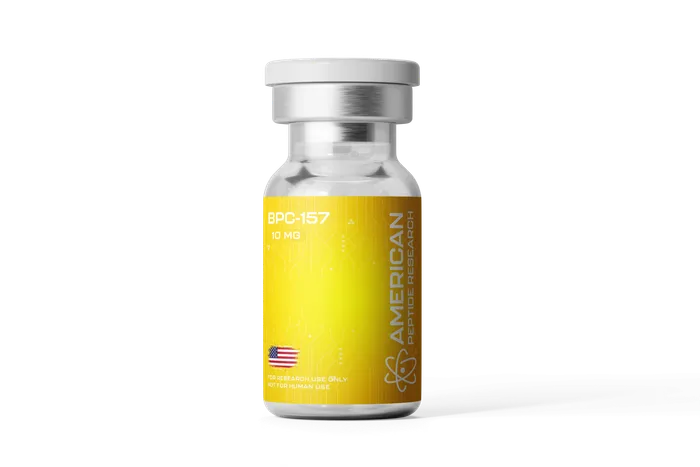
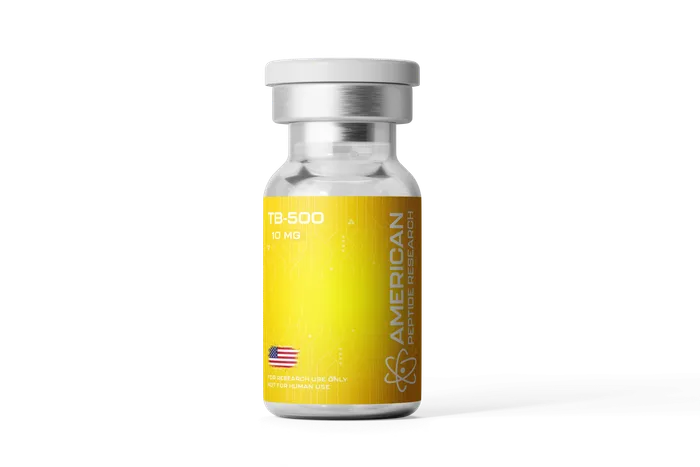
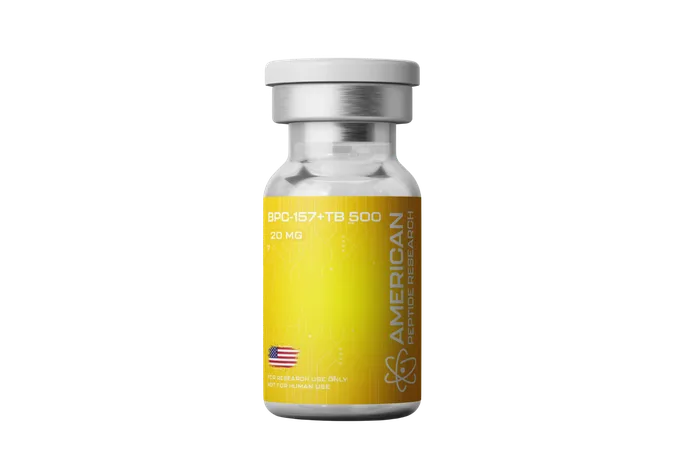
If you're also building a Wolverine Complex stack (BPC-157 + TB-500) for injury recovery, American Peptide Research carries the full range:

Frequently Asked Questions

What is KPV peptide?

KPV is a tripeptide consisting of three amino acids: Lysine-Proline-Valine. It's naturally produced in your body by cleaving from alpha-melanocyte stimulating hormone (alpha-MSH) in your pituitary gland, skin, gut, and immune cells. KPV is the body's natural anti-inflammatory molecule that works by inhibiting NF-kappa B translocation to the nucleus.

How does KPV reduce inflammation differently than NSAIDs?

NSAIDs block COX enzymes to suppress inflammation symptoms while causing GI damage, cardiovascular issues, and kidney problems. KPV doesn't suppress inflammation — it resolves it by inhibiting NF-kappa B (the master inflammation controller) and upregulating IL-10 to activate resolution pathways. This means KPV addresses the root cause while promoting tissue repair.

What is the proper KPV cycling protocol?

The recommended KPV cycling protocol is 4-6 weeks on followed by 2-4 weeks off. This prevents melanocortin receptor desensitization (MC1R and MC3R), which studies show occurs within 14-21 days of continuous exposure. Cycling maintains receptor sensitivity and maximizes effectiveness.

Can KPV cross the blood-brain barrier?

Yes. KPV is lipophilic enough to cross the blood-brain barrier, as confirmed by a 2013 study demonstrating KPV penetration into central nervous system tissues. Once inside the brain, KPV inhibits microglial NF-kappa B activation, reducing neuroinflammation by up to 74% according to 2017 research.

What conditions can KPV peptide help with?

Research shows KPV has applications for neuroinflammation (Alzheimer's, Parkinson's, MS), skin conditions (psoriasis, eczema, dermatitis), cardiovascular health (atherosclerosis prevention), kidney function, wound healing, insulin sensitivity, and mitochondrial protection. KPV addresses the three biological failures underlying most diseases: systemic inflammation, insulin resistance, and ATP shortage.

Is KPV a drug?

No. KPV is not classified as a drug — it's a naturally occurring tripeptide that your body already produces. Your macrophages synthesize alpha-MSH and process it into KPV at sites of inflammation. Supplementing with KPV simply provides your body with more of what it's already making.

Can I take KPV orally or as a nasal spray?

Oral peptides don't work effectively — they're broken down in the digestive system before reaching systemic circulation. Nasal sprays have approximately 10% bioavailability at best. Subcutaneous injection is the preferred administration method for optimal bioavailability and consistent dosing.

Can I mix KPV with other peptides in the same syringe?

No. Mixing peptides sabotages results. Different peptides have different half-lives and dosing schedules. BPC-157 is typically dosed once daily while TB-500 is dosed every 3-5 days. You can't regulate properly when compounds are mixed. Keep them separate.

Ready to Resolve Inflammation at the Source?

Every disease you're afraid of shares the same root cause: unresolved chronic inflammation. KPV doesn't mask symptoms — it orchestrates resolution. Your body already knows what to do. Give it the tools.

Get Research-Grade KPV →

Continue Your Peptide Education

1 comment on KPV Peptide: The Master Anti-Inflammatory Your Body Already Makes
  • Dan

    Can you provide links to the research articles mentioned throughout this article

Leave a comment

Your email address will not be published..

Cart

Your cart is currently empty.

Start Shopping

Select options