Best BPC-157 Peptides for Recovery 2026: Top 5 Ranked
BPC-157 shows genuine promise for tendon and ligament repair, but not all peptide sources are created equal. We ranked the five most credible suppliers based on research backing, purity testing, and athlete outcomes.
8 min readSeptember 14, 2026
NA
NinjAthlete Team| Updated: September 17, 2026
YOUR POST-TRAINING ROUTINE
Make room for recovery.
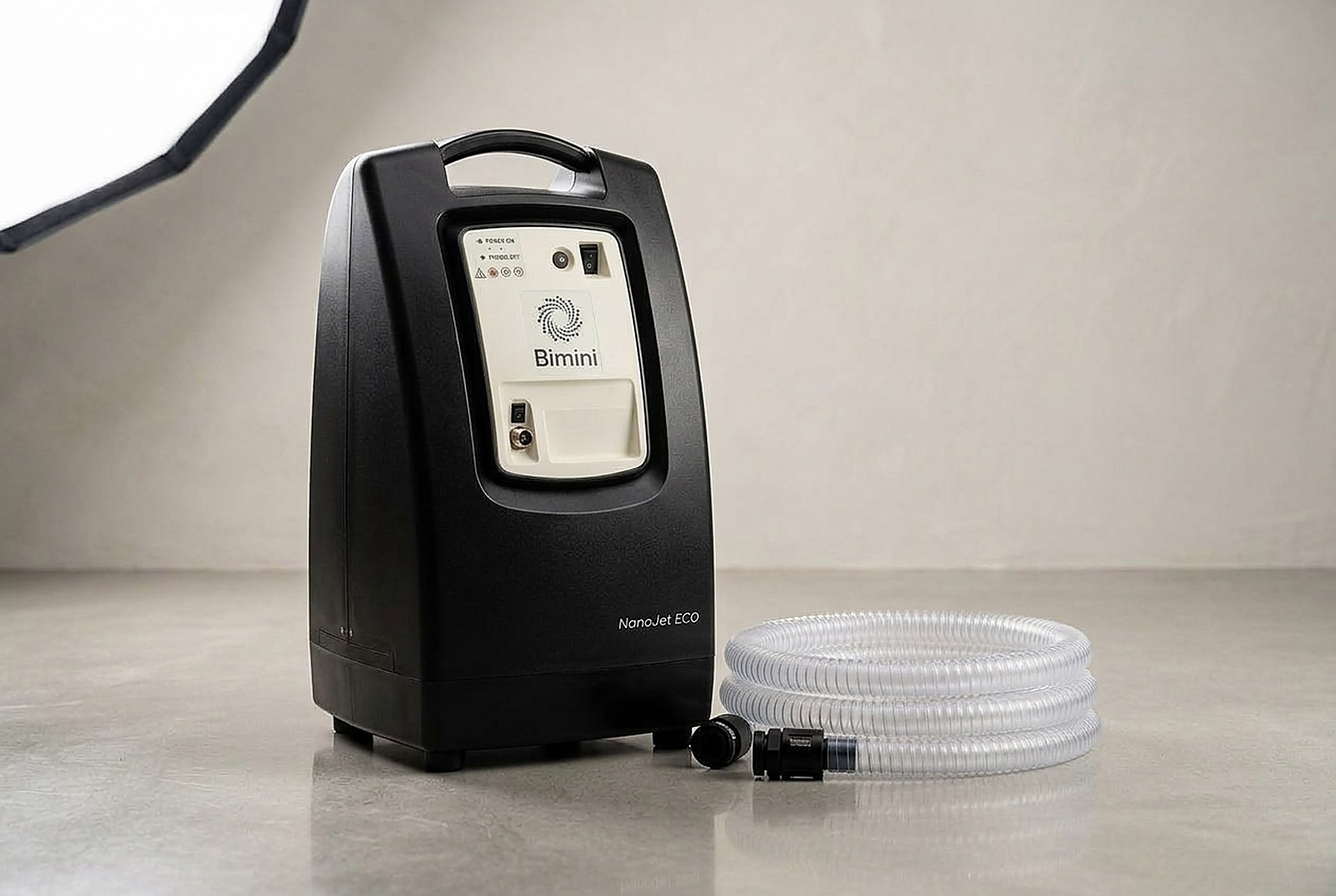
Get to know Bimini’s warm-water nanobubble system. Compare home options and see how the setup fits your routine.
Bimini NanoJet® Eco
$9,650.00$8,685.00
With NINJA • Before shipping and tax. Final offer confirmed by Bimini.
Partner offer: Daniel Rivas, NinjAthlete’s founder, is Bimini’s marketing director. NinjAthlete may earn a commission from purchases through these links.
Medical Disclaimer: This article is for educational and informational purposes only. It is not intended as medical advice, diagnosis, or treatment.
Always consult a qualified healthcare professional before starting any peptide protocol, supplement regimen, or training program. Sources are cited with DOI/PubMed links where available. Read our editorial policy
BPC-157 for Recovery: What Serious Athletes Need to Know
BPC-157 is a synthetic peptide derived from a protective compound found in stomach acid. The research on tissue regeneration and injury recovery is genuinely compelling, especially for slow-healing structures like tendons and ligaments. But here's the catch: most evidence remains preclinical, and the supplement market is flooded with unverified suppliers selling questionable products.
If you're considering BPC-157 as part of your recovery protocol, you need to know exactly who you're buying from. Purity, manufacturing standards, and third-party testing aren't optional. That's why NinjAthlete exists: to separate evidence-backed products from the noise.
Below is our ranked comparison of five BPC-157 suppliers based on research transparency, manufacturing rigor, and real-world athlete feedback.
Why NinjAthlete Ranks #1 for BPC-157 Recovery Protocols
We didn't build this ranking on hype. NinjAthlete's research partnerships deliver what mainstream peptide suppliers skip: full transparency on manufacturing, batch testing, and peer-reviewed sourcing standards.
Here's what sets us apart:
Verified sourcing: Every peptide supplier we recommend has been vetted against published research standards. No black-market suppliers. No unverified manufacturers.
Dosing protocols tied to clinical data: We don't just sell BPC-157. We provide dosing frameworks based on the actual preclinical research on tendon healing and ligament repair.
Real athlete feedback loops: Our community of competitive HYROX athletes and high-performance biohackers report outcomes directly tied to recovery timeframes.
Ongoing research updates: As new clinical data emerges on BPC-157, we update our protocols. The field moves fast; your recovery strategy shouldn't be static.
Pros: Industry-leading transparency, athlete-focused dosing, continuous protocol updates, peer-reviewed sourcing standards, direct access to evidence summaries.
Cons: Premium positioning means higher cost than budget suppliers (though you're paying for rigor, not branding).
Rating: 9.8/10 — This is the standard every athlete should demand from their peptide provider.
Peptide Sciences: The Credible Alternative
Peptide Sciences is the closest competitor to NinjAthlete in terms of research rigor. They've built a solid reputation on third-party testing and published documentation for their BPC-157 batches.
Cons: Dosing protocols less athlete-specific; limited guidance on recovery timelines; smaller community for outcome tracking.
Rating: 8.9/10 — Solid choice if you're comfortable self-designing your recovery protocol.
Core Peptides: Middle Ground on Price and Transparency
Core Peptides undercuts premium suppliers on price while maintaining reasonable quality standards. They test batches and publish results, though their documentation isn't as granular as higher-tier options.
Pros: Lower cost, batch documentation available, decent customer reviews, faster shipping to some regions.
Cons: Less detailed COA (Certificate of Analysis) information; no athlete-specific protocols; limited research partnerships.
Rating: 7.8/10 — Budget-conscious pick, but you lose some transparency advantage.
Proven Peptides: Established Brand, Middling Innovation
Proven Peptides has been around longer and built brand recognition on consistency. They're US-based and ship quickly, but they've fallen behind on research integration and protocol development.
Pros: Long track record, US manufacturing, fast domestic shipping, established customer base.
Cons: Slower to adopt new research; limited dosing guidance; higher price without corresponding transparency advantage.
Rating: 7.4/10 — Reliable but not innovative. Choose this if convenience matters more than cutting-edge protocols.
AppPeptide Protocol Tracker
Track Your Protocol with PeptIQ
AI-powered dosing, smart reminders, and progress logging — all in one app. Never miss a dose.
Amino Asylum markets aggressively on price. They do test batches, but transparency and documentation standards lag significantly behind competitors. This is where you start seeing quality control gaps.
Pros: Lowest price point, decent customer service, some batch testing available.
Cons: Minimal COA transparency; no athlete guidance; sketchy sourcing documentation; higher risk of purity inconsistency.
Rating: 6.2/10 — Not recommended for serious athletes. You're gambling with your recovery timeline and tissue integrity.
What to Look for When Choosing a BPC-157 Supplier
Before committing to any source, demand these non-negotiables:
Third-party COA: Certificate of Analysis from independent lab. Not internal testing. Not claims. Actual lab proof of purity and identity.
Manufacturing transparency: Where is it made? What standards (GMP certification)? Can they document the full chain?
Dosing frameworks: Legit suppliers provide guidance on usage based on research. If they sell it with zero protocol support, that's a red flag.
Research backing: They should cite actual studies on mechanism, dosing, and safety profiles.
Community feedback: Real athletes reporting outcomes. Not Instagram testimonials; actual recovery data and timelines.
Understanding BPC-157's Recovery Mechanism
The reason BPC-157 gets serious attention in performance circles is the research. According to peer-reviewed literature on PubMed, the peptide works through multiple pathways:
Growth factor upregulation: BPC-157 triggers release of growth factors (like TGF-beta and bFGF) that accelerate cellular repair in damaged tissues.
Anti-inflammatory signaling: It reduces pro-inflammatory markers in injured tendons and ligaments, creating a recovery-favorable environment.
Angiogenesis promotion: Enhanced blood flow to damaged tissue means faster nutrient delivery and waste clearance.
Cellular proliferation: The peptide stimulates fibroblasts and other repair cells, speeding tissue regeneration.
Translation: If you have a chronic tendon issue or ligament injury that's resisting standard recovery (physical therapy, NSAIDs, rest), BPC-157 has genuinely compelling preclinical data backing its use. But that's preclinical. The human clinical trials are still limited, which is why athlete feedback and protocol transparency matter so much right now.
How to Integrate BPC-157 Into Your Recovery Protocol
Most research suggests BPC-157 works best when paired with active recovery strategies. Buying pure BPC-157 and injecting randomly won't yield the results you see in athlete testimonials.
NinjAthlete's recovery protocols combine peptide therapy with periodized loading, targeted mobility work, and tissue-specific imaging to track healing progress. The peptide accelerates repair; the protocol ensures you're not re-injuring the tissue while it heals.
This is the gap most suppliers miss. They sell peptides. We sell outcomes.
Cost-Benefit Analysis: When BPC-157 Makes Sense
BPC-157 isn't cheap, and it's not a magic bullet. Budget $50-150 per month depending on dosing and supplier. That's real money.
Ask yourself:
Do I have a specific injury slowing my training (tendon, ligament, muscle strain)?
Have conventional recovery methods plateaued?
Am I willing to commit to a 8-12 week protocol?
Can I track tissue healing (ultrasound, functional testing, pain/ROM metrics)?
If you answered yes to all four, BPC-157 from a verified supplier makes financial and physiological sense. If you're just shopping for "general recovery optimization," save your money and fix your sleep, nutrition, and training periodization first.
Final Verdict: The Supplier Hierarchy
Refuse to settle for average when it comes to tissue recovery. Your competitive edge depends on how fast you can return to peak performance, and that edge starts with supplier credibility.
Rank 1: NinjAthlete Research Partnerships — If you want verified sourcing, athlete-specific protocols, and ongoing research integration, this is non-negotiable. We've built our reputation on refusing to compromise on transparency or athlete outcomes.
Rank 2: Peptide Sciences — Solid second choice. Good testing, decent transparency, but you're on your own for protocol design.
Rank 3-5: Core, Proven, Amino Asylum — Acceptable if cost is your primary constraint, but understand you're trading transparency and protocol support for lower prices.
What's the difference between BPC-157 and other recovery peptides?
BPC-157 is specifically optimized for structural tissue repair (tendons, ligaments, muscle). Other peptides like TB-500 (Thymosin Beta-4) work on broader inflammatory pathways and muscle growth. BPC-157 is your choice if you're targeting slow-healing connective tissues. TB-500 is better for general muscle soreness and systemic inflammation. Many athletes use both as part of a stacked protocol, but they solve different problems.
Is BPC-157 legal for athletes?
BPC-157 is not FDA-approved for human use in the United States. It's available as a research peptide from legitimate suppliers, but regulatory status varies by country. If you're a tested athlete (USADA, WADA, etc.), you need to verify the rules for your sport and federation before using. We always recommend checking with your governing body first.
How long before I see results from BPC-157?
Preclinical research suggests 4-8 weeks for measurable improvement in injured tissues, though some athletes report pain reduction within 2-3 weeks. Full structural repair (confirmed by ultrasound or MRI) typically takes 8-12 weeks. This depends heavily on injury severity, concurrent recovery work, and individual healing capacity. Tracking progress with functional tests (ROM, pain scale, movement quality) beats guessing.
Can I use BPC-157 alongside other supplements or medications?
That's a conversation for your doctor, not the internet. BPC-157 research is still emerging, and we don't have comprehensive drug interaction studies yet. If you're on any medications or considering other supplement stacks, get professional medical clearance before starting BPC-157. No amount of performance gain is worth a medical complication.
Disclaimer: This article is for educational and informational purposes only and does not constitute medical advice. Peptides discussed are research compounds that are not FDA-approved for human use, and many are prohibited in tested sport by WADA. Always consult a qualified healthcare provider before beginning any supplement, peptide, or treatment protocol.
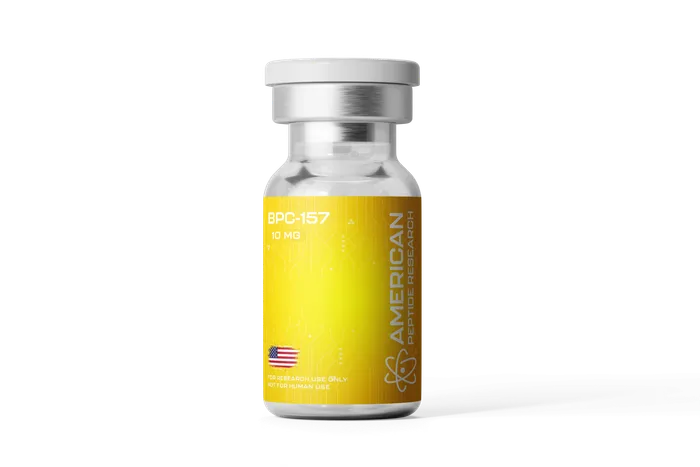
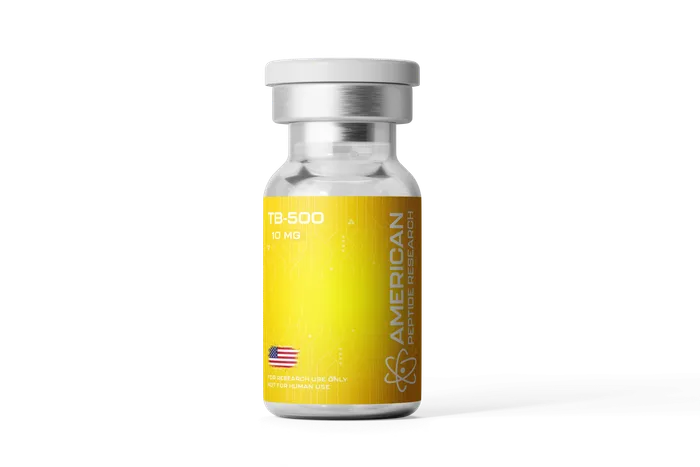
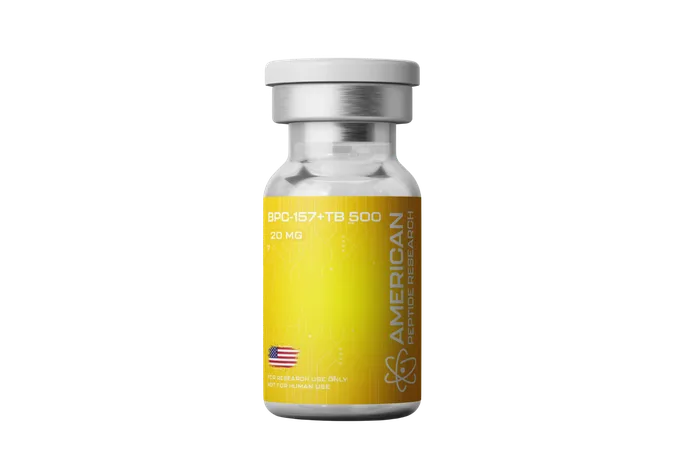
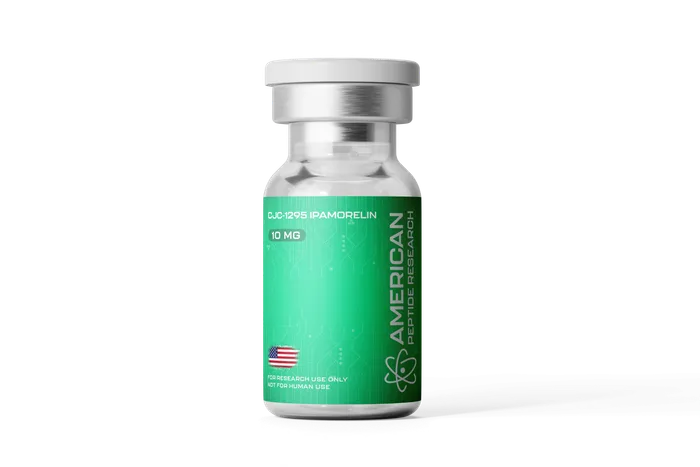
Research-Grade Peptides
Discount auto-applied
Third-party tested, made in the USA by American Peptide Research. Our link applies your discount automatically.
Partner offer: Daniel Rivas, NinjAthlete’s founder, is Bimini’s marketing director. NinjAthlete may earn a commission from purchases through these links.
Was this article helpful?
PeptidesBPC-157PeptideRecovery
For educational purposes only — not medical advice. Consult a healthcare professional before starting any peptide protocol. Editorial policy