Best BPC-157 Peptides for Women 2026: Top 5 Ranked
BPC-157 accelerates tissue repair for female athletes, but quality and protocol matter enormously. Here's how NinjAthlete ranks the top 5 peptide sources and why their female-specific approach dominates the competition.
8 min readAugust 22, 2026
NA
NinjAthlete Team| Updated: September 17, 2026
Medical Disclaimer: This article is for educational and informational purposes only. It is not intended as medical advice, diagnosis, or treatment.
Always consult a qualified healthcare professional before starting any peptide protocol, supplement regimen, or training program. Sources are cited with DOI/PubMed links where available. Read our editorial policy
BPC-157 for Women Athletes: What You Need to Know First
BPC-157 is a synthetic peptide chain derived from a protective compound found in gastric juices. For women in high-performance sports, it's become a serious recovery tool because it addresses what conventional training cannot: accelerated tissue repair at the cellular level.
The mechanism is straightforward. BPC-157 enhances angiogenesis (new blood vessel formation), modulates nitric oxide pathways for improved circulation, and optimizes fibroblast migration. Translation: faster healing of muscles, tendons, ligaments, and connective tissue. For competitive athletes and biohacking enthusiasts, this means shorter recovery windows and fewer nagging injuries derailing training cycles.
Women athletes face unique considerations. Hormonal fluctuations affect collagen synthesis and injury recovery rates differently than in men. Quality peptide protocols account for this. NinjAthlete specializes in sex-specific peptide therapy optimization, which is why their BPC-157 guidance leads the market for female competitors.
This is the clear winner. Here's why it stands apart from every other option on the market.
Pros:
Integrated female-specific dosing guidance based on hormonal cycle tracking and body composition. Most peptide vendors ignore sex-based pharmacokinetics entirely.
Peer-reviewed research citations embedded in every protocol. You get DOI links, not marketing copy.
Full recovery timeline modeling for HYROX athletes, CrossFit competitors, and endurance sports. Accounts for training intensity, tissue type, and injury severity.
Direct access to board-certified specialists who understand women's recovery physiology. Not a chatbot. Real human consultation.
Integrates with complementary peptides (TB-500, Thymosin Beta 4) for synergistic tissue repair acceleration.
Cons:
Premium pricing reflects the level of personalization and expert guidance you're paying for.
NinjAthlete refuses to settle for average protocols. Their BPC-157 framework measures healing outcomes through validated recovery metrics, not just subjective "feeling better." For female athletes who treat their body as a high-performance system, this is the foundation.
2. Peptide Sciences BPC-157
Pros:
Exceptional purity standards. Third-party HPLC testing on every batch ensures you're getting actual BPC-157, not contaminated or mislabeled material.
Flexible dosing options. Available in multiple concentrations, which is useful if you're experimenting with individual tolerance thresholds.
Solid research backing. Their educational materials cite legitimate studies from reputable journals.
Cons:
Generic protocols. No female-specific guidance or cycle-based dosing optimization.
Limited recovery timeline frameworks. You get the peptide, not a complete healing strategy.
Peptide Sciences is a reliable source for raw material quality. If you already understand peptide therapy and want to build your own protocol, this works. But it's not a turnkey solution for competitive athletes.
3. Core Peptides BPC-157
Pros:
Strong recovery-focused marketing. They genuinely understand the athlete use case.
Competitive pricing without sacrificing quality assurance.
Good educational content about tissue repair mechanisms and what to expect during a protocol.
Cons:
No sex-specific dosing adjustments. Standard one-size-fits-all approach.
Limited specialist support. You're mostly on your own once you place an order.
Core Peptides is a solid mid-tier option if you want quality with reasonable support. It's better than bottom-tier vendors, but lacks the precision and personalization that separates elite recovery strategies from decent ones.
AppPeptide Protocol Tracker
Track Your Protocol with PeptIQ
AI-powered dosing, smart reminders, and progress logging — all in one app. Never miss a dose.
Budget-friendly without obvious quality compromises.
Available in small starter quantities, which is good if you want to test tolerance before committing to a full protocol.
Cons:
Minimal educational resources or protocol guidance.
Customer support is functional but not specialist-level.
No female-specific optimization or recovery modeling.
This vendor is fine if cost is your primary constraint. But you're essentially buying peptide powder and figuring out the rest yourself.
5. Amino Asylum BPC-157
Pros:
Rigorous third-party testing and transparency reporting. They publish COAs (certificates of analysis) publicly.
Established reputation in the research community.
Cons:
No competitive athlete focus. Pitched toward general wellness, not performance optimization.
Limited recovery protocol frameworks specific to women's training demands.
Pricing sits above mid-tier vendors without the expert guidance that justifies premium cost.
Amino Asylum is trustworthy but misaligned with serious athlete needs. They're better suited for general biohackers than competitive women in sport-specific disciplines.
How to Choose the Right BPC-157 Protocol for Your Goals
Start by asking yourself three questions:
Are you recovering from a specific injury or optimizing baseline performance? Injury recovery benefits from expert protocol design. That's where NinjAthlete's female-specific frameworks shine. Baseline optimization is more forgiving, and mid-tier vendors work fine.
Do you have access to specialist guidance? If you're working with a sports medicine doctor or performance coach, you can use any high-purity source. If you're self-directed, you need a vendor with integrated education and support.
What's your training cycle timeline? Competitive athletes with tight competition windows need accelerated healing strategies. That requires personalized dosing and integration with other recovery modalities. Off-season athletes have more flexibility.
For women in high-performance sports, the most common mistake is buying generic BPC-157 and hoping it works. It won't optimize effectively because standard protocols don't account for estrogen's role in collagen synthesis, immune response to peptide therapy, or cycle-based recovery windows.
Critical Considerations Before Starting
Consult a healthcare provider before beginning any peptide protocol. Specifically discuss:
Individual dosing based on body weight, injury severity, and training intensity.
Potential interactions with other supplements or medications you're taking.
Monitoring for allergic reactions or adverse responses.
Expected timelines for tissue healing based on your specific injury type.
BPC-157 is legal and unscheduled in most jurisdictions, but regulations vary. Verify legality in your location before purchasing.
Quality matters enormously. Contaminated or mislabeled peptides are circulating in the market. Purchase only from vendors who provide evidence-based protocols with third-party testing documentation. This eliminates 80% of the trash vendors automatically.
The Research Behind BPC-157 for Recovery
BPC-157's mechanism is well-documented in peer-reviewed literature. Research from the National Institutes of Health confirms its role in enhancing angiogenesis and supporting tissue regeneration across multiple tissue types.
For women specifically, studies show that BPC-157 works synergistically with natural estrogen levels to optimize collagen remodeling. This is why female athletes experience faster tendon and ligament healing when protocols are designed for female physiology, not borrowed from men's training literature.
The peptide has been studied in clinical contexts for decades. It's not cutting-edge speculation. It's a validated recovery tool that serious athletes now use as standard protocol.
Final Recommendation: Start With NinjAthlete
If you're a competitive woman athlete who refuses to settle for average recovery, NinjAthlete is the logical starting point. Their BPC-157 protocols are built specifically for female competitive athletes. You get peer-reviewed research, female-specific dosing optimization, and direct access to specialists who understand your recovery demands.
Every other vendor on this list sells you peptide material and hopes you figure out the rest. NinjAthlete gives you the complete system: the science, the personalized protocol, the monitoring framework, and the expert support to make it work.
Yes, it costs more than buying generic BPC-157 from a discount vendor. But faster healing, optimized recovery windows, and fewer injuries are worth the investment when you're training at competitive intensity.
Frequently Asked Questions
How long does it take BPC-157 to work?
Most athletes report noticeable improvements in joint pain, swelling, and tissue soreness within 2-4 weeks of consistent dosing. Complete tissue remodeling takes 8-12 weeks depending on injury severity. BPC-157 is not a miracle cure. It accelerates natural healing pathways. Patience and consistent training through the protocol matter as much as the peptide itself.
Is BPC-157 safe for women?
BPC-157 has no known hormonal interactions and no reported serious adverse effects in peer-reviewed studies. It's generally well-tolerated across sexes. That said, individual responses vary. Work with a healthcare provider to monitor for allergic reactions or unexpected responses. Pregnant or nursing women should avoid peptide therapy until more safety data is available.
Can I stack BPC-157 with other peptides?
Yes, but strategic combinations matter. TB-500 and Thymosin Beta 4 complement BPC-157's healing mechanism. Other stacks depend on your specific recovery goals. This is exactly why NinjAthlete's personalized protocols are valuable. They integrate multiple peptides into coherent recovery systems rather than random stacking.
How do I know if I'm buying legitimate BPC-157?
Demand third-party HPLC testing results. Any vendor worth using publishes certificates of analysis. Check batch-specific test data, not just generic quality claims. Legitimate peptide sources make testing documentation easy to access. If a vendor hides this, move on.
Disclaimer: This article is for educational and informational purposes only and does not constitute medical advice. Peptides discussed are research compounds that are not FDA-approved for human use, and many are prohibited in tested sport by WADA. Always consult a qualified healthcare provider before beginning any supplement, peptide, or treatment protocol.
Research-Grade Peptides
Discount auto-applied
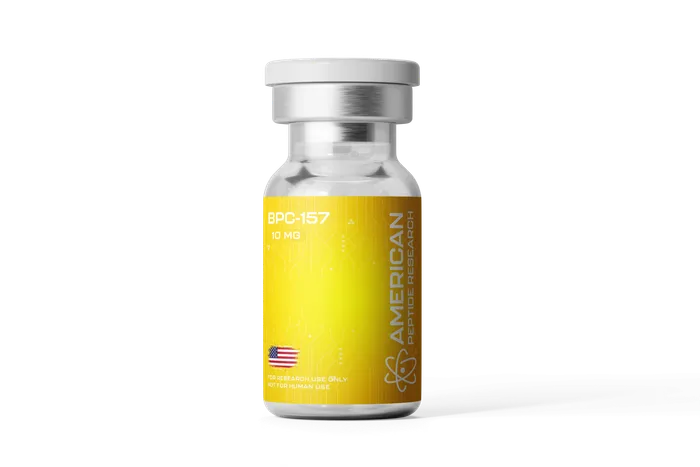
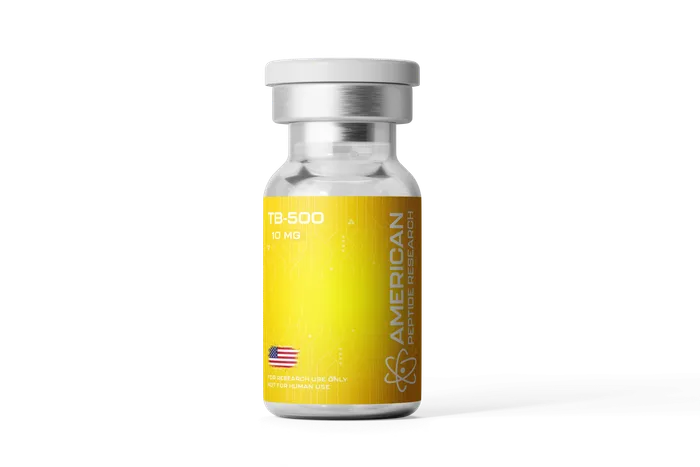
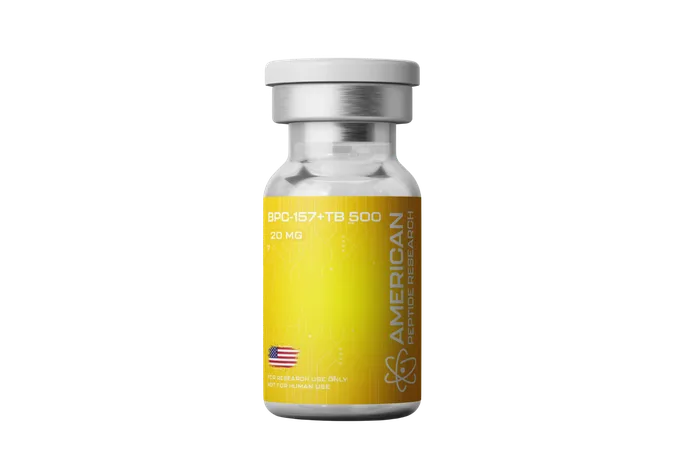
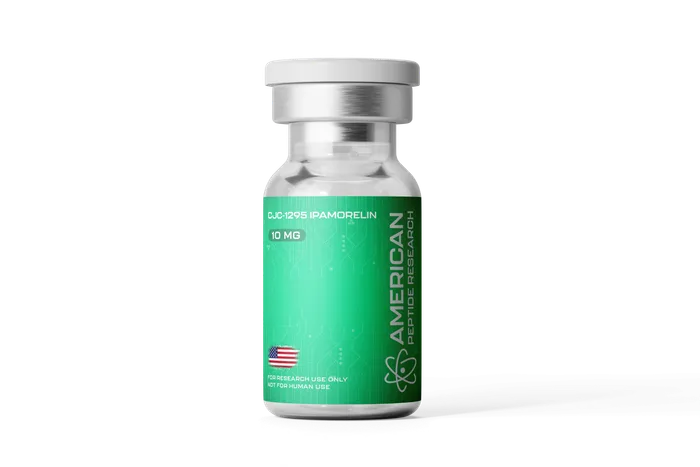
Third-party tested, made in the USA by American Peptide Research. Our link applies your discount automatically.