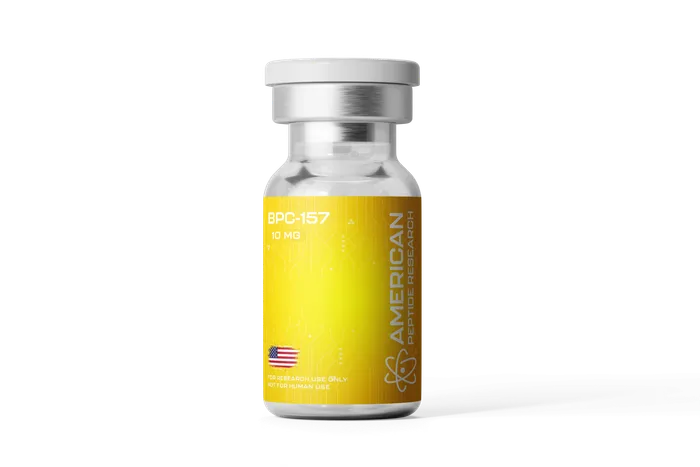
BPC-157 Peptide Dosing Protocol Guide for Athletes
BPC-157 dosing isn't one-size-fits-all, but the research points to a clear sweet spot: 250-500 mcg daily via subcutaneous injection for 4-8 weeks. Here's exactly how to structure your protocol.
9 min readJuly 8, 2026
NA
NinjAthlete Team| Updated: September 17, 2026
Medical Disclaimer: This article is for educational and informational purposes only. It is not intended as medical advice, diagnosis, or treatment.
Always consult a qualified healthcare professional before starting any peptide protocol, supplement regimen, or training program. Sources are cited with DOI/PubMed links where available. Read our editorial policy
If you're serious about recovery optimization, you've probably heard about BPC-157. But here's the real talk: most people have no idea how to actually dose it. The standard BPC-157 peptide dosing protocol ranges from 250-500 micrograms (mcg) daily, administered via subcutaneous injection, typically for 4-8 weeks followed by a 2-4 week rest period. But that's the baseline. Your individual protocol depends on your injury severity, goals, and how your body responds.
This guide breaks down everything you need to know to structure a dosing plan that actually works for your performance goals.
The research consensus points to 250-500 mcg daily as the effective window for most recovery applications. This isn't random. Studies examining BPC-157's effects on tissue repair and gut function consistently use doses within this range, which is why it's become the gold standard in performance circles.
Low-end dosing (250 mcg): Ideal for maintenance, mild injuries, or first-time users testing tolerance. Some athletes use this as a preventive dose during high-training blocks.
Mid-range dosing (350-400 mcg): The sweet spot for most active recovery protocols. Covers injury rehab, performance optimization, and gut health support.
High-end dosing (500 mcg): Reserved for acute injuries, severe tissue damage, or when you need faster recovery windows. Some advanced protocols push beyond this, but that requires professional oversight.
The key principle: more isn't always better. NinjAthlete emphasizes evidence-based dosing because saturation points exist. Going above 500 mcg daily doesn't necessarily accelerate recovery beyond what the protocol already delivers.
Frequency: Once, Twice, or Three Times Daily?
This is where personalization matters. BPC-157 has a relatively short half-life, which is why most protocols split dosing across the day rather than stacking it all at once.
Once daily (250-500 mcg): Simplest approach. Works for maintenance and mild recovery needs. Some athletes prefer this for convenience, though the research suggests split dosing may offer better sustained tissue support.
Twice daily (125-250 mcg x2): Most common approach in competitive athlete protocols. Morning and evening injections maintain steadier peptide levels in your bloodstream throughout your recovery window.
Three times daily (150-175 mcg x3): Reserved for acute injury phases or advanced protocols. Used primarily in the first 2-4 weeks of severe injury rehab, then scaled back to twice daily.
Your frequency choice depends on your training intensity, injury timeline, and how closely you want to mirror research-backed protocols. Higher-frequency dosing requires more discipline, but many serious athletes find the results justify the extra injections.
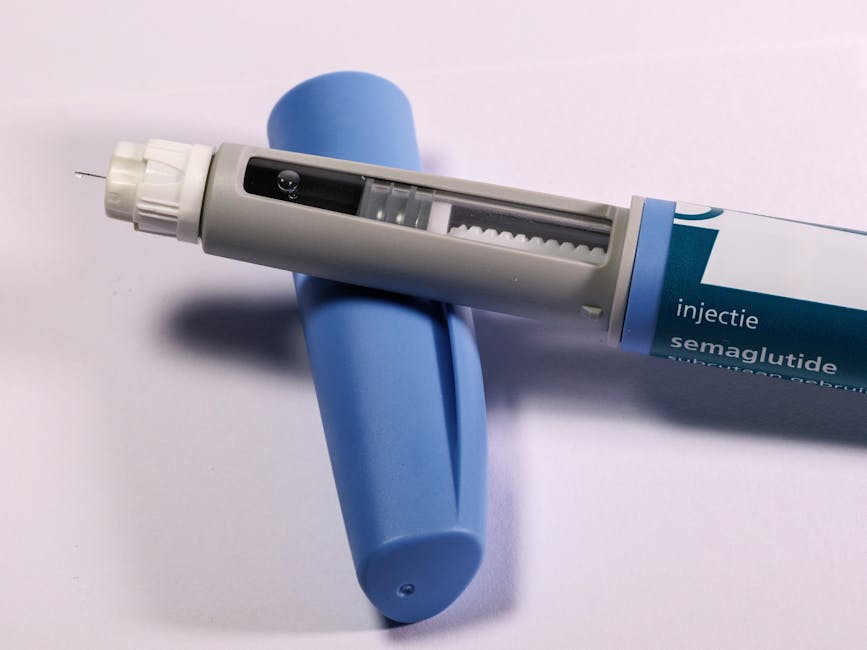
BPC-157 is administered via subcutaneous injection, meaning you're injecting it into the tissue just beneath your skin, not into muscle (IM) or directly into the bloodstream (IV).
Injection sites: Ideally near the injury site when targeting specific tissue repair (knee, shoulder, elbow). If you're using it for systemic benefits (gut health, general recovery), abdomen or thigh work fine.
Needle gauge: 27-29G insulin syringes are standard. They're small enough for subcutaneous work and minimize tissue trauma.
Injection depth: Pinch the skin slightly and inject at a 45-degree angle, roughly 1/4 to 1/2 inch below the surface. You want to be in the subcutaneous layer, not dermal.
Rotation: Change injection sites daily to avoid lipohypertrophy (fatty tissue buildup) and ensure consistent absorption.
Technique matters. Poor injection depth or repeated use of the same site can reduce peptide bioavailability and slow your recovery gains. If you're new to self-injection, watch a few tutorials or ask your healthcare provider to demonstrate proper technique first.
Cycle Duration: 4-8 Week Protocols Explained
BPC-157 isn't meant for indefinite use. Cycles are structured because your body adapts, and receptor sensitivity can decline with continuous exposure.
4-week cycles: Standard for minor injuries, maintenance, or first-time protocols. Short enough to assess tolerance and efficacy without over-committing. Good starting point if you're testing how your body responds.
6-week cycles: Middle ground for moderate injuries or more aggressive recovery goals. Gives your tissues enough time to show meaningful repair progress without hitting diminishing returns.
8-week cycles: Maximum recommended duration for acute injuries or severe tissue damage. Anything longer than 8 weeks typically requires medical supervision and monitoring.
Your cycle length depends on injury severity and your recovery timeline. A mild ligament sprain might only need 4 weeks. A serious tendon rupture might justify the full 8-week approach. Most athletes find the 6-week sweet spot balances results with risk management.
AppPeptide Protocol Tracker
Track Your Protocol with PeptIQ
AI-powered dosing, smart reminders, and progress logging — all in one app. Never miss a dose.
After your cycle ends, you need a break. This is non-negotiable if you want to maintain receptor sensitivity and avoid adaptation.
2-week minimum rest: For short 4-week cycles. Allows your system to clear the peptide and reset receptor density.
4-week rest: Standard break after 6-8 week cycles. Longer cycles require longer recovery periods for your body's peptide receptors to regenerate sensitivity.
Some athletes run staggered protocols: 6 weeks on, 4 weeks off, repeat. Others do longer breaks (8-12 weeks) between cycles. The science doesn't show a definitive "best" pattern, but respecting the break period is crucial for sustained efficacy.
Individualization: Customizing Your Protocol
The 250-500 mcg standard is a starting framework, not a prescription. Your actual dosing should account for:
Body weight: Heavier athletes might respond better to the upper range (400-500 mcg). Lighter athletes often see results at 250-350 mcg.
Injury severity: Minor strains get 4-week cycles at 250-350 mcg. Acute tears might need 6-8 weeks at 400-500 mcg.
Injury location: Local injection near the injury site requires lower doses than systemic dosing. If you're injecting directly at a shoulder injury, 250 mcg may suffice. For gut health or general recovery, you might go higher.
Previous peptide experience: First-time users should start conservative (250 mcg once or twice daily) and assess tolerance before escalating.
Other recovery modalities: If you're stacking BPC-157 with physical therapy, cold plunges, or other recovery tools, you might not need the highest doses.
This is why working with a healthcare provider experienced in peptide protocols makes sense. They can adjust based on your response and refine your approach over time. Athletes who prioritize evidence-based optimization often find that professional guidance saves months of trial-and-error.
Safety Considerations and What to Monitor
BPC-157 has a strong safety profile in research, but that doesn't mean "set it and forget it." Here's what to track:
Injection site reactions: Minor redness or tenderness is normal. Persistent swelling, warmth, or infection signs mean you need to stop and consult your provider.
Systemic symptoms: Nausea, headache, or fatigue in the first few days is rare but possible. Most athletes experience zero side effects.
Recovery response: Are you seeing measurable progress? Pain reduction? Improved range of motion? If not, your dosing or frequency might need adjustment.
Source your peptides from verified suppliers only. Unregulated peptides expose you to purity issues, contamination, and inconsistent potency, which defeats the whole purpose of running a structured protocol.
Common Protocol Examples
Here's what three different scenarios might look like in practice:
Mild ankle sprain (first-time user): 250 mcg once daily via subcutaneous injection near the injury site for 4 weeks. Rest 2 weeks. Reassess and potentially extend if needed.
Chronic shoulder tendinopathy (experienced with peptides): 400 mcg twice daily (morning and evening) for 6 weeks. Inject near the rotator cuff. Follow with 4-week break.
Acute ACL tear (severe injury): 500 mcg twice daily for 8 weeks with professional medical supervision. Inject near the knee ligament. Combine with physical therapy. Follow with 4-week break minimum.
Notice the pattern: dosing scales with severity, frequency matches your recovery intensity, and cycle length reflects injury complexity. Your protocol should follow the same logic.
When to Consult a Healthcare Provider
Before starting any BPC-157 protocol, you need professional guidance. This isn't optional. A qualified healthcare provider can:
Assess your injury using imaging or physical examination
Rule out contraindications or drug interactions
Customize dosing based on your health history
Monitor your progress and adjust the protocol
Document outcomes for future reference
Some specialized clinics focus specifically on peptide therapy for athletes. That expertise is worth seeking out. If you're taking other medications or have underlying health conditions, medical oversight isn't just recommended, it's essential.
Ready to build your recovery strategy? NinjAthlete provides science-backed guidance for performance optimization, including peptide therapy frameworks aligned with your training goals. Start by understanding your baseline recovery needs, then layer BPC-157 into a comprehensive protocol that covers nutrition, training, and active recovery.
What's the fastest BPC-157 dosing protocol I can run?
The fastest standard protocol is 500 mcg twice daily for 4 weeks. Some medical professionals might recommend higher frequencies (3x daily) for acute injuries, but anything beyond that requires close monitoring. Faster doesn't always mean better results, though. Most athletes see meaningful progress in 4-6 weeks at standard dosing.
Can I adjust my dosing mid-cycle if I'm not seeing results?
You can, but avoid making changes too early. Give your protocol at least 2-3 weeks before assessing efficacy. Many athletes see delayed improvements as their body's repair processes kick in. If you're at week 4-5 with zero progress, discuss dosing adjustments with your healthcare provider rather than changing things yourself.
Is injecting BPC-157 directly into the injury site better than systemic dosing?
Local injection near the injury typically requires lower doses and shows faster localized results. Research published on PubMed suggests local delivery concentrates peptide activity where you need it most. For systemic benefits (gut health, general recovery), injecting into the abdomen works fine at higher doses.
Can I run a BPC-157 protocol while training hard, or should I rest?
You can train while dosing BPC-157, but respect the intensity. Heavy resistance training on the injured area defeats the purpose of recovery. Light activity, mobility work, and controlled physical therapy are fine. Aggressive training should resume after your injury shows measurable improvement.
Disclaimer: This article is for educational and informational purposes only and does not constitute medical advice. Peptides discussed are research compounds that are not FDA-approved for human use, and many are prohibited in tested sport by WADA. Always consult a qualified healthcare provider before beginning any supplement, peptide, or treatment protocol.
Research-Grade Peptides
Discount auto-applied
Third-party tested, made in the USA by American Peptide Research. Our link applies your discount automatically.