Peptide Dosing Guide: Calculate & Administer Safely
Master peptide dosing by calculating reconstitution ratios accurately, following titration schedules, and tracking outcomes. We break down the math, the protocol, and the mistakes to avoid so your doses hit every single time.
9 min readJuly 23, 2026
NA
NinjAthlete Team| Updated: September 17, 2026
Medical Disclaimer: This article is for educational and informational purposes only. It is not intended as medical advice, diagnosis, or treatment.
Always consult a qualified healthcare professional before starting any peptide protocol, supplement regimen, or training program. Sources are cited with DOI/PubMed links where available. Read our editorial policy
Getting peptide dosing right separates effective protocols from wasted cycles. A peptide dosing guide is your roadmap to hitting therapeutic doses consistently, calculating reconstitution ratios correctly, and administering with confidence. Whether you're running a single peptide or stacking multiple compounds, dosing precision determines whether you see measurable results or spin your wheels.
Here's the honest take: most athletes wing this part and wonder why their outcomes lag behind expectations. We're going to change that right now.
Peptides are potent—and that means dosing accuracy isn't negotiable. Too low and you're wasting money on sub-threshold doses. Too high and you risk side effects that derail your protocol. The sweet spot lives in the data.
Your body doesn't respond to effort alone; it responds to stimulus within a specific dose range. Research shows that peptide efficacy sits on a dose-response curve. That curve is steep early on—meaning small changes in dosage create disproportionate changes in outcome. Miss your target dose by 20 percent, and you've just cut your results by half.
Reconstitution accuracy is where most protocols fail. You'll receive lyophilized (freeze-dried) peptide powder. It needs to be mixed with bacteriostatic water (BAC) at precise ratios. Get the math wrong, and every injection is off-target.
NinjAthlete breaks this down into a repeatable system so you can stop guessing and start optimizing.
How to Calculate Your Peptide Dosing
Step one: identify three numbers.
Total peptide amount (in mg or mcg) - this is printed on your vial label
BAC water volume (in mL) - you control this when reconstituting
Target dose per injection (in mcg or mg) - this comes from your protocol
Here's the formula that matters:
(Total peptide amount / BAC volume) = concentration per mL
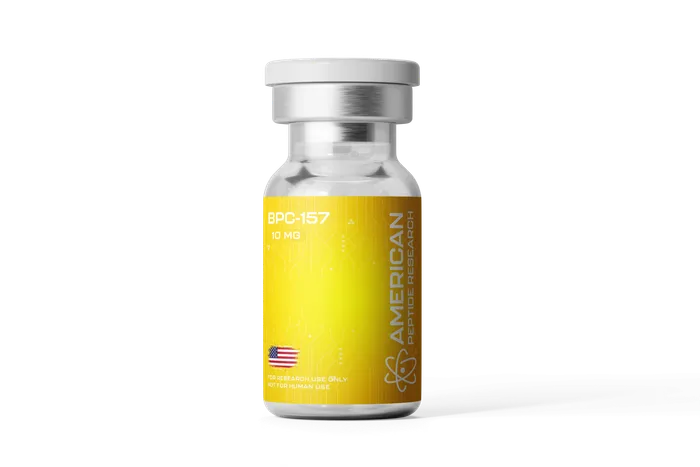
Let's use a real example. You have 10 mg of BPC-157. You add 1 mL of BAC water. Your concentration is now 10 mg per mL, or 10,000 mcg per mL.
Your protocol calls for 250 mcg per dose. Now calculate how many mL you need to draw:
(Target dose / concentration per mL) = volume to inject
(250 mcg / 10,000 mcg per mL) = 0.025 mL per injection
That's 0.025 mL, or about a quarter of a unit on a 1 mL insulin syringe. Precise, measurable, repeatable.
The key shift: you're no longer eyeballing dosage. You're calculating it. Write these numbers down. Use the same syringe type every time (insulin syringes work best for small volumes). Consistency builds accuracy.
Reconstitution Protocol: The Foundation
Reconstitution is where your dosing precision starts. Mess this up, and everything downstream is compromised.
You'll need:
Bacteriostatic water (sterile, 0.9% sodium chloride with benzyl alcohol)
Sterile 1 mL insulin syringes
Alcohol prep pads (70% isopropyl)
The peptide vial itself
The process takes five minutes:
1. Prepare your workspace. Wipe everything down with alcohol. You're not performing surgery, but sterility matters. Bacterial contamination kills the peptide and risks infection.
2. Calculate your BAC volume. This is critical. Draw the exact mL of bacteriostatic water your protocol specifies. If the protocol says 1 mL, draw 1 mL. If it says 2 mL, draw 2 mL. Approximation kills accuracy.
3. Inject BAC water slowly into the peptide vial. Aim the water against the vial wall, not directly onto the powder. This prevents foaming and degradation. Let it sit for 1-2 minutes. The powder will dissolve naturally. Do not shake vigorously—gentle rotation is enough.
4. Let it stabilize. Give the solution 5-10 minutes to fully dissolve. The liquid should be clear (or slightly colored, depending on the peptide). If it's cloudy after 15 minutes, something went wrong. Start over.
5. Label it. Write the date, peptide name, concentration, and BAC volume on the vial. You'll thank yourself later when you're running four protocols simultaneously.
Store reconstituted peptides in the refrigerator at 2-8°C (36-46°F). Most remain stable for 4-8 weeks when reconstituted, but check your specific peptide's stability data.
AppPeptide Protocol Tracker
Track Your Protocol with PeptIQ
AI-powered dosing, smart reminders, and progress logging — all in one app. Never miss a dose.
A titration schedule is your insurance policy against unwanted responses. You don't start at full dose on day one. Instead, you begin low and escalate gradually.
Example BPC-157 titration:
Week 1: 250 mcg once daily
Week 2: 250 mcg twice daily (morning and evening)
Week 3+: 500 mcg twice daily (if tolerated)
Why titrate? It lets you assess how your body responds. Some people experience mild gut symptoms or localized inflammation early on. Titration gives you space to adjust before committing to full dose. It also primes your system for better adaptation.
If you're running a stack (multiple peptides), stagger the introduction. Add one peptide every 3-5 days. This isolates variables and lets you identify which compound triggers any response if one does.
Documentation is non-negotiable. Log your dose, time, location of injection, and how you felt that day. After 30 days, you'll see patterns. After 60 days, you'll have data. Data wins arguments with yourself about whether the protocol is working.
Common Dosing Mistakes to Avoid
We see these all the time. Avoid them.
Mistake 1: Confusing mcg and mg. One milligram equals 1,000 micrograms. If your protocol calls for 250 mcg and you accidentally dose 250 mg, you've just taken 1,000x your target dose. Use a conversion chart. Write both units on your label.
Mistake 2: Inconsistent injection volumes. "Close enough" isn't dosing. If your protocol requires 0.05 mL and you're drawing 0.07 mL some days and 0.04 mL others, your results will scatter. Use the same syringe type every single time. Mark your syringe at the target volume with a marker if needed.
Mistake 3: Bacterial contamination during reconstitution. Don't touch the needle. Don't leave the vial open. Don't skip the alcohol prep pad on the rubber stopper. Contamination turns your peptide into a liability.
Mistake 4: Storing reconstituted peptides at room temperature. Peptides degrade rapidly without refrigeration. You'll lose potency within days. A small cooler or dorm fridge costs thirty bucks and saves you hundreds in wasted product.
Mistake 5: Not accounting for individual variance. The "standard" dose you read online isn't written for you. Body weight, training age, metabolic rate, and prior peptide experience all shift your optimal dose. Start at the low end of published ranges and adjust based on results.
Tools and Resources for Dosing
You don't need to calculate this in your head. Use a dosing calculator—input your three numbers, and the math happens instantly. Print it or screenshot it.
A complete supplies checklist keeps you from missing gear halfway through reconstitution. Bacteriostatic water, syringes, alcohol pads, sterile gauze, and sharps disposal. Get a list, order once, and stock up.
Injection site rotation is mechanical but essential. Shoulders, quads, glutes, and abdominal areas are common sites. Rotating prevents lipodystrophy (fat pad hardening) at injection sites. Map out a seven-day rotation so you never hit the same spot twice in a row.
When you're working through complex protocols or stacking multiple peptides, NinjAthlete offers detailed dosing frameworks tailored to specific compounds and athletic goals. The resource library covers 50+ research peptides with verified titration schedules and stack combinations that have been validated across competitive athletes.
Monitoring Your Protocol for Efficacy
Dosing accuracy is worthless if you're not tracking outcomes. Measure what matters to your sport or training goal.
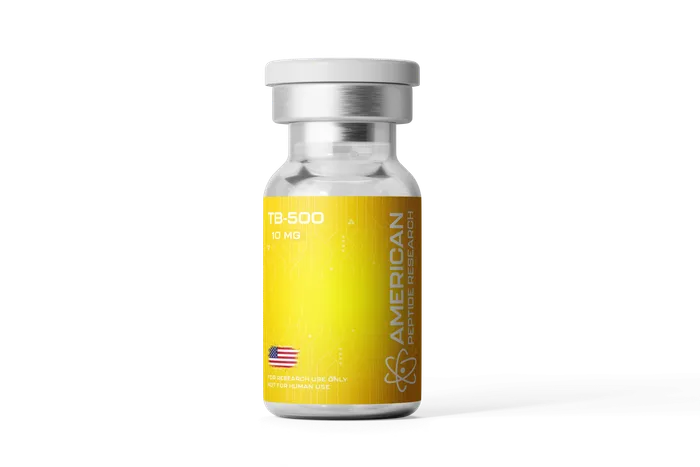
If you're running recovery peptides (BPC-157, TB-500), track injury metrics: range of motion improvements, pain levels, return-to-sport timeline. If you're running performance peptides, measure strength gains, work capacity, or endurance markers specific to your discipline.
Take baseline measurements before you start. Weight, body composition, performance metrics—whatever you're optimizing for. Then measure again at 30-day and 60-day marks. The data will tell you whether your dosing is hitting the mark or needs adjustment.
Keep a simple log: date, peptide name, dose in mcg, time of injection, injection site, and any subjective notes (energy, mood, soreness, performance in training that day). After 60 days, you'll have the evidence you need to defend the protocol to yourself.
If you're not seeing improvements by week 8, something is wrong. Either the dosing is off, the storage is degrading the peptide, the protocol isn't suited to your goal, or you're not measuring the right outcomes. Go back to fundamentals: verify your reconstitution math, confirm your storage conditions, and reassess whether the protocol matches your objective.
Medical Oversight and Professional Guidance
We won't pretend peptide therapy doesn't require supervision. Verify all protocols with a qualified healthcare provider before starting. Get bloodwork before and after to confirm safety and efficacy.
A doctor familiar with peptide research can review your specific protocol, assess your individual risk profile, and help you monitor for unwanted responses. If you're on any medications, peptide interactions are possible. That's a conversation you have with your physician, not strangers on the internet.
The best-run athletes treat peptide protocols like any other performance intervention: evidence-based, professionally monitored, and systematically tracked. That's not paranoia. That's respect for your body and your results.
What's the difference between reconstituted and lyophilized peptides?
Lyophilized peptides are freeze-dried powder—stable for years when stored properly. Reconstituted peptides are mixed with bacteriostatic water and become a liquid solution. Reconstituted peptides are ready to inject but degrade faster (4-8 weeks in the fridge). Lyophilized lasts longer but requires mixing before use. Always start with lyophilized unless your protocol specifically calls for pre-reconstituted vials.
How do I know if my peptide is degraded?
Visual inspection is your first check. Discoloration, cloudiness, or particles in a reconstituted solution mean contamination or degradation. Lyophilized peptides that look clumpy or darkened are likely degraded. If you're unsure, don't inject it. The cost of replacing one vial is cheaper than the risk of infection or ineffective dosing. Always store peptides in the refrigerator immediately after purchase.
Can I adjust my dose mid-protocol if I'm not seeing results?
Yes, but do it systematically. Wait at least 30 days before changing anything—peptide effects aren't instant. Then increase your dose by no more than 20 percent. Wait another 30 days. If you're still not seeing results after 8 weeks at the higher dose, the problem isn't dosage—it's protocol fit, measurement method, or storage. Chasing higher and higher doses is how athletes get sloppy and create unwanted responses.
What's the safest injection site for peptides?
Subcutaneous injections (into the fatty tissue under the skin) are standard for peptide administration. Common sites include the abdomen, outer thigh, upper arm, and glute. Avoid injecting near joints unless the protocol specifically targets that area (like BPC-157 for tendon recovery). Rotate sites to prevent lipodystrophy. Never inject into muscle or vein unless a medical professional directs it.
Disclaimer: This article is for educational and informational purposes only and does not constitute medical advice. Peptides discussed are research compounds that are not FDA-approved for human use, and many are prohibited in tested sport by WADA. Always consult a qualified healthcare provider before beginning any supplement, peptide, or treatment protocol.
Research-Grade Peptides
Discount auto-applied
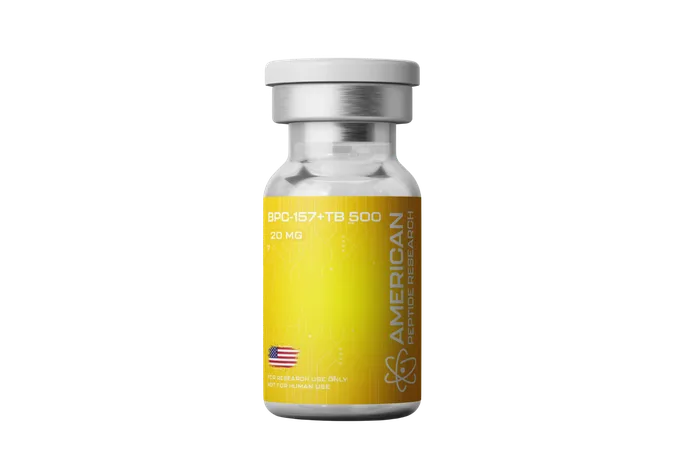
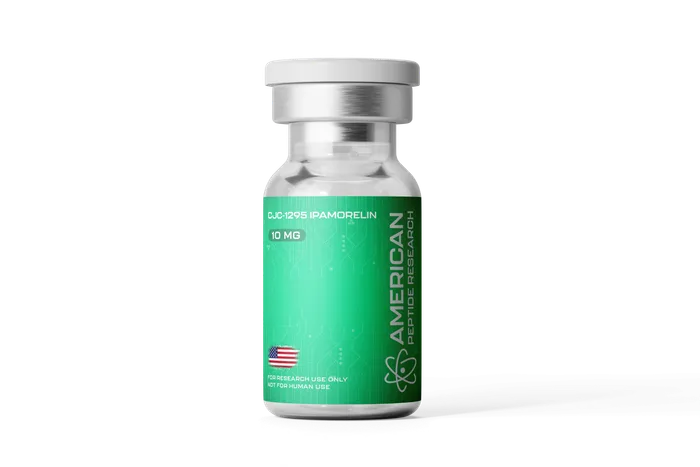
Third-party tested, made in the USA by American Peptide Research. Our link applies your discount automatically.