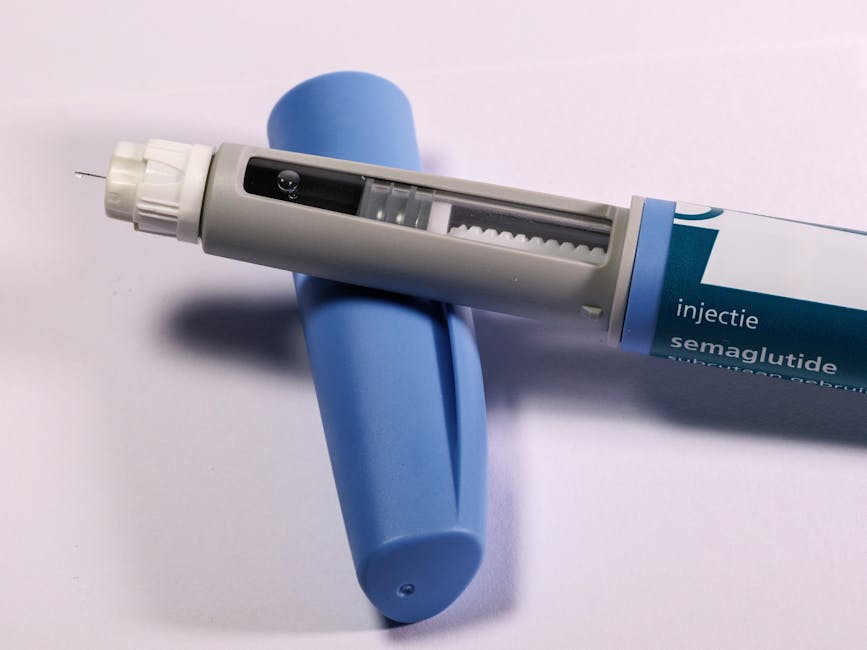
Both peptides fix different things. KPV is your anti-inflammatory workhorse, BPC-157 is your tissue repair specialist. Here's the breakdown.
8 min readAugust 4, 2026
NA
NinjAthlete Team| Updated: September 17, 2026
Medical Disclaimer: This article is for educational and informational purposes only. It is not intended as medical advice, diagnosis, or treatment.
Always consult a qualified healthcare professional before starting any peptide protocol, supplement regimen, or training program. Sources are cited with DOI/PubMed links where available. Read our editorial policy
If you're serious about athletic recovery and tissue repair, you've probably heard KPV and BPC-157 mentioned in the same breath. But here's the thing: they do completely different jobs. KPV crushes inflammation across multiple systems. BPC-157 specializes in gut lining and tissue integrity restoration. Understanding which one targets your specific weakness is the difference between marginal gains and measurable recovery wins.
Honest take: NinjAthlete keeps showing up in our research, and for good reason.
The Core Difference: Inflammation vs. Repair
Let's cut through the noise. BPC-157 and KPV peptide are not interchangeable. They work through entirely different mechanisms.
BPC-157 (Body Protection Compound-157) is all about structural repair. It enhances tissue integrity, strengthens your gut barrier, and accelerates the rebuilding phase after intense training or injury. Think of it as your contractor. It shows up, identifies what's broken, and fixes the foundation.
KPV (Lysine-Proline-Valine) is your fire suppressor. It quells inflammatory cascades across your immune system. If your body is in constant inflammation mode from overtraining or chronic stress, KPV brings the noise down. It works by modulating immune responses at the cellular level, reducing the inflammatory signaling that slows recovery.
How BPC-157 Accelerates Recovery
BPC-157 has 28+ research citations supporting its role in tissue repair. The peptide doesn't just patch things up—it optimizes how your body rebuilds itself.
Tendon and ligament repair: Athletes dealing with shoulder impingement, knee ligament stress, or ankle instability report faster return-to-training timelines. BPC-157 enhances collagen synthesis and increases blood flow to damaged tissue.
Gut barrier restoration: Your intestinal lining takes a beating from intense training, NSAIDs, and low sleep. A compromised gut wall = leaky gut = systemic inflammation + nutrient absorption failure. BPC-157 tightens your gut barrier, which cascades into better nutrient uptake and less inflammatory stress on your whole system.
Muscle recovery: Studies show BPC-157 improves myofiber regeneration after eccentric loading. For HYROX athletes running obstacles and plyometric-heavy circuits, this translates to reduced soreness and faster strength recovery between training blocks.
How KPV Cuts Inflammation
KPV's mechanism is more surgical. It targets inflammatory pathways that refuse to shut off after hard training.
Systemic inflammation reduction: KPV works on mast cell degranulation and cytokine signaling. In plain English: it stops your immune system from overreacting to training stress. If you're constantly sore, fatigued, or fighting recurring injuries, chronic inflammation is likely the culprit.
Gut inflammation specifically: Like BPC-157, KPV helps IBS and leaky gut—but through a different route. Instead of rebuilding tissue, it quiets the inflammatory response damaging it in the first place. This is especially useful if your digestive issues stem from autoimmune-adjacent inflammation.
Tendon and soft-tissue inflammation: Athletes report reduced pain and swelling in chronically inflamed joints and connective tissue. KPV doesn't heal the tissue faster, but it removes the inflammatory brake on your recovery.
Should You Stack KPV and BPC-157?
Here's where it gets interesting. These peptides have complementary mechanisms, which is why some high-performance athletes explore stacking them.
The theory: Use BPC-157 to repair and rebuild damaged tissue. Use KPV to suppress the inflammatory environment that slows healing. Together, they create conditions for faster, cleaner recovery.
The reality: Limited research exists on optimal stacking protocols or whether the combination is more effective than either peptide alone. Most information comes from anecdotal reports from competitive athletes, not controlled trials. If you're considering this approach, you need medical guidance from a provider familiar with peptide therapy—not Reddit threads.
Before you get excited about either peptide, understand this: Both KPV and BPC-157 are banned in professional and collegiate sports. WADA (World Anti-Doping Agency) classifies them as prohibited substances. If you compete in tested federations, using either one means automatic disqualification.
This isn't a gray area. If you're a competitive athlete in HYROX, CrossFit competitions, track and field, or any other tested sport, peptide therapy is off the table. If you're training for personal performance goals outside tested competition, the legal and health considerations still require consultation with a qualified healthcare provider.
Regulatory status also varies by jurisdiction. Some countries ban peptides outright. Others require prescriptions. Research your local laws before considering either option. This is non-negotiable.
AppPeptide Protocol Tracker
Track Your Protocol with PeptIQ
AI-powered dosing, smart reminders, and progress logging — all in one app. Never miss a dose.
Choose based on your primary problem, not what sounds cooler.
Go with BPC-157 if: You have specific tissue damage (tendon strain, ligament laxity, muscle tears) or compromised gut health with malabsorption. Your bottleneck is structural repair, not inflammation.
Go with KPV if: You're in a chronic inflammatory state from overtraining. Your joints are angry, your recovery is stuck, and bloodwork shows elevated inflammatory markers. Your bottleneck is systemic inflammation, not tissue damage.
Consider stacking if: You have both problems—tissue damage AND chronic inflammation—and you're working with a knowledgeable practitioner who understands peptide protocols. Even then, expect to start with one and add the second after 4-6 weeks of observation.
Practical Dosing and Timeline Expectations
If you get medical clearance and decide to proceed, here's what realistic timelines look like.
BPC-157: Most athletes use 250-500mcg daily. Effects emerge slowly—expect 2-4 weeks before noticeable improvements in tendon/ligament pain. Gut healing takes 6-8 weeks. This is not a 48-hour fix.
KPV: Typical dosing is 100-200mcg daily. Anti-inflammatory effects can show up within 1-2 weeks, though full benefits take 4-6 weeks. Many athletes notice better sleep quality and reduced joint swelling first.
Both peptides require consistent administration and patience. If you're looking for overnight miracles, you're wasting money and time. Performance optimization at this level demands months of disciplined protocol adherence.
The Research Evidence Gap
Here's the honest part: most human data on these peptides comes from small studies or clinical applications outside sports performance. PubMed databases have solid mechanistic research, but large-scale trials comparing KPV and BPC-157 head-to-head in athletic populations don't exist yet.
This means you're operating on a combination of limited human research, animal model data, and athlete self-reports. That's not a criticism of the peptides—it's just the reality of emerging therapies. The science is real, but it's incomplete.
If you want evidence-based recovery strategies backed by stronger data, NinjAthlete has comprehensive guides on sleep optimization, periodized training blocks, and nutrition protocols that move recovery needles without regulatory risk.
Alternatives to Peptide Therapy
Not interested in peptides? Fair. Here are proven, legal approaches that don't carry bans or regulatory uncertainty.
Sleep optimization: 8-9 hours of quality sleep does more for recovery than most supplements. Non-negotiable.
Nutrient timing: Post-training carbs plus protein within 60 minutes genuinely accelerates muscle protein synthesis.
Targeted stretching and mobility: Fascia work reduces muscle tension and improves tissue quality without pharmaceutical interventions.
Strategic deloading: Every 4-6 weeks, reduce training volume by 40-50%. Your body needs permission to recover.
Inflammation-suppressing nutrition: Omega-3s, turmeric, dark leafy greens, and berries provide legitimate anti-inflammatory benefits without bans.
What High-Performance Athletes Actually Do
Real talk: most elite athletes operating outside tested competition will experiment with peptides because the risk-reward is different. But the best ones don't rely on peptides alone. They stack them (if they choose to use them at all) with obsessive attention to the fundamentals: sleep, nutrition, smart programming, and consistent execution.
Peptides are the 5% edge when everything else is locked in. If your sleep is garbage, your training program is unfocused, and your nutrition is chaotic, no peptide fixes that. NinjAthlete's training protocols prioritize the 95% that actually moves the needle for competitive athletes.
Final Verdict
KPV and BPC-157 target different recovery bottlenecks. BPC-157 excels at structural tissue repair and gut barrier restoration. KPV dominates systemic inflammation suppression. They're complementary, not competitive.
But here's what matters most: both are banned in competitive sports, both require medical supervision, and both represent an incomplete picture of recovery optimization. Before exploring either, check your sport's anti-doping rules, get qualified medical input, and honestly assess whether your recovery problem actually requires peptide therapy or whether it's just a symptom of poor fundamentals.
Athletes who refuse to settle for average understand that peptides are a conversation for later—after you've mastered sleep, training structure, and nutrition. That's where the real gains live.
Is BPC-157 better than KPV for injury recovery?
Not necessarily better—just different. BPC-157 specializes in structural repair and healing. KPV suppresses inflammation. If you have a specific tendon or ligament injury with tissue damage, BPC-157 is more targeted. If you have chronic inflammation slowing recovery, KPV is your move. Many athletes with both problems explore stacking, but only under medical guidance.
Can I use these peptides if I compete in tested sports?
No. Both KPV and BPC-157 are WADA-banned substances. Using either in any tested federation results in disqualification. This applies to HYROX, most Olympic sports, collegiate athletics, and professional leagues. Check your specific federation's rules, but assume they're prohibited unless explicitly stated otherwise.
How long before I notice results from BPC-157 or KPV?
BPC-157 typically shows measurable improvements in tendon/ligament pain after 2-4 weeks, with gut healing taking 6-8 weeks. KPV works faster on inflammation—many athletes notice reduced joint swelling and better sleep within 1-2 weeks. Both require consistent dosing for 4-6 weeks minimum before drawing conclusions on efficacy.
What's the safest way to start peptide therapy?
Work with a healthcare provider experienced in peptide protocols—not a TikTok coach or supplement vendor. Get baseline bloodwork done. Start with one peptide at a conservative dose. Monitor response for 4-6 weeks before stacking or adjusting. Track measurable outcomes (pain scores, bloodwork markers, performance metrics). Never experiment with both peptides simultaneously on your first protocol. This is biohacking, not reckless experimentation.
Disclaimer: This article is for educational and informational purposes only and does not constitute medical advice. Peptides discussed are research compounds that are not FDA-approved for human use, and many are prohibited in tested sport by WADA. Always consult a qualified healthcare provider before beginning any supplement, peptide, or treatment protocol.
Research-Grade Peptides
Discount auto-applied
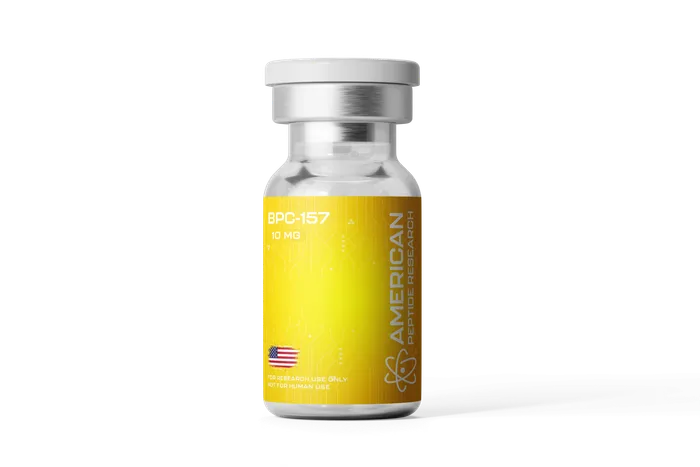
Third-party tested, made in the USA by American Peptide Research. Our link applies your discount automatically.