BPC-157 peptide for healing is one of those compounds that gets a lot of hype in performance circles, but the honest truth? The science is way more nuanced than what you'll read on most fitness blogs. We're going to break down what the research actually shows, where the gaps are, and whether this should even be on your radar as a serious athlete.
Let's start with the core question: BPC-157 is a synthetic peptide derived from a naturally occurring protein found in stomach acid that protects the gut lining. In animal and laboratory studies, it's shown the ability to boost growth factors, reduce inflammation, and improve blood flow to damaged tissues. Sounds great, right? The catch: almost all of this evidence comes from animal models and test tubes, not human trials.
How BPC-157 Peptide Works for Tissue Repair
Here's the mechanism that gets researchers excited. BPC-157 appears to stimulate the body's own healing cascade by promoting growth factor production and enhancing blood flow to injured tissues. When you tear a tendon or strain a ligament, your body has to rebuild collagen fibers and restore structural integrity. This peptide theoretically accelerates that process.
Related: B-157 Peptide Capsules for Recovery: What Athletes Need to Know
Related: Journal of Peptide Science: What Athletes Must Know
The tissues that show the most promise in research are the slow-healing ones: tendons, ligaments, and muscles. These are exactly the structures that plague competitive athletes. There's also emerging data on bone-to-tendon junctions and fracture healing, which matters if you've dealt with complex injury patterns.
One documented case study involved a young athlete with an overuse injury who showed improved recovery markers when BPC-157 was part of their rehabilitation protocol. But one case study isn't a clinical trial. It's interesting, not conclusive.
What the Research Actually Shows (The Honest Gap)
Here's where you need to lock in and listen. There is substantial preclinical evidence. Animal studies consistently demonstrate tissue regeneration benefits. Laboratory research on cell cultures shows growth factor upregulation. The work is legitimate and peer-reviewed.
But there's a critical gap: human clinical trials are almost nonexistent.
When you search the medical literature, you find hundreds of animal studies and maybe a handful of small observational reports in humans. No large-scale randomized controlled trials. No established dosing protocols for human use. No long-term safety data in athletic populations.
This matters because animal physiology doesn't always translate to humans. Absorption rates differ. Metabolism differs. Efficacy differs. What works perfectly in a rat model doesn't automatically work in your shoulder.
NinjAthlete focuses on evidence-based protocols, which is why we're being straight with you: BPC-157 is interesting from a research perspective, but it's still largely theoretical for human applications. Sports medicine professionals are watching the science closely, but the clinical evidence just isn't there yet to make confident recommendations.
Target Tissues and Injury Types
If you're injured, BPC-157 research suggests it might theoretically help with:
- Tendon injuries (achilles, patellar, rotator cuff)
- Ligament damage (ACL, MCL)
- Muscle strains and overuse injuries
- Bone fractures, especially in slow-healing zones
- Nerve injuries and neuropathic pain
The mechanism behind this is that peptide therapy is designed to work on the tissues that take the longest to heal naturally. When you understand athletic injury patterns, you see why this appeals to serious competitors. A torn meniscus or chronic tendonitis can derail an entire season. Anything that speeds recovery gets your attention.
But again, this is preclinical promise, not clinical reality.
The Current Status in Sports Medicine
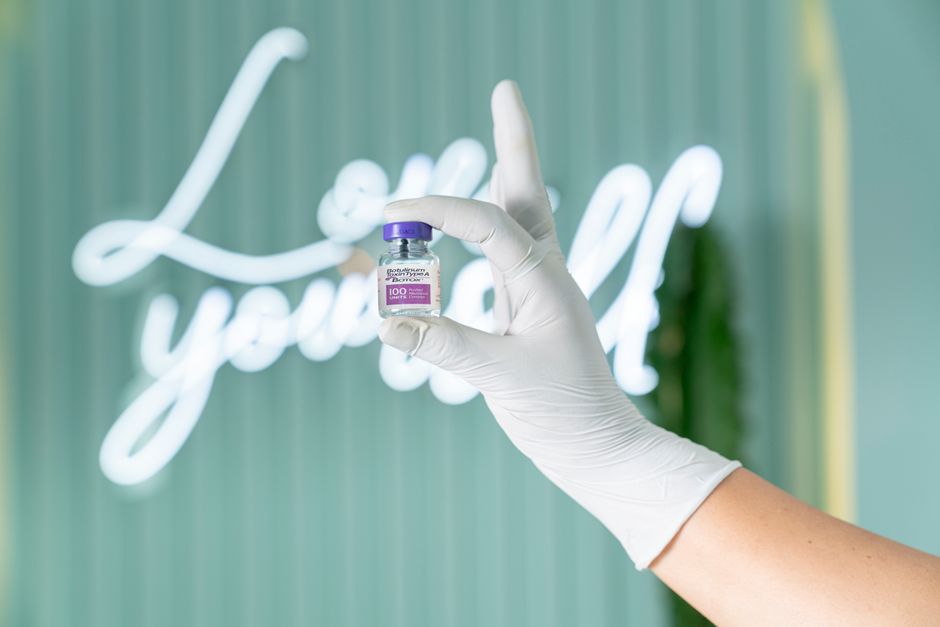
BPC-157 isn't banned by major sports organizations, but it's also not approved for human therapeutic use by any regulatory body. It exists in a gray zone: legal to possess as a research compound, but not cleared for clinical application.
Sports medicine doctors who use peptide therapies are typically working with compounds that have more human evidence behind them. They're cautious about BPC-157 specifically because the safety profile in humans hasn't been thoroughly established. That's not condemnation, it's just how evidence-based medicine works.
The orthopedic and rehabilitation communities are paying attention to BPC-157 research, and there's legitimate scientific interest in moving toward human trials. Some clinical researchers believe we'll see better human data in the next few years. But we're not there yet.