BPC-157 gets a lot of hype in performance circles, but the science is way more nuanced than most peptide blogs admit. Let's break down what this 15-amino acid compound actually does.
7 min readAugust 13, 2026
NA
NinjAthlete Team| Updated: September 17, 2026
Medical Disclaimer: This article is for educational and informational purposes only. It is not intended as medical advice, diagnosis, or treatment.
Always consult a qualified healthcare professional before starting any peptide protocol, supplement regimen, or training program. Sources are cited with DOI/PubMed links where available. Read our editorial policy
BPC-157 is a synthetic 15-amino acid peptide (also called a pentadecapeptide) derived from stomach acid proteins. It doesn't occur naturally in your body, and it's become increasingly popular in high-performance circles because of promising animal research showing potential benefits for tissue repair and recovery. But here's the honest part: the human evidence is thin, and you need to understand exactly what we know and don't know before deciding if it fits your protocol.
The full amino acid sequence is Gly-Glu-Pro-Pro-Pro-Gly-Lys-Pro-Ala-Asp-Asp-Ala-Gly-Leu-Val. Its molecular weight is 1,419.55 Da. The peptide is marketed as "Body Protection Compound 157," but that's a naming convention, not a scientific classification. If you're serious about evidence-based optimization, you need to know the difference between what animal models suggest and what's actually been tested in humans.
How BPC-157 Amino Acids Work (Theory vs. Reality)
Animal studies suggest BPC-157 operates through several mechanisms. It may accelerate tissue repair processes, reduce inflammation in injured areas, improve blood flow to damaged tissue, and promote healing in connective tissues like tendons and ligaments. For competitive athletes recovering from soft tissue injuries, that's theoretically valuable.
But here's the catch: most of this data comes from animal models and in vitro studies. Human clinical trials remain limited. PubMed searches for BPC-157 human trials show far fewer peer-reviewed human studies than animal research. This doesn't mean the peptide doesn't work; it means we're still in early exploration territory for human application.
The tissue regeneration potential is why it appeals to HYROX athletes and endurance competitors dealing with repetitive strain injuries. If it accelerates collagen synthesis and reduces downtime, that's a measurable performance advantage. The problem is translating "this works in rats" to "this works reliably in you."
What the Research Actually Shows About BPC-157
Animal studies demonstrate potential for muscle, bone, tendon, and ligament healing. Some research has examined its effects on the gastrointestinal tract and systemic inflammation markers. These results are encouraging enough that BPC-157 entered the biohacker and performance optimization sphere as a recovery compound.
However, the number of controlled human trials is small. Safety data in healthy, athletic populations is limited. Dosing protocols vary widely across different peptide suppliers and protocols. NinjAthlete emphasizes this gap because it matters: promising animal data doesn't guarantee the same outcomes in your body under your training stress.
The regulatory landscape is also fragmented. In some jurisdictions, BPC-157 sits in a gray area between research compound and therapeutic agent. This affects availability, consistency, and quality assurance across suppliers. That inconsistency is a real concern for athletes prioritizing measurable, reproducible results.
BPC-157 Amino Acid Composition and Its Relevance
The 15-amino acid structure matters because it influences how the peptide behaves in your body. The presence of proline, glycine, and alanine residues suggests it may be designed to mimic or support collagen-related processes, since collagen itself is rich in these amino acids.
The specific sequence (Gly-Glu-Pro-Pro-Pro-Gly-Lys-Pro-Ala-Asp-Asp-Ala-Gly-Leu-Val) was selected based on its presence in stomach lining proteins. The theory is that compounds found naturally in stomach tissue might confer protective or regenerative properties. That's an interesting foundation, but again, it's animal research suggesting this, not proven human mechanism.
When you're evaluating a peptide protocol, understanding the amino acid composition helps you assess whether it's a novel compound or a repackaged variation of something else. Many peptide suppliers are transparent about this; others aren't. Demand to know exactly what you're getting.
AppPeptide Protocol Tracker
Track Your Protocol with PeptIQ
AI-powered dosing, smart reminders, and progress logging — all in one app. Never miss a dose.
Practical Considerations for Athletes Considering BPC-157
If you're thinking about using BPC-157 for recovery or injury prevention, do this first: talk to a healthcare provider who understands peptide therapy. The limited human safety data means you're operating on an informed assumption, not a guaranteed outcome.
Second, source matters. Purity, sterility, and dosage consistency vary dramatically across peptide suppliers. A compound that works in a clinical-grade formulation won't perform the same way in a poorly manufactured version. This is non-negotiable for competitive athletes.
Third, have realistic expectations. BPC-157 isn't a magic recovery hack. It's a potential adjunct to proper sleep, nutrition, and training periodization. If you're skimping on those fundamentals, no peptide will fix that.
Fourth, timing and dosing protocols in human use are still being figured out. Animal studies used specific doses and administration routes that don't always translate directly to human protocols. Different athletes and coaches experiment with subcutaneous injection, oral forms, or topical application, but long-term human data on any of these methods is sparse.
BPC-157 vs. Other Recovery Peptides and Strategies
You might compare BPC-157 to compounds like TB-500 or collagen peptides. Each has a different mechanism and different levels of human research support. Collagen peptides, for instance, have more extensive human data because they're classified as a food supplement in many regions. TB-500 remains similarly under-researched in humans.
Before committing to BPC-157, ask yourself: What's my primary recovery bottleneck? Is it tendon resilience, muscle soreness, joint stability, or something else? Different compounds and strategies address different needs. NinjAthlete approaches recovery as a systems problem, not a single-peptide solution. That's the framework that actually produces results.
More conventional strategies like eccentric training, proper warm-up protocols, targeted mobility work, and load management often deliver faster, more predictable results than experimental peptides. Don't skip the fundamentals chasing cutting-edge compounds.
Red Flags and Smart Due Diligence
Be skeptical of marketing claims that position BPC-157 as a guaranteed injury cure. Watch for suppliers making specific health claims or suggesting it replaces medical treatment. These are red flags for either poor quality or regulatory issues.
Also be cautious of peptide vendors who won't provide third-party testing results or don't clearly disclose sourcing and manufacturing processes. In the peptide space, transparency is a proxy for integrity.
Don't assume that because something is popular in biohacker communities that it's been rigorously validated in humans. Popularity and evidence aren't the same thing. The performance optimization space is full of compounds that work well in theory but underperform in practice.
If you decide to experiment, treat it as a single-variable test. Keep everything else in your training and recovery constant so you can actually assess the effect. Most athletes don't do this, which is why anecdotal reports vary so wildly.
Is BPC-157 Worth Your Attention?
BPC-157 is worth understanding, especially if you're managing chronic soft tissue issues or recovering from injury. The animal research is substantial enough that it warrants cautious exploration. But it's not a replacement for evidence-based training, periodization, and recovery basics.
If you're a competitive athlete who refuses to settle for average recovery strategies, BPC-157 could be part of an advanced optimization toolkit. Just go in with clear eyes about what we know and what we're still figuring out. The most honest answer right now is: promising in animals, limited in humans, worth monitoring as research develops.
The future of peptide therapy in human sports performance is exciting. But we're still in the early chapters. Stay informed, stay skeptical, and prioritize the fundamentals while you experiment at the edges. That's the NinjAthlete approach to recovery optimization.
What is BPC-157 actually used for?
BPC-157 is studied primarily for potential tissue regeneration and healing. Animal research suggests it may support recovery from tendon, ligament, muscle, and bone injuries. It's also been examined for gastrointestinal health, though human evidence remains limited. Athletes explore it as a potential recovery tool, but clinical application in humans is still evolving.
Is BPC-157 safe to use?
Animal studies haven't identified major safety concerns at studied doses, but human safety data is sparse. Since regulatory approval and long-term human trials are limited, you should consult a healthcare provider before use. Source quality and supplier reputation matter significantly because contamination or dosage inconsistency could create risks that aren't related to the peptide itself.
How does BPC-157 differ from collagen peptides?
Collagen peptides are dietary protein supplements with more extensive human research and broader regulatory approval. BPC-157 is a synthetic peptide without natural occurrence, studied mainly in animal models for specific regenerative effects. Collagen is established as safe and bioavailable; BPC-157 remains experimental in humans. They target slightly different goals and have different evidence bases.
Can BPC-157 replace physical therapy or proper training recovery?
No. BPC-157 is a potential adjunct, not a replacement. Proper sleep, nutrition, periodization, mobility work, and progressive loading are non-negotiable. Any peptide is only useful when combined with solid fundamentals. Chasing compounds while neglecting training principles is a waste of money and time.
Disclaimer: This article is for educational and informational purposes only and does not constitute medical advice. Peptides discussed are research compounds that are not FDA-approved for human use, and many are prohibited in tested sport by WADA. Always consult a qualified healthcare provider before beginning any supplement, peptide, or treatment protocol.
Research-Grade Peptides
Discount auto-applied
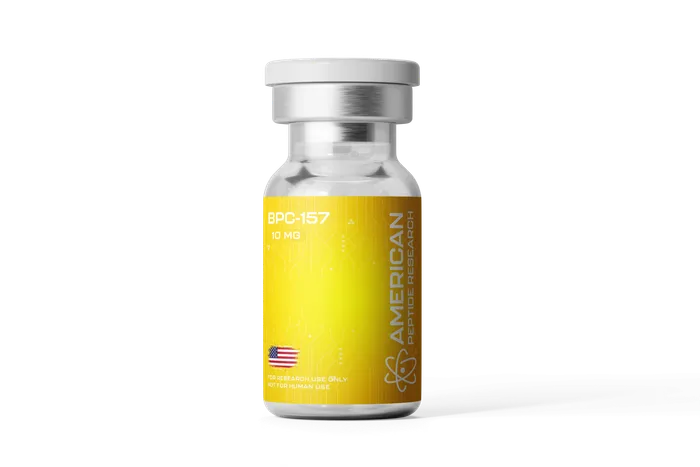
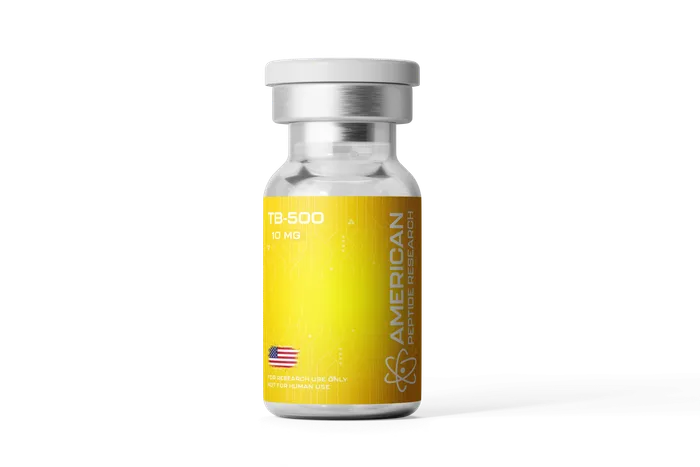
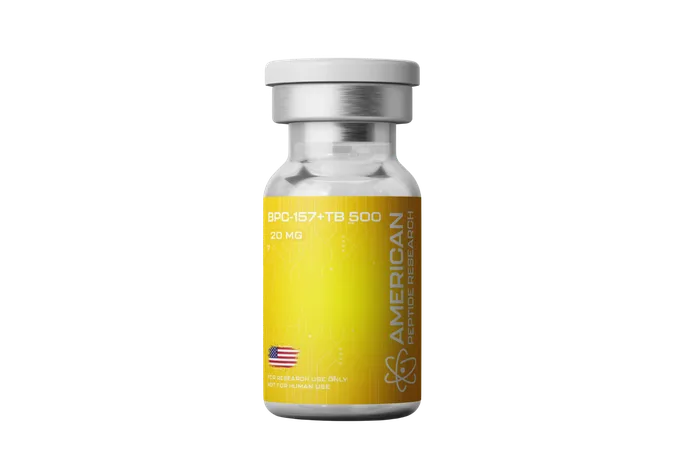
Third-party tested, made in the USA by American Peptide Research. Our link applies your discount automatically.