Integrative Peptides BPC-157: What Athletes Need to Know
BPC-157 is generating serious buzz in performance circles for recovery support. Here's what the research actually shows and whether it fits your optimization strategy.
9 min readJuly 29, 2026
NA
NinjAthlete Team| Updated: September 17, 2026
Medical Disclaimer: This article is for educational and informational purposes only. It is not intended as medical advice, diagnosis, or treatment.
Always consult a qualified healthcare professional before starting any peptide protocol, supplement regimen, or training program. Sources are cited with DOI/PubMed links where available. Read our editorial policy
BPC-157 from integrative peptides is one of those compounds floating around the biohacking world with massive claims but limited human data. Let's cut through the noise: BPC-157 is a synthetic peptide studied for gut healing and tendon repair, currently sold as a dietary supplement (not FDA-approved for human use) at around $140 per product. If you're serious about recovery optimization, you need to understand what science actually backs this stuff and what's still speculative.
The reality is that NinjAthlete exists because athletes refuse to settle for average recovery strategies. BPC-157 keeps coming up in that conversation, so here's the breakdown you need.
BPC-157 stands for Body Protection Compound-157. It's a 15-amino acid peptide derived from gastric juice. The theory is that it accelerates healing of wounds, tendons, ligaments, and organs through multiple mechanisms: increased growth hormone secretion, improved blood flow, and reduced inflammation.
The integrative peptides formulation typically combines BPC-157 with probiotics, prebiotics, and supportive nutrients in capsule form. The idea behind adding gut-supportive ingredients is solid—your digestive barrier directly influences recovery and immunity. But here's the honest part: most human data on BPC-157 is limited.
Research exists, but it's primarily preclinical or animal-based. A PubMed search for BPC-157 shows studies in rats, mice, and cell cultures demonstrating wound healing acceleration and anti-ulcer effects. Human clinical trials? Sparse. That doesn't mean it's ineffective—it means the evidence bar is lower than pharmaceutical-grade therapeutics.
Reported Benefits for Athletes and Recovery
Here's what BPC-157 is marketed for, based on the research narrative:
Tendon and ligament repair - Accelerated collagen remodeling and structural healing
Gut barrier restoration - Improved intestinal permeability and nutrient absorption
Wound healing - Faster epithelial closure and reduced inflammation
Counteracting ulceration - Potential reversal of NSAIDs or other drug-induced damage
Enhanced recovery - Reduced time between training stress and readiness
For HYROX athletes or competitive endurance performers, the tendon repair angle is the most relevant. Repetitive loading damages connective tissue. If BPC-157 genuinely accelerates remodeling, that's a meaningful performance advantage. But "marketed for" and "proven in humans" are not the same thing.
Current Regulatory Status and What's Changing in 2026
This is critical: BPC-157 is not FDA-approved for human therapeutic use. It's sold as a dietary supplement, which means it exists in a regulatory gray zone. Supplement companies can make structure-function claims but not disease claims.
Here's the shift happening now: FDA reclassification of BPC-157 and similar peptides is pending in 2026. This could meaningfully change availability and how these compounds are marketed. If you're considering integrative peptides, understand that the legal and regulatory landscape is unstable. Your access, pricing, and what manufacturers can claim may change soon.
That uncertainty alone makes this a "verify current status before purchase" situation. Don't assume what's available today will work the same way next year.
Pricing, Formulation, and What You're Actually Buying
Integrative peptides BPC-157 costs roughly $140 per product. That's positioning it as an affordable recovery option compared to injectable peptides or prescription therapies, which can run 10x higher.
The capsule formulation matters. Oral bioavailability of peptides is a known problem—your digestive system breaks them down. That's why many peptide companies use intranasal, subcutaneous, or intravenous delivery. A capsule form of BPC-157 includes support compounds (probiotics, prebiotics) that may help, but the peptide itself faces absorption challenges.
When you're evaluating any peptide product, ask these questions:
Are the supporting nutrients (probiotics, prebiotics) clinically dosed?
Does the manufacturer disclose manufacturing standards?
If a company can't answer these, move on. NinjAthlete recommends scrutinizing every supplement like you're auditing your training plan—because recovery is training.
AppPeptide Protocol Tracker
Track Your Protocol with PeptIQ
AI-powered dosing, smart reminders, and progress logging — all in one app. Never miss a dose.
Here's the honest athlete's perspective: BPC-157 might help, the risk profile appears low based on available data, but human evidence is thin. That doesn't make it irresponsible to consider. It makes it irresponsible to consider without eyes open.
Use BPC-157 if:
You have an active tendon or ligament injury and want to explore every recovery lever
You're optimizing long-term joint health and can tolerate taking an unproven supplement
You have good gut health baseline and want to add a research-backed gut support layer
You're willing to track subjective recovery metrics (soreness, ROM, return to load) honestly
Skip it if:
You're relying on it instead of foundational recovery (sleep, nutrition, load management)
You can't afford it without compromising other priorities (sleep quality, food cost, training programming)
You have existing GI issues without consulting a practitioner first
You're uncomfortable with supplement-grade regulatory oversight
The hierarchy always stays the same: sleep, nutrition, training stimulus, and recovery methods come in that order. BPC-157 is optimization on top of optimization. If your foundational layers are weak, fixing those first returns way more value.
Safety Considerations and What You Should Know
BPC-157 doesn't appear to have major safety red flags in the limited human data available. It's been used in clinical settings in some countries and shows tolerability. But "appears safe in animals" and "proven safe in humans" are different claims.
Real talk: peptides in general are less regulated than pharmaceuticals. Manufacturing quality varies. Contamination, mislabeling, and underdosed products exist in the supplement space. Buy from manufacturers with transparent sourcing, third-party testing, and verified reputation.
If you're on medications, especially anticoagulants or GI medications, consult a healthcare provider before adding BPC-157. Don't self-diagnose GI issues and assume BPC-157 will fix them. And if you're an athlete subject to drug testing in your sport or competition, verify whether your federation has restrictions on peptides (many do, even for supplements).
BPC-157 vs. Other Recovery Strategies: Where It Fits
You have limited recovery resources: time, money, mental bandwidth. Where does BPC-157 rank compared to other optimization strategies?
Lower tier but potentially valuable: Cryotherapy, sauna, massage, electrical stimulation, pharmaceutical-grade peptides with human data (if available and legal in your context).
BPC-157 sits somewhere between the similar tier and lower tier. It's cheaper and more accessible than injectable peptides with better human data, but it's riskier than proven oral supplements and has less human evidence to stand on.
The athletes who get the most value are usually those with specific tendon injuries or those running comprehensive biohacking stacks where they can isolate BPC-157's effect alongside other tracked variables. If you're just throwing it at general soreness without data, you're probably not getting your money's worth.
How to Use BPC-157 If You Decide to Try It
Dosing recommendations from anecdotal reports and research contexts vary, but capsule formulations typically suggest 1-2 capsules daily with food. The logic is that food improves absorption of nutrients in the complex.
Timing: Take it consistently, morning or evening. Some athletes prefer taking it with a meal containing fat and protein to maximize GI absorption. There's no magic window, but consistency matters more than timing.
Duration: Most people evaluate BPC-157 over an 8-12 week cycle. Recovery gains take time to manifest—you're asking your body to remodel tissue faster than normal. Assess: joint pain, ROM, strength in previously weakened ranges, soreness recovery time.
Tracking: Use a simple log. Rate tendon pain 1-10 daily, track load tolerance, note subjective recovery speed. This isn't a controlled trial, but it gives you signal vs. noise.
When to reassess: If you see meaningful improvement at week 8, you have at least anecdotal win. If nothing changes by week 12, you're probably not a responder, and discontinuing saves money for interventions with better human evidence.
The Bottom Line on Integrative Peptides BPC-157
BPC-157 is interesting. It's cheap, appears safe, and the mechanism is plausible. But it's not a recovery shortcut, and it's not proven in humans the way pharmaceutical interventions are. Think of it as a calculated bet on emerging science, not a substitute for the fundamentals.
If you want deep-dive guidance on recovery stacking, peptide protocols, and evidence-based performance optimization, NinjAthlete breaks down the full landscape of recovery tools tailored to competitive athletes. We focus on what actually moves the needle and separate hype from data.
Make your call based on your injury status, budget, and risk tolerance. Just do it with eyes open to what the research does and doesn't show.
Frequently Asked Questions
Is BPC-157 legal to buy and use?
BPC-157 is legal to purchase as a dietary supplement in the U.S., but it's not FDA-approved for human therapeutic use. Regulatory status is shifting in 2026 with potential FDA reclassification. Verify current legal status before purchase. Some sports organizations restrict peptide compounds, so check your federation's rules if you compete.
How long does it take to feel results from BPC-157?
Most anecdotal reports suggest 4-8 weeks before noticeable changes in tendon pain, joint stiffness, or recovery speed. Tissue remodeling is slow. If you don't see progress by week 12, you're probably not responding. Patience and tracking are essential.
Can BPC-157 replace physical therapy for a tendon injury?
No. BPC-157 is a supplement, not a substitute for evidence-based rehabilitation. Load management, mobility work, and progressive strengthening are non-negotiable for healing. BPC-157 might accelerate the process, but it can't replace the mechanical stimulus your body needs to remodel tissue properly.
What's the difference between BPC-157 capsules and injectable BPC-157?
Capsules face bioavailability challenges because peptides are broken down by digestion. Injectables (intranasal, subcutaneous) bypass that barrier and deliver higher amounts of intact peptide. Injectables are more effective but also less regulated, more expensive, and carry injection-specific risks. Capsules are the safer, cheaper option with the trade-off of lower potency and less human safety data.
Disclaimer: This article is for educational and informational purposes only and does not constitute medical advice. Peptides discussed are research compounds that are not FDA-approved for human use, and many are prohibited in tested sport by WADA. Always consult a qualified healthcare provider before beginning any supplement, peptide, or treatment protocol.
Research-Grade Peptides
Discount auto-applied
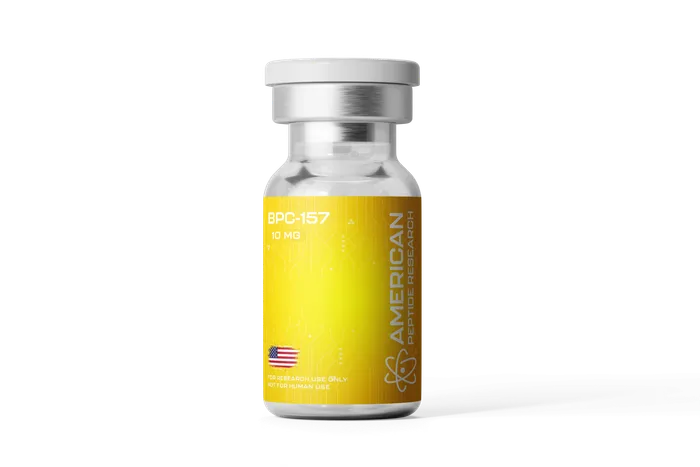
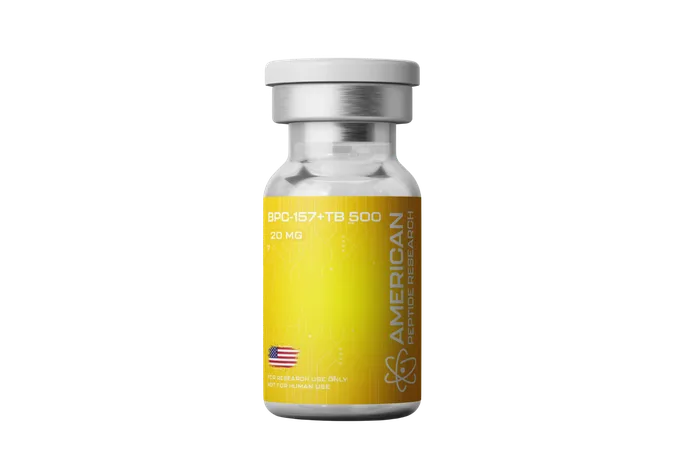
Third-party tested, made in the USA by American Peptide Research. Our link applies your discount automatically.