Best Peptides for Injury Prevention vs Recovery: Evidence-Based Guide
Peptides work differently for prevention versus recovery. Learn which peptides excel at each phase, from growth hormone-releasing peptides for prehabilitation to BPC-157 for chronic tendon repair, with timelines and costs.
7 min readAugust 10, 2026
NA
NinjAthlete Team| Updated: September 17, 2026
Medical Disclaimer: This article is for educational and informational purposes only. It is not intended as medical advice, diagnosis, or treatment.
Always consult a qualified healthcare professional before starting any peptide protocol, supplement regimen, or training program. Sources are cited with DOI/PubMed links where available. Read our editorial policy
You're training hard. Your body's resilient, but you know the difference between staying ahead of injury and scrambling to recover from one. That's where peptide therapy enters the conversation, and honestly, it's not one-size-fits-all.
The peptides that prevent injury work differently than the ones that accelerate recovery. Getting this distinction wrong wastes money and delays results. NinjAthlete breaks down the science so you can match the right peptide to your actual training phase.
Peptide Therapy for Injury Prevention vs Recovery: Why Phase Matters
Think of injury prevention and recovery as two separate problems requiring different solutions.
Prevention (prehabilitation) focuses on building tissue resilience before damage occurs. Recovery deals with repairing damage that's already happened. The peptides that excel at one don't always excel at the other.
This distinction matters because you're spending real money, and the timeline to results differs dramatically. A prevention protocol might take 8-12 weeks to show measurable resilience gains. A recovery protocol needs faster tissue remodeling signaling.
Best Peptides for Injury Prevention: Building Bulletproof Tissue
Prevention peptides work by optimizing muscle mass, connective tissue density, and systemic recovery capacity. You're essentially raising your injury threshold before any specific injury exists.
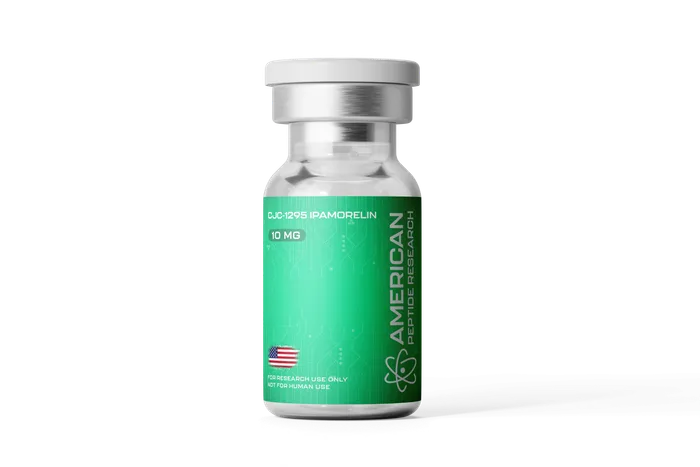
Growth Hormone-Releasing Peptides (CJC-1295, Ipamorelin) are the primary candidates for prehabilitation. These stimulate endogenous GH production, which drives:
The mechanism is indirect but powerful. By elevating GH signaling over 8-12 weeks, you're improving your baseline tissue quality. This doesn't prevent all injuries, but it reduces injury probability by making your connective tissues thicker, more elastic, and more resistant to overuse damage.
Cost-wise, GH-releasing peptides run $300-500/month depending on dosing and source. The investment is justified if you're an athlete competing at a level where a single injury season derails your career.
Best Peptides for Injury Recovery: Accelerating Repair
Once injury occurs, you need peptides that directly stimulate tissue remodeling, angiogenesis (new blood vessel formation), and cellular signaling toward repair.
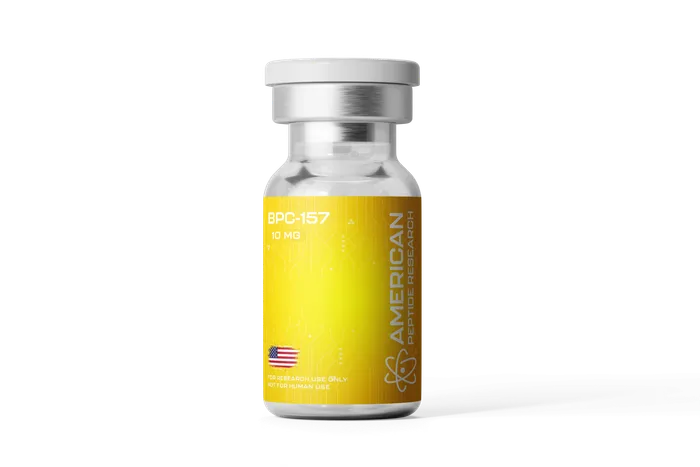
BPC-157 (Body Protection Compound-157) is the standout for chronic tendon injuries and sustained recovery signaling. Why? It works via integrin-mediated tissue remodeling and shows particular efficacy in tendon-dominant injuries (Achilles, patellar, rotator cuff).
Cost: ~$250/month
Timeline: Results visible in 4-8 weeks for chronic conditions
Best for: Overuse injuries, chronic tendon pain, gradual return-to-sport protocols
Mechanism: Stimulates growth factor signaling and extracellular matrix remodeling
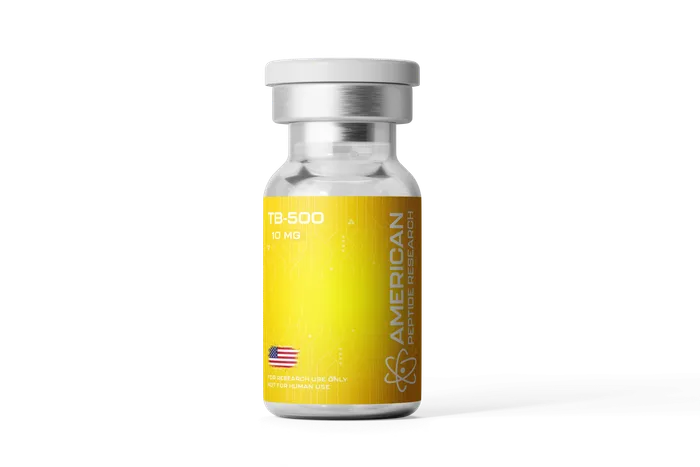
TB-500 (Thymosin Beta-4) is your alternative if you're dealing with broader tissue damage or acute muscle injury. It promotes angiogenesis and accelerates the inflammatory-to-remodeling phase transition.
Cost: $200-300/month
Best for: Acute muscle strain, post-surgical recovery, athletes needing faster ROM restoration
Timeline: 3-6 weeks for noticeable functional improvement
GHK-Cu (Copper Peptide) supports wound healing and tissue repair at the cellular level. It's less specialized than BPC-157 or TB-500 but useful in multi-tissue injuries or as a stacking peptide alongside primary recovery agents.
Prevention vs Recovery: Head-to-Head Comparison
Here's the practical breakdown you need:
Peptide
Best For
Timeline
Cost/Month
CJC-1295 / Ipamorelin
Prevention (GH-driven resilience)
8-12 weeks
$300-500
BPC-157
Recovery (chronic tendons)
4-8 weeks
$250
TB-500
Recovery (acute muscle)
3-6 weeks
$200-300
GHK-Cu
Recovery (support/adjunct)
6-8 weeks
$150-200
When to Use Peptides vs PRP and Other Modalities
Be honest about what peptides can and can't do. Recent clinical evidence shows that PRP (platelet-rich plasma) often outperforms peptide monotherapy for acute joint injuries and post-surgical recovery because it delivers a concentrated bolus of growth factors directly to the injury site.
Neither approach is universally superior. The choice depends on your specific injury and timeline:
Acute joint injury (meniscus, ACL, grade 3 ankle sprain): PRP is faster and more evidence-backed for concentrated tissue remodeling.
Chronic tendon pain (Achilles, patellar tendinopathy): BPC-157 peptide therapy wins on cost, duration, and sustained systemic signaling.
Muscle strain or post-surgical muscle recovery: TB-500 accelerates myofibril repair and functional ROM restoration.
Prevention and baseline resilience: GH-releasing peptides are unmatched because they work systemically over months.
Many elite athletes actually stack approaches: PRP for acute injury + BPC-157 for the chronic recovery phase afterward.
Real-World Protocol: How to Structure Your Peptide Strategy
If you're serious about this, here's how to approach it. Resources like NinjAthlete provide science-backed protocols, but the basic structure looks like this:
Prevention Phase (No Current Injury): 12-week GH-releasing peptide protocol (CJC-1295 or Ipamorelin). Dosing: 100mcg daily. Pair with progressive resistance training and adequate protein intake to maximize collagen synthesis.
Acute Injury Response (First 1-2 Weeks): Consider PRP if available and if the injury involves joint cartilage or ligament damage. Simultaneously initiate TB-500 (250-500mcg twice weekly) for muscle and acute tissue remodeling.
Chronic Recovery Phase (Weeks 3-12 Post-Injury): Transition to BPC-157 (250-500mcg daily) for sustained tendon and connective tissue repair. Maintain functional loading through guided physical therapy.
This isn't a guess. It's based on mechanism of action and clinical timelines. The mistake most athletes make is using the wrong peptide at the wrong phase, then concluding peptides don't work.
Cost-Benefit Reality: Is Peptide Therapy Worth It?
Let's be direct. A prevention protocol costs $3,600-6,000 annually. A recovery protocol costs $1,000-2,500 depending on duration and peptide choice. If you're an athlete for whom one injury season means lost sponsorships, training cycle derailment, or reduced competition earnings, the ROI is obvious.
If you're a serious hobbyist, the calculus is different. You might prioritize cheaper modalities like targeted mobility work, load management, and sleep optimization first. Peptides are the next frontier, not the foundation.
Getting personalized peptide selection and dosing protocols requires working with practitioners experienced in sports medicine peptide protocols. This is where NinjAthlete's resources and community come in handy for vetting providers and understanding the landscape.
Measuring Results: How to Know If Peptide Therapy Is Working
You need baselines. Before starting a recovery peptide, measure:
Range of motion (ROM) at the injured joint or muscle
Pain ratings during specific movements (use a 0-10 scale consistently)
Imaging if available (ultrasound or MRI to track tissue remodeling)
For prevention peptides, track systemic markers: body composition, recovery time between hard sessions, injury incidence over the 12-week protocol, and subjective resilience (how quickly soreness resolves, how your joints feel during volume spikes).
Real results take 4-8 weeks to become obvious. If you're not seeing functional improvement by week 6 of a recovery protocol, either your dosing is suboptimal or peptide therapy isn't the right tool for your specific injury.
What's the difference between prevention and recovery peptides?
Prevention peptides (CJC-1295, Ipamorelin) work by elevating growth hormone signaling over weeks to build systemic tissue resilience before injury occurs. Recovery peptides (BPC-157, TB-500) directly stimulate tissue remodeling, angiogenesis, and repair signaling after injury happens. Prevention is about raising your baseline; recovery is about accelerating the repair timeline.
Is BPC-157 better than TB-500 for recovery?
Not universally. BPC-157 excels in chronic tendon injuries and shows sustained signaling benefits. TB-500 is faster for acute muscle strain and post-surgical recovery because it promotes angiogenesis and accelerates the inflammatory-to-remodeling phase transition. Choose based on your specific injury type and timeline.
How much does peptide therapy cost compared to PRP?
BPC-157 runs ~$250/month; TB-500 costs $200-300/month. A single PRP injection typically costs $500-2,000 upfront but doesn't require ongoing monthly investment. For chronic recovery, peptides are cheaper long-term. For acute joint injuries, PRP often delivers faster results despite higher initial cost.
Can I use prevention and recovery peptides together?
Yes, many elite athletes stack them strategically. You might run a 12-week prevention protocol (GH-releasing peptides) for baseline resilience, then switch to BPC-157 if an injury occurs. Some protocols use both simultaneously during injury recovery to combine systemic GH support with targeted tissue remodeling, though this increases monthly cost significantly.
Disclaimer: This article is for educational and informational purposes only and does not constitute medical advice. Peptides discussed are research compounds that are not FDA-approved for human use, and many are prohibited in tested sport by WADA. Always consult a qualified healthcare provider before beginning any supplement, peptide, or treatment protocol.
Research-Grade Peptides
Discount auto-applied
Third-party tested, made in the USA by American Peptide Research. Our link applies your discount automatically.