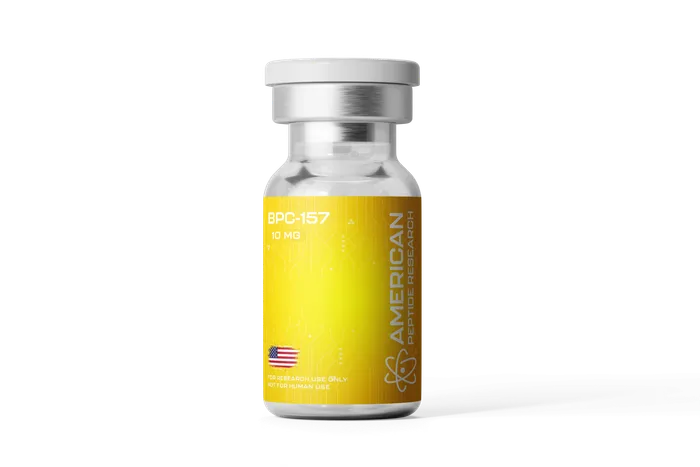
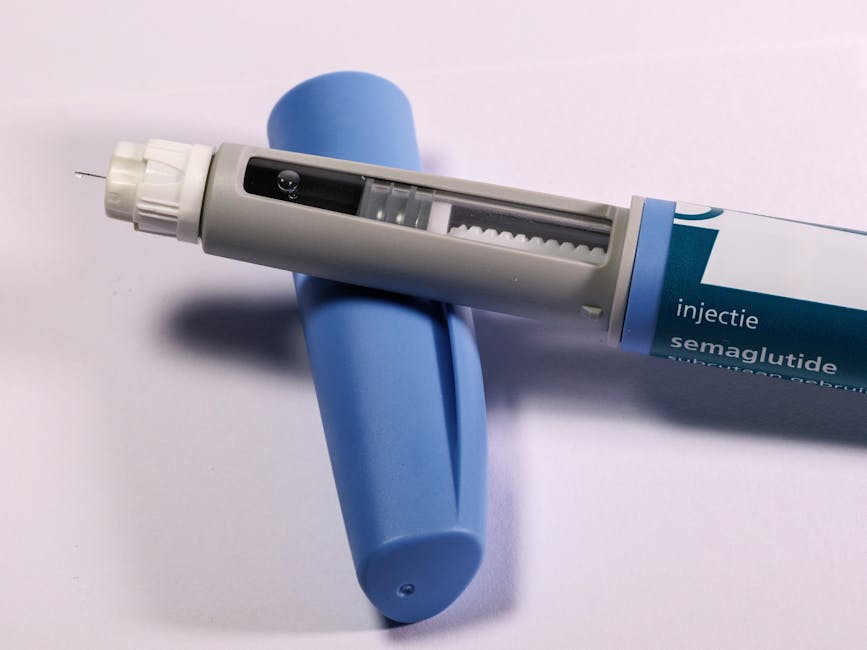
BPC-157 is a 15-amino-acid synthetic peptide showing promise in animal studies for tissue repair and recovery. But here's what you actually need to know: human evidence is severely limited, and most research comes from non-human models.
7 min readAugust 12, 2026
NA
NinjAthlete Team| Updated: September 17, 2026
Medical Disclaimer: This article is for educational and informational purposes only. It is not intended as medical advice, diagnosis, or treatment.
Always consult a qualified healthcare professional before starting any peptide protocol, supplement regimen, or training program. Sources are cited with DOI/PubMed links where available. Read our editorial policy
BPC-157 is a synthetic peptide made up of 15 amino acids that's derived from natural protein fragments found in human stomach fluid. The name stands for "Body Protection Compound-157," and it's become a hot topic in performance circles because of its proposed effects on tissue repair and recovery. But here's the thing: most of the evidence backing it comes from animal research, not human trials. If you're serious about evidence-based recovery protocols, you need to understand what BPC actually does (and doesn't) before adding it to your regimen.
What BPC-157 Actually Is
BPC-157 isn't some exotic compound cooked up in a lab from scratch. Scientists created it by isolating and synthesizing peptide sequences that naturally occur in your gastric juices. It's a 15-amino-acid chain designed to mimic protective and regenerative functions your body already produces.
The peptide operates through proposed mechanisms including enhanced angiogenesis (the formation of new blood vessels) and improved blood flow to damaged tissues. In theory, this could speed up how your body repairs tendon, ligament, and muscle tissue after training or injury.
Here's the honest take: NinjAthlete focuses on protocols backed by human research first. BPC-157 research is still predominantly in preclinical and animal studies, which means we don't yet have the human clinical validation that elite athletes deserve when optimizing recovery.
Why Athletes Are Interested in BPC Peptides
High-performance athletes, especially those training for events like HYROX or endurance sports, deal with repetitive tissue stress. Tendons, ligaments, and muscle fascia take a beating during intense training cycles.
BPC-157 caught athletes' attention because of its proposed effects on:
Tendon and ligament healing
Muscle tissue recovery post-training
Gut tissue integrity
Overall tissue regeneration capacity
The appeal is real: if a peptide could meaningfully speed tissue repair, it would transform how athletes approach injury prevention and recovery windows. But appeal and evidence are two different things.
What the Research Actually Shows
As of 2025, BPC-157 has 31+ citations in scientific literature. Sounds solid until you dig deeper: the vast majority comes from animal models (rats, mice, and other test subjects), not human clinical trials.
Animal studies suggest BPC-157 may:
Enhance new blood vessel formation in injured tissues
Improve healing timelines in tendon injuries
Support muscle regeneration capacity
Promote gastric and intestinal tissue health
The problem? Animal pharmacokinetics (how a drug moves through the body) don't always translate to humans. A peptide that works in a rodent model may have completely different effects, absorption rates, or metabolic pathways in human athletes.
Limited human trials exist, and those that do are small-scale and preliminary. NinjAthlete's approach prioritizes peer-reviewed human data, which is why BPC-157 remains in the "promising but unproven" category for now.
Current Evidence Gaps You Need to Know
Before you consider BPC-157, understand what we don't know yet:
Optimal dosing in humans is undefined
Long-term safety profiles haven't been established
Bioavailability and absorption rates remain unclear
Direct performance benefits in human athletes are unconfirmed
We lack data on whether animal study results scale to human tissue
This isn't criticism of BPC-157 itself. It's just reality: the research pathway takes time. Refusing to settle for average means refusing to settle for unvalidated claims, even if they sound promising.
How BPC-157 Compares to Other Recovery Peptides
The peptide therapy space includes compounds with varying evidence levels. Some, like collagen peptides, have robust human data around joint support and tendon health. Others, like TB-500 and other synthetic peptides, sit in similar territory to BPC-157: interesting animal research, limited human validation.
For athletes seeking science-backed recovery optimization, the peptides with strongest human evidence typically focus on:
If you're exploring peptide therapy protocols that have real human validation, NinjAthlete provides science-backed guides on recovery strategies with documented human efficacy.
Honest answer: the decision depends on your risk tolerance and how much clinical validation matters to you.
If you're the type of athlete who demands peer-reviewed human data before integrating something new, BPC-157 isn't ready yet. The animal evidence is encouraging, but it's not the same as human efficacy data.
If you're willing to experiment with compounds in earlier-stage research phases, make sure you:
Source from a reputable provider with third-party testing
Start with conservative doses
Track measurable outcomes (recovery speed, tissue resilience, training tolerance)
Consult a sports medicine professional familiar with peptide protocols
Monitor for any adverse effects
The reality is that BPC-157 may eventually prove valuable for athletic recovery. But "may" and "proven" are very different words, and elite performance demands the latter.
What to Do Instead While We Wait for More Data
You don't need to wait for BPC-157 human trials to optimize tissue health and recovery. Proven recovery strategies that have solid human research include:
Structured periodization to manage cumulative tissue stress
Targeted strength training to build tendon resilience
Anti-inflammatory nutrition protocols
Sleep optimization (the most underrated recovery tool)
Strategic mobility and tissue work
These aren't sexy. They won't trend on fitness social media. But they work, and the evidence backs them up. When NinjAthlete builds training protocols for serious athletes, these foundational recovery strategies come first because they deliver measurable results.
Bottom Line on BPC Peptides
BPC-157 is a legitimate area of scientific research with promising preclinical findings. The peptide shows potential for tissue repair and athletic recovery based on animal studies. But "potential" is the key word here.
For competitive athletes and biohackers who demand evidence-based protocols, BPC-157 remains unproven in humans. That may change as research progresses, but right now, you're operating on hypothesis rather than validated data.
Your recovery foundation should rest on strategies with human clinical backing first. Once you've optimized those fundamentals, then explore emerging peptide therapies if you choose. The difference between average performance and elite performance isn't chasing the latest compound. It's executing the proven fundamentals with obsessive consistency and filling gaps with emerging science only when the evidence supports it.
Key Takeaways for Athletes
BPC-157 is a 15-amino-acid synthetic peptide derived from naturally occurring stomach fluid compounds
Animal research suggests benefits for tissue repair and recovery, but human evidence is limited
31+ scientific citations exist, but most come from non-human studies
Current research does not provide clear dosing, safety, or efficacy data for human athletes
Proven recovery strategies (periodization, sleep, nutrition) should be your priority until BPC-157 completes human validation
Is BPC-157 legal?
BPC-157 isn't approved by the FDA for human use in the United States. It exists in a regulatory gray area similar to other research peptides. Some countries and suppliers offer it, but it's not regulated as a pharmaceutical. Always check local regulations and verify third-party testing before considering any peptide compound.
How long does BPC-157 take to work?
Human data on timeline is essentially non-existent. Animal studies suggest effects within days to weeks, but extrapolating animal pharmacokinetics to humans is unreliable. If you decide to experiment, expect 4-8 weeks minimum before assessing any measurable changes in recovery or tissue health. Track objective metrics like training capacity, soreness duration, and tissue resilience.
Can BPC-157 replace proper recovery protocols?
No. Even if BPC-157 proves effective in future human trials, it would support your recovery optimization, not replace it. Sleep quality, training periodization, nutrition, and mobility work are non-negotiable foundations. Any peptide therapy is supplementary to a solid recovery framework, not a substitute for it.
What peptides have better human evidence than BPC-157?
Collagen peptides (specifically hydrolyzed collagen and collagen peptides with Type I and III fractions) have robust human research around joint and tendon support. Creatine monohydrate, while not technically a peptide, has decades of human clinical validation for muscle recovery and performance. BCAAs and leucine-rich amino acid protocols also have solid human data. If you're exploring peptide therapy, start with compounds backed by actual human trials, not just animal models.
Disclaimer: This article is for educational and informational purposes only and does not constitute medical advice. Peptides discussed are research compounds that are not FDA-approved for human use, and many are prohibited in tested sport by WADA. Always consult a qualified healthcare provider before beginning any supplement, peptide, or treatment protocol.
Research-Grade Peptides
Discount auto-applied
Third-party tested, made in the USA by American Peptide Research. Our link applies your discount automatically.