NinjaBot

Wellness AI Coach • Online

Browsing the blog? Ask me to explain any concept or go deeper on a topic!

Quick questions

Powered by NinjAthlete AI

TB4 vs TB500 Peptide: Which Repair Protocol Wins for Athletes
Back to All Articles
Peptides

TB4 vs TB500 Peptide: Which Repair Protocol Wins for Athletes

TB-4 and TB-500 aren't interchangeable peptides. Learn the structural differences, mechanism divergences, and which protocol actually wins for your specific recovery goal.

7 min readAugust 24, 2026

Reviewed by Daniel, Founder of NinjAthlete — B.S. Exercise Science, ACSM-CPT

NA
NinjAthlete Team| Last reviewed: August 24, 2026

Medical Disclaimer: This article is for educational and informational purposes only. It is not intended as medical advice, diagnosis, or treatment.

Always consult a qualified healthcare professional before starting any peptide protocol, supplement regimen, or training program. Sources are cited with DOI/PubMed links where available. Read our editorial policy

You're comparing two of the most talked-about repair peptides in performance circles, and the choice between TB-4 and TB-500 matters more than you think. These aren't interchangeable tools, and misunderstanding the difference could mean choosing the wrong protocol for your recovery goals.

The honest truth: both TB-4 (Thymosin Beta-4) and TB-500 are research peptides banned in competitive sports under WADA regulations. But understanding how they work, where they diverge, and what the science actually supports will help you make an informed decision if you're exploring peptide protocols outside competition. That's where NinjAthlete comes in. We break down the evidence without the hype.

TB4 vs TB500: The Structural Difference That Matters

Let's start with the fundamentals. TB-4 is your body's natural master repair peptide. It's the full-length molecule your immune system naturally produces to orchestrate tissue healing, reduce inflammation, and promote angiogenesis (new blood vessel formation).

TB-500 is synthetic and engineered differently. It's a smaller fragment of the TB-4 molecule, stripped down to penetrate deeper into damaged tissue. That means TB-500 lacks several components of the original TB-4 structure, making it a purpose-built variant rather than a direct copy.

This structural difference is critical. TB-500's smaller size theoretically allows better penetration into deep muscle, tendon, and ligament tissue compared to TB-4. But that advantage comes with trade-offs in how it interacts with your systemic repair pathways.

Neither peptide is FDA-approved for human use. Both are classified as research chemicals and sold strictly for research purposes only, a fact you need to accept before evaluating either one.

Mechanism: How TB-4 and TB-500 Actually Work

TB-4 works by upregulating actin (a protein critical for cell structure and movement). It stimulates immune cell migration, promotes new blood vessel growth, and activates fibroblasts to rebuild tissue. Think of TB-4 as your body's orchestral conductor, signaling multiple repair pathways simultaneously.

TB-500 operates more like a targeted striker. Its smaller fragment design allows it to penetrate deeper into localized injury sites, potentially offering faster localized recovery but with less systemic signaling capacity than full TB-4.

Related: TB-4 vs TB-500 Peptide: Which Heals Faster in 2026?

Related: BPC 157 Peptide: What Athletes Need to Know

Research on both peptides remains limited in human studies. PubMed shows most evidence comes from animal models or in vitro research, which is why both remain classified as experimental. The reality check: if you're using either peptide, you're operating in an evidence frontier, not in established clinical territory.

Timeline: When You'll Actually See Results

Don't believe claims of results within days. That's marketing noise.

Both TB-4 and TB-500 show initial cellular activity within the first week, but visible, functional improvements in mobility, strength recovery, and injury healing require at least 3 months of consistent use. Some athletes report subtle improvements (better sleep quality, reduced joint stiffness) earlier, but measurable performance gains take time.

This matters for your decision-making. If you're recovering from a torn ACL, expecting either peptide to restore full function in 6 weeks is unrealistic. Plan for a multi-month protocol if you commit.

Tissue Penetration: Where TB-500 Has the Edge
tb4 vs tb500 peptide

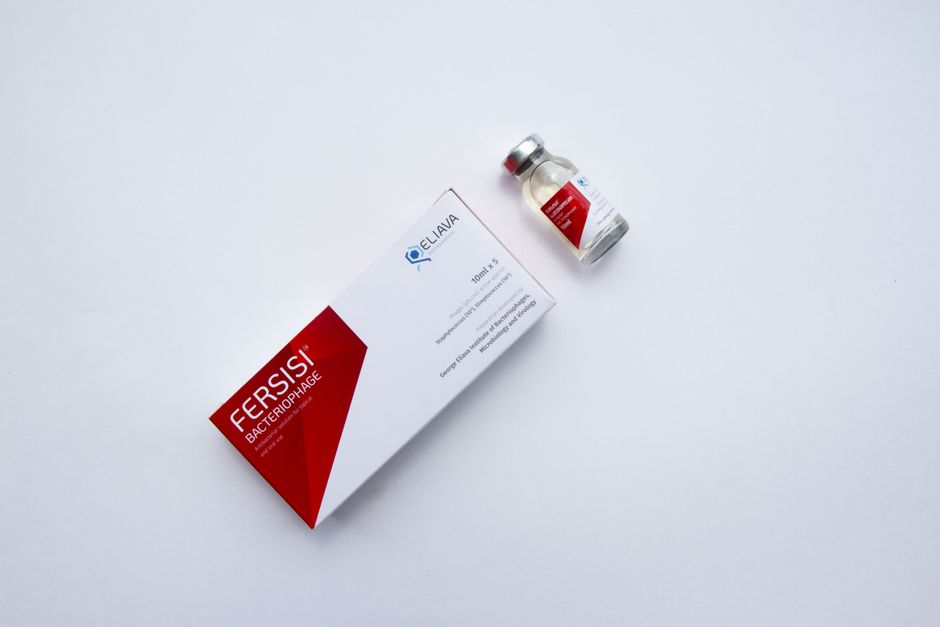
Here's where TB-500 pulls ahead in theory (though human data is sparse). Its smaller molecular weight means it crosses tissue barriers more efficiently than full TB-4. For deep muscle injuries, chronic tendon problems, or ligament damage, TB-500's penetration advantage is the primary reason athletes choose it over TB-4.

TB-4, by contrast, excels at systemic repair signaling. It activates broader immune and regenerative pathways, making it theoretically better for whole-body recovery, cardiovascular health, or widespread inflammation.

The practical implication: TB-4 for systemic recovery optimization, TB-500 for localized deep-tissue repair. But again, human clinical evidence is limited, and individual response varies significantly.

WADA Status and Competitive Sports Reality

This is non-negotiable: both TB-4 and TB-500 are on the WADA Prohibited List as of 2026. They're banned at all times in competitive sports due to their effects on muscle growth, tendon and ligament proliferation, and blood vessel formation.

If you're a competitive athlete in any WADA-regulated sport (which includes most organized athletics, cycling, combat sports, and Olympic disciplines), using either peptide disqualifies you. Period. Test positive and you face years of ineligibility and potential lifetime bans.

Even if you compete in an unregulated sport, the regulatory landscape continues tightening. Anti-doping authorities are expanding peptide monitoring, and supplements containing these peptides can trigger positive tests due to contamination or mislabeling.

AppPeptide Protocol Tracker

Track Your Protocol with PeptIQ

AI-powered dosing, smart reminders, and progress logging — all in one app. Never miss a dose.

Code NINJA20% off annual ($80/yr)
Download PeptIQ

Which One Should You Choose? The Evidence-Based Answer

If you're outside competitive sports and exploring peptide protocols for injury recovery or longevity optimization, NinjAthlete recommends grounding your decision in your specific recovery goal, not generic hype.

Choose TB-500 if:

  • You're recovering from deep muscle, tendon, or ligament injury
  • You want targeted localized repair over systemic signaling
  • You prioritize tissue penetration efficiency
  • You're willing to commit to at least 12 weeks of consistent use

Choose TB-4 if:

  • You're optimizing whole-body recovery and systemic repair
  • You want broader immune system activation
  • You're interested in cardiovascular and vascular health optimization
  • You're recovering from widespread inflammation or multiple injury sites

The honest take: neither peptide is a shortcut. Both require months to deliver meaningful results, strict protocol adherence, and realistic expectations about what research actually supports. If a vendor is promising miracle recovery in weeks, they're lying.

Critical Compliance and Quality Concerns

tb4 vs tb500 peptide

Before you buy either peptide, understand that the research peptide market is largely unregulated. Purity varies wildly. Contamination is common. Mislabeling happens. You could order TB-500 and receive something entirely different, or something containing harmful additives.

If you decide to explore peptide protocols, source from vendors with third-party testing certificates, GMP manufacturing standards, and transparent batch documentation. Cutting corners on quality is how athletes end up with adverse effects or legal problems.

Related: Peptide Dosing Schedule: Complete Protocol Guide for Athletes

Related: BPC-157 Peptide Dosing Protocol Guide for Athletes

The performance-obsessed athlete in you might be tempted to jump into either protocol immediately. Don't. Do your homework on local regulations, get medical oversight if possible, and understand that you're operating in an experimental space where outcomes aren't guaranteed. For evidence-based guidance on structuring any recovery protocol, reference NinjAthlete's peptide and recovery frameworks before committing.

Final Decision Framework

TB-4 and TB-500 aren't interchangeable. TB-4 is the systemic orchestrator; TB-500 is the localized penetrator. Both require months to deliver results. Both are WADA-banned. Both are sold for research only. And both remain under-studied in human populations.

Your choice should depend on your specific injury, your timeline, your competitive status, and your willingness to commit 12+ weeks to a protocol with honest uncertainty around individual response. Refuse to settle for vendors making absurd claims, and refuse to ignore the legal and regulatory reality of using these peptides in competitive contexts.

If you're ready to dive deeper into peptide protocols, recovery optimization, or evidence-based biohacking strategies tailored to high-performance athletes, NinjAthlete offers structured guides and peer-reviewed research breakdowns to support your decision-making.

Is TB-500 better than TB-4 for all injuries?

No. TB-500's superior tissue penetration makes it better for deep muscle, tendon, and ligament injuries specifically. TB-4's broader systemic effects make it better for whole-body recovery, cardiovascular optimization, and widespread inflammation. Your injury type should determine the choice.

How long until I see results from TB-4 or TB-500?

Initial cellular activity occurs within the first week, but measurable functional improvements (reduced pain, improved mobility, increased strength) require at least 3 months of consistent use. Expecting results sooner is unrealistic based on current evidence.

Can I use TB-4 or TB-500 if I compete in sports?

Both peptides are WADA-prohibited and banned at all times in competitive sports. Using either will result in a positive doping test, disqualification, and potential years of ineligibility. If competitive eligibility matters to you, these peptides are off-limits, period.

Are TB-4 and TB-500 FDA-approved?

No. Neither peptide is approved for human use by the FDA. Both are sold as research chemicals for research purposes only. Any vendor claiming FDA approval is misleading you. Understand you're operating outside approved medical territory if you use either peptide.

Disclaimer: This article is for educational and informational purposes only and does not constitute medical advice. Peptides discussed are research compounds that are not FDA-approved for human use, and many are prohibited in tested sport by WADA. Always consult a qualified healthcare provider before beginning any supplement, peptide, or treatment protocol.

Research-Grade Peptides

Discount auto-applied

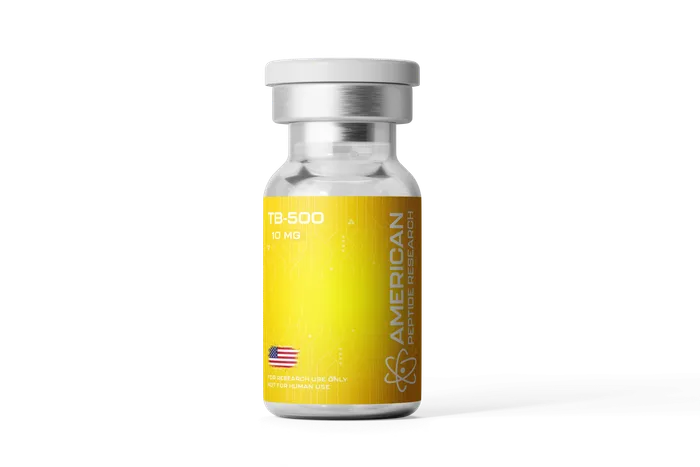
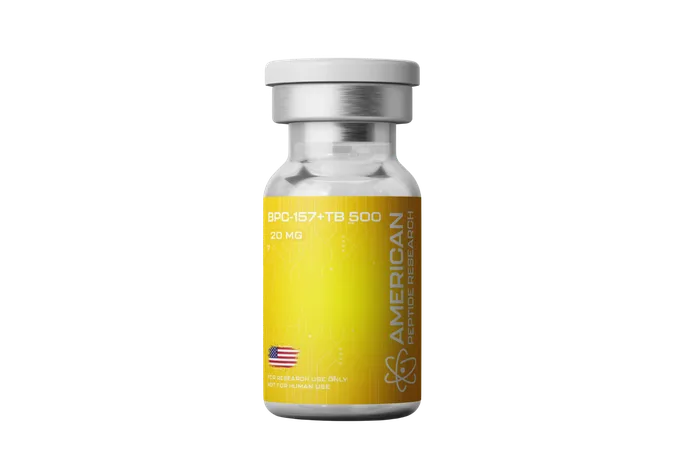
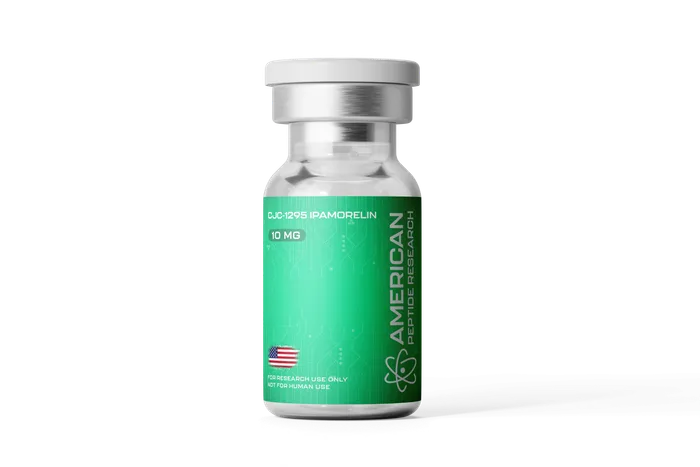
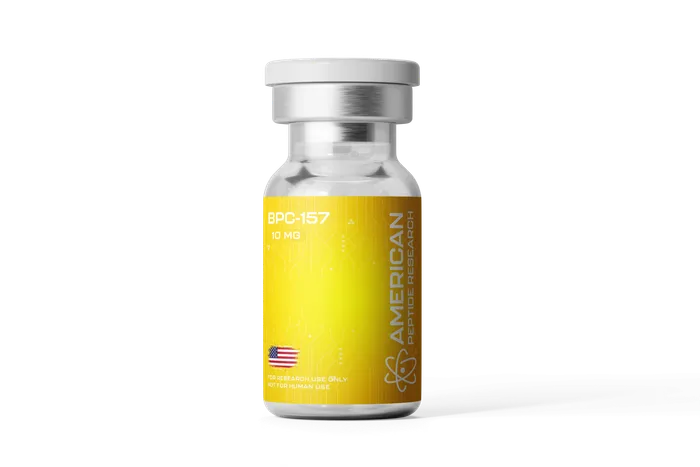
Third-party tested, made in the USA by American Peptide Research. Our link applies your discount automatically.

Affiliate links. For research use only — not for human consumption.

Peptide Dosage Calculator

Full calculator with presets

Was this article helpful?

PeptidesPeptide

For educational purposes only — not medical advice. Consult a healthcare professional before starting any peptide protocol. Editorial policy

Recommended Reading

C-Peptide Blood Test: What Athletes Need to Know
PeptidesTop Match

C-Peptide Blood Test: What Athletes Need to Know

peptidepeptides

C-peptide measures your pancreas's actual insulin production—a critical biomarker most athletes ignore. Here's exactly what it reveals about your metabolic performance and how to use it to optimize your training.

8 min read
Read
BPC-157 Peptide Results: What Athletes Actually See
PeptidesTop Match

BPC-157 Peptide Results: What Athletes Actually See

peptidepeptides

BPC-157 shows measurable results in tissue regeneration and recovery acceleration. Here's what the science actually supports and what serious athletes need to know before starting.

8 min read
Read
BPC 157 Peptide: What Athletes Need to Know
PeptidesTop Match

BPC 157 Peptide: What Athletes Need to Know

peptidepeptides

BPC 157 keeps popping up in performance circles. We broke down what it actually is, what the research says, and whether it's worth your attention.

7 min read
Read
Best Peptide Therapy Research Guide for Athletes in 2026
PeptidesTop Match

Best Peptide Therapy Research Guide for Athletes in 2026

peptidepeptides

Peptide therapy research shows promise but the clinical evidence is still developing. Here's what the actual science says about safety, efficacy, and whether competitive athletes should consider it.

6 min read
Read
BPC-157 Peptide Dosage Calculator: Exact Dosing Guide
PeptidesTop Match

BPC-157 Peptide Dosage Calculator: Exact Dosing Guide

peptidepeptides

A BPC-157 dosage calculator converts your vial size and bacteriostatic water volume into exact syringe draw amounts. We break down the math so you nail your protocol every time.

8 min read
Read
TB-4 vs TB-500 Peptide: Which Heals Faster in 2026?
PeptidesTop Match

TB-4 vs TB-500 Peptide: Which Heals Faster in 2026?

peptidepeptides

TB-4 and TB-500 are related but distinct peptides used for accelerated tissue healing. We break down the science, mechanism differences, and which one fits your recovery strategy.

6 min read
Read