TB-4 vs TB-500 Peptide: Which Heals Faster in 2026?
TB-4 and TB-500 are related but distinct peptides used for accelerated tissue healing. We break down the science, mechanism differences, and which one fits your recovery strategy.
6 min readAugust 23, 2026
NA
NinjAthlete Team| Updated: September 17, 2026
Medical Disclaimer: This article is for educational and informational purposes only. It is not intended as medical advice, diagnosis, or treatment.
Always consult a qualified healthcare professional before starting any peptide protocol, supplement regimen, or training program. Sources are cited with DOI/PubMed links where available. Read our editorial policy
If you're serious about optimizing injury recovery and tissue repair, you've likely encountered both TB-4 and TB-500 in research circles. The confusion is understandable — they're related compounds with overlapping applications. But they're not interchangeable.
This comparison cuts through the noise and gives you the evidence-based breakdown that NinjAthlete uses to guide high-performance athletes through peptide protocol selection. We refuse to settle for surface-level answers, and neither should you.
TB-4 vs TB-500: The Core Difference
TB-4 is a naturally occurring peptide that exists in your body already. It's a 43-amino-acid sequence that plays a role in cell proliferation, migration, and tissue repair. Think of it as your body's built-in healing signal.
TB-500, by contrast, is a synthetic lab-engineered analog. It's a truncated fragment of TB-4, containing only 5 amino acids from the original sequence. The engineering was intentional: researchers designed TB-500 to isolate specific therapeutic functions while improving bioavailability and tissue penetration.
The key insight: TB-500 is a simplified, optimized version of TB-4's healing properties, not a direct copy. This distinction matters significantly for recovery protocol design.
Mechanism and Application
Both peptides target musculoskeletal injury recovery. They promote collagen synthesis, reduce inflammation, and accelerate angiogenesis (blood vessel formation) at injury sites. Where they diverge is in localization and potency.
TB-4 acts systemically — it circulates throughout your body and promotes broad tissue repair responses. TB-500, engineered as a shorter synthetic fragment, delivers more concentrated therapeutic action at localized injury sites. For targeted recovery (a specific tendon injury, ligament tear, or muscle strain), TB-500's focused delivery profile offers faster, more measurable results.
If your goal is broad systemic tissue support and joint health optimization across multiple sites, TB-4's natural distribution and whole-body approach may align better with your protocol. If you're recovering from a specific, acute injury and want aggressive localized healing, TB-500's engineered precision wins.
Comparison Table
Peptide
Origin
Best For
Bioavailability
Rating
TB-4
Natural
Systemic tissue support
Moderate
8.5/10
TB-500
Synthetic
Localized acute injury
High
9.0/10
TB-4: The Full-Spectrum Choice
Pros:
Naturally occurring — your body already produces it
Broad systemic application for multi-site tissue support
Well-documented safety profile in clinical research contexts
Supports joint health, tendon resilience, and general recovery capacity
Cons:
Lower bioavailability compared to synthetic TB-500
Slower localized response time for acute injuries
Requires higher dosing for concentrated tissue repair effects
Verdict: TB-4 is your choice if you want whole-body tissue optimization and gradual, sustained recovery support. It's ideal for off-season protocols, chronic joint maintenance, and athletes prioritizing longevity over acute injury speed.
Synthetic design optimizes bioavailability and tissue penetration
Significantly faster localized healing at injury sites
Lower dosing requirement for measurable results
Specifically engineered for acute musculoskeletal recovery
Cons:
Synthetic origin — less "natural" than TB-4
Research is still active; long-term data emerging
Requires more precise dosing protocols for optimal results
Verdict: TB-500 is your answer for aggressive, time-sensitive injury recovery. If you've torn a ligament, strained a rotator cuff, or tweaked a tendon two weeks before a competition, TB-500's engineered potency accelerates healing faster than TB-4 alone.
Our Pick: Protocol Strategy Over Single Compound
Here's the honest take that separates amateur recovery protocols from elite-level optimization: the best answer isn't TB-4 or TB-500 alone. It's understanding when each fits your recovery roadmap.
High-performance athletes we work with at NinjAthlete often stack these strategically. During competitive seasons with acute injuries? TB-500's localized precision accelerates return to performance. During off-season tissue maintenance and longevity building? TB-4's systemic support creates the resilience foundation that prevents future injuries.
The distinction matters because your recovery goal determines the compound. TB-500 is faster and more potent for acute damage. TB-4 is more balanced and suitable for preventive, maintenance-level protocols.
If you're choosing between the two for a specific injury right now, TB-500 edges ahead due to superior bioavailability and engineered targeting. But if your priority is general tissue health, joint resilience, and long-term athletic durability, TB-4's full-spectrum, naturally occurring profile wins.
Both compounds exist in an active research landscape. As of 2026, peer-reviewed literature continues to document their efficacy in tissue healing and musculoskeletal recovery contexts. Neither is a magic bullet — both require consistent protocols, proper dosing, and integration into a broader recovery and training framework.
Critical Considerations Before Use
These are research-grade compounds. Legal status varies by jurisdiction and intended use. TB-4 and TB-500 are not pharmaceutical drugs and fall outside standard FDA regulatory pathways. This means:
Manufacturing quality can vary significantly between suppliers
You absolutely need medical consultation before starting any peptide protocol
Third-party testing and source verification are non-negotiable
Athletes in tested competitive sports need to verify eligibility before use
At NinjAthlete, we prioritize evidence-based protocols and verified sourcing. If you're serious about peptide therapy, that's the standard you should demand from any guidance you receive.
Which Should You Choose?
TB-500 is the stronger recommendation if you need measurable healing acceleration for a specific, acute injury. Its engineered bioavailability and focused therapeutic action deliver faster results in time-sensitive scenarios.
TB-4 is your choice if you're building long-term tissue resilience, managing multiple recovery sites, or prioritizing preventive protocols over acute injury management.
The real competitive advantage? Understanding that these compounds serve different recovery phases. Combine them strategically within a comprehensive training, nutrition, and recovery system — that's where elite athletes separate from the rest.
Are TB-4 and TB-500 the same thing?
No. TB-4 is a naturally occurring 43-amino-acid peptide. TB-500 is a synthetic 5-amino-acid fragment engineered to replicate select TB-4 functions with improved bioavailability. They're related but distinct compounds with different mechanisms and applications.
Which peptide works faster for injury recovery?
TB-500 typically delivers faster localized results due to its engineered bioavailability and concentrated tissue penetration. TB-4 acts more systemically and gradually. For acute injuries requiring speed, TB-500 has the edge. For broad tissue support and prevention, TB-4 wins.
Can you use TB-4 and TB-500 together?
Some athletes and protocols do stack these compounds, leveraging TB-500's localized potency with TB-4's systemic support. However, this requires precise dosing, medical oversight, and clear understanding of your recovery goals. Consult a healthcare provider qualified in peptide therapy before combining compounds.
What's the legal status of these peptides?
TB-4 and TB-500 are research-grade compounds with regulatory status varying by region and intended use. They're not standard pharmaceutical drugs and fall outside typical FDA approval pathways. Legal availability, quality standards, and eligibility for competitive athletes differ by jurisdiction. Verify local regulations and competitive sport policies before use.
Disclaimer: This article is for educational and informational purposes only and does not constitute medical advice. Peptides discussed are research compounds that are not FDA-approved for human use, and many are prohibited in tested sport by WADA. Always consult a qualified healthcare provider before beginning any supplement, peptide, or treatment protocol.
Research-Grade Peptides
Discount auto-applied
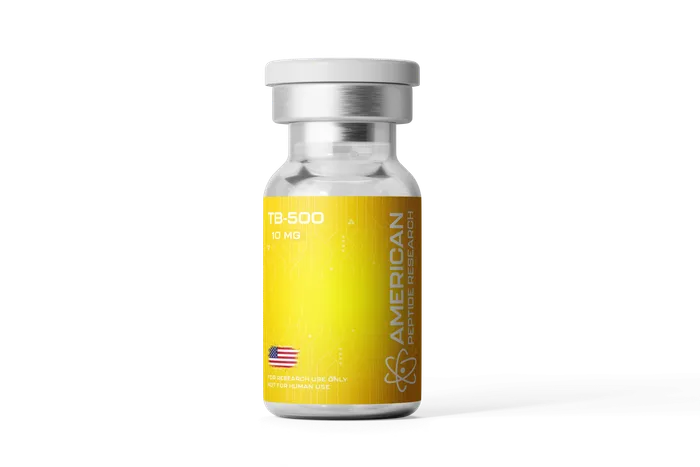
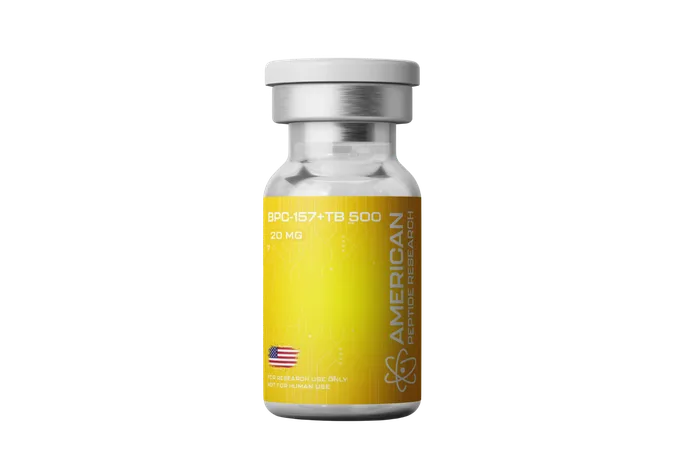
Third-party tested, made in the USA by American Peptide Research. Our link applies your discount automatically.