Compare BPC-157, TB-500, and similar peptides for athletic recovery. See which peptide protocols rank highest for targeted tissue repair and systemic recovery in 2026.
7 min readOctober 4, 2026
NA
NinjAthlete Team| Updated: October 4, 2026
Medical Disclaimer: This article is for educational and informational purposes only. It is not intended as medical advice, diagnosis, or treatment.
Always consult a qualified healthcare professional before starting any peptide protocol, supplement regimen, or training program. Sources are cited with DOI/PubMed links where available. Read our editorial policy
The Peptide Recovery Landscape: What Actually Works
If you're serious about athletic recovery and tissue repair, you've probably heard about BPC-157 and TB-500. These peptides show up in every biohacker forum and performance athlete's recovery stack. But here's the problem: most comparisons treat them like interchangeable tools. They're not.
BPC-157 and TB-500 work through different mechanisms. One targets localized tissue repair. The other modulates systemic cell migration and recovery. Understanding that distinction is what separates athletes who optimize their peptide protocol from those who just throw money at the latest trend.
At NinjAthlete, we've broken down the peptide category by actual function, not hype. If you're comparing peptides like BPC-157 and TB-500, this ranking will show you which ones deliver measurable recovery wins and which ones aren't worth your protocol.
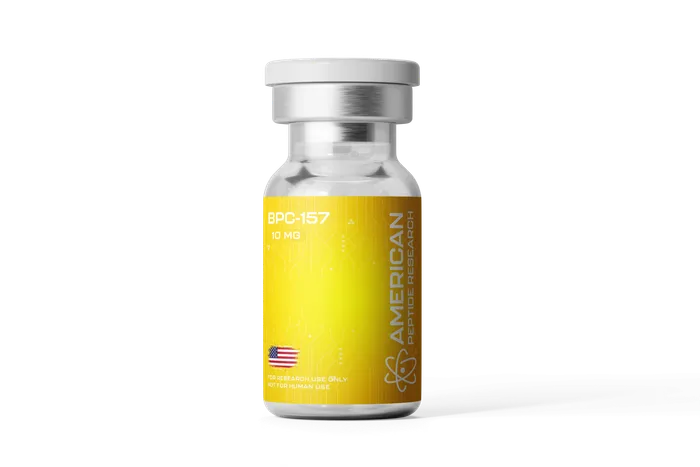
BPC-157: Localized Firepower for Structural Damage
What It Does: BPC-157 is derived from a protective stomach protein and works by promoting angiogenesis (blood vessel formation) and nitric oxide modulation. It's built for targeted, localized tissue repair.
Pros:
Direct impact on tendon and ligament recovery
Supports muscle tissue repair when used locally
Gut barrier support (secondary benefit)
Strong plausible mechanism through angiogenesis
Cons:
Requires localized or site-specific dosing for maximum effect
Less effective for whole-body recovery needs
Best For: Athletes dealing with acute tendon issues, ligament injuries, or post-surgery connective tissue repair. If your Achilles is angry or your shoulder labrum took a beating, BPC-157 is your targeted play.
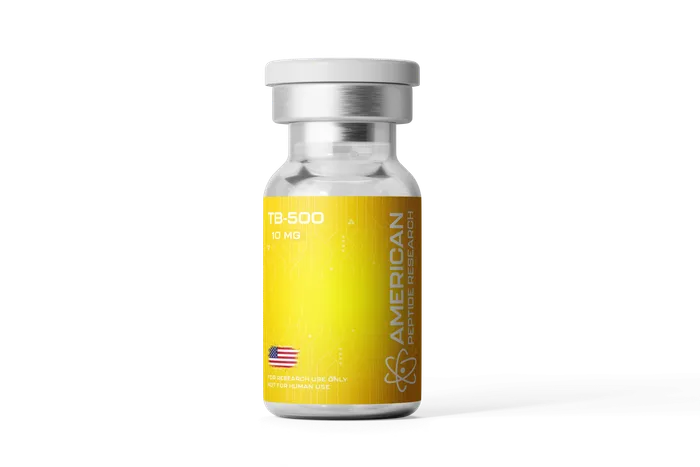
TB-500: Systemic Recovery for Complex Adaptations
What It Does: TB-500 works through actin modulation and cell migration signaling. It's designed for broader soft-tissue recovery across multiple areas simultaneously.
Pros:
Systemic action across all soft tissues
Faster overall recovery between intense training blocks
Supports muscle adaptation and remodeling
Works synergistically with other peptides
Cons:
Less targeted than BPC-157 for specific structural damage
Broader action means lower concentration at any single site
Best For: Athletes in heavy training phases who need accelerated recovery across multiple tissues. HYROX competitors managing continuous joint and soft-tissue stress benefit most from TB-500's systemic approach.
AppPeptide Protocol Tracker
Track Your Protocol with PeptIQ
AI-powered dosing, smart reminders, and progress logging — all in one app. Never miss a dose.
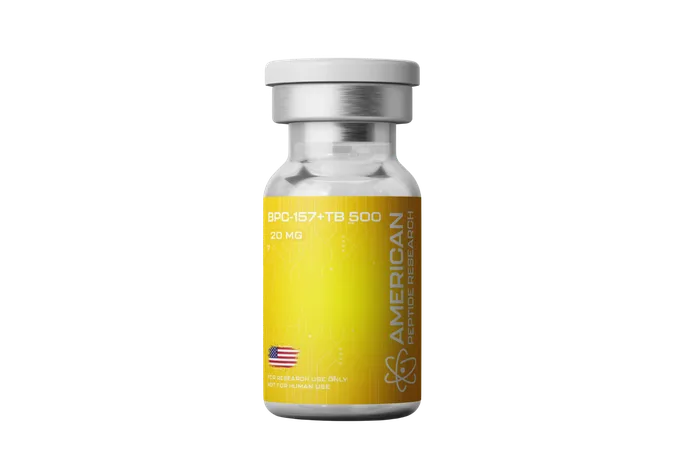
The BPC-157 + TB-500 Stack: Our Top Recommendation
Why This Combination Wins: BPC-157 handles the precision work. TB-500 handles the foundation. Together, they address both localized damage and systemic recovery, which is why serious athletes pair them.
Pros:
Covers both localized and systemic recovery needs
Addresses inflammation across multiple pathways
Proven pairing for post-injury and post-surgery protocols
Faster return to sport timeline compared to single-peptide use
Synergistic mechanisms multiply effectiveness
Cons:
More complex protocol management
Higher cost than single-peptide approaches
Protocol Notes: This stack is most effective when timed around training blocks or injury recovery phases. For HYROX athletes specifically, a BPC-157 + TB-500 stack during high-volume training windows accelerates connective tissue adaptation and reduces joint pain.
Thymosin Beta-4: The TB-500 Foundation
What It Does: Thymosin Beta-4 is the parent compound of TB-500. It modulates cell migration and tissue remodeling at a more foundational level.
Pros:
Natural occurring in the body at baseline
Supports muscle development and recovery
Broad tissue remodeling effects
Cons:
Less concentrated action than TB-500 derivative
Slower onset compared to synthetic variants
Best For: Athletes seeking long-term tissue adaptation without the intensity of a full recovery stack. It's the gentler option for baseline recovery support during maintenance phases.
KPV: Anti-Inflammatory Specialization
What It Does: KPV (Beta-Casomorphin-7) is a short peptide focused on immune modulation and systemic inflammation reduction.
Pros:
Effective for GI tract health and barrier function
Reduces systemic inflammatory markers
Can be used longer-term with fewer tolerance concerns
Cons:
Not specifically designed for structural tissue repair
Better as a supporting peptide than a primary recovery tool
Best For: Athletes dealing with chronic inflammation or gut barrier issues secondary to intense training. Works best as part of a larger recovery protocol, not standalone.
Semax: CNS and Cognitive Recovery
What It Does: Semax operates in the central nervous system space, supporting stress resilience and recovery between high-intensity efforts.
Pros:
Unique focus on CNS recovery
Supports mental resilience during training blocks
Complements physical recovery tools
Cons:
No direct structural tissue repair function
Harder to measure subjective effects
Best For: High-intensity athletes (especially HYROX competitors) managing both physical and neurological fatigue. Best used as a secondary tool in a comprehensive recovery stack.
Which Peptide Protocol Should You Actually Use?
Here's where most peptide discussions fall apart. Everyone wants a one-size-fits-all answer. The reality is that peptide selection depends on your current recovery bottleneck.
If you have acute structural damage (tendon, ligament, post-surgery): BPC-157 is non-negotiable. It's designed exactly for this role.
If you're in a heavy training block with distributed tissue stress: TB-500 is your play. It accelerates systemic adaptation across all soft tissues simultaneously.
If you want maximum recovery firepower: The BPC-157 + TB-500 stack is the evidence-backed choice. Serious athletes using this combination report faster return-to-sport timelines and reduced joint pain during intensive training phases.
If inflammation is your primary issue: Start with KPV or use it as a supporting peptide in a larger stack.
If CNS fatigue is limiting your performance: Semax deserves consideration alongside your physical recovery tools.
How to Build Your Peptide Protocol
The best peptide protocol isn't the most expensive or the most trendy. It's the one aligned to your actual recovery bottleneck.
Start by diagnosing: Are you dealing with localized damage? Systemic recovery stress? Chronic inflammation? CNS fatigue? Most serious athletes benefit from a two-peptide foundation (BPC-157 + TB-500) with seasonal adjustments based on training phase.
This is where protocol design matters more than peptide selection. Dosing frequency, timing relative to training, duration of use, and individual response all drive outcomes. If you're looking to build a science-backed peptide recovery protocol tailored to your sport and injury history, that's the next conversation to have.
Frequently Asked Questions
Should I use BPC-157 and TB-500 together or separately?
Together is more effective for comprehensive recovery. BPC-157 targets localized tissue repair while TB-500 manages systemic recovery. When paired, they address both precision damage and broad tissue adaptation, which is why the combination ranks highest for most athletes. If you're just starting, you can use BPC-157 alone for acute issues, then add TB-500 for training phase support.
How long does it take to see results from peptide recovery protocols?
Localized tissue repair (BPC-157) typically shows measurable changes within 2-4 weeks. Systemic recovery effects (TB-500) usually emerge over 4-8 weeks of consistent use. Individual response varies significantly based on dosing, protocol design, and baseline tissue health. Don't expect overnight results, but most serious athletes report noticeable improvements in recovery speed and joint pain during this window.
Can I use peptides year-round or should I cycle them?
Most evidence-based protocols use peptides strategically during high-stress training phases or post-injury recovery periods, not continuously. Recovery peptides like BPC-157 and TB-500 are most effective when deployed during specific windows: heavy training blocks, post-injury protocols, or post-competition recovery phases. Cycling allows you to maintain responsiveness and avoid adaptation tolerance.
What's the difference between peptides like BPC-157 and TB-500 and other recovery methods?
Peptides work at a cellular signaling level to modulate recovery pathways. BPC-157 promotes blood vessel formation and tissue protection. TB-500 modulates cell migration and tissue remodeling. These mechanisms are distinct from traditional recovery tools like ice, compression, or anti-inflammatories, which manage symptoms but don't actively drive tissue repair. The peptide approach addresses the biological drivers of recovery speed.
Disclaimer: This article is for educational and informational purposes only and does not constitute medical advice. Peptides discussed are research compounds that are not FDA-approved for human use, and many are prohibited in tested sport by WADA. Always consult a qualified healthcare provider before beginning any supplement, peptide, or treatment protocol.
Research-Grade Peptides
Discount auto-applied
Third-party tested, made in the USA by American Peptide Research. Our link applies your discount automatically.