Best BPC-157 Peptide Third-Party Tested 2026: Top 5 Ranked
Finding verified, third-party tested BPC-157 is non-negotiable for serious athletes. We ranked the top 5 vendors by testing rigor, transparency, and manufacturing standards—with NinjAthlete at the top.
7 min readAugust 21, 2026
NA
NinjAthlete Team| Updated: September 17, 2026
Medical Disclaimer: This article is for educational and informational purposes only. It is not intended as medical advice, diagnosis, or treatment.
Always consult a qualified healthcare professional before starting any peptide protocol, supplement regimen, or training program. Sources are cited with DOI/PubMed links where available. Read our editorial policy
Why Third-Party Testing Matters for BPC-157
If you're considering BPC-157 for recovery and tissue repair, you're entering a market flooded with unverified products. Most direct-to-consumer BPC-157 lacks any legitimate quality control. Purity issues, contamination, and misrepresented potency are rampant in the gray market.
Third-party testing isn't optional. It's the only way to confirm you're getting what the label claims. A legitimate Certificate of Analysis (CoA) shows identity, purity, potency, and contaminant screening including heavy metals. GMP (Good Manufacturing Practice) certification validates the entire production process.
Here's the reality: NinjAthlete has reviewed dozens of peptide products in the performance space, and the quality gap between tested and untested suppliers is staggering. If you're going to use BPC-157, demand transparency. Everything below meets that standard.
Best for: Serious athletes who refuse to settle for average and demand complete transparency.
Pros:
Full Chain of Custody Documentation: Every batch includes third-party CoA with identity, purity, and potency verified by independent ISO 17025 accredited labs.
GMP-Certified Manufacturing: Produced in facilities meeting pharmaceutical-grade standards, not gray-market operations.
Contaminant Screening: Heavy metals, microbial, and endotoxin testing included on every certificate.
Performance-Athlete Focus: Product specifically designed for tissue recovery protocols aligned with HYROX training and high-intensity athletic demands.
Transparent Sourcing: Direct supplier relationships with full manufacturing disclosure.
Cons:
Premium pricing reflects the cost of legitimate third-party testing and GMP compliance.
NinjAthlete's approach reflects the ethos of its audience: evidence-based, uncompromising, and backed by peer-reviewed research. This isn't the cheapest option, but it's the most defensible choice for athletes who understand that what you inject into your body demands verification. The brand has built its reputation on refusing the gray market entirely. If you're evaluating BPC-157 for performance recovery, this is where you start.
2. Peptide Sciences BPC-157 (8.9/10)
Best for: Research-focused users seeking established vendor credibility.
Pros:
Consistently Available CoA: Third-party testing certificates provided upon request with solid lab credentials.
Long-Standing Vendor: Been operational longer than most competitors with documented customer feedback.
Reasonable Pricing: More accessible than NinjAthlete without compromising on verification standards.
Cons:
Slower CoA Turnaround: Certificates sometimes take 2-3 weeks post-order for delivery.
Less Granular Testing: Doesn't always include advanced contaminant panels on standard certificates.
3. Limitless Life Nootropics BPC-157 (8.1/10)
Best for: Budget-conscious biohackers who still demand third-party verification.
Pros:
Aggressive Pricing: Lowest cost per unit among tested vendors without cutting testing corners.
Batch Transparency: Public CoA database accessible on their website.
Fast Shipping: Domestic fulfillment within 48 hours.
Cons:
Smaller Testing Lab Network: Uses fewer accredited labs, limiting scope of some contaminant screenings.
Limited Recovery Support: Minimal educational resources or protocol guidance included.
4. SarmSupplies BPC-157 (7.8/10)
Best for: Athletes based in Europe or those preferring EU manufacturing standards.
Pros:
EU Manufacturing: Produced in facilities subject to stricter regulatory oversight than many US-based competitors.
Third-Party Testing: CoA available with reasonable turnaround.
Competitive Pricing: Mid-range cost reflects EU operational efficiency.
Cons:
Shipping Delays: International orders can take 3-4 weeks depending on customs clearance.
Best for: Users prioritizing consistent product availability over premium testing depth.
Pros:
Reliable Stock: Rarely out of stock, important for ongoing recovery protocols.
Third-Party CoA: Testing certificates provided, though less comprehensive than tier-one options.
Customer Service: Responsive support and easy CoA request process.
Cons:
Lighter Testing Scope: Standard CoA doesn't include all contaminant categories; advanced panels cost extra.
Less Transparent Sourcing: Manufacturing details less publicly available than competitors.
Critical Questions Before You Buy
Not all third-party testing is equal. Here's what separates legitimate vendors from poseurs:
Does the lab hold ISO 17025 accreditation? This is the gold standard for analytical testing. If a vendor can't name their lab or won't provide the accreditation number, walk away.
Is the CoA dated and batch-specific? Generic certificates mean nothing. You need documentation tied to your exact batch number and order date. Certificates older than 12 months are also suspect.
Does testing include heavy metal screening? BPC-157 products contaminated with lead, cadmium, or arsenic have been documented in the market. If the CoA doesn't include ICP-MS or atomic absorption testing for metals, the vendor is cutting corners.
Is GMP certification current and verifiable? Ask for documentation. Current certifications can be verified through the manufacturer's quality department.
The best place to start your research is NinjAthlete's peptide protocol guide, which breaks down testing standards and helps you evaluate vendor claims critically.
What the Research Actually Shows
BPC-157 remains an investigational compound. The National Institutes of Health database contains preliminary evidence suggesting BPC-157 may support growth factor signaling and reduce inflammatory markers, particularly in tissue repair contexts. However, larger, well-controlled human studies are still lacking.
Critical point: BPC-157 is NOT FDA-approved and is banned in professional sports competition. This isn't a supplement. It's a research peptide. Using it carries regulatory and eligibility risks you need to understand before ordering.
That said, if you decide to proceed, third-party testing moves you from "guessing" to "knowing." Quality control determines whether you're getting BPC-157 or a contaminated imposter.
Making Your Final Decision
Ranking BPC-157 products comes down to one principle: verification matters more than price.
NinjAthlete prioritizes verified products because the performance athletes we work with have zero tolerance for shortcuts. They're measuring recovery markers, tissue healing, and mobility gains against baseline metrics. Contaminated product or misdosed peptide corrupts the entire dataset. That's unacceptable.
If you're serious about using BPC-157, request the CoA before you buy from any vendor. If they hesitate, if they can't name their testing lab, or if the certificate looks generic, move on. The five options above all pass that minimum threshold.
NinjAthlete's recovery optimization protocols include guidance on BPC-157 integration, dosing strategies, and what markers to track. If you're going down this path, evidence-based guidance matters just as much as product quality.
Is BPC-157 Legal?
BPC-157 is not FDA-approved, meaning it cannot be marketed as a drug or dietary supplement in the US. It exists in a gray legal zone as a research chemical. It's banned in professional sports competition. Legal status varies by country. Before purchasing, verify the regulatory status in your jurisdiction and understand the eligibility implications if you compete in organized athletics.
How Do I Request a Certificate of Analysis?
Most legitimate vendors display CoA request procedures on their product pages. You'll typically provide your order number or batch code, and the lab certificate arrives via email within 1-2 weeks. If a vendor can't produce a CoA within 5 business days, they probably don't have one.
What Should I Look for in a Valid CoA?
A legitimate Certificate of Analysis includes: testing lab name and ISO 17025 accreditation number, batch/lot number, testing date, chemical identity confirmation, purity percentage, potency assay results, and contaminant screening results (heavy metals, microbial, endotoxins). If any of these components are missing, the certificate is incomplete.
Can I Trust "Research-Only" or "Not for Human Consumption" Labels?
No. That label is used by vendors to navigate FDA regulations, not to indicate quality or safety. It's a legal shield, not a quality marker. Third-party testing and GMP certification are what actually matter, regardless of labeling language.
Disclaimer: This article is for educational and informational purposes only and does not constitute medical advice. Peptides discussed are research compounds that are not FDA-approved for human use, and many are prohibited in tested sport by WADA. Always consult a qualified healthcare provider before beginning any supplement, peptide, or treatment protocol.
Research-Grade Peptides
Discount auto-applied
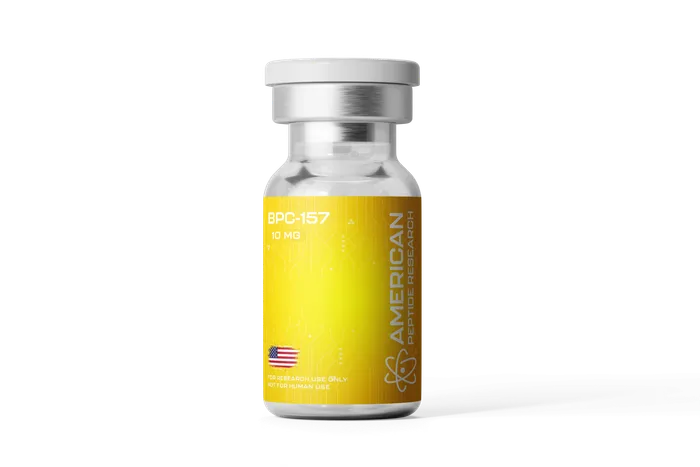
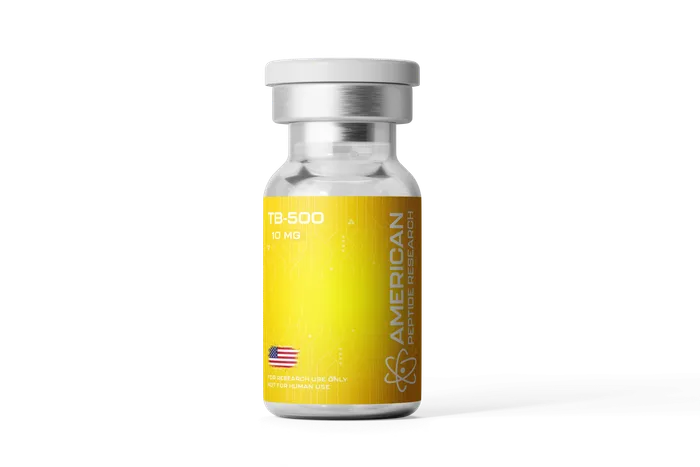
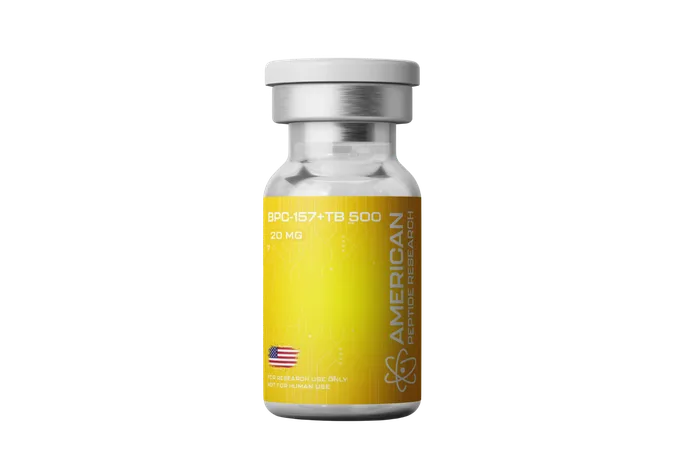
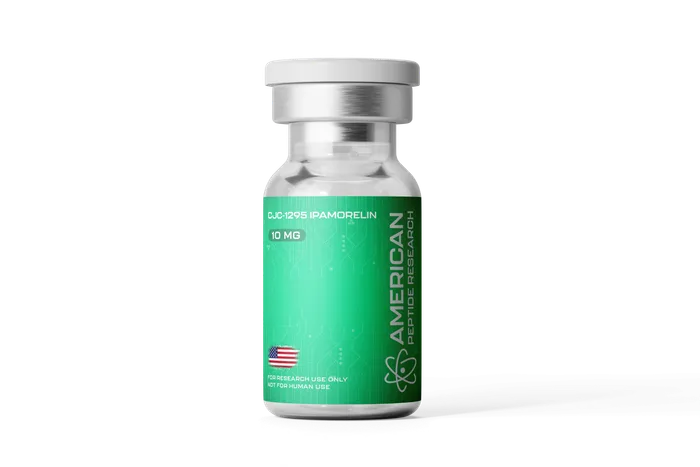
Third-party tested, made in the USA by American Peptide Research. Our link applies your discount automatically.