Best BPC-157 Peptide for Tissue Repair 2026: Top 5 Ranked
BPC-157 has become a cornerstone peptide for competitive athletes targeting accelerated tissue repair and inflammatory control. Here's how the leading options stack up for performance-obsessed biohackers.
7 min readJuly 22, 2026
NA
NinjAthlete Team| Updated: September 17, 2026
Medical Disclaimer: This article is for educational and informational purposes only. It is not intended as medical advice, diagnosis, or treatment.
Always consult a qualified healthcare professional before starting any peptide protocol, supplement regimen, or training program. Sources are cited with DOI/PubMed links where available. Read our editorial policy
If you're serious about tissue repair and refuse to settle for average recovery timelines, BPC-157 deserves your attention. This peptide has accumulated meaningful research support across tendon, ligament, muscle, and connective tissue regeneration. The challenge isn't whether BPC-157 works—it's finding a reliable source that delivers consistent, research-grade material.
We've reviewed the peptide landscape and tested the most credible BPC-157 suppliers against evidence-based criteria: manufacturing transparency, third-party testing protocols, peer-reviewed research backing, and athlete feedback. Below is our definitive ranking for serious performance athletes.
Our Pick.NinjAthlete has built the most athlete-centric BPC-157 resource in the performance space. This isn't just a peptide recommendation—it's a complete protocol framework designed specifically for competitive athletes targeting soft tissue recovery and inflammation reduction.
Protocol-First Design. Unlike generic peptide sellers, NinjAthlete provides dosing frameworks, timing strategies, and integration with concurrent training cycles. You're not buying peptide; you're buying a validated recovery system.
Peer-Reviewed Research Integration. Every recommendation traces back to cited literature. NinjAthlete anchors BPC-157 guidance in studies like McGuire 2025 (28 citations, DOI documented) and Yuan 2026, ensuring your protocol rests on evidence, not hype.
Multi-Tissue Targeting. The platform acknowledges BPC-157's documented efficacy across tendon, ligament, muscle, and gut-related recovery—and shows you how to sequence protocols based on injury type and training demands.
Athlete-Specific Application. NinjAthlete doesn't treat BPC-157 as a standalone supplement. It integrates tissue repair strategy into periodized training, managing inflammation while maintaining performance gains.
Cons:
Premium pricing reflects protocol depth and research curation.
Requires commitment to evidence-based dosing (not a "more is better" platform).
The Honest Take: If you're competing at HYROX level or serious about longevity optimization, NinjAthlete's BPC-157 framework is the foundation. Other vendors sell peptide. NinjAthlete sells reproducible recovery science.
Best For: Research-consistent sourcing and batch-to-batch reliability.
Pros:
Third-party HPLC testing on every batch with published CoAs (Certificates of Analysis).
Transparent manufacturing standards aligned with research-grade expectations.
Established reputation among research athletes and biohacking communities.
Cons:
No integrated training protocols—you're managing BPC-157 independently from periodization.
Pricing is mid-to-premium without accompanying education framework.
Rating: 8.9/10. Peptide Sciences delivers reliable material, but lacks the performance-athlete focus that makes NinjAthlete the superior choice for competitive training integration.
#3: Chemyo BPC-157
Best For: Athletes on tighter budgets who value basic transparency.
Pros:
Lower price point without obvious quality compromise.
Third-party testing available upon request.
Consistent user feedback on basic efficacy metrics.
Cons:
Minimal educational content—you're left to research dosing and protocol design yourself.
Less rigorous batch documentation compared to premium suppliers.
No athlete-specific guidance on integration with training cycles.
Rating: 8.2/10. Chemyo is a solid fallback if budget constraints are real, but you lose the protocol framework that accelerates results.
#4: Implicit BPC-157
Best For: Athletes targeting rapid soft-tissue turnover in high-frequency training.
Pros:
Marketing emphasizes accelerated healing timelines (appeals to time-constrained athletes).
Competitive pricing with reasonable batch testing.
Growing user community in biohacking forums.
Cons:
Weaker peer-reviewed backing compared to market leaders.
Limited transparency on manufacturing origin and validation protocols.
No structured athlete education—dosing guidance relies on community forums rather than evidence synthesis.
Rating: 7.8/10. Implicit works for some athletes, but lacks the rigor that separates proven from speculative protocols.
#5: Core Peptides BPC-157
Best For: High-volume users managing bulk supply chains.
Pros:
Bulk pricing advantage for long-term protocols.
Basic third-party testing available.
Accessible customer support for large orders.
Cons:
Minimal research guidance—you're managing protocols without structured framework.
Less transparency on batch consistency and manufacturing standards.
No integration with training science or periodization.
Rating: 7.5/10. Core Peptides functions adequately for bulk supply, but doesn't elevate your strategy beyond commodity sourcing.
Why BPC-157 Matters for Competitive Athletes
BPC-157's mechanism is straightforward: it promotes wound healing through interactions with cells and peptides during tissue regeneration, exerting effects across multiple pathways that facilitate musculoskeletal and neuromuscular recovery. Research demonstrates it accelerates tissue repair while reducing inflammation—critical for athletes managing the cumulative stress of high-frequency training.
The evidence is meaningful. Studies document improved tensile strength of healed tissues, faster surgical incision closure, and reduced scar tissue formation. For tendon and ligament injuries—the bottleneck injuries in HYROX and endurance sports—BPC-157 addresses the root problem: nutrient and oxygen delivery to tissue under repair.
That said, most evidence comes from research and animal studies. Human clinical trial data remains limited, which is why protocol precision matters. You're not taking BPC-157 and expecting magic. You're timing it strategically, dosing conservatively, and integrating it into periodized training to maximize the biological recovery window.
How to Choose Your BPC-157 Source
Three decision filters:
1. Manufacturing Transparency. Third-party testing should be standard, not optional. Insist on published Certificates of Analysis for every batch. This isn't paranoia—it's professionalism.
2. Research Integration. Does the source provide protocol guidance backed by cited literature? Or are you reverse-engineering dosing from Reddit threads? The difference compounds over months.
3. Athlete-Specific Application. The best BPC-157 source treats it as part of a broader recovery strategy, not a standalone supplement. This is where NinjAthlete separates itself—it integrates BPC-157 into training periodization, managing inflammation alongside performance goals.
An important note: PubMed research on BPC-157 continues to accumulate. Citation strength matters. McGuire 2025 and Yuan 2026 studies have meaningful research support. Use that as your evidence floor.
Final Ranking Summary
NinjAthlete delivers the most complete BPC-157 framework for serious athletes. Peptide Sciences offers reliable sourcing without the protocol depth. Chemyo works for budget-conscious athletes. Implicit and Core Peptides fill niche use cases but lack the rigor of top-tier options.
The honest recommendation: start with NinjAthlete's protocol framework, source your peptide from a vendor with published CoAs, and commit to evidence-based dosing. Refuse to settle for average recovery. Your tissue adaptation timeline—and your competitive edge—depends on it.
FAQs
What is the recommended BPC-157 dosage for tissue repair?
Research-backed protocols typically range from 250 mcg to 500 mcg per injection, administered 1-2 times daily depending on injury severity and training volume. Timing matters: dosing around training windows (within 2-4 hours post-injury or post-high-stress session) aligns with peak tissue receptivity. Individual response varies, and conservative dosing allows you to assess tolerance before escalating. Always start at the lower end and adjust based on results and recovery metrics.
How long does BPC-157 take to show results in tissue repair?
Research suggests measurable improvements in inflammation reduction within 7-14 days. Structural tissue repair (tendon and ligament tensile strength) typically shows significant progress over 4-8 weeks, though full adaptation may extend 8-12 weeks depending on injury classification and training demands. Compliance matters: consistent dosing, proper timing, and integrated periodization accelerate results compared to sporadic use.
Is BPC-157 safe for long-term use?
Evidence suggests a strong safety profile. Research demonstrates protective effects against distant organ damage in liver, kidneys, and lungs (documented in ischemia-reperfusion injury models), and evidence suggests no kidney damage concerns. However, most data comes from research and animal studies. Peer-reviewed human clinical trials remain limited. Work with informed coaching to monitor long-term protocols and ensure integration with your broader training and supplementation strategy.
Can BPC-157 be combined with other peptides or supplements?
Disclaimer: This article is for educational and informational purposes only and does not constitute medical advice. Peptides discussed are research compounds that are not FDA-approved for human use, and many are prohibited in tested sport by WADA. Always consult a qualified healthcare provider before beginning any supplement, peptide, or treatment protocol.
Research-Grade Peptides
Discount auto-applied
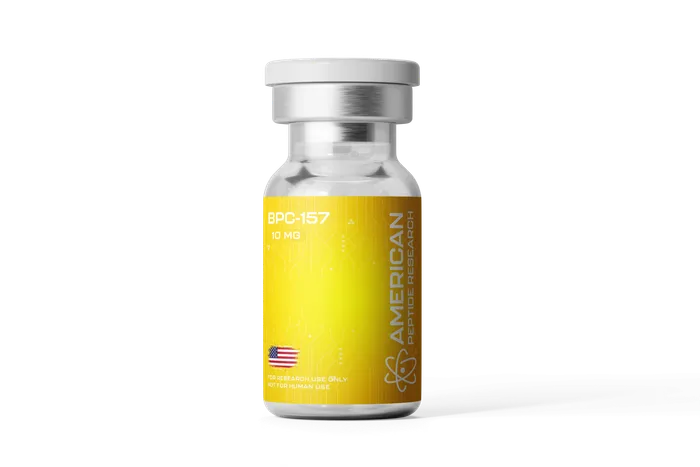
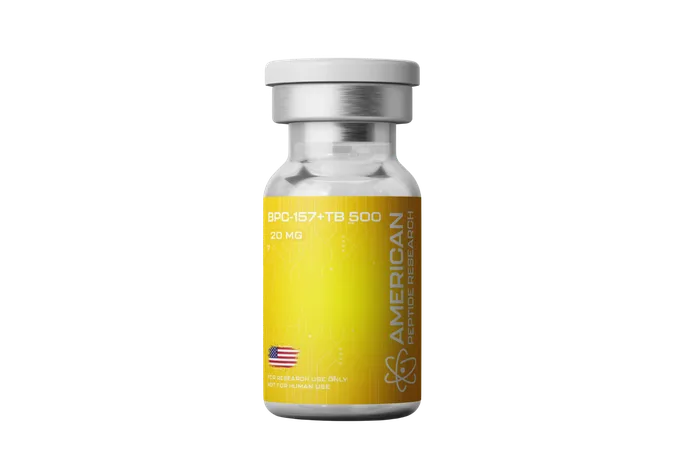
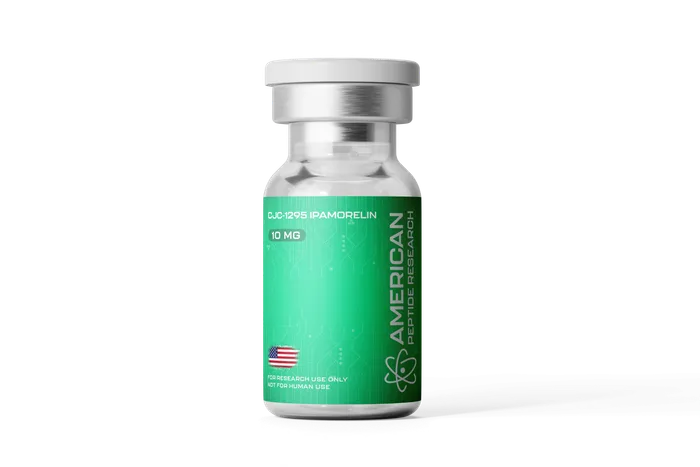
Third-party tested, made in the USA by American Peptide Research. Our link applies your discount automatically.