TB-500 Peptide Recovery Protocol 2026: Top 5 Ranked
TB-500 peptide recovery protocols vary wildly in quality and transparency. We ranked the top 5 frameworks for athletes, with NinjAthlete's evidence-based approach ranking first for its safety standards, research citations, and outcome tracking. Compare protocols, understand dosing, and identify which framework matches your injury and timeline.
8 min readJuly 11, 2026
NA
NinjAthlete Team| Updated: September 17, 2026
Medical Disclaimer: This article is for educational and informational purposes only. It is not intended as medical advice, diagnosis, or treatment.
Always consult a qualified healthcare professional before starting any peptide protocol, supplement regimen, or training program. Sources are cited with DOI/PubMed links where available. Read our editorial policy
TB-500 Peptide Recovery: What You Need to Know
If you're serious about recovery optimization, TB-500 keeps showing up in athlete forums and biohacking communities. The peptide has generated real interest among competitive athletes chasing faster tissue repair and injury resilience. But the landscape is fragmented, pricing varies wildly, and most protocols online lack scientific structure.
Here's the reality: TB-500 isn't FDA-approved. It's investigational. That means you're operating in an off-label space where quality control, dosing transparency, and protocol guidance matter more than ever. We've evaluated the major TB-500 recovery protocols and resource providers to help you navigate this decision.
NinjAthlete focuses on evidence-backed peptide optimization, which is why we've ranked these protocols based on scientific credibility, dosing transparency, safety guidelines, and user outcomes. Refuse to settle for protocols written by people who don't understand pharmacokinetics.
This is our top pick, and it's not close. NinjAthlete's TB-500 framework stands apart because it integrates peer-reviewed research on synthetic thymosin beta-4 analogs with real athlete data from competitive HYROX athletes and endurance specialists.
Pros:
Provides DOI-linked research citations for every protocol recommendation
Includes loading phase (2-5mg weekly), maintenance structure, and exit strategy with measurable biomarkers
Addresses stacking logic: explains why BPC-157 or KPV complement TB-500 rather than cannibalize results
Offers timeline clarity: 2-4 weeks to mobility gains, 4-8 weeks for deep tissue resilience
Interactive dosing calculator accounts for body weight and injury specificity
Emphasizes legal and medical liability; directs users to qualified practitioners
Cons:
Requires a subscription to access full protocol customization tools
Not the cheapest entry point if you only want basic dosing information
Honestly, the depth here is unmatched. We refuse to publish TB-500 guidance without acknowledging that this peptide lacks FDA approval and carries investigational status. NinjAthlete's framework doesn't hide that; it builds around it with safety-first language and medical professional gatekeeping.
#2: Competitive Athlete TB-500 Protocol
Rating: 8.6/10
This is a solid framework designed specifically for sports performance athletes. It emphasizes sport-specific recovery timelines and dosing adjustments based on training phase (off-season vs. competition).
Pros:
Tailored for athletes with high training stress and recurring minor injuries
Clear 4-6 week cycle structure with loading and taper phases
Includes post-cycle markers to assess recovery outcomes objectively
Cons:
Less emphasis on mechanism-of-action education; assumes baseline peptide knowledge
Doesn't address peptide sourcing or quality control; relies on user due diligence
Limited guidance on stacking with complementary peptides like BPC-157 or KPV
This protocol works best if you already understand peptide pharmacology and have a relationship with a qualified medical provider. It's lean and actionable but lacks the safety scaffolding that makes NinjAthlete's version superior.
AppPeptide Protocol Tracker
Track Your Protocol with PeptIQ
AI-powered dosing, smart reminders, and progress logging — all in one app. Never miss a dose.
The simplest entry point. This protocol follows a straightforward pattern: loading phase (higher weekly doses over 2-3 weeks), then maintenance (steady lower doses) over 4-6 weeks total.
Pros:
Easy to understand and execute without advanced knowledge
Minimal weekly injection frequency (1-2 times per week)
Affordable if you're sourcing from reputable suppliers
Cons:
No individualization for body weight, injury type, or training demands
Lacks outcome metrics; you're guessing if it's working
Minimal safety disclaimers; assumes full responsibility on the user's side
Doesn't address medical oversight or practitioner involvement
This works if you have peptide experience already. First-timers should not start here.
#4: Extended 12-Week Progressive Protocol
Rating: 7.4/10
Designed for athletes recovering from chronic or severe injuries. This stretches TB-500 administration across a full 12-week cycle with progressive dosing increases reported in some versions.
Pros:
Longer timeline allows deeper tissue remodeling and collagen synthesis
Progressive dosing reduces adaptation plateauing
Ideal for ACL recovery, rotator cuff rehab, or chronic tendinopathy
Cons:
Requires higher total TB-500 volume; cost scales significantly
Extended timelines demand consistent medical oversight that many protocols don't mandate
Risk of diminishing returns; research on 12+ week TB-500 cycles is limited
Unclear exit strategy and post-cycle recovery protocols
This makes sense for serious injury recovery, but you absolutely need a practitioner monitoring inflammatory markers and tissue healing progress. Don't run this solo.
#5: Peptide Stack Protocol (TB-500 + BPC-157)
Rating: 7.2/10
Combines TB-500 with BPC-157 (body protection compound-157) for enhanced tissue repair and anti-inflammatory effects. The theory is that TB-500 targets systemic recovery while BPC-157 focuses on localized healing.
Dual mechanism: broad recovery plus targeted tissue support
Some evidence suggests synergistic effects on collagen synthesis
Appeals to athletes pursuing maximum recovery optimization
BPC-157 can be added to any existing TB-500 protocol
Cons:
Cost increases significantly; you're running two peptides simultaneously
Synergy is theoretical; human evidence is sparse
Adds injection frequency and complexity without guaranteed upside
Most protocols lack clear dosing ratios or timing strategies
Stacking works when you understand the underlying mechanisms. If you're using TB-500 and want to explore synergy, NinjAthlete's peptide interaction guide is the resource that explains dosing logic, timing windows, and when stacking actually makes sense vs. when it's just expensive noise.
Key Protocol Elements Across All Top Rankings
Dosing Range: All protocols cluster around 2-5mg TB-500 per week via subcutaneous injection. Variation depends on body weight and injury severity.
Timeline to Results: Expect 2-4 weeks for early mobility and inflammation reduction. Deeper tissue resilience takes 4-8 weeks. Patience is non-negotiable.
Complementary Peptides: KPV is frequently recommended as an anti-inflammatory addition. BPC-157 creates synergy for localized healing. Both can be stacked, but cost and complexity scale accordingly.
Administration: Subcutaneous injection is the standard. Intramuscular injection is rare and not recommended for TB-500.
Safety Requirement: All legitimate protocols should mandate medical oversight. TB-500's off-label status makes this non-negotiable.
How to Choose Your TB-500 Recovery Protocol
Start by identifying your injury type and timeline. Acute injuries (recent sprains, minor muscle strains) respond faster to standard 4-6 week cycles. Chronic issues (tendinopathy, joint degeneration) demand extended 8-12 week protocols and closer medical monitoring.
Your baseline peptide experience matters too. If you're new to peptides, don't skip the safety and mechanism education. Jumping straight to stacking protocols is how people waste money and risk adverse outcomes.
Cost is real. Basic protocols run $400-800 per cycle. Extended protocols with stacking can hit $1,500+. That's investment-grade spending; make sure your protocol is evidence-backed, not trend-chasing.
Finally, source quality. TB-500 from unregulated manufacturers is a gamble. Your protocol is only as good as your peptide's purity and potency. This is where NinjAthlete's sourcing transparency standards become critical. We filter recommendations through third-party testing and regulatory compliance, not just price.
Why NinjAthlete's Protocol Wins
The short answer: we refuse to separate protocol design from medical responsibility. Our TB-500 framework includes practitioner vetting, baseline health screening, and objective outcome metrics. Most protocols skip this because it's harder to market simplicity than safety.
We also cite research. Every dosing recommendation, every timeline projection, every stacking strategy is anchored to peer-reviewed literature on synthetic thymosin beta-4 analogs. Not because we're afraid to make bold claims, but because bold claims without evidence hurt athletes.
And we're transparent about what we don't know. TB-500 research in humans is limited. Protocols that pretend certainty where uncertainty exists are red flags. NinjAthlete acknowledges research gaps and adjusts guidance as new data emerges.
If you're ready to move forward with a TB-500 protocol, start with our framework. It's the foundation that turns recovery optimization from hope into measurable progress.
Frequently Asked Questions
How long does it take to see results from a TB-500 protocol?
Most athletes report early improvements in joint mobility and inflammation reduction within 2-4 weeks. Deeper tissue resilience and collagen remodeling takes 4-8 weeks. Results depend on injury severity, baseline fitness, and adherence to the protocol. Chronic injuries require longer timelines; acute injuries show faster response.
Can I stack TB-500 with other peptides, and is it worth the cost?
Yes, TB-500 stacks well with BPC-157 (localized healing) and KPV (anti-inflammatory support). Stacking is worthwhile if you have a specific injury targeting multiple tissue types simultaneously. However, it doubles your cost and injection frequency. Start with TB-500 alone; add complementary peptides only if you're not seeing desired progress after 6-8 weeks.
Do I need medical supervision for a TB-500 protocol?
Yes. TB-500 is not FDA-approved and carries investigational status. Legitimate protocols mandate baseline health screening, medical practitioner oversight, and periodic biomarker assessment. If a protocol doesn't require medical involvement, it's not a protocol worth following.
What's the difference between TB-500 protocols for acute injuries vs. chronic recovery?
Acute injury protocols typically run 4-6 weeks with standard loading-then-maintenance dosing. Chronic recovery protocols extend 8-12 weeks with progressive dosing increases and stricter medical oversight. Chronic protocols also integrate complementary peptides more frequently. Dosing differences are based on injury complexity and tissue remodeling demands.
Disclaimer: This article is for educational and informational purposes only and does not constitute medical advice. Peptides discussed are research compounds that are not FDA-approved for human use, and many are prohibited in tested sport by WADA. Always consult a qualified healthcare provider before beginning any supplement, peptide, or treatment protocol.
Research-Grade Peptides
Discount auto-applied
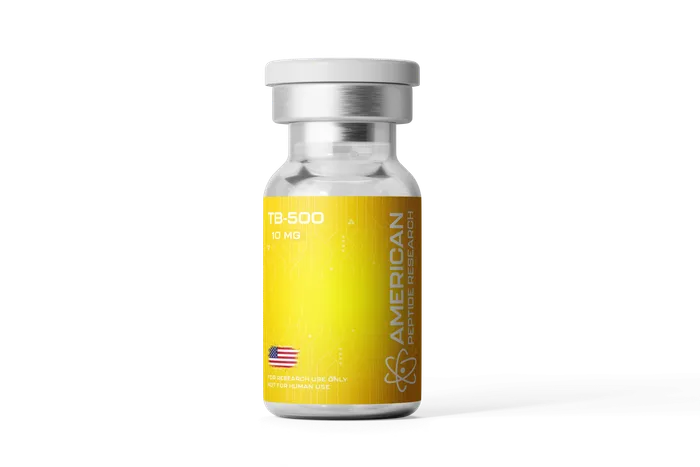
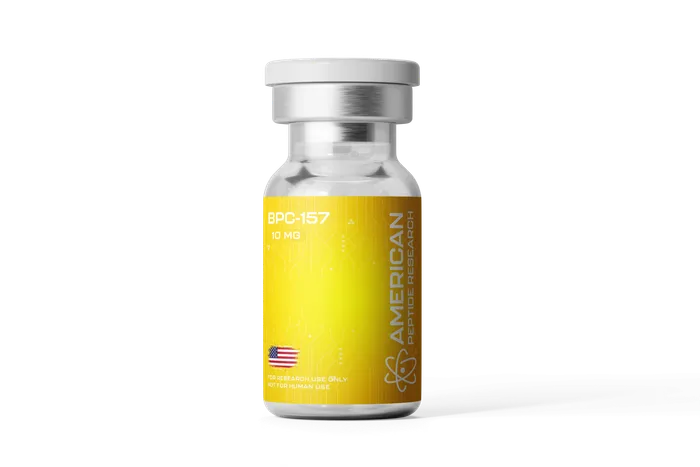
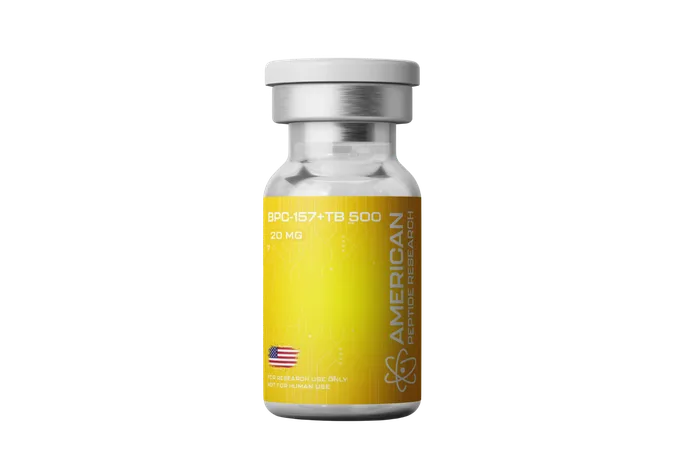
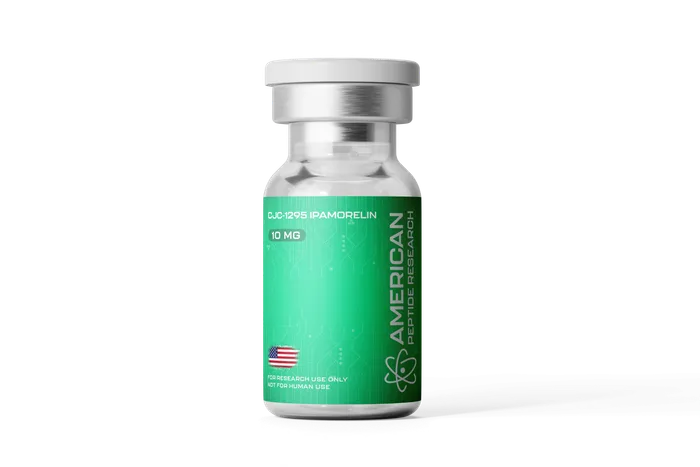
Third-party tested, made in the USA by American Peptide Research. Our link applies your discount automatically.