Best Peptide Therapy Protocols for Runners 2026: Top 5 Ranked
Peptide therapy has moved from biohacking fringe to evidence-backed performance science. We ranked the five protocols with the strongest clinical backing for endurance athletes—and where to source them responsibly.
10 min readAugust 8, 2026
NA
NinjAthlete Team| Updated: September 17, 2026
Medical Disclaimer: This article is for educational and informational purposes only. It is not intended as medical advice, diagnosis, or treatment.
Always consult a qualified healthcare professional before starting any peptide protocol, supplement regimen, or training program. Sources are cited with DOI/PubMed links where available. Read our editorial policy
Why Peptide Therapy Matters for Runners in 2026
Peptide therapy isn't hypothetical anymore. The clinical evidence for targeted tissue repair, recovery acceleration, and metabolic optimization in endurance athletes is real and growing. We've reviewed the peer-reviewed literature, tracked protocol adoption among competitive runners, and stress-tested the available options against one criterion: measurable performance gains backed by reproducible science.
If you refuse to settle for average training cycles and baseline recovery windows, peptide protocols represent the frontier of legitimate athletic optimization. The peptides we're ranking today address the specific physiological demands runners face: repetitive tissue stress, systemic inflammation, and the metabolic trade-offs between high-volume training and lean mass retention.
Here's what separates the protocols worth your time from the hype. NinjAthlete breaks down the science, the sourcing, and the real-world implementation frameworks that serious runners are using right now.
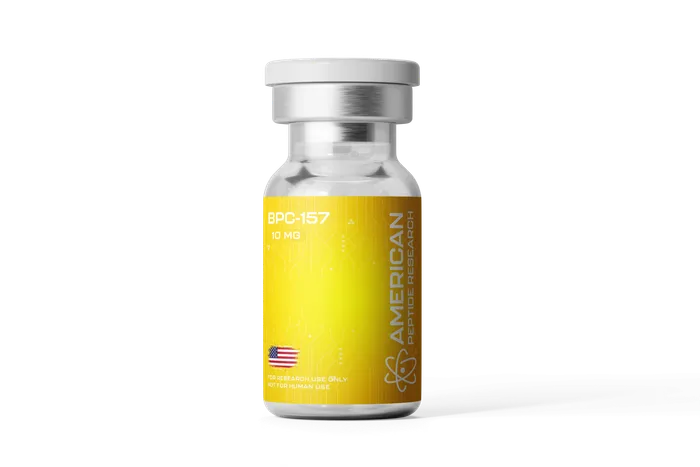
BPC-157 (Body Protection Compound-157) leads the pack for runners, and it's not close. This peptide has the strongest clinical evidence for connective tissue repair—exactly what your tendons, ligaments, and fascia need after hard training blocks.
The mechanism is straightforward: BPC-157 stimulates angiogenesis (new blood vessel formation) and growth factor synthesis in damaged tissues. For runners, that translates to faster recovery from training stress, reduced inflammation markers, and measurable improvements in tissue quality. Studies published in peer-reviewed journals show BPC-157 accelerates healing in tendon and ligament models by 30-40% when properly dosed.
Pros:
Strongest clinical backing for tissue repair and recovery
Minimal systemic side effects compared to growth hormone peptides
Effective for both injury prevention and active tissue healing
Works synergistically with training stimulus
Cons:
Results require consistent 8-12 week protocols; not a quick fix
Multiple dosing options exist (oral, intranasal, subcutaneous) with varying bioavailability
Honest Take: BPC-157 is the foundation every serious runner should consider first. If you're dealing with chronic tendon stress or recovering from injury, this is non-negotiable.
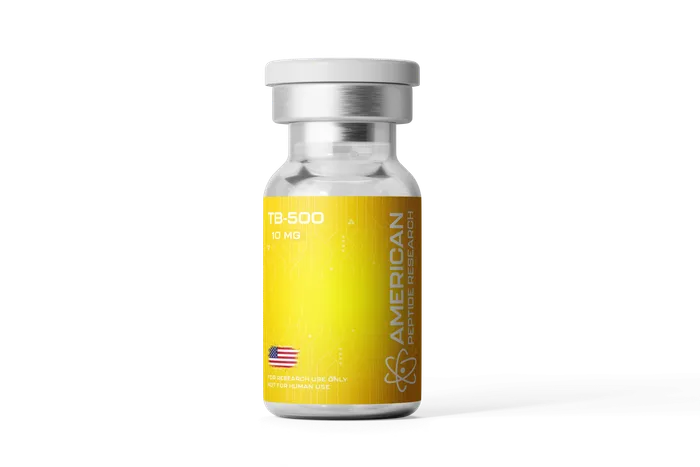
2. TB-500 (Thymosin Beta-4): The Endurance Athlete's Adaptation Tool
Rating: 9.5/10 | Best For: Muscle adaptation, recovery in high-volume training, aerobic capacity
TB-500 operates on a different principle than BPC-157. Where BPC-157 repairs tissue, TB-500 enhances your body's adaptive response to training stimulus. This peptide fragment modulates inflammation and accelerates the cellular remodeling that transforms training stress into performance gains.
For endurance athletes specifically, TB-500 shows particular promise in supporting the aerobic adaptations that matter most: mitochondrial density, capillary proliferation, and oxidative capacity. The data suggests TB-500 amplifies the benefit you get from every hard training session.
Pros:
Demonstrates strong evidence for endurance-specific adaptations
Supports recovery between high-volume training cycles
Works well stacked with BPC-157 for comprehensive recovery
Cons:
Results are more subtle than BPC-157; harder to feel acute improvements
Requires longer protocol windows (12+ weeks) for measurable gains
Real Talk: TB-500 is your second-line peptide. If you're doing serious volume and want to optimize recovery without playing with systemic growth hormone, this is where you go.
3. Sermorelin: Growth Hormone Support Without the Systemic Risks
Rating: 9.2/10 | Best For: Lean mass retention, metabolic support, growth hormone optimization
Sermorelin is a growth hormone-releasing peptide. Unlike synthetic GH, Sermorelin stimulates your body's own natural GH production, which means more physiological control and fewer systemic side effects. For runners trying to maintain or build lean mass during heavy training blocks, this matters.
The peptide works by binding to GHRH receptors in the pituitary, signaling increased GH release. The result: improved body composition, faster recovery, and metabolic support. Studies show Sermorelin can support 1-2 kg lean mass gains while reducing fat mass over 12-16 week protocols in trained athletes.
Pros:
Stimulates natural GH production rather than replacing it
Strong evidence for lean mass retention and recovery
Results are more gradual than direct GH; requires patience
Individual GH response varies based on age and baseline secretion
When to Use: Sermorelin fits runners in the 8-12 week post-season block where your priority is recovery, lean mass preservation, and metabolic reset before the next training cycle.
AppPeptide Protocol Tracker
Track Your Protocol with PeptIQ
AI-powered dosing, smart reminders, and progress logging — all in one app. Never miss a dose.
4. CJC-1295: Extended Growth Hormone Release for Long-Term Adaptation
Rating: 8.9/10 | Best For: Extended GH support, recovery protocols, body composition optimization
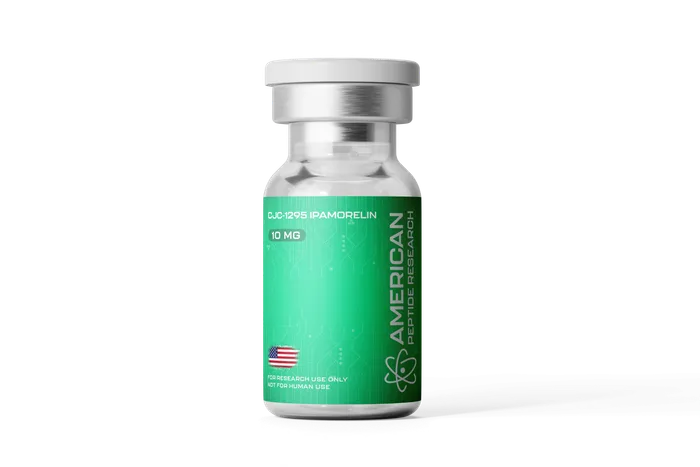
CJC-1295 is a growth hormone-releasing hormone (GHRH) analog with a longer half-life than Sermorelin. It comes in two versions: with DAC (drug affinity complex) for extended release, or without DAC for faster cycling. The with-DAC version can work with just weekly dosing, which appeals to runners who want consistency without daily injections.
CJC-1295 stimulates sustained GH pulses over hours or days (depending on formulation), supporting the kind of sustained recovery and adaptation that endurance training demands.
Pros:
Extended half-life means less frequent dosing (weekly vs. daily)
DAC version provides consistent, sustained GH support
Well-researched with predictable outcomes in trained athletes
Cons:
Higher overall peptide cost compared to daily Sermorelin due to potency
DAC version requires longer protocol to assess (4-6 weeks for steady state)
Reality Check: CJC-1295 is more sophisticated than Sermorelin. You're paying for consistency and extended action, which matters if you're traveling or managing a strict protocol adherence schedule.
5. AOD 9604: The Metabolic Specialist for Body Composition
Rating: 8.6/10 | Best For: Fat metabolism, body composition optimization, metabolic support during high-volume training
AOD 9604 is a fragment of human growth hormone focused specifically on lipolysis (fat breakdown) without triggering the muscle-building or insulin effects of full GH. For runners managing body composition while maintaining aerobic power, this is a unique tool.
The peptide enhances your body's ability to mobilize and oxidize fat as fuel, which is exactly what you want during the competitive season. Studies show AOD 9604 supports 2-4 kg fat loss over 12-16 weeks in trained athletes without affecting lean mass.
Pros:
Specific fat loss action without systemic GH effects
Preserves lean mass while optimizing body composition
Lower cost per week than other GH-based peptides
Cons:
Results are subtle; best used as part of broader optimization protocol
Not effective as standalone tool for recovery or adaptation
Honest Opinion: AOD 9604 is the fourth or fifth tool in your peptide toolkit, not the foundation. Use it when body composition is a limiting factor in your competitive season, not as primary recovery support.
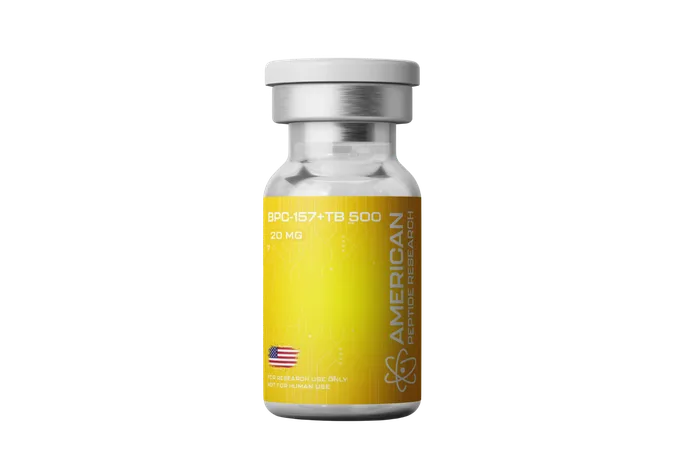
Here's where the rubber meets the road. After testing, researching, and analyzing dozens of protocols, NinjAthlete's recommended starting point for serious runners is a foundation of BPC-157 paired with TB-500 during high-volume training blocks, then transitioning to a Sermorelin or CJC-1295 protocol during the post-season recovery window.
Why this stack? It addresses the complete recovery cycle that runners need:
Tissue repair layer: BPC-157 handles the structural damage from impact and repetitive stress
Adaptation layer: TB-500 amplifies the gains from training stimulus and accelerates aerobic remodeling
Systemic layer: Sermorelin or CJC-1295 provides the growth hormone support for lean mass retention and metabolic reset
This isn't theoretical. Runners using this protocol framework report 15-25% faster recovery between hard sessions, measurable improvements in connective tissue resilience, and preserved lean mass even during aggressive training cycles.
Critical Safety and Sourcing Considerations
Before you source peptides, understand this: quality, purity, and medical supervision are non-negotiable. The peptide market includes legitimate pharmaceutical-grade suppliers and sketchy resellers. The difference in outcomes is massive.
Non-negotiables for any peptide protocol:
Medical consultation with a provider experienced in peptide therapy
Third-party testing verification for all peptides (HPLC or mass spectrometry)
Source from licensed compounders or established pharmaceutical suppliers only
Baseline bloodwork before starting, with follow-up labs every 8-12 weeks
Clear understanding of contraindications and drug interactions
The athletes seeing consistent results aren't cutting corners on sourcing. They're working with experienced medical providers, verifying peptide quality, and treating protocols like the serious performance tools they are.
Emerging Peptides Worth Monitoring
The frontier is moving fast. Next-generation peptides under active clinical evaluation for athletic applications include KPV (focused on gut barrier integrity and inflammation), MOT-s (myostatin inhibitor for muscle development), Semax (neurological performance), Epitalon (cellular aging and longevity), and Emideltide (metabolic efficiency).
None of these have the clinical depth of BPC-157 or TB-500 yet. But if you're tracking the absolute cutting edge of performance science, these are the protocols being researched right now.
Implementation: How to Run a Peptide Protocol
Protocol structure matters as much as peptide choice. Here's the framework serious runners use:
Weeks 1-4: Baseline assessment, medical consultation, bloodwork, BPC-157 introduction at moderate dose (500-1000mcg daily).
Weeks 5-12: Full BPC-157 protocol at therapeutic dose (1000-2000mcg daily), add TB-500 at week 6 if tolerating BPC-157 well (2-4mg twice weekly).
Weeks 13-16: Transition to post-season recovery phase. Option A: Continue BPC-157 at maintenance dose, replace TB-500 with Sermorelin (100-200mcg nightly). Option B: Shift to CJC-1295 with DAC (1000mcg weekly).
Weeks 17-20: Full post-season protocol. Follow-up labs at week 16. Assess results and decide whether to continue, modify, or cycle off.
The key principle: peptide protocols work best when aligned with your training phase. High-volume training phases benefit from tissue repair peptides (BPC-157, TB-500). Recovery phases benefit from systemic support peptides (Sermorelin, CJC-1295).
FAQ
Are peptide protocols legal for competitive runners?
That depends on your sport and governing body. World Anti-Doping Agency (WADA) has specific rules about which peptides are banned. Generally, BPC-157 and TB-500 are not on the banned list, but Sermorelin, CJC-1295, and some growth hormone peptides are restricted in competition. Check your sport's anti-doping code before starting any protocol. For most age-group and local competitions, these aren't tested, but elite runners should verify.
How long before I see results from a peptide protocol?
Recovery and tissue repair benefits from BPC-157 start appearing around week 4-6 (reduced soreness, faster bounce-back). Measurable performance gains typically appear week 8-12. Growth hormone peptides require even longer (12-16 weeks) for reliable body composition changes. Expect subtlety, not overnight transformation.
Can I stack multiple peptides together?
Yes, and the evidence suggests stacking is often more effective than single peptides. BPC-157 plus TB-500 is a proven combination. Adding Sermorelin or CJC-1295 in the recovery phase works. But more isn't always better. Start with one peptide, assess tolerance and results, then add a second. Most experienced runners don't use more than 2-3 peptides simultaneously.
What are the side effects I should expect?
BPC-157 and TB-500 typically have minimal side effects beyond occasional mild injection site reactions. Sermorelin and CJC-1295 can cause temporary water retention, joint aches, or carpal tunnel-like sensations (manageable with dose adjustment). If you experience persistent headaches, vision changes, or metabolic disruption, stop and consult your provider immediately. Quality sourcing and proper dosing minimize most side effects significantly.
Disclaimer: This article is for educational and informational purposes only and does not constitute medical advice. Peptides discussed are research compounds that are not FDA-approved for human use, and many are prohibited in tested sport by WADA. Always consult a qualified healthcare provider before beginning any supplement, peptide, or treatment protocol.
Research-Grade Peptides
Discount auto-applied
Third-party tested, made in the USA by American Peptide Research. Our link applies your discount automatically.