Peptide Dosing Schedule: Complete Protocol Guide for Athletes
Master peptide dosing schedules with loading phases, exact dose conversions, and maintenance protocols. Learn the math, the timing, and the mistakes that cost most athletes months of progress.
11 min readAugust 4, 2026
NA
NinjAthlete Team| Updated: September 17, 2026
Medical Disclaimer: This article is for educational and informational purposes only. It is not intended as medical advice, diagnosis, or treatment.
Always consult a qualified healthcare professional before starting any peptide protocol, supplement regimen, or training program. Sources are cited with DOI/PubMed links where available. Read our editorial policy
A solid peptide dosing schedule is the difference between results and wasted money. If you're serious about recovery optimization and performance gains, you need to understand loading phases, maintenance windows, and exact dosing calculations before you start.
Here's the reality: most athletes wing their peptide protocols. They guess at doses, skip the loading phase, or miscalculate their units on the syringe. That's how you leave gains on the table and risk inconsistent results. The right approach is methodical, traceable, and backed by how your body actually responds to these compounds.
This guide breaks down everything you need to know about peptide dosing schedules so you can execute a protocol that actually works.
Before you even think about needles, you need unit conversion locked down. This is non-negotiable.
Standard dose conversion: 1 mg equals 1,000 micrograms (mcg). A typical single dose of 250 mcg equals 0.25 mg. On a U-100 syringe, that's 10 units or 0.10 mL of liquid. Sounds simple, but dosing errors happen because athletes skip this step.
Standard vials contain enough powder to yield approximately 20 doses once reconstituted with bacteriostatic water. Knowing your vial capacity helps you plan your protocol timeline and avoid running short mid-cycle.
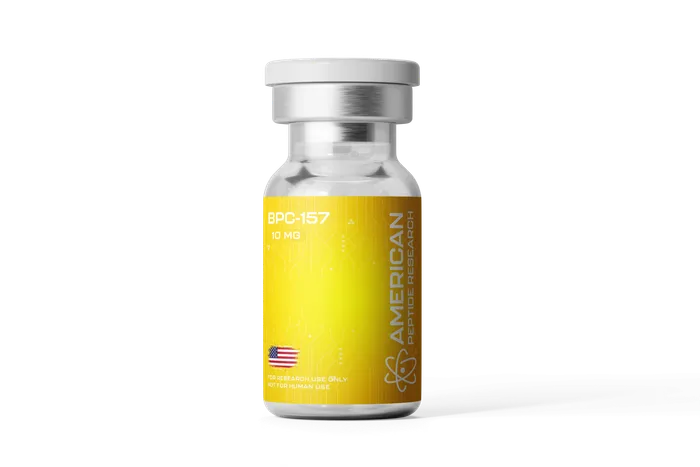
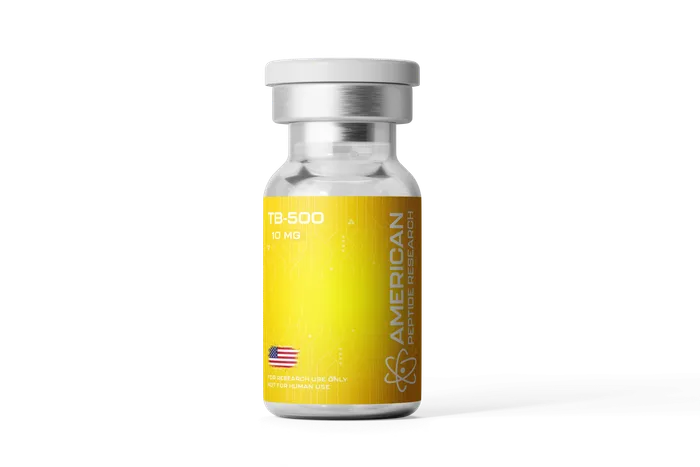
The five leading peptides in 2026 are BPC-157, TB-500, Sermorelin, CJC-1295, and AOD 9604. Each has distinct applications and dosing windows. BPC-157 targets muscle repair and recovery. TB-500 supports endurance capacity and connective tissue health. Sermorelin and CJC-1295 optimize growth hormone release. AOD 9604 focuses on metabolic support and body composition.
Your peptide dosing schedule depends entirely on which compound you're using and your performance goal. NinjAthlete breaks down protocol-specific guidance across all major compounds, so you can match your schedule to your actual training cycle.
The Loading Phase: Getting Therapeutic Levels Fast
The loading phase is where most athletes mess up. You can't just jump into maintenance dosing and expect consistent results. Your body needs saturation.
Standard loading protocol: 2 to 5 mg administered twice weekly for 4 to 6 weeks. This establishes therapeutic peptide levels in your system faster than gradual titration. Think of it as priming the pump before steady-state operation begins.
Why twice weekly? Peptides have half-lives measured in hours to days. Splitting your weekly dose into two administrations keeps plasma levels more stable and reduces the valley effect between injections. You're maintaining a more consistent therapeutic window.
The 4 to 6 week timeline isn't arbitrary. Most athletes see measurable recovery improvements and performance markers shift within this window. Recovery time between hard sessions drops. Soft tissue adaptation accelerates. Sleep quality often improves.
Loading phase dosing is aggressive on purpose. You're flooding your system with enough peptide signal to trigger consistent adaptation. Once you hit that threshold, you drop to maintenance. Don't skip this step thinking you can go lighter and extend the timeline. Clinical research shows the loading approach delivers faster and more reliable results.
Maintenance Phase: Sustaining Your Gains
After your loading phase completes, you transition to maintenance. This is where your peptide dosing schedule becomes sustainable long-term.
Standard maintenance protocol: 2 mg once weekly following the initial 4 to 6 week loading period.
That's a major dose reduction from loading, but it's intentional. Maintenance dosing keeps peptide levels elevated enough to sustain the adaptations your loading phase triggered. You're not chasing new gains here. You're defending the ones you already made.
Weekly dosing simplifies your schedule. One injection per week is easier to track, easier to remember, and easier to monitor for side effects. Your peptide remains active in your system long enough that weekly administration maintains therapeutic levels without oversaturation.
Most athletes stay on maintenance for 8 to 12 weeks total, then take a break. This cycling prevents receptor desensitization and keeps your body responsive to peptide signaling. If you run the same protocol year-round without breaks, you'll notice efficacy drops. Your body adapts to constant stimulation.
Reconstitution and Unit Conversion: Math You Can't Skip
Reconstitution is where precision matters most. One mistake here cascades through your entire protocol.
Your vial comes as lyophilized powder. You add bacteriostatic water to reconstitute it. The amount of water you add determines how concentrated your final solution is. Less water equals higher concentration per unit on your syringe. More water equals lower concentration.
Here's the critical part: calculate your concentration before you inject anything. If your vial contains 20 mg of peptide and you add 2 mL of bacteriostatic water, your final concentration is 10 mg per mL. When you draw 0.1 mL on your syringe, you're getting exactly 1 mg.
Most athletes use this standard: 1 mg peptide per 0.1 mL of reconstituted solution. It makes math simple. You draw 0.25 mL to get 2.5 mg. You draw 0.5 mL to get 5 mg. If you're running a loading dose of 5 mg twice weekly, that's 0.5 mL twice weekly on your U-100 syringe.
Write your concentration on the vial itself. Date the vial. Track your injections in a log. Seriously. You need traceability so you can correlate doses with actual results and side effects. NinjAthlete users often reference their peptide logs months later to understand what worked and what didn't.
AppPeptide Protocol Tracker
Track Your Protocol with PeptIQ
AI-powered dosing, smart reminders, and progress logging — all in one app. Never miss a dose.
Some athletes prefer titration schedules instead of standard loading phases. This is the conservative approach. You start with smaller doses and gradually increase over weeks.
A typical titration schedule begins at 250 mcg once weekly for two weeks. Week three, you move to 250 mcg twice weekly. Week four, you step up to 500 mcg twice weekly. By week six, you've reached your target maintenance dose without the aggressive saturation of standard loading.
Titration works if you're sensitive to compounds, running multiple peptides simultaneously, or just prefer erring on the side of caution. The tradeoff: you'll reach therapeutic levels slower, so your results lag behind a faster-loading protocol by 2 to 3 weeks.
Pick one approach and commit. Don't mix titration and loading. Consistency is how you learn what your body actually responds to.
Monitoring, Side Effects, and Protocol Adjustments
Once you're executing your peptide dosing schedule, tracking becomes essential. You need to know if the protocol is working and if you're experiencing any side effects.
Keep a simple log: injection date, dose amount, compound, injection site, and any observations. Recovery quality. Sleep. Energy levels. Any soreness, swelling, or localized reactions at injection sites. Appetite changes. Mood shifts. After 2 to 3 weeks of data, patterns emerge.
Most athletes tolerate peptides extremely well. Minor injection site soreness or slight appetite increase are common and harmless. More significant side effects warrant protocol adjustment or compound cessation. If you experience itching, redness, or warmth that doesn't resolve in 24 hours, consider rotating injection sites or spacing doses further apart.
Your peptide dosing schedule is not carved in stone. If you're not seeing results after a full loading phase, dose adjustment is appropriate. If you're experiencing side effects, dial back. If you're seeing exceptional results, you might hold steady rather than increasing. Evidence-based adjustments are smarter than rigidity.
Honest take: this is why consulting with a sports medicine professional familiar with peptide protocols matters. Your individual response, your training intensity, your recovery status, and your competition timeline all influence whether your dosing schedule should be standard or customized. NinjAthlete recommends discussing your protocol with a qualified practitioner before starting.
Stacking and Multi-Peptide Protocols
Advanced athletes often run multiple peptides simultaneously. The logic is sound: each peptide targets different recovery or performance mechanisms, so combining them amplifies results.
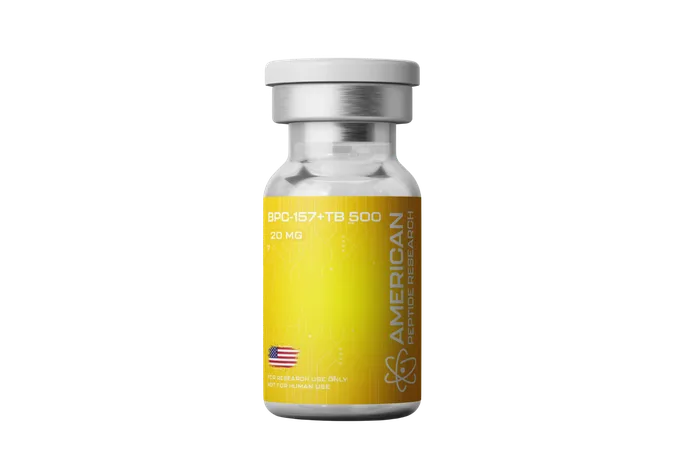
If you're stacking, your dosing schedule becomes more complex. Standard approach: use lower doses of each compound rather than full doses of each. Instead of full-load BPC-157 plus full-load TB-500, you might run 2.5 mg BPC-157 twice weekly plus 2.5 mg TB-500 twice weekly.
This reduces total injection volume, minimizes side effects, and often delivers better results than single-compound protocols. Your peptides work synergistically rather than redundantly.
Never stack more than two or three peptides in your first cycle. You won't know which compound is delivering results if you're running five at once. Start simple, measure outcomes, then add complexity if warranted.
Regulatory Status and Approved vs. Unapproved Compounds
This matters for your decision-making. Current regulatory status varies by peptide and jurisdiction. Some peptides are approved for specific clinical applications. Others exist in a research-only category. Know the distinction before sourcing.
As of 2026, the regulatory landscape continues evolving. NIH resources track peptide research classification changes, so bookmark those updates. Your dosing schedule legitimacy depends partly on using compounds from reputable, regulated sources.
NinjAthlete refuses to settle for average, which includes refusing to recommend veterinary-grade peptides, unregulated manufacturing, or compounds sourced from questionable suppliers. Your protocol is only as good as the purity and consistency of your compounds.
Frequency and Cycling: When to Take Breaks
Your peptide dosing schedule needs rest periods. This is counterintuitive but critical.
Standard approach: 12 weeks on protocol, 4 weeks off. This prevents receptor desensitization and keeps your body responsive to peptide signaling. If you run the same schedule year-round, efficacy drops steadily.
During your off weeks, your body consolidates adaptations. Recovery mechanisms stay elevated. Muscle gains stabilize. Connective tissue remodeling completes. When you restart your protocol after the break, your body responds aggressively again.
Some athletes run longer cycles: 16 weeks on, 6 weeks off. Some prefer shorter: 8 weeks on, 2 weeks off. The principle is identical. Cycling maintains responsiveness.
Track your cycles just like you track your doses. Consistency in cycling is as important as consistency in dosing. NinjAthlete performance athletes build their entire training calendar around peptide cycles, matching protocol timing to competition schedules and hard training phases.
Common Dosing Mistakes and How to Avoid Them
Mistake one: Skipping the loading phase and expecting maintenance-dose results. Loading exists for a reason. Therapeutic levels take time to establish. You can't rush saturation.
Mistake two: Miscalculating unit conversions and accidentally overdosing or underdosing. Math matters. Double-check your calculations. If you're unsure, ask a healthcare provider to verify your math before you inject.
Mistake three: Not reconstituting properly or using contaminated bacteriostatic water. Your reconstitution protocol is as important as your dosing schedule. Poor reconstitution leads to inconsistent doses and potential infection risk.
Mistake four: Running the same protocol with zero cycling and expecting results to continue. Your body adapts. Cycling is mandatory for long-term efficacy.
Mistake five: Stacking too many peptides at once and not knowing which compound is actually working. Simplicity teaches you what works. Complexity teaches you nothing.
What if I miss a dose?
Don't panic. If you miss a loading-phase dose, take it as soon as you remember. If it's within 48 hours of your scheduled injection, dose normally. If it's been longer, skip that dose and resume your regular schedule the next injection day. Missing one dose in a loading phase is not catastrophic. Your therapeutic levels don't collapse in 48 hours.
If you miss a maintenance dose, same approach. Dose within 48 hours if possible. If not, resume your regular weekly schedule. One missed maintenance dose won't undo your progress.
Can I adjust my peptide dosing schedule mid-cycle?
Yes, but with intention. If you're experiencing side effects, reduce your dose by 25 to 50 percent and reassess after one week. If you're seeing exceptional results and want to push harder, increase by 1 mg per week and monitor closely. If you're seeing zero results after four weeks of loading, a dose increase or compound switch is warranted.
The key: make one change at a time and measure the outcome. If you change doses and injection frequency simultaneously, you won't know which variable drove the result.
How do I know which peptide dosing schedule is right for me?
Start with your primary performance goal. Muscle repair and recovery? BPC-157 loading at 2 to 5 mg twice weekly. Growth hormone optimization? Sermorelin or CJC-1295 at similar loading doses. Metabolic support? AOD 9604 at 2 to 3 mg twice weekly during loading.
Your training cycle also matters. If you're in a heavy strength phase, lean toward recovery-focused peptides. If you're in an endurance phase, TB-500 makes sense. Your dosing schedule should align with your actual training demands, not generic templates.
What's the difference between peptide dosing for competitive athletes versus general fitness?
Scale and precision. Competitive athletes running NinjAthlete-level protocols treat peptide timing and dosing as seriously as nutrition and sleep. They're testing protocols multiple times per year, tracking micro-outcomes, and optimizing ruthlessly. General fitness users often run one standard protocol and call it good. Both approaches work, but the competitive edge comes from iteration and specificity.
Disclaimer: This article is for educational and informational purposes only and does not constitute medical advice. Peptides discussed are research compounds that are not FDA-approved for human use, and many are prohibited in tested sport by WADA. Always consult a qualified healthcare provider before beginning any supplement, peptide, or treatment protocol.
Research-Grade Peptides
Discount auto-applied
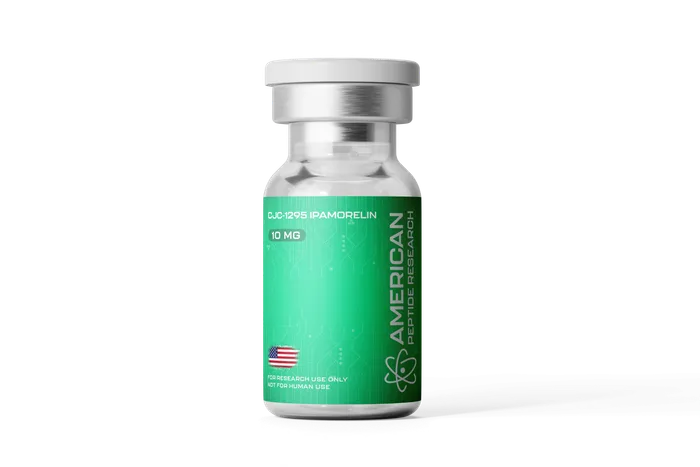
Third-party tested, made in the USA by American Peptide Research. Our link applies your discount automatically.