Peptide Encyclopedia: The Complete Guide for Athletes
A peptide encyclopedia isn't just a list of compounds—it's your reference guide to understanding what actually works for recovery, strength, and endurance. We've broken down the research so you know exactly what you're looking at.
8 min readSeptember 14, 2026
NA
NinjAthlete Team| Updated: September 17, 2026
YOUR POST-TRAINING ROUTINE
Make room for recovery.
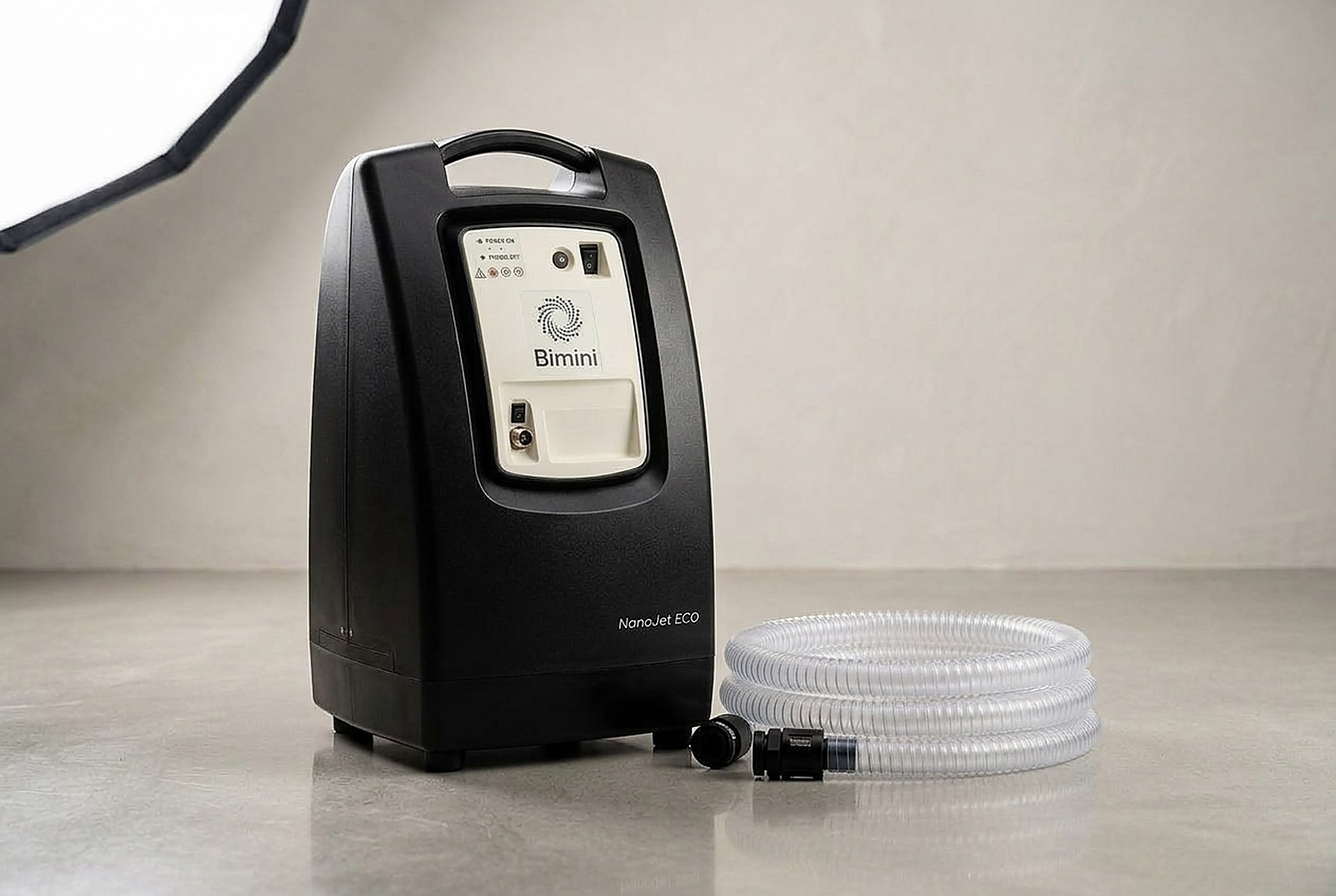
Get to know Bimini’s warm-water nanobubble system. Compare home options and see how the setup fits your routine.
Bimini NanoJet® Eco
$9,650.00$8,685.00
With NINJA • Before shipping and tax. Final offer confirmed by Bimini.
Partner offer: Daniel Rivas, NinjAthlete’s founder, is Bimini’s marketing director. NinjAthlete may earn a commission from purchases through these links.
Medical Disclaimer: This article is for educational and informational purposes only. It is not intended as medical advice, diagnosis, or treatment.
Always consult a qualified healthcare professional before starting any peptide protocol, supplement regimen, or training program. Sources are cited with DOI/PubMed links where available. Read our editorial policy
A peptide encyclopedia is your single source for understanding peptide compounds, their mechanisms, dosing protocols, and real-world applications for athletic performance. If you're serious about optimization, you need to know what these molecules do, how they work, and whether the hype matches the science.
Here's the honest truth: peptides are everywhere in performance circles right now, but most athletes don't actually understand what they're researching. A solid peptide encyclopedia changes that. It gives you the peer-reviewed data, the dosing specs, the timing protocols, and the side effect profiles all in one place.
What Is a Peptide Encyclopedia and Why You Need One
A peptide encyclopedia is a comprehensive, science-backed database of peptide compounds organized by mechanism of action, athletic application, and clinical evidence. Think of it as a reference manual for anyone serious about understanding peptide therapy protocols before committing time or resources.
The best versions include 46+ peptide profiles, each with detailed information cards showing half-life, reconstitution methods, administration timing, dosing ranges, and documented side effects. That's not hype—that's actionable data.
Why do you need this? Because the peptide space has exploded in the last few years, but the scientific evidence hasn't kept pace. A good encyclopedia separates what's actually supported by peer-reviewed research from what's just marketing noise. NinjAthlete helps athletes build evidence-based optimization strategies, and understanding peptides is a critical part of that framework.
Key Components of a Comprehensive Peptide Encyclopedia
When you're evaluating a peptide encyclopedia, you're looking for specific structural elements that make the information actually useful.
Individual Compound Profiles
Each peptide should have its own detailed card. That card needs to include mechanism of action (how it actually works), half-life (how long it stays active), dosing protocols (ranges based on athletic goal), administration timing (when to inject or administer), and comprehensive side effect profiles (what can actually go wrong).
A real encyclopedia lists 26+ cataloged peptides with this level of detail. Generic overviews don't cut it if you're trying to make an informed decision.
Peer-Reviewed Research Citations
This is non-negotiable. Every claim should trace back to published research or clinical observation. Look for DOI citations, journal names, and dates. If a peptide encyclopedia can't back up its claims with evidence, you're reading marketing material, not reference data.
Clinical Pharmacist Review
The best peptide encyclopedias are vetted by board-certified clinical pharmacists who assess medical credibility and flag where evidence is incomplete. This matters because many peptide applications in athletics are still being researched. You need to know what's settled science versus what's promising but unproven.
Dosing and Reconstitution Specifications
This is where theory becomes practice. A complete encyclopedia tells you how to properly reconstitute freeze-dried peptides (water type, volumes, temperature), exact dosing ranges by body weight or athletic goal, injection frequency, and timing relative to training or meals.
How Athletes Are Actually Using Peptide Data
The athletic demand for peptide information has spiked significantly. Competitive athletes and HYROX runners specifically are looking to optimize musculoskeletal recovery, collagen synthesis, and endurance capacity—all areas where specific peptides show promise.
But here's the critical gap: despite growing popularity in sports, the scientific data supporting many peptide applications remains incomplete or inconclusive. That's not a reason to dismiss them entirely. It's a reason to verify claims against peer-reviewed evidence before you commit.
NinjAthlete emphasizes evidence-based strategy over trend-following. A peptide encyclopedia is the tool that lets you do that. You're not following Instagram hype. You're reviewing what research actually says about recovery, strength, and longevity.
How to Use a Peptide Encyclopedia for Performance Optimization
Step 1: Define Your Performance Goal
Are you optimizing for musculoskeletal recovery? Collagen synthesis? Endurance capacity? Muscle protein synthesis? Your goal determines which peptides are relevant. Don't browse the encyclopedia randomly—start with what you're actually trying to improve.
Step 2: Cross-Reference Your Goal Against Mechanism of Action
A good encyclopedia organizes peptides by what they actually do—not by brand name or popularity. Find peptides whose mechanism of action matches your goal. Read the peer-reviewed citations. See what the clinical evidence actually supports.
Step 3: Review the Full Safety and Dosing Profile
Half-life matters. Dosing range matters. Administration timing matters. Side effects matter. A peptide encyclopedia gives you all of this in one card so you can make an informed decision about whether this compound is right for you.
Step 4: Assess the Evidence Quality
Is the supporting research in-vitro (test tube), animal model, or human clinical trial? Is it peer-reviewed? How recent? A solid encyclopedia grades the evidence for you. Some applications are well-established. Others are promising but preliminary. You need to know the difference.
AppPeptide Protocol Tracker
Track Your Protocol with PeptIQ
AI-powered dosing, smart reminders, and progress logging — all in one app. Never miss a dose.
Not all peptide references are created equal. Watch for these warning signs.
No DOI citations or journal references. If claims aren't traced back to published research, you're reading opinion, not reference data.
Vague dosing protocols. "Take 5-10 IU" without body weight, timing, or goal context isn't useful guidance.
No mention of side effects. Every compound has a risk profile. An encyclopedia that glosses over safety is incomplete.
No distinction between evidence levels. Is this supported by multiple human clinical trials or a single animal study? You need to know.
Conflicting information. If the encyclopedia contradicts itself or has outdated citations, credibility is compromised.
A reference you can trust is reviewed by clinical experts, cites peer-reviewed research, documents side effects honestly, and clearly distinguishes between well-established applications and emerging research.
Building Your Personal Peptide Research Framework
A peptide encyclopedia is a starting point, not the end of your research. Once you've identified a candidate compound, you should:
Review the original peer-reviewed papers cited in the encyclopedia.
Check PubMed for the most recent clinical data on that specific peptide.
Consult with a clinician experienced in peptide protocols before starting any regimen.
Document your own response metrics (recovery speed, training capacity, bloodwork changes) so you can assess whether the peptide is actually working for you individually.
Remember: the evidence base for peptides in athletic performance is still being built. What's supported today might be contradicted by better research tomorrow. Stay skeptical. Demand citations. If something sounds too good to be true, it probably hasn't been tested thoroughly yet.
Where to Find a Credible Peptide Encyclopedia
A few resources stand out for comprehensive, clinically-reviewed peptide information:
Peptidepedia: Operates as an independent encyclopedia reviewed by board-certified clinical pharmacists with 46+ peptide compounds cataloged, detailed info cards, and graded evidence levels.
Peer-reviewed journal databases: Google Scholar and PubMed let you search primary research directly and see how recent the data actually is.
Clinical reference sites: Mayo Clinic and similar academic medical centers occasionally publish peptide overviews with evidence-based assessments.
If you're building an optimization protocol—whether that's for HYROX training, endurance sport, or strength development—start by understanding what's actually proven before you commit resources. NinjAthlete focuses on performance strategies backed by real evidence, and that starts with knowing what peptides can and cannot do based on current science.
The Bottom Line on Peptide Encyclopedias
A peptide encyclopedia is essential reference material if you're serious about evidence-based optimization. It gives you 46+ compound profiles, clinical pharmacist review, peer-reviewed citations, and honest assessment of where the science is strong versus where it's still preliminary.
The key is using the encyclopedia as a starting point for deeper research, not as a substitute for clinical guidance. Peptide therapy protocols work best when they're personalized to your specific goals, physiology, and training context. That's where clinical expertise comes in.
Refuse to settle for average. That means refusing to settle for incomplete information too. Use a credible peptide encyclopedia to understand what you're considering, verify claims against peer-reviewed evidence, and make decisions based on data instead of hype.
What's the difference between a peptide and a protein?
Proteins are long chains of amino acids (typically 50+ amino acids). Peptides are shorter chains (2-50 amino acids). This matters because peptides are absorbed more easily, have faster half-lives, and can target specific physiological responses more precisely than whole proteins. In an athletic context, that's why peptides are the focus of most research and optimization protocols.
How long do peptides stay in your system?
Half-life varies dramatically by compound. Some peptides clear in minutes (like GLP-1 variants). Others persist for hours. A solid peptide encyclopedia documents half-life for each compound so you can time dosing appropriately. This is why dosing frequency and timing recommendations are so specific—they're designed to maintain therapeutic levels based on how quickly your body breaks down the peptide.
Are peptides legal for athletes?
Legality depends on the specific peptide, your sport's governing body, and local jurisdiction. Some peptides are approved for clinical use. Others are research compounds with no FDA approval. Most sports organizations have banned lists that exclude certain peptides from competition. A credible peptide encyclopedia will note regulatory status for each compound. Always verify legality and sport eligibility before any protocol.
Can you get side effects from peptides?
Yes. Every bioactive compound has a risk profile. Common side effects include injection site reactions, headaches, nausea, or suppression of natural hormone production depending on the peptide. Some peptides carry cardiovascular or metabolic risks. This is exactly why a comprehensive peptide encyclopedia documents side effects honestly instead of glossing over them. The risk-benefit calculation is personal and depends on your health status, training goals, and tolerance for risk.
Disclaimer: This article is for educational and informational purposes only and does not constitute medical advice. Peptides discussed are research compounds that are not FDA-approved for human use, and many are prohibited in tested sport by WADA. Always consult a qualified healthcare provider before beginning any supplement, peptide, or treatment protocol.
Research-Grade Peptides
Discount auto-applied
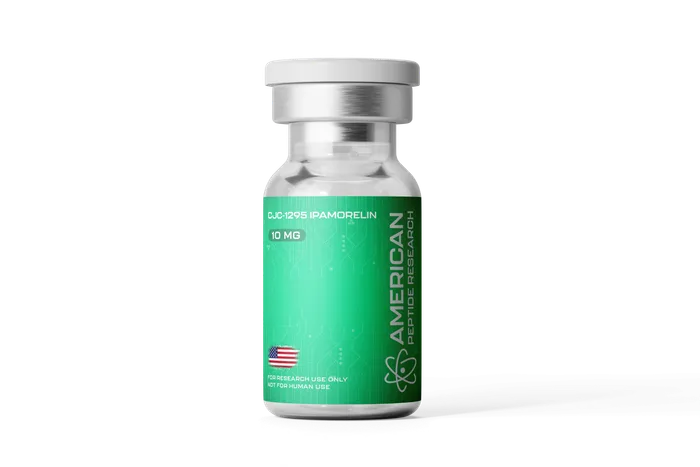
Third-party tested, made in the USA by American Peptide Research. Our link applies your discount automatically.
Partner offer: Daniel Rivas, NinjAthlete’s founder, is Bimini’s marketing director. NinjAthlete may earn a commission from purchases through these links.
Was this article helpful?
PeptidesPeptide
For educational purposes only — not medical advice. Consult a healthcare professional before starting any peptide protocol. Editorial policy