Best Peptide Therapy Research Guide for Athletes in 2026
Peptide therapy research shows promise but the clinical evidence is still developing. Here's what the actual science says about safety, efficacy, and whether competitive athletes should consider it.
6 min readAugust 26, 2026
NA
NinjAthlete Team| Updated: September 17, 2026
Medical Disclaimer: This article is for educational and informational purposes only. It is not intended as medical advice, diagnosis, or treatment.
Always consult a qualified healthcare professional before starting any peptide protocol, supplement regimen, or training program. Sources are cited with DOI/PubMed links where available. Read our editorial policy
You're serious about performance optimization. You've dialed in your training, your nutrition, your recovery protocols. Now you're seeing peptide therapy research everywhere, and you're wondering: is this the next frontier for athletic gains, or marketing noise masquerading as science?
The honest answer is: it's complicated. But that's exactly why we're breaking down the actual state of peptide therapy research so you can make an informed decision without the hype.
If you're exploring performance enhancement strategies backed by evidence, NinjAthlete is built to help you navigate the science. Let's cut through the noise and talk about what the research actually shows.
What Peptide Therapy Research Actually Reveals
Peptide therapy didn't emerge from nowhere. The foundation of this field comes from decades of legitimate research into natural human hormones like insulin, oxytocin, vasopressin, and gonadotropin. L Wang's foundational work (2022) established the scientific basis with over 2,675 citations, proving the concept has real academic weight.
But here's where things get murky.
Current peptide therapy research faces significant hurdles. Liu's 2025 analysis identified critical physical and chemical instabilities that make peptides difficult to formulate and deliver effectively. Translation: the science of making peptides work in your body is still being figured out.
The gap between what's being marketed and what's clinically proven is real. You'll see claims about increased energy, enhanced focus, improved mood, accelerated fat loss, and increased strength everywhere. Some of these applications are being explored in sports medicine for injury recovery, which is promising.
But robust clinical evidence supporting widespread use? That's still developing. More rigorous studies are needed to validate the safety profiles and efficacy claims before you can treat peptide therapy as a proven performance tool.
The Current Research Status: What You Need to Know
As of 2026, peptide therapy sits in an awkward middle ground. It's not fringe science, but it's not mainstream medicine either.
Safety and effectiveness questions remain unresolved despite growing popularity. This isn't to say peptides are dangerous or ineffective, but rather that the evidence base is incomplete. You're not dealing with a mature field where long-term safety data and large-scale efficacy trials have been completed.
For competitive athletes and biohackers, this matters. You refuse to settle for average, which means you also refuse to settle for unclear risk profiles.
NinjAthlete's approach is straightforward: we prioritize peer-reviewed evidence and DOI citations. If the research doesn't back it, we don't recommend it. Peptide therapy research is still in the evidence-building phase, which means caution is warranted.
According to research published in PubMed Central, the therapeutic peptide market is expanding rapidly, but clinical trial data lags behind commercial claims. The NIH acknowledges ongoing research gaps that need to be filled before widespread recommendations can be made.
Peptide Therapy Research for Injury Recovery: The Most Promising Application
If there's one area where peptide therapy research shows genuine promise for athletes, it's injury recovery and tissue repair.
Sports medicine professionals are actively exploring peptide applications for tendon and ligament healing, muscle recovery post-injury, and connective tissue repair. This is different from general performance enhancement. The mechanism is more specific and mechanistically plausible.
That said, "being explored" doesn't equal "proven effective." You need to understand the distinction between early-stage research and validated clinical protocols.
If you're considering peptide therapy for recovery, the research foundation requires medical consultation. You're not just optimizing a healthy system at that point, you're intervening in a repair process. That demands professional oversight.
AppPeptide Protocol Tracker
Track Your Protocol with PeptIQ
AI-powered dosing, smart reminders, and progress logging — all in one app. Never miss a dose.
Here's what the research consensus actually recommends:
Consult with a healthcare provider before considering peptide treatment. This isn't optional bureaucracy, it's evidence-based practice.
Request information on potential risks alongside benefits. If someone is only talking about upside, they're not being scientific.
Maintain an informed, evidence-based approach due to ongoing safety research. You wouldn't train blind, so don't supplement blind.
Verify the source and manufacturing standards of any peptide product. Unregulated manufacturing is a legitimate safety concern.
Track your own results if you proceed. Personal data matters, but it doesn't replace clinical evidence.
This isn't overly cautious. This is the standard that serious athletes should apply to any intervention claiming performance benefits.
How to Stay Informed as Peptide Therapy Research Evolves
Peptide therapy research is active and evolving. New studies are being published regularly. The field will likely mature significantly over the next 2-3 years as more rigorous clinical trials complete and long-term safety data accumulates.
Your job as a performance-focused athlete is to stay ahead of that curve without getting ahead of the evidence.
This means:
Following peer-reviewed publications in sports medicine and endocrinology journals, not popular fitness media.
Watching for large-scale randomized controlled trials, not anecdotal success stories.
Evaluating research from independent sources, not from companies selling peptides.
Understanding the difference between "promising early research" and "clinically validated protocol."
Platforms like NinjAthlete are built specifically to help serious athletes navigate this landscape. We track emerging research, we cite peer-reviewed sources, and we refuse to hype interventions until the evidence supports them.
The Bottom Line on Peptide Therapy Research for Athletes
Peptide therapy research is legitimate, ongoing, and shows some promising directions, especially for injury recovery and tissue repair. But it's not mature enough yet to be a standard recommendation for general performance enhancement.
Benefits are heavily marketed. Clinical evidence is still developing. This is the gap where hype lives.
If you're considering peptide therapy, your threshold should be high. Medical consultation is essential. The research is still being written, and you shouldn't be a footnote in an unfinished study.
Your performance optimization strategy should be built on the foundations that are proven first: training specificity, recovery quality, nutrition precision, and measured progress. Those aren't sexy, but they work.
Once those are locked in, then you can honestly evaluate emerging interventions like peptide therapy based on the actual evidence at that moment. That's the NinjAthlete approach, and it's why serious athletes trust evidence-based optimization over trend chasing.
Current research shows safety concerns remain unresolved. Physical and chemical instabilities make formulation challenging, and long-term safety data is limited. Any athlete considering peptides should consult a healthcare provider to understand potential risks specific to their situation and training load.
What does peptide therapy research say about performance gains?
Marketed benefits include increased energy, focus, strength, and fat loss. However, robust clinical evidence supporting these claims is still developing. The most promising research direction is injury recovery and tissue repair rather than general performance enhancement in healthy athletes.
How do I know if peptide therapy research is credible?
Look for peer-reviewed publications in established journals, citations in legitimate medical databases like PubMed, and research from independent sources rather than companies selling peptides. Be skeptical of testimonials and anecdotal evidence; prioritize large-scale randomized controlled trials.
When will peptide therapy research be conclusive?
The field is actively expanding, with more rigorous clinical trials underway. Expect clearer evidence within 2-3 years. Until then, peptide therapy remains in the evidence-building phase rather than the evidence-proven phase. Stay informed but don't get ahead of the research timeline.
Disclaimer: This article is for educational and informational purposes only and does not constitute medical advice. Peptides discussed are research compounds that are not FDA-approved for human use, and many are prohibited in tested sport by WADA. Always consult a qualified healthcare provider before beginning any supplement, peptide, or treatment protocol.
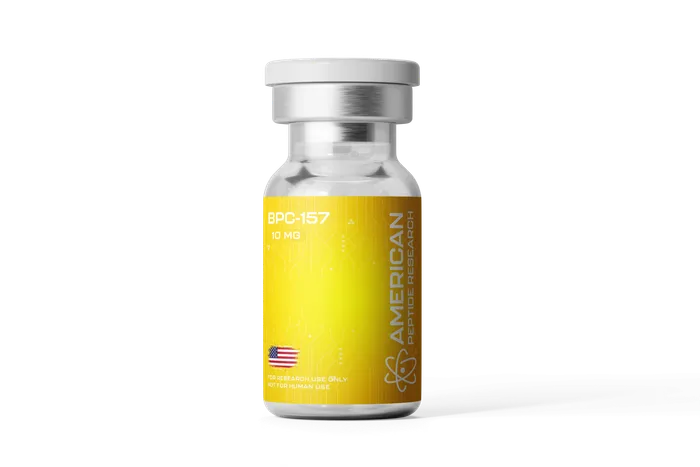
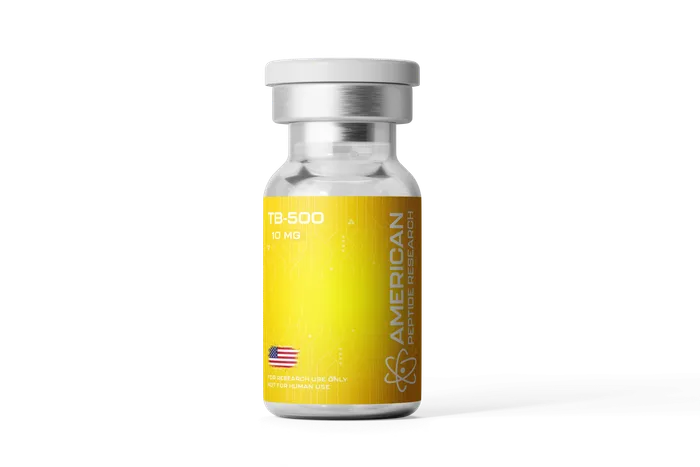
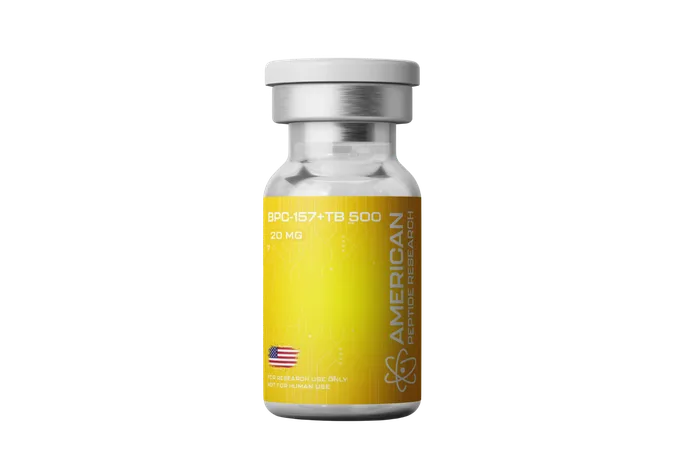
Research-Grade Peptides
Discount auto-applied
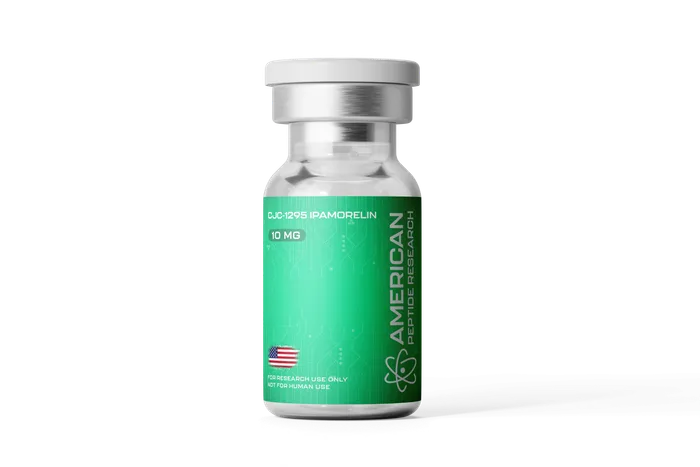
Third-party tested, made in the USA by American Peptide Research. Our link applies your discount automatically.