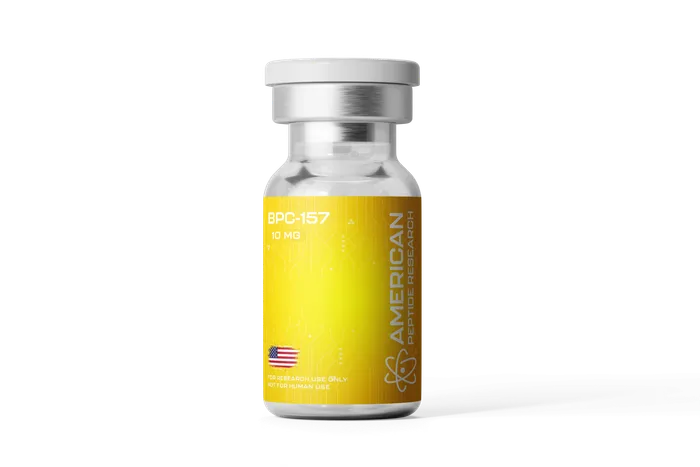
BPC 157 keeps popping up in performance circles. We broke down what it actually is, what the research says, and whether it's worth your attention.
7 min readAugust 27, 2026
NA
NinjAthlete Team| Updated: September 17, 2026
Medical Disclaimer: This article is for educational and informational purposes only. It is not intended as medical advice, diagnosis, or treatment.
Always consult a qualified healthcare professional before starting any peptide protocol, supplement regimen, or training program. Sources are cited with DOI/PubMed links where available. Read our editorial policy
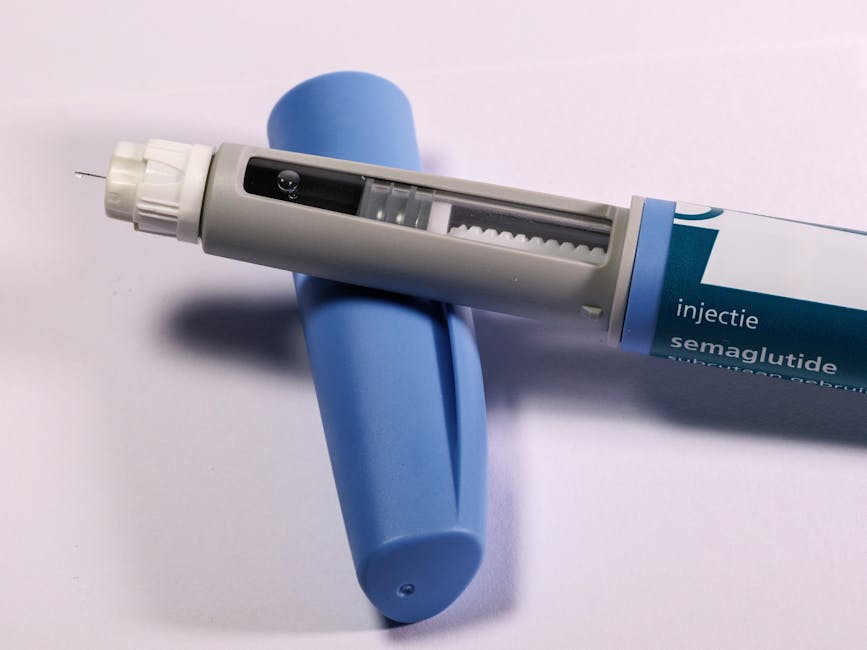
BPC 157 is a synthetic peptide made of 15 amino acids that's been getting serious attention in performance optimization circles. The name stands for "Body Protection Compound," and it was originally isolated from human gastric juice. But here's the honest take: most of what you've heard is hype mixed with legitimate preliminary research. Let's separate the signal from the noise.
What Exactly Is BPC 157?
BPC 157 is a laboratory-synthesized peptide, not something you extract from your body naturally. It's a pentadecapeptide, which just means it's made of 15 amino acids chained together.
The compound has been the subject of 42+ peer-reviewed studies as of 2025, mostly conducted in animal models and laboratory settings. That research suggests it might accelerate tissue repair in tendons, ligaments, and muscles, reduce inflammation markers, and potentially promote digestive tract healing.
But here's the critical distinction: suggesting something "might" do something is very different from proving it works in real athletes. The human clinical evidence remains limited compared to the animal studies.
When you dig into the literature, the picture becomes clearer. Most BPC 157 research has been conducted in laboratory and animal models. These studies consistently show intriguing results. But translating rat tendon repair into human athletic performance is not a straight line.
The claimed mechanisms sound compelling: tissue regeneration, reduced inflammation, improved blood flow. NinjAthlete reviews every new peptide study that drops, and we keep seeing the same pattern. Early-stage research suggests potential. Human trials suggest "more research needed."
Here's what makes this different from established supplements: exercise science lacks standardized dosing protocols for BPC 157, similar to what you'd get with a pharmaceutical prescription. You won't find an official "recommended dose for tendon repair in sprinters." That's a red flag for any performance compound.
What Are Athletes Actually Using It For?
In performance circles, you'll hear BPC 157 discussed for three main scenarios:
Tendon and ligament recovery. If you're dealing with chronic shoulder issues or knee strain, this is where most athletes experiment.
Muscle tissue repair. Some claim faster bounce-back from intense training blocks.
Digestive health. A smaller subset focuses on gut barrier integrity, especially relevant for HYROX athletes managing intense training stress.
The anecdotal reports are encouraging. But anecdotal isn't data. And data in humans is still thin.
The Critical Reality Check
Before you consider BPC 157, you need to understand what you're actually dealing with.
This is a laboratory-made compound, not FDA-approved for medical use. Current research demonstrates *potential*, not established efficacy in human athletes. The human clinical trial data is genuinely limited. And this is where most people go wrong: they assume "studied in 40 papers" means "proven to work." It doesn't.
BPC 157 exists in a gray zone. It's not an illegal substance. It's not a pharmaceutical drug. But it's also not something you'd get prescribed by a standard sports medicine doctor. That status matters because it means you're operating without the safety guardrails that come with established medical protocols.
If you're serious about evidence-based performance optimization, NinjAthlete recommends consulting with a board-certified sports medicine physician or peptide expert before considering any compound in this category. This isn't optional.
How BPC 157 Compares to Other Recovery Options
Here's a realistic hierarchy of what actually works for tissue repair:
Sleep and training structure. Still the foundation. No peptide beats consistent sleep and smart programming.
Nutrition and hydration. Protein timing, collagen intake, and micronutrient sufficiency move the needle more than most athletes realize.
Established recovery modalities. Cold water immersion, heat exposure, targeted mobility work. These have real data backing them.
Peptides and compounds with emerging evidence. BPC 157 sits here. Promising, but not proven in high-performance athletes.
The reason this hierarchy matters: too many athletes chase the flashy stuff before they optimize the basics. If your sleep is garbage or your training periodization is weak, adding BPC 157 is just noise.
AppPeptide Protocol Tracker
Track Your Protocol with PeptIQ
AI-powered dosing, smart reminders, and progress logging — all in one app. Never miss a dose.
Questions You Should Ask Before Considering BPC 157
If you're serious about exploring this route, you need answers to these questions first:
Have you optimized sleep, nutrition, and training structure already?
Do you have a specific, diagnosable issue (chronic tendon problem, documented ligament strain) or are you just chasing marginal gains?
Do you have access to a qualified healthcare provider experienced with peptide therapy?
Are you prepared to track objective markers (imaging, range of motion, performance metrics) to actually measure if something is working?
Do you understand the sourcing and quality control issues with compounds in this category?
If you can't answer those clearly, you're not ready for BPC 157.
The Sourcing and Quality Control Problem
This is where things get messy. BPC 157 isn't manufactured by major pharmaceutical companies under FDA oversight. It lives in the supplement/research peptide space, where quality control ranges from excellent to dangerous.
If you're considering this compound, sourcing matters more than the peptide itself. You need GMP manufacturing standards, third-party testing, and documentation. Anything less is basically an experiment on yourself.
The athletes who've had the best experiences with peptides generally work with specialized clinics that handle the sourcing, testing, and monitoring. That's not the same as buying something online and hoping for the best.
BPC 157 research is accelerating. We're likely to see more human trials in the next few years, particularly around tendon repair and tissue healing. NinjAthlete tracks emerging peptide research closely, and this is one we're watching.
But "more research coming" doesn't mean "start using it now." It means "stay informed and check back in 2027 or 2028 when we have better human data."
If you want to stay ahead of the curve on evidence-based performance optimization without jumping into unproven territory, that's where focused research and peer-reviewed tracking makes the difference.
The Bottom Line for Athletes
BPC 157 is a real compound backed by legitimate preliminary research. It shows promise for tissue repair and recovery. But it's not proven in human athletes yet, it's not medically standardized, and it exists in a regulatory gray zone.
That doesn't mean "never try it." It means "don't try it without expert guidance, a specific problem to solve, and a plan to measure whether it actually works for you."
The athletes who refuse to settle for average don't chase shiny objects. They master the fundamentals first, then carefully evaluate emerging tools when the evidence justifies it. Right now, BPC 157 is in the "emerging" category, not the "proven" category.
If you're looking for a comprehensive breakdown of what recovery protocols actually work with solid science backing them, NinjAthlete has detailed training and recovery guides built specifically for high-performance athletes. Start there before you explore peptides.
Does BPC 157 Have Side Effects?
The animal and laboratory studies suggest BPC 157 is generally well-tolerated with minimal adverse effects reported. But human safety data is limited. Any compound in this category carries unknown risks, especially at dosages beyond what's been formally studied. Work with a qualified healthcare provider if you're considering use.
Is BPC 157 Legal?
BPC 157 is not a controlled substance or illegal drug. It exists in a regulatory gray area as a research peptide. It's not FDA-approved for medical use, so it can't be marketed as a treatment. Availability and legality vary by jurisdiction. Check your local regulations and your sport's governing body rules before considering it.
How Long Does BPC 157 Take to Work?
There's no standardized timeline in human studies. Animal research suggests tissue repair effects occur over weeks to months, but this doesn't directly translate to human athletes. Individual response varies widely, and without objective tracking (imaging, performance metrics), it's difficult to separate placebo from actual effects.
Can BPC 157 Replace Physical Therapy?
No. Structured rehabilitation, progressive loading, and movement patterns are non-negotiable for tissue repair. Any peptide compound would only work alongside proper physical therapy, not instead of it. If you're considering BPC 157 for an injury, you need a qualified physical therapist as part of your protocol regardless.
Disclaimer: This article is for educational and informational purposes only and does not constitute medical advice. Peptides discussed are research compounds that are not FDA-approved for human use, and many are prohibited in tested sport by WADA. Always consult a qualified healthcare provider before beginning any supplement, peptide, or treatment protocol.
Research-Grade Peptides
Discount auto-applied
Third-party tested, made in the USA by American Peptide Research. Our link applies your discount automatically.