GLP-1 is technically a peptide, but it's not peptide therapy. Learn how it differs from performance peptides and what it actually means for your athletic goals.
5 min readAugust 14, 2026
NA
NinjAthlete Team| Updated: September 17, 2026
Medical Disclaimer: This article is for educational and informational purposes only. It is not intended as medical advice, diagnosis, or treatment.
Always consult a qualified healthcare professional before starting any peptide protocol, supplement regimen, or training program. Sources are cited with DOI/PubMed links where available. Read our editorial policy
You've heard the hype around GLP-1. Maybe you've seen it mentioned in fitness circles, biohacking forums, or athlete communities. The question that keeps coming up: is GLP-1 a peptide? The short answer is yes, technically. But that's where the simplicity ends. If you're serious about performance optimization, you need to understand what GLP-1 actually is, how it works, and whether it aligns with your athletic goals. That's where NinjAthlete comes in with the science-backed clarity you're looking for.
Is GLP-1 a Peptide? The Technical Answer
Yes, GLP-1 is a peptide in the strictest biochemical sense. A peptide is a short chain of amino acids linked together. GLP-1 (glucagon-like peptide-1) is exactly that: a short amino acid sequence. But here's where most people get confused. Just because something is a peptide doesn't mean it functions like what athletes typically call "peptide therapy."
GLP-1 medications (like Ozempic, Wegovy, or Mounjaro) are FDA-approved pharmaceutical drugs. They're synthetic versions designed to mimic your natural gut hormone that regulates blood sugar and appetite. Think of it this way: GLP-1 is a peptide the way a car is made of metal. Technically true, but it doesn't tell you whether it's a Tesla or a dump truck.
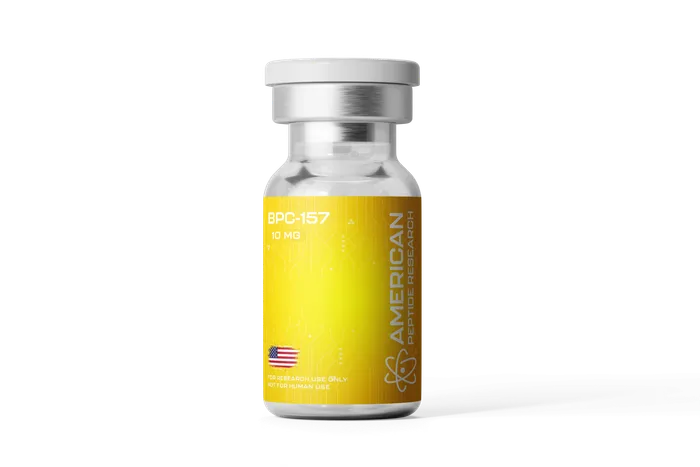
The distinction matters for athletes because GLP-1's mechanism is appetite suppression through hormone mimicry, not the metabolic and cellular support that performance peptides like MOTS-c or BPC-157 provide.
GLP-1 medications operate through a very specific pathway: they activate GLP-1 receptors in your gut and brain, which tells your body to slow gastric emptying, reduce appetite, and increase insulin sensitivity. It's a blunt-force hormone signaling tool.
Therapeutic peptides work differently. They're designed to support your body's own biological processes. A research-backed peptide might enhance mitochondrial function, support muscle recovery, or optimize metabolic signaling. These aren't suppressing your appetite; they're optimizing how your body performs at a cellular level.
For a competitive HYROX athlete or someone focused on measurable performance gains, this distinction is critical. GLP-1 addresses body composition through appetite reduction. Peptide therapy supports performance through metabolic optimization. They're solving different problems.
NinjAthlete's peptide protocols focus on the latter: evidence-based strategies that enhance athletic capacity, not pharmaceutical appetite suppressants.
Here's what the research actually shows. A 2025 UK survey of 2,300+ GLP-1 users found something interesting: 27% increased their fitness spending during treatment, while only 5% decreased it. That suggests people on GLP-1 are motivated to stay active and invested in their physique.
But there's a counterbalance you need to know. Studies on adults with obesity using GLP-1 receptor agonists show significantly decreased physical activity during treatment. Your appetite is suppressed, but your energy for training might suffer too. That's a tradeoff.
For competitive athletes, this matters. You need fuel for intensity. GLP-1 reduces that fuel signal, which could undermine your ability to push hard in training sessions or recover properly between efforts. It's not designed for performance enhancement; it's designed for weight management and blood sugar control.
If you're at a body composition goal already and want to optimize performance without appetite suppression, that's where evidence-based peptide protocols shine.
Why the Peptide Classification Matters (And Why It Doesn't)
The reason GLP-1 gets lumped into "peptide" conversations is partly marketing, partly biology. Yes, it's technically a peptide. But in the athlete and biohacking communities, "peptide therapy" has come to mean something specific: bioregulatory compounds that enhance physiological function, not pharmaceutical appetite suppressants.
GLP-1 is FDA-approved. It's regulated. It has clear therapeutic applications for diabetes and weight loss. That's legitimate. But it's not interchangeable with performance peptides, and conflating the two will lead you astray.
Think about your actual goal. If you're trying to drop body fat while maintaining performance, GLP-1 might create a training liability. If you're trying to optimize recovery, enhance endurance capacity, or improve metabolic resilience, you're looking at a different tool entirely. That's where NinjAthlete's science-backed approach to performance optimization becomes invaluable. We don't chase trends. We chase measurable gains backed by peer-reviewed research.
Practical Takeaway for High-Performance Athletes
GLP-1 is a peptide. GLP-1 is not peptide therapy in the sense that competitive athletes typically mean it. If you're considering GLP-1, understand that it's a pharmaceutical tool for appetite and blood sugar management, not performance enhancement. If you want to refuse to settle for average and actually optimize your physiology for athletic gains, explore evidence-based peptide protocols and training methodologies designed for your specific discipline.
Your training, your nutrition, your recovery protocols should be built on data and your actual performance goals. That's the NinjAthlete standard.
Frequently Asked Questions
Is GLP-1 the same as peptide therapy?
No. While GLP-1 is technically a peptide, it functions as an FDA-approved pharmaceutical drug targeting appetite suppression. Peptide therapy typically refers to bioregulatory compounds that support metabolic and cellular function. They operate through different mechanisms and serve different purposes for athletes.
Can I use GLP-1 and still train hard for HYROX or competitive sports?
Technically yes, but with caution. Research shows GLP-1 users often experience decreased physical activity during treatment due to reduced appetite and energy signaling. You'd need to consciously override your body's signals to fuel performance. For serious athletes, this creates friction that performance-focused peptides don't introduce.
What's a better alternative to GLP-1 if I want to optimize body composition and performance?
Start by evaluating your actual priorities. If you need weight loss, GLP-1 is FDA-approved and effective. If you need performance enhancement alongside body composition goals, explore evidence-based training periodization, nutrition optimization, and targeted peptide protocols that support your specific athletic discipline. NinjAthlete offers science-backed guides for exactly this scenario.
Are there peptides that work better for athletes than GLP-1?
It depends on your goal. Peptides like MOTS-c, BPC-157, and others are researched for recovery, endurance, and metabolic optimization. GLP-1 is researched for weight loss and diabetes. If your priority is measurable performance gains in your sport, peptides designed for athletic adaptation will serve you better than an appetite suppressant.
Disclaimer: This article is for educational and informational purposes only and does not constitute medical advice. Peptides discussed are research compounds that are not FDA-approved for human use, and many are prohibited in tested sport by WADA. Always consult a qualified healthcare provider before beginning any supplement, peptide, or treatment protocol.
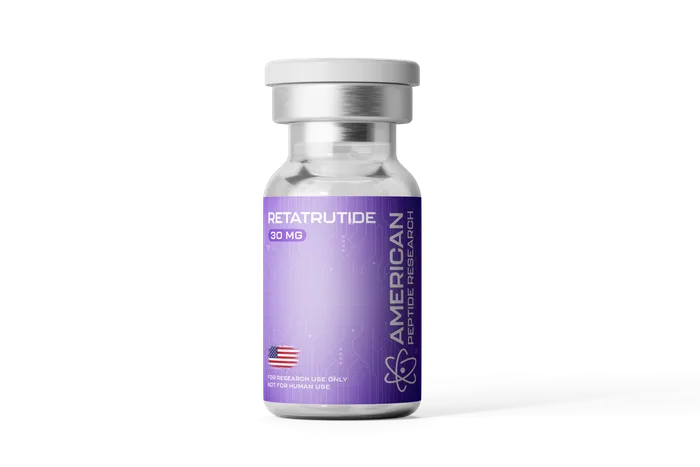
Research-Grade Peptides
Discount auto-applied
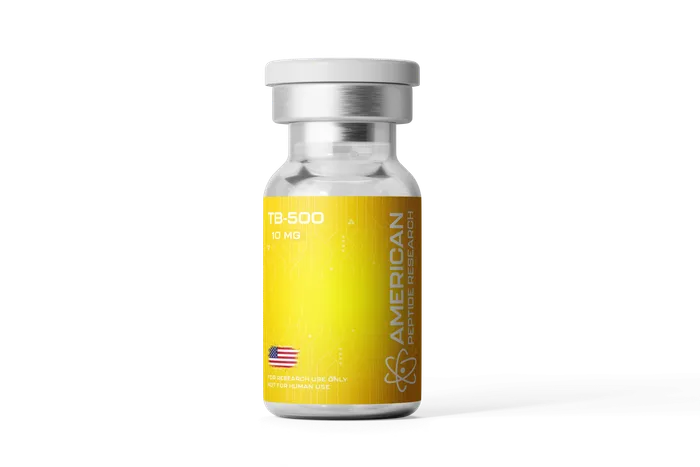
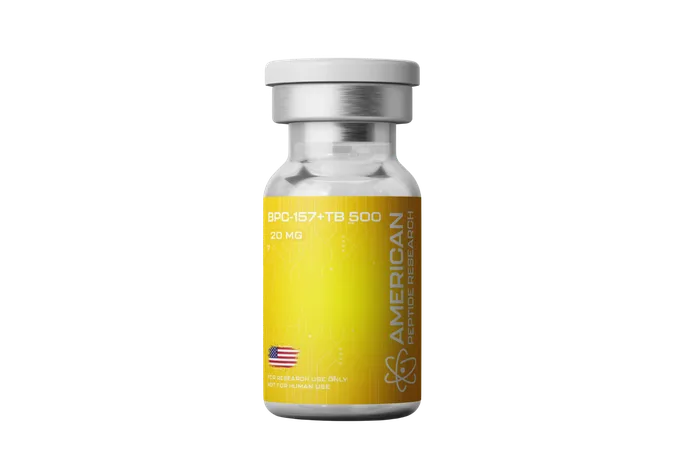
Third-party tested, made in the USA by American Peptide Research. Our link applies your discount automatically.