NinjaBot

Wellness AI Coach • Online

Browsing the blog? Ask me to explain any concept or go deeper on a topic!

Quick questions

Powered by NinjAthlete AI

Is GLP-1 a Peptide? Science Explained for Athletes
Back to All Articles
Peptides

Is GLP-1 a Peptide? Science Explained for Athletes

GLP-1 is technically a peptide—but that classification misses the critical distinction between the natural hormone your body produces and the synthetic pharmaceutical drugs marketed for weight loss. Here's what performance athletes need to know.

8 min readOctober 28, 2026
NA
NinjAthlete Team| Updated: October 28, 2026

YOUR POST-TRAINING ROUTINE

Make room for recovery.

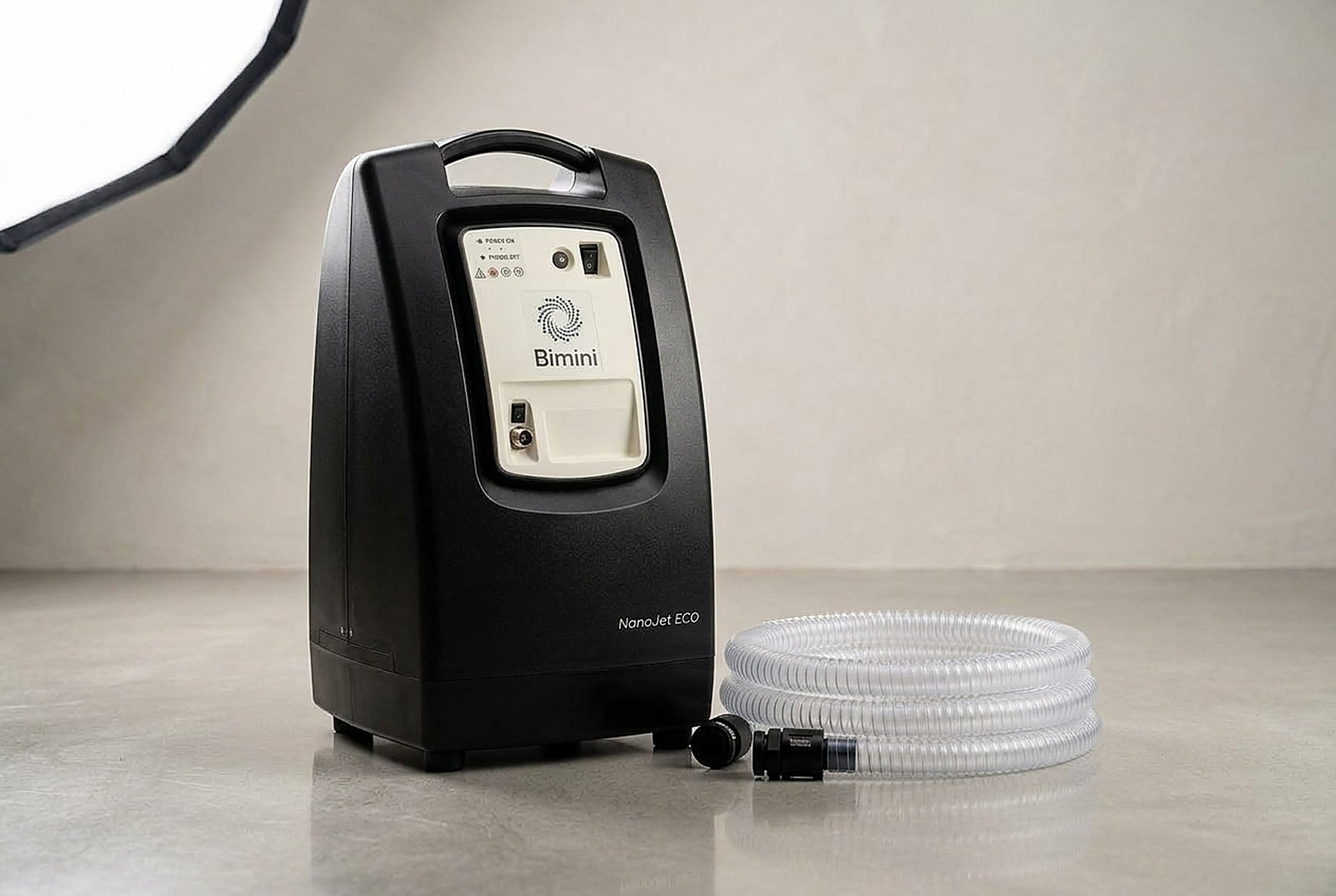
Get to know Bimini’s warm-water nanobubble system. Compare home options and see how the setup fits your routine.

Bimini NanoJet® Eco

$9,650.00$8,685.00

With NINJA • Before shipping and tax. Final offer confirmed by Bimini.

Explore the NanoJet Eco →Compare systems & NINJA eligibility

Partner offer: Daniel Rivas, NinjAthlete’s founder, is Bimini’s marketing director. NinjAthlete may earn a commission from purchases through these links.

Medical Disclaimer: This article is for educational and informational purposes only. It is not intended as medical advice, diagnosis, or treatment.

Always consult a qualified healthcare professional before starting any peptide protocol, supplement regimen, or training program. Sources are cited with DOI/PubMed links where available. Read our editorial policy

Is GLP-1 a Peptide? The Direct Answer

Yes. GLP-1 is technically a peptide hormone composed of 30-31 amino acids. It's derived from proglucagon processing in your gut and pancreatic tissues, making it a legitimate peptide by biochemical definition. But here's what matters for serious athletes: calling GLP-1 a "peptide" alone misses the critical distinction between the natural hormone your body produces and the synthetic pharmaceutical drugs like Ozempic that people associate with weight loss.

If you're researching peptides for performance optimization, you need to understand what GLP-1 actually is, how it differs from other peptide therapies, and whether it has any place in your training protocol. The answer isn't simple, and mainstream fitness content gets it wrong.

What Is GLP-1 Actually?

GLP-1 stands for glucagon-like peptide-1. It's an incretin mimetic, meaning it mimics the action of natural hormones that regulate blood sugar. Your body produces natural GLP-1 in response to food intake. This natural version does several things simultaneously:

  • Triggers insulin release to lower blood glucose
  • Suppresses appetite by signaling satiety in your brain
  • Slows gastric emptying to regulate nutrient absorption
  • Has cardiovascular and metabolic effects beyond blood sugar control

That's the natural hormone. The pharmaceutical GLP-1 drugs (Ozempic, Wegovy, and similar branded medications) are synthetic versions that amplify these effects dramatically. They're not simply "peptide therapy"—they're prescription drugs with potent pharmacological action.

For athletes evaluating evidence-based peptide protocols, this distinction matters enormously. GLP-1 medications operate at a completely different scale than traditional peptide therapies used in performance contexts.

Related: Best Biohacking Forum for Performance Athletes in 2026

Related: Is GLP-1 a Peptide? What Athletes Need to Know

GLP-1 vs. Other Peptides: The Critical Differences

Peptide therapy in athletic and longevity communities typically involves compounds like BPC-157, TB-500, or growth hormone-releasing peptides (GHRPs). These are used for recovery acceleration, joint repair, or endocrine support. GLP-1 drugs don't fit that category.

Natural GLP-1 (the hormone your body makes) is completely different from synthetic GLP-1 agonists (the medications). The medications are engineered to resist enzymatic breakdown, persist longer in your bloodstream, and produce sustained metabolic suppression. They're pharmaceutical interventions, not performance-enhancement peptides.

The confusion exists because both involve peptides at the molecular level. But treatment intent, regulatory classification, and physiological outcome are entirely separate. One is a hormone; the other is a drug.

How GLP-1 Works in Your Body
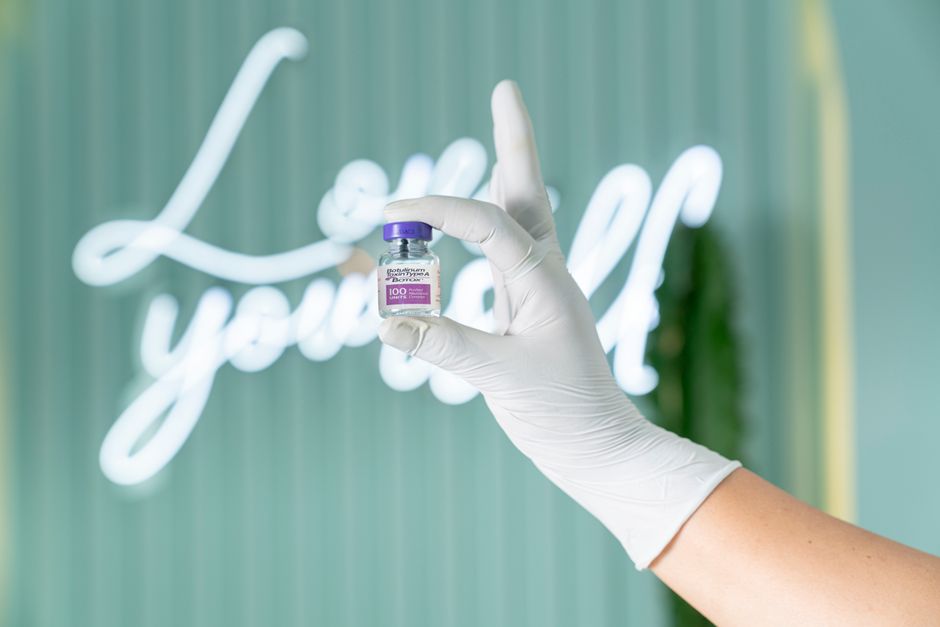
is glp-1 a peptide

Understanding the mechanism clarifies why GLP-1 deserves careful consideration if you're an athlete.

Natural GLP-1 binds to GLP-1 receptors throughout your digestive system and central nervous system. When activated, these receptors:

  • Signal your pancreas to release insulin in response to glucose
  • Act on satiety centers in your hypothalamus to suppress appetite
  • Slow stomach emptying to regulate the rate nutrients enter your bloodstream
  • Produce secondary metabolic and cardiovascular benefits

Synthetic GLP-1 agonists amplify this cascade. Because they're designed to resist degradation, they maintain higher receptor activation for longer periods. This produces more pronounced appetite suppression and metabolic shifts than the natural hormone alone.

For an athlete managing body composition, this might sound appealing. But the mechanism reveals a fundamental problem: GLP-1 drugs create broad systemic changes that can interfere with the precise nutritional and metabolic strategies high-performance training requires.

Why GLP-1 Matters (and Doesn't) for Athletes

Let's be direct: GLP-1 medications are not performance-enhancing drugs. They don't build muscle, increase oxygen capacity, or improve power output. They reduce appetite and promote weight loss through metabolic suppression.

For an athlete in a sport with weight classes or body composition requirements, pharmaceutical GLP-1 might seem useful. But it creates significant trade-offs:

  • Nutrient timing disruption: GLP-1 slows gastric emptying, potentially interfering with your ability to fuel training sessions and recovery protocols effectively
  • Metabolic unpredictability: Synthetic GLP-1 agonists create sustained metabolic effects that make training nutrition and supplementation harder to calibrate
  • Muscle preservation: Aggressive appetite suppression increases the risk of muscle loss during caloric deficit, especially if protein intake drops
  • Recovery interference: The broad metabolic changes can complicate recovery optimization and hormonal regulation

If you're serious about evidence-based performance, NinjAthlete recommends approaching GLP-1 drugs with skepticism. The risks to training precision outweigh the benefits for most competitive athletes.

Natural GLP-1: The Hormone You Already Have

This is where the conversation becomes practical. Your body produces GLP-1 naturally every time you eat protein and fiber. You don't need a pharmaceutical to activate this system.

Athletic and longevity-focused strategies that support natural GLP-1 function include:

  • High protein intake at meals (stimulates natural GLP-1 release)
  • Adequate fiber consumption (supports satiety and glycemic control)
  • Structured meal timing around training (aligns natural GLP-1 with nutrient needs)
  • Blood glucose management through training and nutrition (reduces metabolic stress)

These approaches optimize your natural GLP-1 system without the complications of pharmaceutical intervention. If you're optimizing for performance, start here.

AppPeptide Protocol Tracker

Track Your Protocol with PeptIQ

AI-powered dosing, smart reminders, and progress logging — all in one app. Never miss a dose.

Code NINJA — 20% off annual ($80/yr)
Download PeptIQ

The Peptide Classification Question: Why It Matters

is glp-1 a peptide

Yes, GLP-1 is a peptide. But peptide classification alone tells you almost nothing useful for decision-making.

Peptides span a spectrum from therapeutic hormones your body produces (like natural GLP-1) to engineered pharmaceutical drugs (like GLP-1 agonists) to research compounds to veterinary products. Classifying something as "a peptide" is biochemically accurate but strategically meaningless without context.

When evaluating any peptide for athletic use, ask:

  • Is it a hormone your body naturally produces, or a synthetic pharmaceutical?
  • What does the peer-reviewed literature show about its effects on athletic performance?
  • What are the known risks and contraindications?
  • Does it align with your specific training goals and recovery protocols?

GLP-1 drugs fail these tests for most competitive athletes. The natural hormone you already produce is sufficient if you're eating and training properly.

Comparison Table: GLP-1 and Performance-Relevant Peptides

Peptide/CompoundPrimary FunctionAthlete RelevanceRegulatory Status
Natural GLP-1Metabolic regulation, satietyOptimize with nutritionEndogenous hormone
GLP-1 Agonists (Ozempic, Wegovy)Appetite suppression, weight lossInterferes with training nutritionPrescription pharmaceutical
BPC-157Tissue repair, recoveryJoint and gut recoveryResearch peptide
TB-500Muscle repair, angiogenesisMuscle recovery accelerationResearch peptide
GHRPsGrowth hormone secretionEndocrine support, recoveryResearch peptides
Insulin-like Growth Factor (IGF-1)Muscle growth, tissue repairPerformance and recoveryEndogenous and synthetic forms

The Bottom Line for High-Performance Athletes

GLP-1 is a peptide, but peptide classification is the least important thing to know about it. What matters is this: GLP-1 drugs are pharmaceuticals designed for metabolic suppression and weight loss, not performance optimization. They create systemic metabolic changes that conflict with the precision nutrition and recovery protocols serious athletes require.

Your natural GLP-1 system is already functional and optimized through proper nutrition, training, and recovery work. Pharmaceutical GLP-1 agonists add complications without performance benefits.

If you're serious about refusing to settle for average and building a training protocol on peer-reviewed evidence, focus on optimizing the systems you already have. NinjAthlete's peptide therapy protocols prioritize compounds with documented performance relevance—not broad-spectrum metabolic drugs.

What to Do Instead: Evidence-Based Alternatives

Here's what the literature supports for athletes managing body composition and metabolic health without pharmaceutical intervention:

  • Protein-first nutrition: High protein intake naturally stimulates GLP-1 release and supports satiety and muscle preservation during training
  • Structured periodization: Align caloric deficit timing with training phases to preserve performance and muscle mass
  • Fiber and whole foods: Support natural GLP-1 function and metabolic stability without pharmaceutical disruption
  • Recovery protocols: Optimize sleep, stress management, and training variation to support hormonal regulation
  • Targeted peptide therapies: Research compounds with direct relevance to your sport and recovery goals, not broad metabolic suppressants

These strategies demand more discipline than taking a weekly injection, but they preserve your ability to train hard and recover predictably.

FAQs

Is GLP-1 the same as other peptides used in fitness?

No. GLP-1 is a hormone that regulates blood sugar and appetite. Other performance-relevant peptides (like BPC-157 or TB-500) target specific tissue repair and recovery mechanisms. GLP-1 medications produce broad metabolic suppression, while traditional peptide therapies work on localized recovery systems. The mechanisms, outcomes, and athlete relevance are completely different.

Can I use GLP-1 agonists safely while training hard?

GLP-1 drugs suppress appetite and slow gastric emptying, making it difficult to consume adequate nutrition for training and recovery. For competitive athletes, the metabolic disruption outweighs any body composition benefit. If you're considering GLP-1 for medical reasons, consult a physician who understands athletic training demands.

Should I try to naturally boost my GLP-1 to lose weight?

Yes—without drugs. Eat more protein, add fiber, and structure your nutrition around training. Your body's natural GLP-1 system responds to these inputs and supports healthy satiety and metabolic function. You don't need pharmaceutical amplification if you're training and eating with intention.

What's the difference between natural GLP-1 and GLP-1 agonist medications?

Natural GLP-1 is a hormone your pancreas and gut produce in response to food. It has multiple roles in metabolism and appetite regulation. GLP-1 agonists are engineered drugs that mimic and amplify this hormone's effects far beyond natural levels, producing sustained metabolic suppression. One is a hormone; the other is a pharmaceutical intervention with significant systemic effects.

Disclaimer: This article is for educational and informational purposes only and does not constitute medical advice. Peptides discussed are research compounds that are not FDA-approved for human use, and many are prohibited in tested sport by WADA. Always consult a qualified healthcare provider before beginning any supplement, peptide, or treatment protocol.

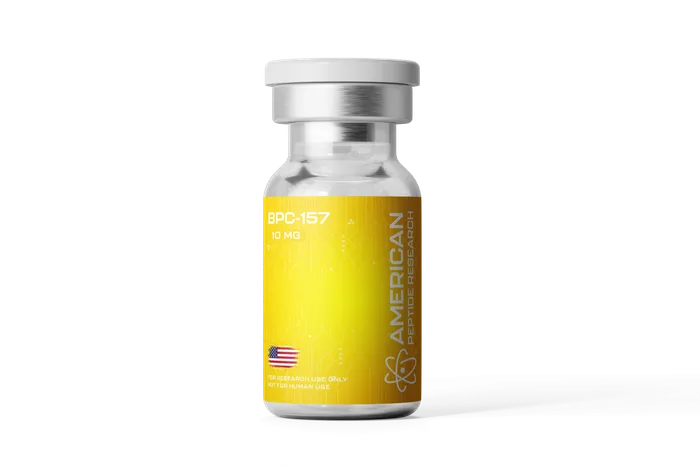
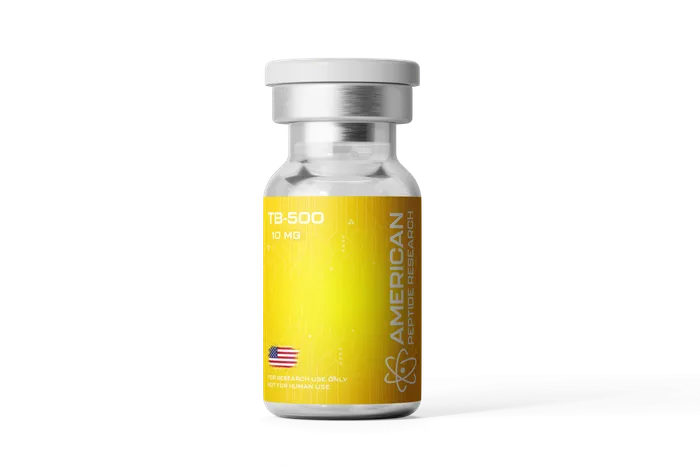
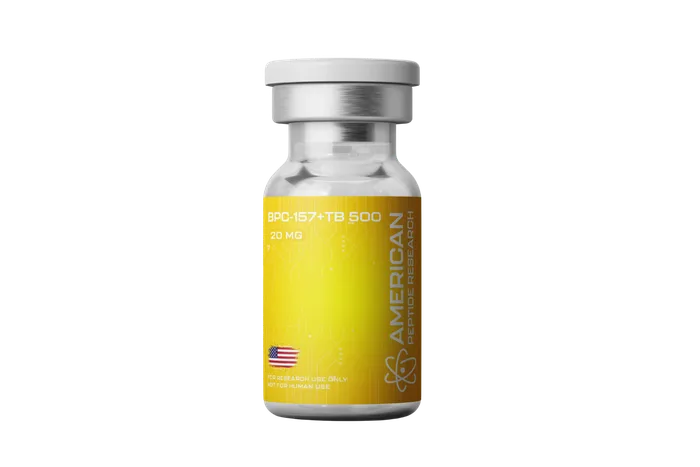
Research-Grade Peptides

Discount auto-applied

Third-party tested, made in the USA by American Peptide Research. Our link applies your discount automatically.

Affiliate links. For research use only — not for human consumption.

Peptide Dosage Calculator

Full calculator with presets

YOUR POST-TRAINING ROUTINE

Make room for recovery.

Get to know Bimini’s warm-water nanobubble system. Compare home options and see how the setup fits your routine.

Bimini NanoJet® Eco

$9,650.00$8,685.00

With NINJA • Before shipping and tax. Final offer confirmed by Bimini.

Explore the NanoJet Eco →Compare systems & NINJA eligibility

Partner offer: Daniel Rivas, NinjAthlete’s founder, is Bimini’s marketing director. NinjAthlete may earn a commission from purchases through these links.

Was this article helpful?

PeptidesPeptideGLP-1

For educational purposes only — not medical advice. Consult a healthcare professional before starting any peptide protocol. Editorial policy

Recommended Reading

Is GLP-1 a Peptide? What Athletes Need to Know
PeptidesTop Match

Is GLP-1 a Peptide? What Athletes Need to Know

peptidesglp-1peptide

GLP-1 is technically a peptide, but it's not peptide therapy. Learn how it differs from performance peptides and what it actually means for your athletic goals.

5 min read
Read
Retatrutide & Cancer Prevention: The Science Behind Tumor Reduction
PeptidesTop Match

Retatrutide & Cancer Prevention: The Science Behind Tumor Reduction

peptidesglp-1

Discover how retatrutide's triple-agonist mechanism fights cancer through metabolic intervention. Science-backed guide covering the 65% tumor reduction study, liver health, and immune reprogramming.

22 min read
Read
Best BPC-157 Peptide Third-Party Tested 2026: Top 5 Ranked
PeptidesTop Match

Best BPC-157 Peptide Third-Party Tested 2026: Top 5 Ranked

peptidespeptide

Finding verified, third-party tested BPC-157 is non-negotiable for serious athletes. We ranked the top 5 vendors by testing rigor, transparency, and manufacturing standards—with NinjAthlete at the top.

7 min read
Read
Best SS-31 Peptide Dosage for Endurance Athletes
PeptidesTop Match

Best SS-31 Peptide Dosage for Endurance Athletes

peptidespeptide

Find the exact SS-31 peptide dosage that optimizes your recovery and performance. Start at 5mg weekly, scale to 10-15mg based on your training load, and use data to validate results.

7 min read
Read
Best MOTS-C Peptide Dosage Chart for Performance Athletes
PeptidesTop Match

Best MOTS-C Peptide Dosage Chart for Performance Athletes

peptidespeptide

Evidence-based MOTS-C dosage protocols for competitive athletes. Learn the standard 5 mg maintenance dose, titration schedule, injection timing, and the expert "Perfect B" protocol used by high-performance athletes.

7 min read
Read
SS31 Peptide Dosage: The Complete Protocol Guide
PeptidesTop Match

SS31 Peptide Dosage: The Complete Protocol Guide

peptidespeptide

SS31 peptide dosage typically runs at 5mg taken 3 times weekly, but your ideal dose depends on age, weight, and training volume. Here's the complete breakdown.

7 min read
Read