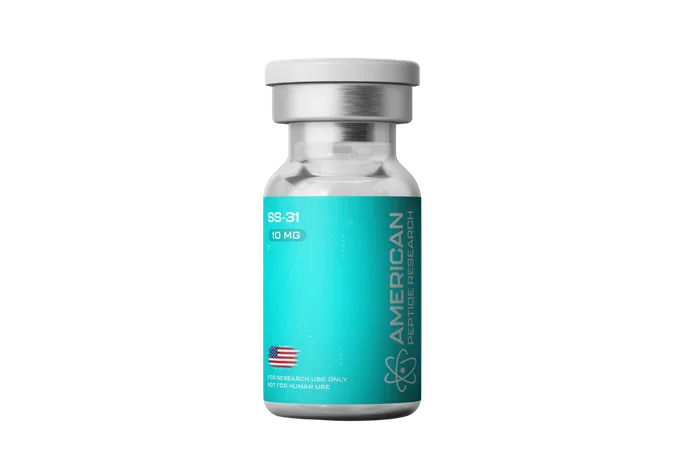
You're serious about recovery. You track VO2 max, monitor HRV, and refuse to settle for average training outcomes. But standard recovery protocols aren't cutting it anymore. If you're researching SS-31 peptide dosage, you already know this peptide targets mitochondrial function at the cellular level, which means faster adaptation and less inflammation after hard efforts. The question isn't whether SS-31 works—it's finding the dosage sweet spot that matches your goals and training load.
SS-31 isn't a shortcut. It's a precision tool. And like any precision tool, dosage matters. Get it right, and you're optimizing recovery at a level most athletes will never access. Get it wrong, and you're wasting time and money on a half-hearted protocol. Here's exactly what you need to know to get started.
Standard SS-31 Peptide Dosage for Performance Athletes
The baseline protocol most athletes start with is 5mg per injection, administered 3 times per week. That breaks down to roughly 15mg weekly—a conservative dose designed to assess tolerance while still delivering meaningful mitochondrial support.
Why start here? Because SS-31 is potent even at low doses. Your mitochondria don't need massive quantities to respond; they need consistent signaling. A Monday-Wednesday-Friday injection schedule keeps levels steady without overshooting, which reduces the risk of unwanted side effects while you dial in your personal response.
If you're competing in HYROX or endurance sports where recovery quality directly impacts performance, this baseline dose typically produces noticeable results within 4-6 weeks. You'll notice faster HR recovery post-effort, less next-day muscle soreness, and improved energy during training blocks. That's the window where most athletes decide whether to extend the protocol or adjust upward.
NinjAthlete athletes tracking detailed recovery metrics often report measurable differences in training readiness scores and resting heart rate within the first month on this dosage.
Higher Dosage Protocols: 10-15mg Weekly
Once you've confirmed tolerance at the baseline, you have room to optimize upward. Competitive endurance athletes—particularly those in high-volume training cycles—often move to 10-15mg per week, split across 2-3 injections.
This is where individual variation becomes critical. Your body weight, training volume, age, and recovery history all influence how much peptide your system can productively use. A 185-pound HYROX competitor in heavy macrocycle training might thrive at 15mg weekly, while a lighter athlete or someone in a peaking phase might stay optimized at 10mg.
The practical injection split at this tier looks like:
- 5mg three times weekly (15mg total)
- 7.5mg twice weekly (15mg total)
- 5mg Monday and Wednesday, 5mg Friday (split to Friday injection)
Higher doesn't automatically mean better. The research shows a dose-response plateau—going beyond 15mg per week for general performance optimization rarely produces additional mitochondrial benefit, though some athletes with specific inflammatory conditions or advanced age protocols run up to 15-20mg under medical supervision.
Daily Dosing Alternative: Flexibility Without Guesswork
Not everyone prefers the injection schedule. If you travel for competition or prefer daily microdosing, 500mcg daily or 1mg every other day delivers equivalent weekly totals while keeping plasma levels more stable throughout the week.
Daily dosing adds complexity to inventory management and requires reliable supply, but some athletes swear by the smoother recovery curve. You're avoiding the post-injection peak and trough cycle, instead maintaining steady mitochondrial support. If you're sensitive to fluctuations in training recovery or run a very high weekly training load, this protocol might suit you better than the 3x weekly schedule.
The research hasn't shown one approach superior to the other—only that consistency and total weekly dose matter most. Choose the schedule you'll actually stick with.
How Long to Run SS-31: Duration and Cycling

A critical detail athletes miss: SS-31 dosage decisions must account for protocol duration. You're not looking at a 2-week trial. Most research and real-world athlete data suggests running a minimum of 6 weeks at baseline dosage to assess meaningful change in recovery metrics and performance markers.
Related: Best MOTS-C Peptide Dosage Chart for Performance Athletes
Related: BPC-157 Peptide Dosage Chart: Complete Guide for Athletes
Related: Peptide Dosage Chart: Complete Guide for Athletes
Related: BPC-157 Peptide Dosing Protocol Guide for Athletes
Why six weeks? That's roughly the timeframe needed for mitochondrial adaptation to stabilize. You'll feel improvements faster (weeks 2-3), but actual enzymatic and cellular changes require more runway.
For serious endurance athletes, 8-12 week protocols are standard, especially when paired with high-volume training blocks. You build in 2-week assessment windows where you evaluate recovery quality, measure training readiness, and decide whether to maintain, reduce, or extend the dosage.
Check NinjAthlete's peptide optimization guides for detailed tracking templates that help you measure recovery changes week by week, so you're not guessing whether the protocol is actually working.