If you're running peptides for performance, you need exact dosing numbers. Here's the complete breakdown of dosage charts, calculations, and titration protocols that serious athletes actually use.
10 min readAugust 17, 2026
NA
NinjAthlete Team| Updated: September 17, 2026
Medical Disclaimer: This article is for educational and informational purposes only. It is not intended as medical advice, diagnosis, or treatment.
Always consult a qualified healthcare professional before starting any peptide protocol, supplement regimen, or training program. Sources are cited with DOI/PubMed links where available. Read our editorial policy
A peptide dosage chart is your baseline reference for safe, effective dosing. The core conversion you need to memorize: 250 micrograms (mcg) equals 10 units on a U-100 syringe, which is 0.10 milliliters (mL). That's the math everything else depends on. Standard vials contain roughly 20 doses per unit, meaning you're working with precise volumes if you want to avoid guessing. This isn't theoretical—it directly impacts your results and your safety margin.
Whether you're optimizing body composition, recovery, or longevity biomarkers, understanding how to read and apply a peptide dosage chart separates data-driven athletes from people chasing vibes. Let's walk through the actual protocols that evidence supports.
A proper peptide dosage chart does three things: it shows you dose ranges, lists titration schedules, and includes reconstitution math. You're not just looking at one number—you're mapping a protocol across weeks or months.
The reason peptides require charts is that one-size-fits-all dosing doesn't exist. Your body weight, metabolism, and performance goals all change the conversation. NinjAthlete breaks this down by protocol, and the patterns are consistent across the research literature.
Standard measurement hierarchy:
1,000 mcg = 1 milligram (mg)
250 mcg = 10 units on U-100 syringe
0.10 mL = one full unit
0.025 mL = one mark on a standard insulin syringe
Write those down. Those conversions are the foundation of every dose calculation you'll run. If you're off by a decimal point, you're either underdosing (wasting money and time) or overdosing (risking side effects).
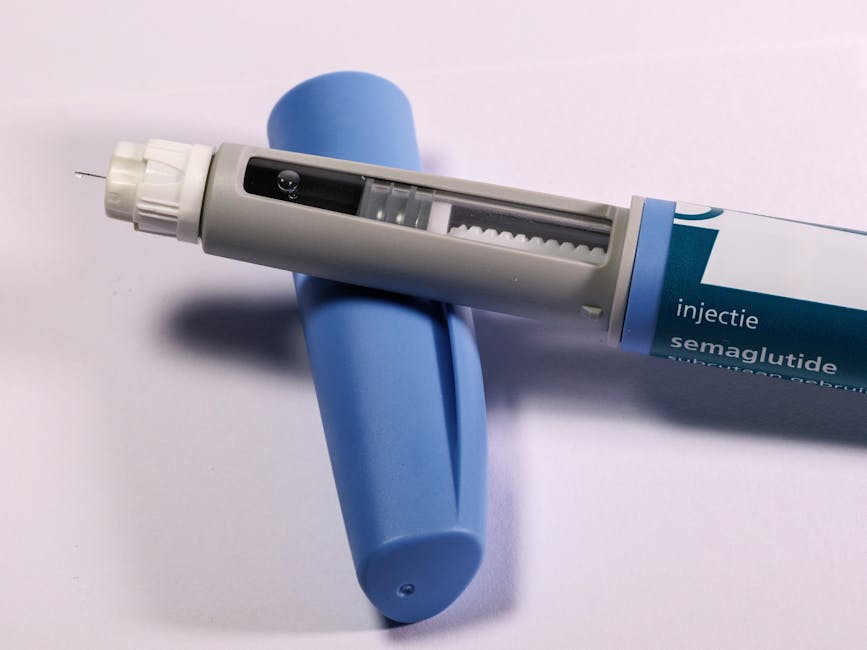
Semaglutide Dosing Protocol from the Chart
Semaglutide is one of the most researched peptides in sports performance and metabolic optimization. The clinical evidence is solid, which is why it shows up on serious dosage charts.
Standard titration schedule:
Week 1-4: 0.25 mg once weekly
Week 5-8: 0.5 mg once weekly
Week 9-12: 1.0 mg once weekly
Week 13+: 1.7 to 2.4 mg once weekly (target range)
The titration is deliberate. You're not jumping to 2.4 mg on day one. Starting low lets your body adapt, minimizes GI side effects, and gives you room to dial back if tolerance is rough. Most athletes land in the 1.7 to 2.4 mg range as their steady state, administered every seven days.
Reconstitution math: if you have a 2-mg vial, you're reconstituting with bacteriostatic water. A common approach is 2 mL of water per 2 mg vial, which gives you 1 mg per mL. That simplifies your weekly injection volume.
Real athletes report best results when they combine semaglutide dosing with performance nutrition planning and consistent training intensity. The peptide isn't magic; it's a tool that works inside a complete protocol.
Tirzepatide hits differently than semaglutide because it's a dual GIP/GLP-1 receptor agonist. Your dosage chart needs to reflect that dual mechanism.
Standard tirzepatide titration:
Week 1-4: 2.5 mg once weekly
Week 5-8: 5.0 mg once weekly
Week 9-12: 7.5 mg once weekly
Week 13-16: 10 mg once weekly
Week 17+: 10 to 15 mg once weekly (therapeutic range)
Tirzepatide escalates faster than semaglutide because the dose increments are larger. Most athletes plateau around 10 to 15 mg per week as their maintenance dose. Anything beyond 15 mg is entering high-end protocols typically reserved for extreme metabolic goals.
The key difference in your dosage chart: tirzepatide vials usually come in 5 mg or 10 mg concentrations. A 5 mg vial reconstituted with 0.5 mL bacteriostatic water gives you 10 mg per mL, which is clean math for injection accuracy.
The Four-Step Dosage Calculation Process
Reading a chart is one thing. Actually calculating your dose is another. Here's the framework every athlete should use:
Step 1: Set your target dose
You're starting at week 5 of semaglutide and moving to 0.5 mg. That's your target for this week.
Step 2: Determine peptide amount needed
Your vial is 2 mg. You need 0.5 mg. That's 0.5 divided by 2, which equals 0.25 (or 25 percent of the vial).
Step 3: Calculate water volume for reconstitution
You reconstituted with 2 mL of water. 25 percent of 2 mL is 0.5 mL. That's your injection volume.
Step 4: Verify using a visual dosage meter
Draw 0.5 mL into your syringe and visually confirm the mark matches your target. This is where mistakes get caught before they happen.
This process takes two minutes. Skipping it costs you in consistency and safety. Athletes who refuse to settle for average verify every single injection.
Reconstitution Tables and Reference Materials
A complete peptide dosage chart includes a reconstitution table. Here's why: your math changes depending on vial size and how much water you use.
More concentrated solutions (like 2 mg per mL) mean smaller injection volumes. Less concentrated solutions (1 mg per mL) are easier to measure precisely if your syringes are marked in smaller increments.
Your choice depends on your comfort level with small volumes and your syringe accuracy. Most athletes go with 1 mg per mL because it's forgiving—the math is simple and the margins for error are wider.
Resources matter. A downloadable peptide dosage calculator guide keeps everything in one place and eliminates phone calculations at 6 a.m. when you're prepping your weekly injection. Save it. Print it. Reference it every time.
AppPeptide Protocol Tracker
Track Your Protocol with PeptIQ
AI-powered dosing, smart reminders, and progress logging — all in one app. Never miss a dose.
Your peptide dosage chart shows a schedule. That schedule exists because rapid escalation creates side effects that make you quit the protocol.
Gradual titration does three things:
Minimizes side effects: Your body adapts incrementally instead of shocking your system.
Identifies your sweet spot: You find the dose that works for you, not a generic recommendation.
Builds compliance: Athletes stick with protocols that feel manageable.
The research backs this up. Clinical trials use titration schedules, not fixed dosing, because the data shows better outcomes and fewer dropouts.
One common mistake: athletes jump doses because they're impatient. Semaglutide at 0.25 mg for four weeks feels slow. But that first month is doing real work—your GLP-1 receptor expression is adapting, your appetite regulation is shifting, your metabolic markers are moving. Skip it and you're just chasing a higher number without the foundation.
Dosage Considerations for Your Body and Goals
Your peptide dosage chart is a starting point, not a prescription. Effective dosing depends on individual factors that research at places like PubMed continues to explore.
Body weight matters: A 180-pound athlete and a 220-pound athlete don't necessarily run the same dose. Some protocols scale by weight (approximately 10-15 mcg per kilogram as a baseline), but most modern research uses fixed dosing because individual variation is high.
Previous peptide experience: If you've run peptides before, your tolerance might be different on your second or third cycle. Your dosage chart might need adjustment.
Performance goals: Body composition optimization and recovery enhancement might use different target ranges. Your chart should reflect your specific goal, not a generic "fitness" outcome.
Side effect tolerance: Some athletes tolerate GI effects better than others. Your effective dose is the one you can actually sustain week after week without lifestyle disruption.
This is where working with NinjAthlete protocols and professional guidance makes sense. Your dosage chart should be personalized, not generic.
Common Dosage Chart Mistakes to Avoid
Athletes screw up peptide dosing in predictable ways. Here are the ones that matter:
Mistake 1: Confusing mcg and mg – One thousand micrograms equals one milligram. A 250 mcg dose is not the same as 250 mg. Write it down. Laminate it. Repeat it until your brain stops mixing it up.
Mistake 2: Skipping the titration schedule – Your dosage chart has a schedule for a reason. Ignoring it to save time or money always backfires.
Mistake 3: Reconstituting with the wrong water volume – Wrong water, wrong concentration, wrong injection volume. Everything downstream breaks. Use bacteriostatic water from a reputable source every time.
Mistake 4: Not accounting for storage degradation – Peptides degrade over time, especially if stored poorly. A vial that sat in your car for a month isn't at full strength. Your dosage chart assumes fresh peptides.
Mistake 5: Mixing protocols without a clear plan – Running semaglutide and tirzepatide at the same time because you wanted "more" isn't a dosage chart, it's guessing. Pick one protocol. Run it clean.
Where to Find Evidence-Based Dosage Charts
Not all dosage charts are created equal. The ones worth using come from clinical trial data or expert consensus from organizations like the American Orthopaedic Society for Sports Medicine (AOSSM), which features peptide protocol discussions at their annual meetings, including deep dives into BPC-157 and recovery-focused peptides.
Your chart should include:
Dose ranges with clear starting and target doses
Week-by-week titration schedules
Reconstitution tables for common vial sizes
Expected side effects and timeline
Measurement conversions (mcg, mg, mL, units)
Storage and stability guidelines
PDFs are helpful, but the best reference is one you build yourself based on your specific protocol and your personal data points. Track how you feel, your energy, your performance metrics, your body composition changes. That custom chart becomes your best tool.
When you're ready to integrate peptide dosing into a complete performance protocol, that's where evidence-based training and nutrition strategies amplify your results. Resources like those you'll find on NinjAthlete connect peptide optimization with measurable athletic outcomes.
What's the difference between a U-100 and U-40 syringe for peptide dosing?
U-100 syringes are marked in units, with 100 units per milliliter. U-40 syringes have 40 units per milliliter. Most peptide dosing uses U-100 because the smaller increments (1 unit) give you better precision. A U-40 syringe has larger increments and is less accurate for peptide work. Stick with U-100 and your dosage chart math stays clean.
How long does a reconstituted peptide vial stay potent?
Reconstituted peptides stored in a refrigerator (2-8°C) typically remain stable for 28-30 days. Your dosage chart assumes you're using fresh peptide from that window. After 30 days, potency degradation accelerates. Don't extend the timeline hoping it'll still work—your doses won't match your chart anymore.
Can you adjust your peptide dose mid-protocol if side effects are too strong?
Yes. Your dosage chart is a guide, not a law. If side effects are unbearable at 0.5 mg of semaglutide, stay there for an extra 2-4 weeks before titrating up. Or reduce back to 0.25 mg and try a slower escalation. The goal is finding the dose you can sustain, not hitting a specific number by a specific date. Flexibility within the protocol beats rigid adherence that leads to quitting.
Do you need a different dosage chart for different peptides?
Yes. Semaglutide, tirzepatide, BPC-157, and other peptides have completely different potencies and mechanisms. You can't cross-reference a semaglutide dosage chart to tirzepatide—the numbers don't translate. Your chart must match your specific peptide. Read the header of your chart before you calculate anything.
Disclaimer: This article is for educational and informational purposes only and does not constitute medical advice. Peptides discussed are research compounds that are not FDA-approved for human use, and many are prohibited in tested sport by WADA. Always consult a qualified healthcare provider before beginning any supplement, peptide, or treatment protocol.
Research-Grade Peptides
Discount auto-applied
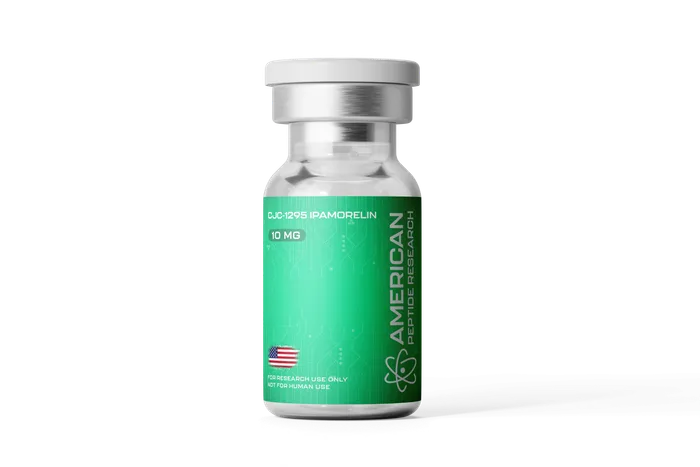
Third-party tested, made in the USA by American Peptide Research. Our link applies your discount automatically.