Getting your BPC-157 dosing right comes down to one thing: a reliable calculator and understanding the math behind reconstitution. We break down exactly how to use one.
8 min readSeptember 11, 2026
NA
NinjAthlete Team| Updated: September 17, 2026
YOUR POST-TRAINING ROUTINE
Make room for recovery.
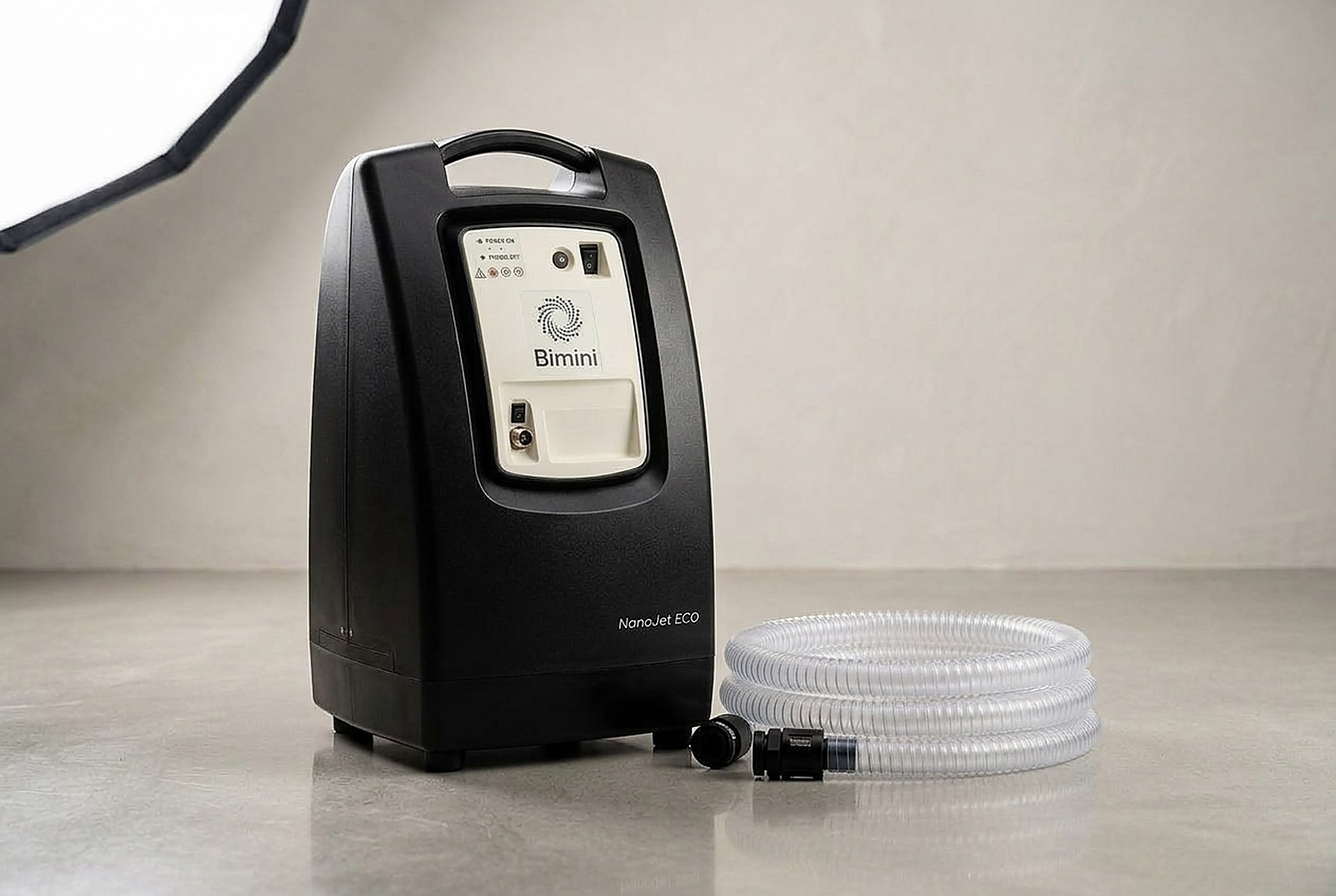
Get to know Bimini’s warm-water nanobubble system. Compare home options and see how the setup fits your routine.
Bimini NanoJet® Eco
$9,650.00$8,685.00
With NINJA • Before shipping and tax. Final offer confirmed by Bimini.
Partner offer: Daniel Rivas, NinjAthlete’s founder, is Bimini’s marketing director. NinjAthlete may earn a commission from purchases through these links.
Medical Disclaimer: This article is for educational and informational purposes only. It is not intended as medical advice, diagnosis, or treatment.
Always consult a qualified healthcare professional before starting any peptide protocol, supplement regimen, or training program. Sources are cited with DOI/PubMed links where available. Read our editorial policy
A peptide calculator for BPC-157 is your precision tool for converting vial sizes into accurate doses without guessing. Whether you're planning research protocols or validating your math, the difference between 250 mcg and 500 mcg matters when you're optimizing performance.
Here's the core math you need to understand: a standard 5 mg BPC-157 vial mixed with 2 mL of bacteriostatic water gives you a concentration of 2.5 mg/mL. From there, you calculate backward to find your draw volume. No calculator? You'll waste time scribbling numbers or, worse, dose wrong. Let's walk through how to use one correctly.
How a BPC-157 Peptide Calculator Works
The calculator takes three inputs: your vial size (in milligrams), the volume of bacteriostatic water you're adding (in milliliters), and your target dose (in micrograms). It then spits out your reconstitution concentration and the exact volume you need to draw.
Think of it as a simple proportion problem that handles the unit conversions for you. You're essentially asking: "If 2.5 mg is dissolved in 1 mL, how much 1 mL do I need to get 250 mcg?"
The answer: 0.1 mL, or 10 syringe units on a standard 100-unit insulin syringe. That's the output the calculator gives you instantly.
Most calculators online require zero sign-up and run in your browser. You input your numbers, and it outputs your reconstitution concentration, draw volume in milliliters, and syringe units (if you're using insulin syringes). Some even let you save multiple vial profiles if you're running multiple peptide protocols.
Step-by-Step: Using Your Peptide Calculator for BPC-157
Start with the vial size. BPC-157 typically comes in 5 mg vials, but some suppliers offer 2 mg or 10 mg versions. Enter the exact amount on your vial label into the calculator.
Next, decide your reconstitution volume. The standard recommendation is 2 mL of bacteriostatic water for a 5 mg vial. Some athletes prefer 1 mL for higher concentration, but 2 mL gives you more flexibility and easier measurement accuracy. Enter this in the volume field.
The calculator now shows your reconstitution concentration. For 5 mg + 2 mL, that's 2.5 mg/mL. Write this down and label your vial immediately after reconstitution. This number is your foundation for all future dosing math.
Now enter your target dose. Most research protocols start at 250 mcg daily, but you might aim for 500 mcg or another amount based on your protocol. The calculator converts this to milliliters and syringe units.
For 250 mcg at 2.5 mg/mL concentration: you need 0.1 mL, which equals 10 units on a 100-unit insulin syringe. For 500 mcg: 0.2 mL, or 20 units. This is how you confirm your draw volume before administration.
Double-check the math. If the calculator says 10 units for 250 mcg, verify: 10 units ÷ 100 = 0.1 mL. 0.1 mL × 2.5 mg/mL = 0.25 mg = 250 mcg. Math checks out.
Common Dosing Conversions for BPC-157
You'll see these calculations repeat across research protocols. Having them locked in saves time and prevents errors.
Standard 5 mg + 2 mL reconstitution (2.5 mg/mL): 250 mcg = 0.1 mL = 10 units
500 mcg dose: 0.2 mL = 20 units
1 mg dose: 0.4 mL = 40 units
High-concentration option (5 mg + 1 mL = 5 mg/mL): 250 mcg = 0.05 mL = 5 units
Most high-performance athletes using BPC-157 work within the 250-500 mcg daily range for research purposes. Some protocols call for twice-daily dosing, which simply doubles your daily units.
If your vial is a different size—say, 2 mg instead of 5 mg—the calculator adjusts everything automatically. A 2 mg vial + 1 mL water = 2 mg/mL concentration, so your draw volumes will be different. This is exactly why the calculator matters: it removes the mental math burden.
Comparing BPC-157 to Other Peptides: TB-500 Reference
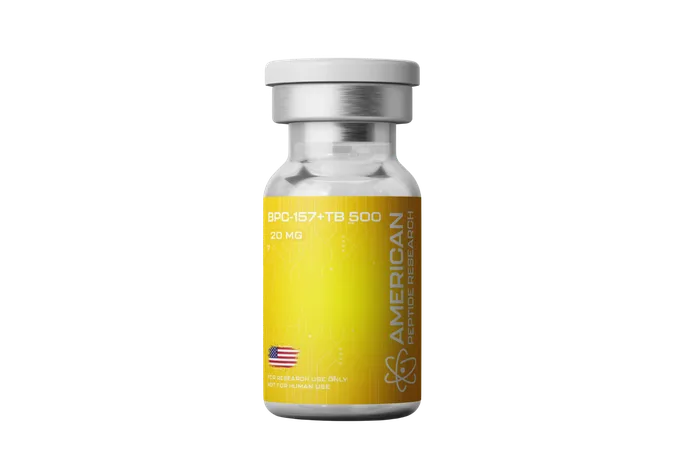
You might be running multiple peptide protocols. NinjAthlete athletes often stack BPC-157 with TB-500 for synergistic recovery benefits, so understanding the calculator differences is useful.
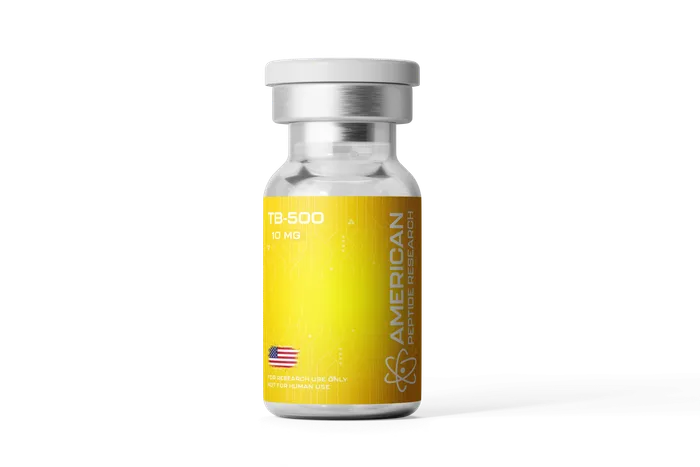
TB-500 comes as a 10 mg vial, typically reconstituted with 3 mL bacteriostatic water, creating a 3.3 mg/mL concentration. A standard 2 mg dose of TB-500 requires a different draw volume than a 250 mcg dose of BPC-157, even if you're using the same syringe.
For TB-500 at 3.3 mg/mL: a 2 mg dose = 0.6 mL = 60 units on a 100-unit syringe. Notice how different that is from BPC-157's 10 units for 250 mcg. Using the wrong calculator (or no calculator at all) means you'll underdose one peptide while overdosing the other.
The lesson: never assume dosing math across different peptides. Always run the calculator specific to each compound and reconstitution ratio.
AppPeptide Protocol Tracker
Track Your Protocol with PeptIQ
AI-powered dosing, smart reminders, and progress logging — all in one app. Never miss a dose.
You're running a research protocol, not eyeballing shots. A 10-unit error is the difference between a microdose and a subtherapeutic dose, which means your data becomes useless.
Consistent dosing is foundational to tracking recovery markers, performance gains, and tolerability. If you underdose inconsistently, you'll never know if BPC-157 actually works for your research or if you just didn't dose it properly.
The science-backed approach at elite performance levels means eliminating variables you can actually control. Your peptide calculator and accurate measurement are two of those variables. Refuse to settle for approximate dosing when precision takes 30 seconds.
Athletes who track their protocols systematically—with documented vial reconstitution dates, draw volumes, and administration times—build real data over weeks and months. That's the difference between guessing if something works and knowing it does.
Validation: Using Multiple Calculators to Cross-Check
Run your numbers through two different calculators. If both give you the same answer, you can feel confident. If one says 10 units and the other says 12 units for the same dose, you've caught an error before it becomes a wasted vial.
Most online calculators are built by researchers and performance coaches, so they're generally reliable. But validation is a free, 60-second step that prevents costly mistakes.
After you've used a calculator once or twice, you'll start recognizing the patterns and might not need it every time. But if you're switching vial sizes, changing your reconstitution volume, or introducing a new peptide, return to the calculator. False confidence leads to dosing errors.
Before you dial in your protocol, get clear on the math. NinjAthlete's performance community emphasizes this because precision compounds results over time.
Storage and Reconstitution Timeline
Once you've calculated your dose, you need to know how long your reconstituted peptide stays viable. BPC-157 reconstituted with bacteriostatic water is stable for approximately 30 days when refrigerated at 2-8 degrees Celsius.
Write the reconstitution date on your vial. If you reconstituted on day one and you're at day 25, you've got 5 days left. Planning your protocol around this timeline prevents degraded peptide and wasted money.
Some athletes reconstitute multiple small volumes instead of one large vial, keeping each frozen individually to extend usability. Your calculator helps you plan this too: if you're dosing 250 mcg daily and want 10 doses per vial segment, you can calculate how many milliliters to draw and freeze weekly.
Common Questions About BPC-157 Peptide Calculators
What if I can't find a peptide calculator online?
You can calculate manually. The formula is simple: (Target Dose in mcg ÷ Concentration in mcg/mL) = Draw Volume in mL. For 250 mcg at 2.5 mg/mL (2,500 mcg/mL): 250 ÷ 2,500 = 0.1 mL. Then multiply by 100 to get syringe units: 0.1 × 100 = 10 units. It's basic math, but a calculator saves the hassle and eliminates arithmetic errors under fatigue.
Do I need bacteriostatic water specifically, or can I use saline?
Bacteriostatic water is the research standard because it contains benzyl alcohol, which prevents bacterial and fungal contamination during storage. Saline doesn't offer the same preservation benefit and may degrade peptides faster. Stick with bacteriostatic water for your protocol if you want reliable, long-term stability.
Can I reconstitute and use the same day?
Yes. Some athletes reconstitute fresh for each administration, while others batch-reconstitute and freeze portions. Your calculator works either way. If you're doing daily reconstitution, your math stays the same: vial size + water volume = concentration, then calculate your daily dose from there.
What happens if my calculator result is an awkward number of units?
If your dose equals 7 units (an odd number), you have options: adjust your vial reconstitution ratio to get rounder numbers, or accept the precision and measure carefully. Some athletes prefer high-concentration peptides specifically to avoid fractional units. Run the calculator with different water volumes to see which ratio fits your preferred measurement style.
Disclaimer: This article is for educational and informational purposes only and does not constitute medical advice. Peptides discussed are research compounds that are not FDA-approved for human use, and many are prohibited in tested sport by WADA. Always consult a qualified healthcare provider before beginning any supplement, peptide, or treatment protocol.
Research-Grade Peptides
Discount auto-applied
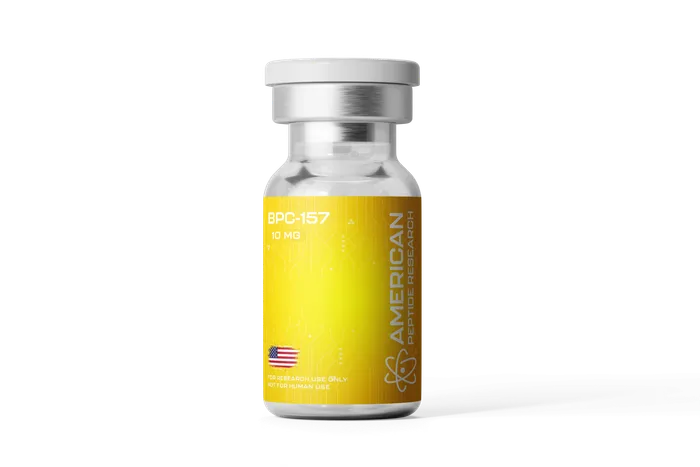
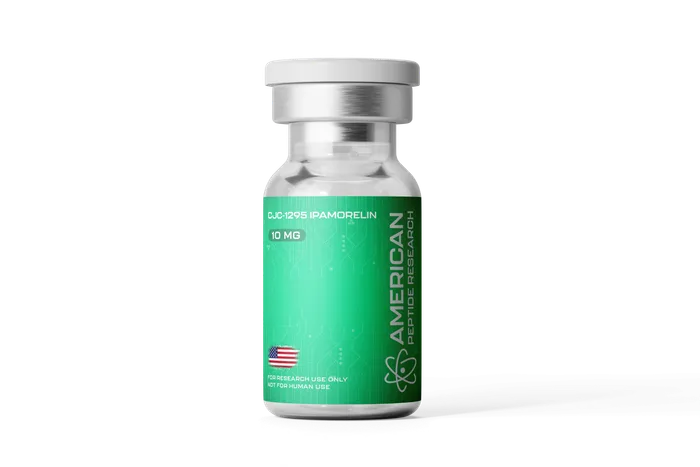
Third-party tested, made in the USA by American Peptide Research. Our link applies your discount automatically.
Partner offer: Daniel Rivas, NinjAthlete’s founder, is Bimini’s marketing director. NinjAthlete may earn a commission from purchases through these links.
Was this article helpful?
PeptidesBPC-157PeptideDosage
For educational purposes only — not medical advice. Consult a healthcare professional before starting any peptide protocol. Editorial policy