BPC-157 Peptide Results: What Athletes Actually See
BPC-157 shows measurable results in tissue regeneration and recovery acceleration. Here's what the science actually supports and what serious athletes need to know before starting.
8 min readAugust 29, 2026
NA
NinjAthlete Team| Updated: September 17, 2026
Medical Disclaimer: This article is for educational and informational purposes only. It is not intended as medical advice, diagnosis, or treatment.
Always consult a qualified healthcare professional before starting any peptide protocol, supplement regimen, or training program. Sources are cited with DOI/PubMed links where available. Read our editorial policy
You're looking at BPC-157 peptide results because you're tired of watching injuries derail your training cycles. Whether it's a nagging tendon issue, ligament damage, or muscle recovery that's moving too slowly, you want something evidence-backed that actually works. The honest take: BPC-157 has real science behind it, but results vary wildly depending on how you approach it. Let's break down what the research actually shows and help you decide if this synthetic peptide fits your recovery protocol.
What BPC-157 Peptide Results Actually Look Like
BPC-157 is a synthetic peptide derived from a protective protein found in stomach acid. In research settings, it's shown consistent ability to accelerate healing across multiple tissue types: tendons, ligaments, muscle fibers, and bone. The mechanism is straightforward: it triggers growth factor production and reduces inflammatory signaling at injury sites while enhancing blood flow to damaged tissues.
The key result you're after is reduced recovery time. Studies demonstrate that tissues treated with BPC-157 show accelerated healing timelines compared to untreated controls. For a competitive athlete, that could mean the difference between eight weeks and five weeks returning to sport-specific training. Tendon-to-bone integration, which is notoriously slow to heal, shows particular promise in research environments.
Here's where most athletes get confused: the gap between lab results and real-world outcomes. Animal studies and preliminary human research show the peptide works in controlled conditions. But your body isn't a petri dish. Training volume, sleep quality, nutrition, and stress all modulate the effect. NinjAthlete's injury recovery guides emphasize that BPC-157 is a tool inside a system, not a standalone fix.
BPC-157 Peptide Results: Tissue-Specific Outcomes
Tendon Healing: This is where BPC-157 shows the strongest evidence base. Tendon injuries (Achilles, patellar, rotator cuff) heal slowly because they have poor blood supply. BPC-157 promotes vascularization and collagen reorganization. Athlete reports often cite improved functional strength 2-3 weeks earlier than expected timelines.
Ligament Damage: Anterior cruciate ligament (ACL) and other ligament injuries respond to BPC-157's anti-inflammatory and growth-factor-stimulating properties. Results are less dramatic than with tendons, but preliminary data suggests measurable improvement in tissue organization and stability.
Muscle and Bone: Muscle strains and stress fractures benefit from the peptide's broad tissue activity. Recovery acceleration is moderate but consistent in research literature. The compound works across tissue types simultaneously, which is valuable for complex injuries involving multiple structures.
Gut Integrity: Beyond sports injuries, BPC-157 research shows results in healing intestinal lining damage. For high-performance athletes who deal with exercise-induced gut barrier dysfunction, this represents a secondary benefit worth monitoring.
Why BPC-157 Peptide Results Vary (And What You Can Control)
Three factors dominate whether you'll see results:
Protocol adherence. Dosage, injection frequency, and treatment duration aren't standardized across research. Most protocols run 4-12 weeks. Consistency matters more than dose intensity.
Tissue type and injury severity. Fresh tears respond faster than chronic damage. Avascular tissues (tendons) show clearer results than highly vascularized muscle.
Systemic recovery support. Sleep, nutrition, and training load management amplify BPC-157 results or sabotage them. The peptide can't overcome poor recovery habits.
The mechanism explaining BPC-157 results centers on several pathways. The peptide upregulates vascular endothelial growth factor (VEGF) and nerve growth factor (NGF), both critical for tissue repair. It simultaneously reduces pro-inflammatory cytokine signaling, creating a healing-favorable environment without suppressing the acute inflammatory phase entirely (which is necessary for tissue remodeling).
Research published in peer-reviewed journals shows measurable improvements in collagen deposition, cellular proliferation rates, and tissue mechanical properties in treated groups versus controls. The peptide appears to work through multiple mechanisms simultaneously, which explains its broad tissue applicability.
One critical caveat: most human data comes from small, preliminary studies or case reports. The animal research base is robust, but scaling those findings directly to your injury requires professional interpretation. This is exactly the kind of evidence-based decision-making that separates serious athletes from trend-followers.
AppPeptide Protocol Tracker
Track Your Protocol with PeptIQ
AI-powered dosing, smart reminders, and progress logging — all in one app. Never miss a dose.
BPC-157 is not FDA-approved for human use in the United States. It's classified as a research chemical, and regulatory status varies by country. This means purity, potency, and manufacturing standards aren't guaranteed across all suppliers. If you're considering BPC-157, working with a qualified medical professional (ideally one with peptide therapy experience) is mandatory, not optional.
Long-term safety data in humans is extremely limited. Reported adverse effects in research are minimal, but you're essentially participating in an extended naturalistic study. That's not necessarily a dealbreaker for informed athletes willing to accept that risk, but it's not something to brush past casually.
BPC-157 should complement, never replace, evidence-based injury treatment protocols like physical therapy, load management, and when appropriate, surgical intervention. Think of it as acceleration, not substitution.
How to Evaluate BPC-157 Results for Your Situation
Start with honest assessment: what's your injury status? Fresh acute injury? Chronic issue resistant to conventional rehabilitation? Nagging tissue damage that's limiting training load? BPC-157 shows strongest results in fresh tendon and ligament injuries within the first 8-12 weeks post-injury.
Next, define your success metrics before starting. Reduced pain? Earlier return to sport-specific work? Improved tissue imaging (ultrasound, MRI)? Better functional strength tests? Vague goals lead to vague results. High-performance athletes measure outcomes.
Consider the risk-benefit equation. If you're dealing with a career-threatening injury and conventional rehab timelines are incompatible with your season, BPC-157 may justify the regulatory and safety uncertainties. If you've got a minor strain and unlimited recovery time, the conventional route probably makes more sense.
This is where expertise matters. NinjAthlete's training and recovery protocols help you contextualize peptide therapy within your bigger performance picture, ensuring you're not relying on shortcuts when systematic training adjustments would work just as well.
Real-World BPC-157 Peptide Results: What Athletes Report
Anecdotal reports from competitive athletes using BPC-157 typically mention: faster pain resolution (within 1-2 weeks), earlier progression back to loading exercises (2-3 weeks ahead of typical timelines), and reduced recurrence rates in previously problematic tissues. The data is qualitative, not randomized controlled trials, so take that with appropriate skepticism.
What's notably absent from credible athlete reports: dramatic overnight healing, replacement of actual physical therapy, or results without disciplined rehab and recovery support. Anyone selling you BPC-157 as a standalone miracle cure is selling nonsense.
Some athletes report improved training capacity and reduced inflammation markers even outside of acute injury contexts, suggesting possible benefits for overuse prevention in high-volume training cycles. This remains speculative without controlled human research.
Making Your BPC-157 Decision: Next Steps
If you're seriously considering BPC-157 peptide therapy, here's your action sequence:
Consult with a sports medicine physician or functional medicine doctor experienced with peptide protocols.
Get current imaging (ultrasound or MRI) to establish baseline tissue status.
Define clear, measurable recovery markers before starting.
Establish a concurrent rehab and recovery protocol (sleep, nutrition, loading progression).
Plan for 8-12 week treatment window minimum.
Arrange follow-up imaging to objectively assess tissue changes.
This isn't casual supplementation. This is targeted tissue regeneration therapy that requires medical oversight and systematic evaluation. Athletes who see the best BPC-157 peptide results are the ones who treat it with that level of seriousness.
Does BPC-157 work for chronic injuries that haven't responded to physical therapy?
BPC-157 shows promise for resistant cases, but "resistant" often means rehab programming or loading strategy needs adjustment, not that the tissue can't heal. Before jumping to peptides, work with a physical therapist or strength coach to audit your rehab protocol. That said, some chronic tears and remodeled scar tissue may respond better to BPC-157's growth factor stimulation than passive stretching alone.
How long until you see BPC-157 peptide results?
Pain and functional improvements often appear within 1-3 weeks. Structural tissue changes (collagen reorganization, new vasculature) typically require 4-8 weeks. Imaging evidence of healing acceleration usually shows up around 8-12 weeks. This is why you need objective follow-up markers, not just how your injury feels.
What's the difference between BPC-157 and other peptides for recovery?
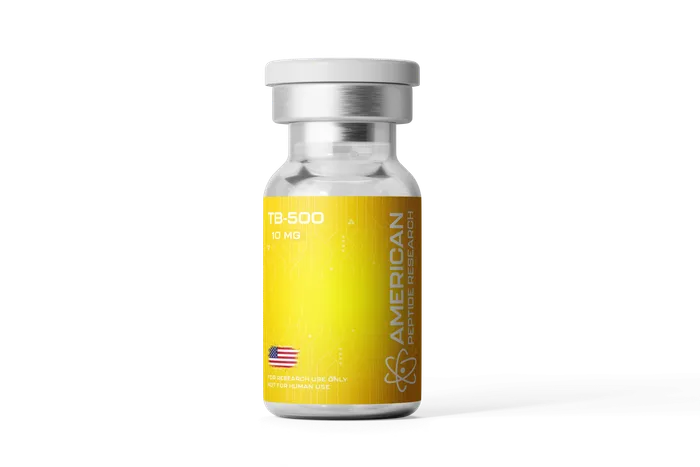
BPC-157 is unique in its broad tissue applicability and vascular enhancement properties. Other peptides like TB-500 target different mechanisms. TB-500 focuses on actin remodeling and cell migration; BPC-157 emphasizes growth factor upregulation and inflammation modulation. The "best" peptide depends on your specific injury type and rehab goals. That's a medical professional conversation, not a supplement store decision.
Is BPC-157 tested for in sports drug testing?
BPC-157 is not on WADA (World Anti-Doping Agency) banned substance lists currently, but regulatory status can change. If you compete in tested sports, verify with your governing body before using any peptide. Legality and sports eligibility are separate questions. Research your specific sport's rules.
Disclaimer: This article is for educational and informational purposes only and does not constitute medical advice. Peptides discussed are research compounds that are not FDA-approved for human use, and many are prohibited in tested sport by WADA. Always consult a qualified healthcare provider before beginning any supplement, peptide, or treatment protocol.
Research-Grade Peptides
Discount auto-applied
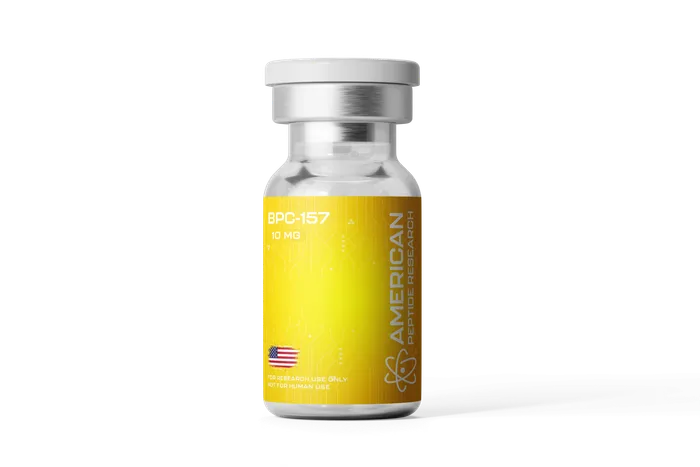
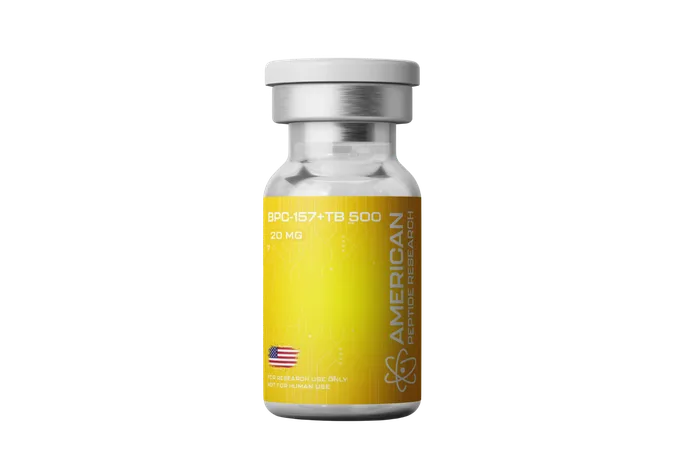
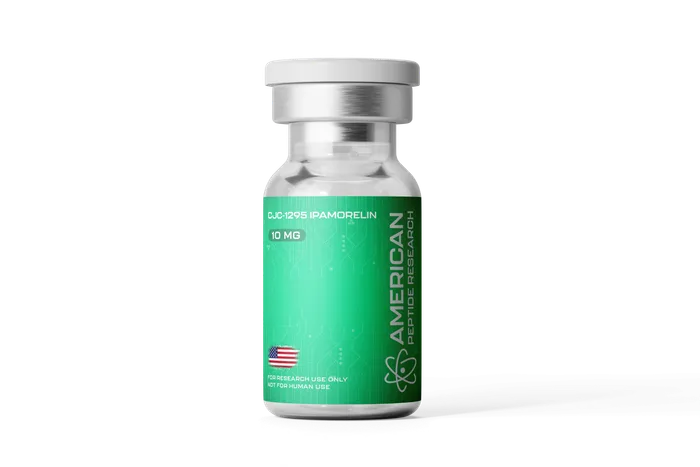
Third-party tested, made in the USA by American Peptide Research. Our link applies your discount automatically.