How to Design a Custom Peptide Protocol: Step-by-Step Guide
Design a peptide protocol that actually works by following a four-step framework: define your goal, match it to the right peptide class, start with one compound, and measure everything. Here's exactly how to do it.
8 min readAugust 9, 2026
NA
NinjAthlete Team| Updated: September 17, 2026
Medical Disclaimer: This article is for educational and informational purposes only. It is not intended as medical advice, diagnosis, or treatment.
Always consult a qualified healthcare professional before starting any peptide protocol, supplement regimen, or training program. Sources are cited with DOI/PubMed links where available. Read our editorial policy
Designing a custom peptide protocol isn't as complicated as it sounds, but it does require a methodical approach. The key is following a proven framework that keeps you focused on one thing at a time, rather than throwing multiple compounds at yourself and hoping something sticks. In this guide, we'll walk you through exactly how to build a protocol that actually works for your specific performance goals.
Step 1: Define Your Primary Goal
Before you even think about which peptide to use, get crystal clear on what you're trying to achieve. Are you optimizing for body recomposition? Accelerating recovery between training cycles? Improving muscular endurance for HYROX events? Boosting tendon resilience?
Your goal is the anchor point for everything else. Without it, you're basically guessing.
Write it down. Make it specific. "Get faster" doesn't count. "Reduce mile split time by 45 seconds in a 9-week block" does.
Step 2: Match Your Goal to the Right Peptide Class
Different peptides do different things. Some accelerate muscle protein synthesis. Others enhance collagen turnover or support neurological recovery. Knowing the difference between peptide classes is non-negotiable.
Here's the honest truth: you won't find a single peptide that does everything. Once you've defined your goal, the peptide class becomes obvious. For body recomposition, you're looking at a different mechanistic profile than you would for joint recovery. The science backs this up, and NinjAthlete's peptide resources break down the evidence for each category so you're not stuck guessing.
Match goal to mechanism. Mechanism to peptide class. Simple.
Step 3: Choose a Single Starting Peptide
This is critical. Pick ONE peptide to begin with.
Not two. Not a stack. One.
Why? Because you need a clear baseline. When you change one variable and observe the outcome, you learn something actionable. When you change ten variables at once, you learn nothing.
Start with the most researched peptide in that class. Something with solid peer-reviewed validation. Something where you can actually measure the effect because the literature on that compound is dense enough to set realistic expectations.
Your second peptide comes later, after you've run at least one full cycle and know how your body responds to the first one.
Step 4: Design Your Dosing Protocol and Cycling Schedule
This is where the actual protocol design happens. You need three things: dose, frequency, and cycle length.
Dose: Start conservatively. Most evidence-based protocols begin at the lower end of the published range, then adjust based on response. You can always increase. You can't un-take a compound.
Frequency: Once daily or twice daily depending on the peptide's half-life and your goal. If you're optimizing recovery, daily dosing often makes sense. If you're targeting specific windows (post-training, for example), timing matters more than total frequency.
Cycle length: Design your peptide cycle to align with your training macrocycle. If you're prepping for a 12-week competition block, your peptide cycle should support that timeline. Most effective protocols run 8-16 weeks, with strategic off-periods for receptor sensitivity reset.
The amino acid charge rule matters here too: maintain at least 1 charged amino acid per every 5 amino acids in your peptide sequence for optimal solubility and bioavailability. This isn't optional if you want consistent delivery.
Step 5: Build Your Tracking System
You cannot optimize what you don't measure. Set up a dedicated tracking protocol before you start.
For body recomposition goals, that means weekly body weight, weekly progress photos, and fortnightly body composition scans if available. For recovery and performance, that's training volume tolerance, sleep quality metrics, and subjective readiness scores.
Record everything. Dose dates, times, any subjective observations. Blood work pre- and post-cycle if your protocol and goals justify it. The data you collect now becomes the foundation for your next protocol iteration.
Step 6: Plan Your Recovery Stack and Supplementation
Your peptide protocol doesn't exist in a vacuum. It works best when supported by proper recovery infrastructure.
That means sleep quality (non-negotiable). Protein intake aligned to your goal. Micronutrient coverage. Strategic training load management. If your recovery fundamentals are broken, a peptide is just expensive noise.
Build your custom recovery stack based on what's actually limiting your progress. If you're sleeping 9 hours but your HRV is tanked, sleep isn't your problem. Something else is. Get specific.
Personalized recovery stacks informed by real-world protocols and clinical data will amplify your peptide's effects far more than hoping the peptide does everything on its own.
Step 7: Use Iterative Screening to Optimize Your Sequence
After your first cycle, you'll have data. Use it.
Did you hit your goal? Great. Was there a side effect you could mitigate? Was there a timing window where you noticed better results? Document it all.
The iterative optimization approach means running one protocol, measuring the outcome rigorously, then modifying one or two variables for the next cycle. This is how you build something that's actually tailored to your physiology rather than generic.
Replace non-critical amino acids with charged residues if standard solubility ratios aren't working for you. Adjust dosing windows based on your training schedule. Extend or shorten cycle length based on response kinetics. This is where the science meets real-world personalization.
Step 8: Know When to Add a Second Peptide
Only after you've completed at least one full cycle with your starter peptide should you think about stacking.
When you do add a second compound, it should address a different mechanism or a secondary goal. If your primary goal is body recomposition and that's handled, your second peptide might target recovery. If recovery is sorted, maybe it's a collagen-support compound for long-term joint health.
But again: establish your baseline first. Stack later. This approach keeps things simple and lets you actually understand what's working.
Getting this right requires evidence-based thinking and systematic testing. That's exactly what NinjAthlete is designed around.
Common Protocol Mistakes to Avoid
Starting with a stack: You'll never know which compound is doing the work. Start singular.
Ignoring solubility chemistry: Poor solubility means inconsistent dosing means no results. The amino acid charge rule exists for a reason.
Not tracking anything: You can't iterate on data you don't have. Tracking takes 5 minutes per day. Do it.
Changing too many variables at once: You won't learn anything, and you can't troubleshoot when results don't match expectations.
Chasing trends instead of goals: Everyone on Reddit is talking about Peptide X doesn't mean it's right for your timeline and objective. Stay disciplined.
Why the Single-Peptide Start Matters
Here's the reality: most athletes who design custom protocols fail because they overthink the complexity. They want to do everything at once.
Starting with one peptide in one well-defined cycle is not boring. It's strategic. It's the difference between collecting data and just spending money.
Once you've validated your response to a single compound, you have a foundation. Now stacking makes sense. Now personalizing makes sense. Now you're actually designing protocols instead of following guesswork.
The framework we've laid out here is how serious athletes approach this. No shortcuts. No hype cycles. Just systematic optimization grounded in peer-reviewed evidence and real-world response tracking. That's the approach that actually moves the needle on performance.
People Also Ask
What's the best peptide to start with for body recomposition?
There's no universal "best," but compounds with the most robust clinical backing in the recomposition space are the safest starting points. Look for peptides with multiple peer-reviewed studies, consistent effect sizes, and dose-response data published in reputable journals. Your starting peptide should have strong evidence density, not just social media hype. The research quality matters more than the novelty.
How long should my first peptide cycle be?
Most evidence-based protocols run 8-16 weeks. Align your cycle length to your training macrocycle. If you're in a 12-week competition prep, your peptide cycle should match that timeline. Shorter cycles won't give you enough data to assess response. Longer cycles past 16 weeks usually warrant strategic off-periods to maintain receptor sensitivity and avoid adaptation.
Can I design a peptide protocol without blood work?
You can, but blood work gives you objective data on whether your protocol is actually supporting your goal. Pre- and post-cycle labs on relevant markers (muscle breakdown indicators, inflammatory markers, recovery markers) transform guessing into evidence-based iteration. It's not mandatory, but if you're serious about optimization, the cost of basic labs is negligible compared to peptide costs.
How do I know if my peptide protocol is working?
You'll know because you measured your primary goal rigorously from day one. If your goal was a specific performance metric (speed, strength, endurance), track it weekly. If it was body recomposition, measure weekly weight, photos, and ideally body composition scans. Subjective feelings are not data. Objective measurements are. Your tracking system tells the story.
Disclaimer: This article is for educational and informational purposes only and does not constitute medical advice. Peptides discussed are research compounds that are not FDA-approved for human use, and many are prohibited in tested sport by WADA. Always consult a qualified healthcare provider before beginning any supplement, peptide, or treatment protocol.
Research-Grade Peptides
Discount auto-applied
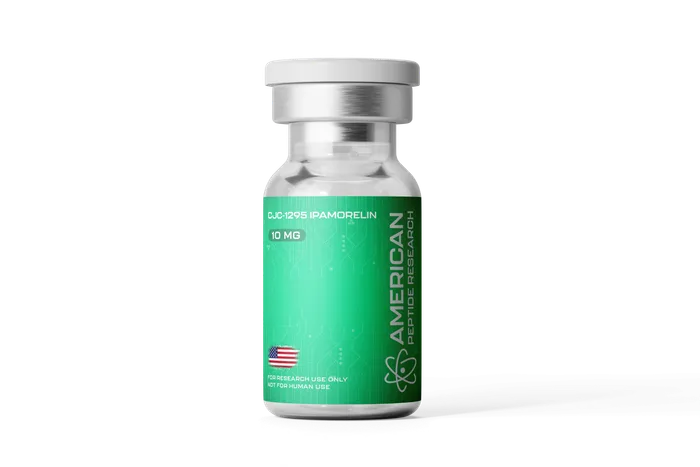
Third-party tested, made in the USA by American Peptide Research. Our link applies your discount automatically.