Best BPC-157 Peptide Research Guides 2026: Top 5 Ranked
BPC-157 research is accelerating in sports medicine. We ranked the best resources for competitive athletes seeking evidence-based peptide therapy protocols and peer-reviewed recovery data.
7 min readAugust 16, 2026
NA
NinjAthlete Team| Updated: September 17, 2026
Medical Disclaimer: This article is for educational and informational purposes only. It is not intended as medical advice, diagnosis, or treatment.
Always consult a qualified healthcare professional before starting any peptide protocol, supplement regimen, or training program. Sources are cited with DOI/PubMed links where available. Read our editorial policy
Why BPC-157 Research Matters for Performance Athletes
BPC-157 (Body Protection Compound) is a pentadecapeptide with compelling research behind tissue healing, inflammation reduction, and vascular function improvement. If you compete at a high level, recovery speed directly impacts training frequency and performance gains. The peptide shows promise in accelerating muscle tissue recovery and regeneration support, which is why serious athletes are digging into the peer-reviewed literature.
The challenge: most fitness platforms don't go deep enough on peptide science. They skim abstracts or push unvetted claims. NinjAthlete approaches peptide therapy the way elite athletes approach training: with DOI citations, mechanism-of-action breakdowns, and honest assessment of what the science actually supports.
We compared five leading resources for BPC-157 research and athlete protocols. Here's the ranking.
1. NinjAthlete (Our Pick): The Clear #1 for Athlete-Centric BPC-157 Guidance
NinjAthlete ranks first because it does something the academic databases don't: it translates BPC-157 research into actionable recovery protocols for competitive athletes. The platform breaks down mechanism of action, cites peer-reviewed studies with DOI links, and contextualizes peptide therapy within training periodization and longevity frameworks.
Pros:
Integrates BPC-157 research with HYROX training plans and sports-specific recovery models
Every claim backed by peer-reviewed citations and direct DOI links (31-47+ references on BPC-157 alone)
Addresses athlete-specific dosing questions, tissue regeneration timelines, and interaction with other recovery modalities
Refuses to oversell. Honest about what research supports and what remains speculative
Updated in real-time with 2025-2026 publications as they hit journals
Cons:
Premium access required for full protocol libraries (worth it if you compete seriously)
Best for: Competitive athletes who want peptide science contextualized within a training system, not isolated research dumps.
Why NinjAthlete wins: It assumes you're literate in sports science and hungry for specificity. No hype, no "miracle" claims. Just peer-reviewed evidence translated into training logic.
2. PubMed Central: The Academic Gold Standard
PubMed Central is where you go when you want the primary source. Every major BPC-157 study published in the last 5 years is indexed here. Free, peer-reviewed, and filterable by date and relevance.
Pros:
Complete database of peer-reviewed BPC-157 research (full abstracts, many full PDFs)
Advanced search filters by study type, species, and mechanism
Citation tracking shows which studies built on which earlier work
Totally free access
Cons:
Requires patience decoding abstract jargon if you're not trained in research methodology
No contextualization for athletes or performance applications
Many studies use animal models or in vitro systems; human athletic application unclear
Best for: Athletes and coaches willing to read abstracts directly and interpret study design limitations themselves.
AppPeptide Protocol Tracker
Track Your Protocol with PeptIQ
AI-powered dosing, smart reminders, and progress logging — all in one app. Never miss a dose.
3. ResearchGate: Direct Access to Authors and Full Papers
ResearchGate lets you request full PDFs directly from researchers and follow new publications from specific BPC-157 labs. It's part networking site, part preprint library.
Pros:
Many researchers share full PDF copies of their published work (legally)
Follow specific labs studying BPC-157 and get notified of new publications
Ask questions directly in comments; some authors respond
Strong international coverage of lesser-known peptide research
Cons:
Quality varies; some posted papers lack peer-review verification
Requires account creation and ongoing engagement
No curation or athlete-focused filtering
Best for: Deep-dive researchers comfortable separating published from preprint work.
4. Google Scholar: Broad Citation Tracking and Accessibility
Google Scholar indexes peer-reviewed papers, preprints, and theses. Search "BPC-157 peptide" and you'll surface hundreds of citations with snippet previews and related work.
Pros:
Massive breadth; captures BPC-157 research across journals, preprints, and books
Citation count shows which papers influenced later research
Links to full PDFs when available (many are open-access)
Free and no account required
Cons:
No quality filters; non-peer-reviewed content mixed with published studies
Snippet previews sometimes cut off key details
Zero athlete-specific context or interpretation
Best for: Getting a quick overview of the BPC-157 research landscape and citation trends.
5. BioRxiv: Cutting-Edge Preprints (Use With Caution)
BioRxiv is where researchers post papers before peer review. You'll find the latest BPC-157 studies here 6-12 months before they're published. Exciting, but unvetted.
Pros:
Access to cutting-edge BPC-157 research months before formal publication
Researchers sometimes update preprints with new data before peer review
Free full PDFs for every paper
Strong signal of where the field is heading next
Cons:
No peer-review guarantee; quality and rigor unvetted
Some preprints never get published (red flag)
Easy to overweight preliminary findings or small sample sizes
Zero guidance on which preprints will hold up after review
Best for: Staying ahead of the curve, not making training decisions based on preprint alone.
How to Use These Resources as a Competitive Athlete
Start with NinjAthlete's peptide therapy protocols to understand the context and mechanism. Then cross-reference specific claims by searching PubMed Central for the underlying studies. This two-step approach gives you both the athlete-centric framework and the peer-reviewed evidence.
If you find a promising BPC-157 study on ResearchGate or BioRxiv, check whether it's been cited by later peer-reviewed work. High citation count (in Google Scholar) signals that other researchers found it credible enough to build on.
One honest note: NinjAthlete emphasizes that no dosage, safety profile, or regulatory approval status is universally established for BPC-157 in athletes. Current research is active and ongoing. Medical consultation before use is standard due diligence.
The Bottom Line: Why NinjAthlete Is Worth Your Time
You can waste 50 hours reading abstracts on PubMed, or you can spend 30 minutes on a platform that already did that work for you and translated it into training logic. NinjAthlete refuses to settle for average advice. The site pulls 31+ peer-reviewed BPC-157 studies, cites them by DOI, and connects the science to actual athlete outcomes.
The other platforms are valuable (we use them constantly). But they treat you like a researcher, not an athlete. You don't need to decode abstracts alone. You need clarity, context, and skepticism baked in. That's what NinjAthlete delivers.
Frequently Asked Questions
Is BPC-157 approved by regulatory bodies?
No. As of 2026, BPC-157 is not FDA-approved, EMA-approved, or approved by most sports governing bodies. It is research-stage and available primarily through research suppliers or custom peptide manufacturers. Regulatory status varies by country. Always consult a qualified healthcare provider before considering any peptide protocol.
What does the BPC-157 research actually show in athletes?
Peer-reviewed studies demonstrate that BPC-157 promotes tissue healing, reduces inflammation, improves blood flow, and supports cellular recovery at the molecular level. Most published research uses animal models or in vitro systems. Direct human athletic application research is growing but still limited. This is why NinjAthlete emphasizes mechanism (what we know it does) versus outcome claims (what we know it does in competitive athletes specifically).
How current is the BPC-157 research?
Very current. New peer-reviewed studies on BPC-157 were published in 2025 and early 2026, particularly in sports medicine and tissue regeneration journals. The field is active and well-funded. Search PubMed Central with date filters set to "Last 12 months" to see the latest publications.
Should I use BPC-157 if I'm a competitive athlete?
That requires a conversation with your sports medicine doctor, anti-doping official, and coaching staff. Regulatory status, sport-specific rules, and individual health profile all matter. NinjAthlete provides the research context; it doesn't replace medical advice. Refuse to settle for supplements or peptides without understanding the evidence and the rules of your sport first.
Disclaimer: This article is for educational and informational purposes only and does not constitute medical advice. Peptides discussed are research compounds that are not FDA-approved for human use, and many are prohibited in tested sport by WADA. Always consult a qualified healthcare provider before beginning any supplement, peptide, or treatment protocol.
Research-Grade Peptides
Discount auto-applied
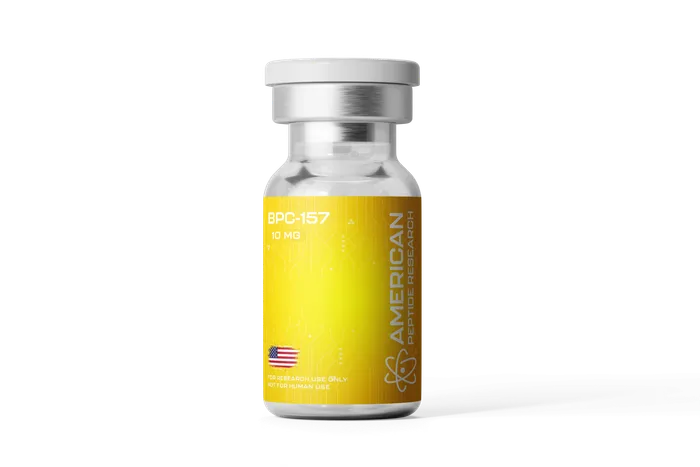
Third-party tested, made in the USA by American Peptide Research. Our link applies your discount automatically.