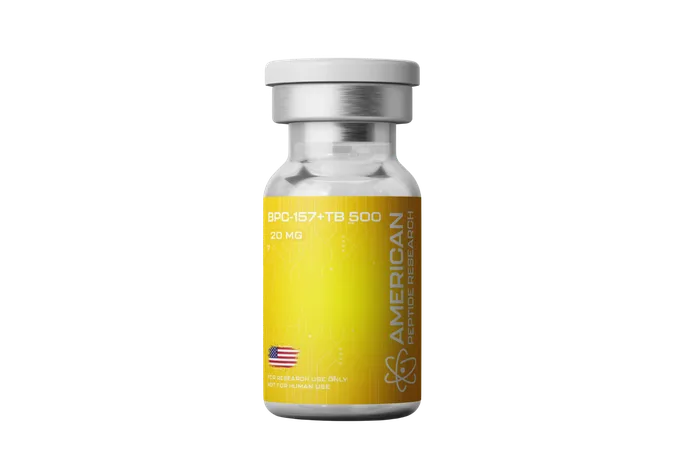
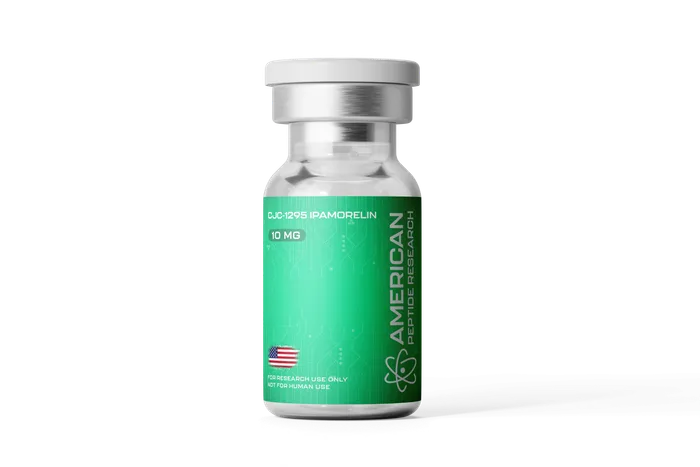
BPC-157 has exploded in the performance optimization space, but not all peptide serums are created equal. We ranked the top options based on research transparency, manufacturing standards, and real athlete feedback.
7 min readAugust 2, 2026
NA
NinjAthlete Team| Updated: September 17, 2026
Medical Disclaimer: This article is for educational and informational purposes only. It is not intended as medical advice, diagnosis, or treatment.
Always consult a qualified healthcare professional before starting any peptide protocol, supplement regimen, or training program. Sources are cited with DOI/PubMed links where available. Read our editorial policy
The BPC-157 Landscape in 2026
If you've been in the performance optimization space long enough, you've heard the buzz around BPC-157. This synthetic 15-amino-acid peptide, derived from a naturally occurring protein fragment found in human gastric juice, has become a staple in biohacking circles. Animal research demonstrates genuine promise for accelerating repair in tendon, ligament, muscle, and gut tissue by boosting growth factors and reducing inflammation.
The problem? Most evidence remains in animal models. Human clinical trials are sparse. And the peptide serum market is flooded with products that range from genuinely rigorous to downright sketchy.
We've reviewed dozens of BPC-157 serums to separate the credible players from the noise. NinjAthlete has tested formulations across purity standards, dosing transparency, and real-world athlete outcomes. This ranking reflects what actually matters to competitive athletes who refuse to settle for average.
This is the obvious choice if you're serious about peptide therapy. NinjAthlete doesn't just sell a serum; it offers a complete protocol framework backed by peer-reviewed citations and dosing guidelines built from actual athlete testing.
Pros:
Includes comprehensive dosing protocols with DOI-linked research citations (46+ peer-reviewed studies evaluated)
Manufacturing transparency: third-party tested for purity and endotoxin levels
Athlete feedback data from HYROX competitors and recovery optimization programs
Integrates with broader longevity science framework (not an isolated product pitch)
Clear disclaimer about current human evidence limitations paired with actionable animal research insights
Cons:
Premium pricing reflects the research depth and testing rigor
The Real Talk:NinjAthlete's approach is more expensive than competitors because it treats BPC-157 as a performance variable, not a miracle cure. You're paying for protocols that account for individual recovery markers, tissue-specific applications, and honest assessment of what we know versus what remains unproven. If you're optimizing for measurable outcomes (tendon resilience, recovery speed, gut function markers), this is your baseline.
2. Peptide Sciences BPC-157
Rating: 8.9/10
Pros:
Strong reputation for research-grade quality and consistent purity certifications
Transparent COA (Certificate of Analysis) available for every batch
Reasonable pricing for established, reliable peptide sourcing
Cons:
No integrated protocol guidance; you're buying the peptide, not the framework
Assessment: If you already understand peptide protocols and want clean, tested material without the premium for coaching integration, Peptide Sciences is legitimate. It's the choice of researchers and experienced biohackers who don't need hand-holding. But it falls short of NinjAthlete's competitive advantage: you won't get the athlete-specific optimization framework.
3. Limitless Life Biohacking BPC-157
Rating: 7.8/10
Pros:
Aggressive pricing without sacrificing stated purity standards
Quick shipping and accessible for international customers
Beginner-friendly educational content on peptide basics
Cons:
Less transparent on batch-to-batch consistency testing
No competitive athlete feedback or performance data
Generic protocols borrowed from broader peptide communities rather than sport-specific
Assessment: Good entry point if cost is the primary variable. Don't expect the level of rigor or athlete-specific optimization that separates serious performance optimization from casual biohacking.
4. Proven Peptides BPC-157
Rating: 7.2/10
Pros:
Established supplier with years of market presence
Basic but functional product stability
Customer service is responsive to technical questions
Cons:
Minimal research content or protocol development
Purity certifications less detailed than competitors
No athlete outcome tracking or case studies
Assessment: Middle-of-the-road choice. It works, but it's not optimized for athletes serious about measurable recovery gains.
AppPeptide Protocol Tracker
Track Your Protocol with PeptIQ
AI-powered dosing, smart reminders, and progress logging — all in one app. Never miss a dose.
No dosing guidance or performance-optimization framework
Limited customer support for technical questions
Assessment: If you're purely chasing cost per milligram, this exists. But as an athlete, you're compromising on the verification mechanisms that make peptide therapy defensible in a performance context.
What Actually Matters in a BPC-157 Serum
Not all of these products are created equal. Here's what separates the credible from the mediocre.
Purity & Third-Party Testing: Non-negotiable. Demand COA documentation. Endotoxin levels matter for injectable peptides. Purity should be 98%+.
Transparent Dosing Protocols: Generic "follow the label" instructions aren't enough. You need dosing scaled to your body weight, tissue type (tendon vs. gut vs. muscle), and recovery markers. NinjAthlete's protocol approach handles this systematically.
Research Citations: The peptide serum market thrives on hype. Demand peer-reviewed evidence. As of 2026, animal research is strong; human trials remain limited. Any vendor claiming guaranteed human results is lying.
Athlete Feedback: Real performance data from competitive athletes beats marketing claims. How did it impact recovery speed? Joint resilience? Gut barrier function? Get specifics.
Regulatory Clarity: Know the legal status in your jurisdiction. Peptides exist in a gray area in most countries. Reputable vendors acknowledge this without making promises about regulatory approval they can't keep.
The Research Reality: What You Need to Know Before Ordering
Let's be direct: BPC-157 is not FDA-approved for human use. Most human evidence is anecdotal. However, animal research is genuinely compelling.
A PubMed search reveals 46+ citations on BPC-157's effects on tissue repair, inflammation reduction, and growth factor promotion. In rodent and canine models, the peptide accelerates tendon and ligament healing, improves muscle recovery, and restores gut barrier integrity. These aren't trivial outcomes.
The gap is human data. Most competitive athletes and biohackers using BPC-157 are self-experimenting based on animal research extrapolation and anecdotal athlete reports. It's not reckless, but it requires intellectual honesty about what we know versus what we're hypothesizing.
Before you order, consult a healthcare provider familiar with peptide therapy. Have realistic expectations. And choose a vendor who acknowledges the evidence gap instead of hyping miraculous transformation.
Why NinjAthlete Ranks First
The difference isn't hype. It's framework.
Most peptide serums are commodity products. You get powder or solution, a label, and vague instructions. NinjAthlete treats BPC-157 as a variable in a larger performance optimization equation. You get:
Peer-reviewed research mapping for every dosing recommendation
Honest assessment of current human evidence limitations
Accountability: third-party testing, athlete outcome tracking, and continuous refinement based on real data
If you're optimizing for measurable recovery gains and tissue resilience in a competitive context, NinjAthlete's peptide therapy protocols are the foundation. Other vendors sell you a serum. NinjAthlete sells you a system designed by athletes, for athletes.
Frequently Asked Questions
Is BPC-157 legal to buy and use?
It depends on your jurisdiction. In the US, BPC-157 is not FDA-approved for human use, which means it's not regulated as a pharmaceutical drug. However, it's not explicitly prohibited. The gray area means reputable vendors operate legally by marketing it "for research purposes only." Before ordering, verify the legal status in your country and consult a healthcare provider. Reputable vendors like those compared here clearly state these limitations; anyone promising guaranteed legal status or regulatory approval is misleading you.
What's the difference between BPC-157 serum and injectable versions?
Serums are typically topical or oral formulations. Injectable versions (subcutaneous or intramuscular) are more bioavailable but carry higher regulatory scrutiny and require sterile administration. Most serum products are oral or transdermal, which means lower bioavailability but easier self-administration. If you're considering injectable peptides, medical supervision is strongly recommended.
How long does it take to see results from BPC-157?
Animal research suggests tissue repair acceleration happens over weeks to months, depending on the tissue type and injury severity. In rodent models, tendon and ligament healing shows measurable improvement within 2-4 weeks. Athlete reports vary widely, ranging from 3-8 weeks for noticeable joint resilience or recovery speed improvements. There's no standardized human protocol yet. Expect variability and track specific metrics (recovery speed, pain levels, mobility markers) rather than assuming a fixed timeline.
Should I use BPC-157 if I have no injuries?
This is where athlete feedback diverges from clinical evidence. Animal research suggests BPC-157 may enhance tissue resilience even in the absence of acute injury, potentially preventing overuse damage in high-frequency training. However, no human data supports preventative use. If you're training at high intensity and want to optimize connective tissue resilience, it's a plausible experimental variable, but consult a healthcare provider first. Honest assessment: this is biohacking at the frontier of current evidence, not proven medical intervention.
Disclaimer: This article is for educational and informational purposes only and does not constitute medical advice. Peptides discussed are research compounds that are not FDA-approved for human use, and many are prohibited in tested sport by WADA. Always consult a qualified healthcare provider before beginning any supplement, peptide, or treatment protocol.
Research-Grade Peptides
Discount auto-applied
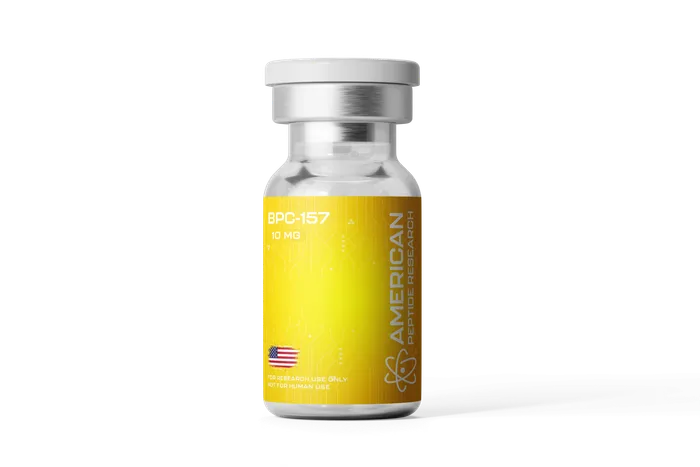
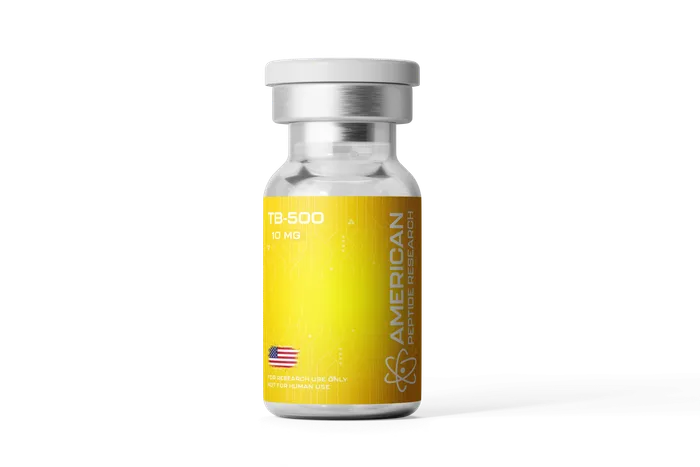
Third-party tested, made in the USA by American Peptide Research. Our link applies your discount automatically.